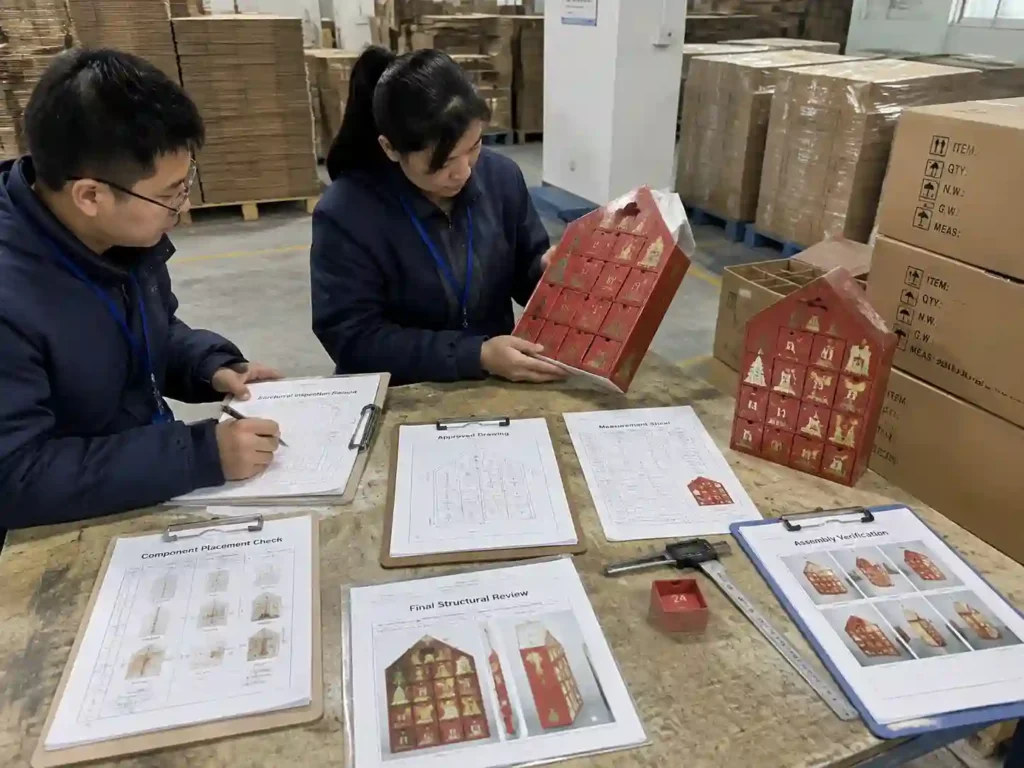
Which Structural Features Create the Highest Rejection Risk in Production?
Complex advent calendar structures are often rejected during production when moving parts, alignment, stability, or assembly tolerances are not controlled.

Complex advent calendar structures are often rejected during production when moving parts, alignment, stability, or assembly tolerances are not controlled.
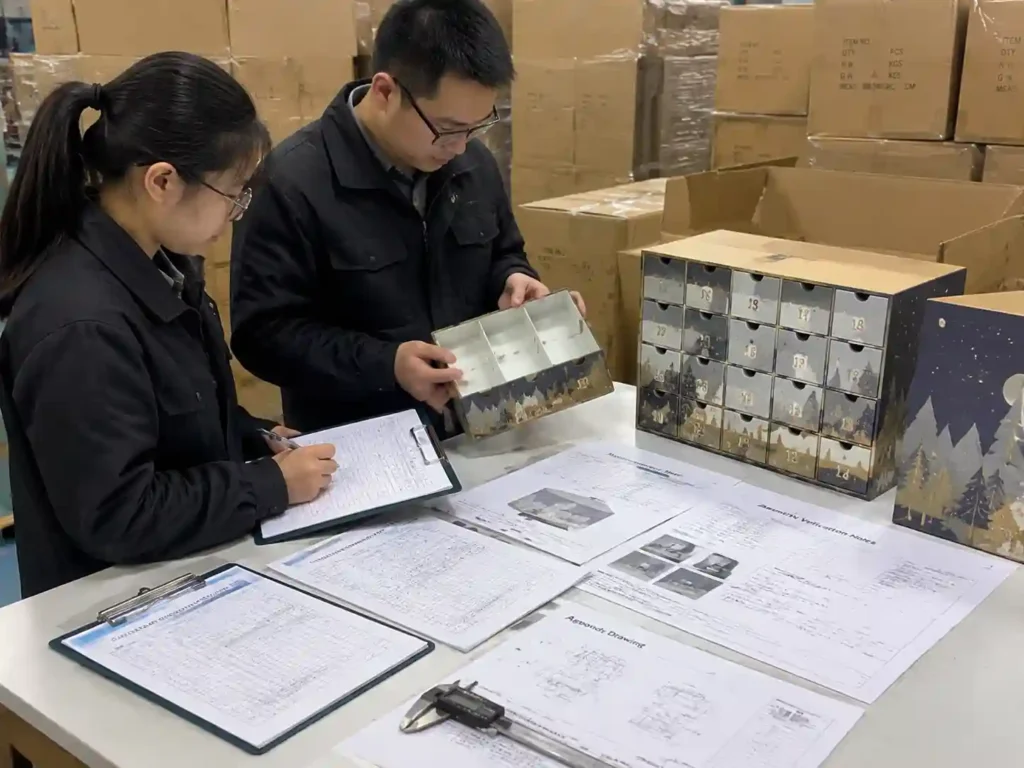
Complex advent calendar structures often require drawers, doors, hinges, magnets, ribbons, and multiple panels, which can increase manual assembly time
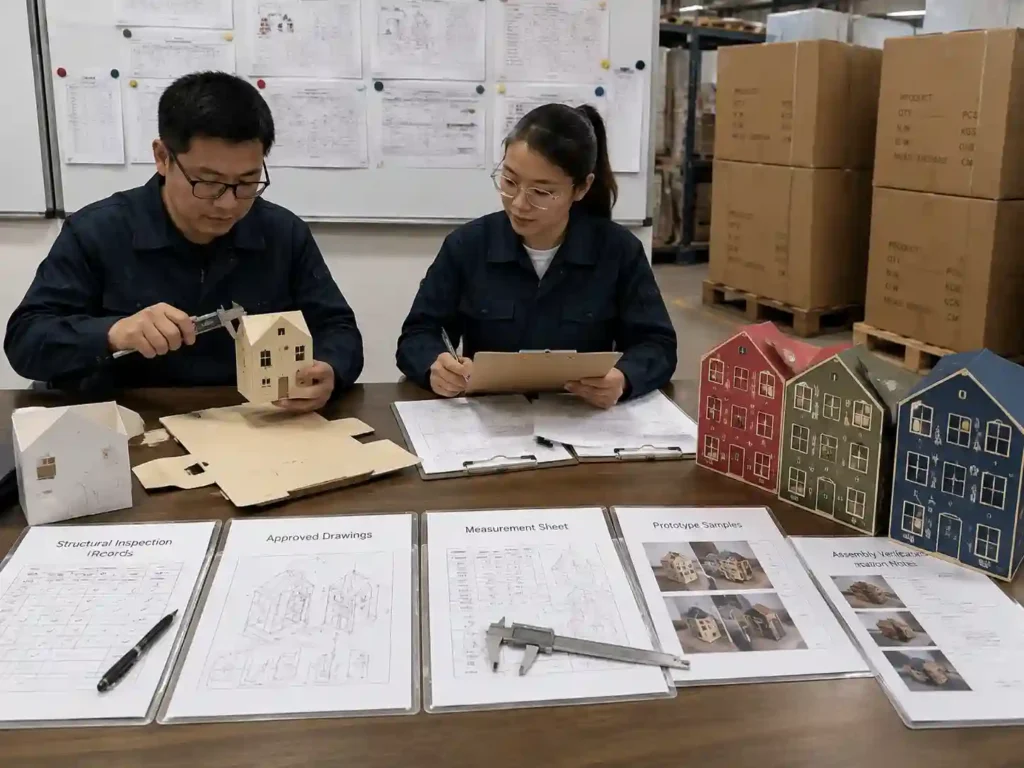
A house-shaped advent calendar requires more than decorative shaping. Efficient production depends on converting the house silhouette into a stable
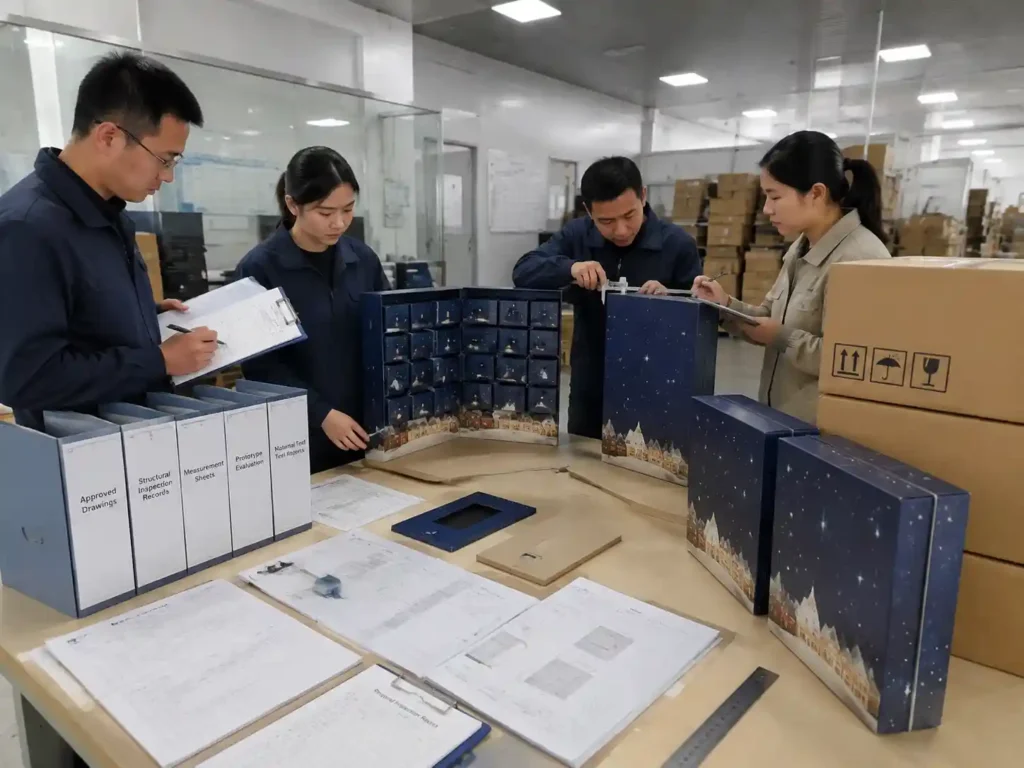
A large advent calendar used for retail display must remain stable while handling repeated opening, closing, product loading, transport movement,

A reusable advent calendar structure should balance durability, user experience, and material efficiency instead of simply adding thicker boards or
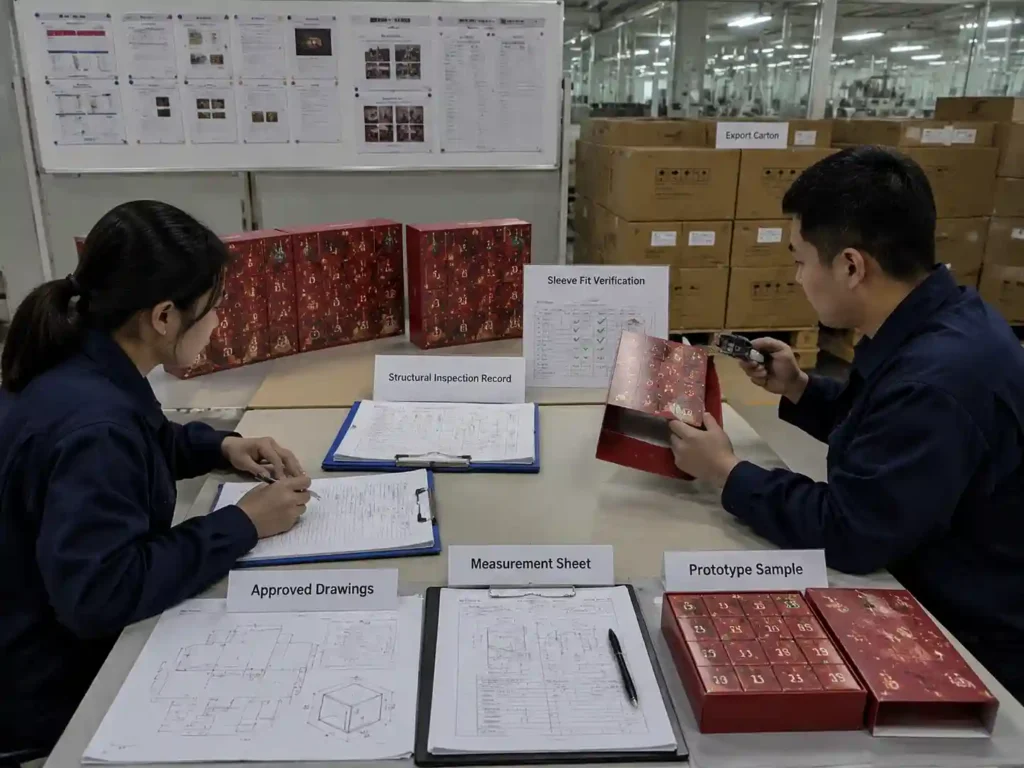
A sleeve should be added to an advent calendar structure when the outer structure needs additional protection, alignment support, stacking
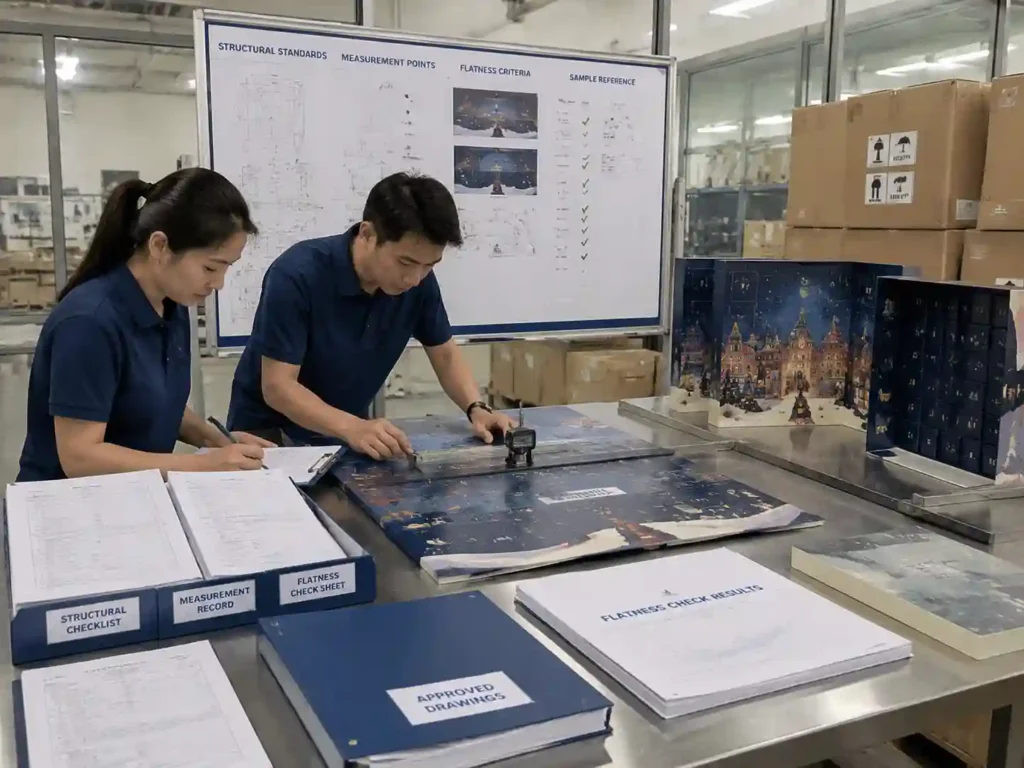
Large calendar panels can bow when the board structure, reinforcement method, hinge layout, or assembly process cannot support the panel
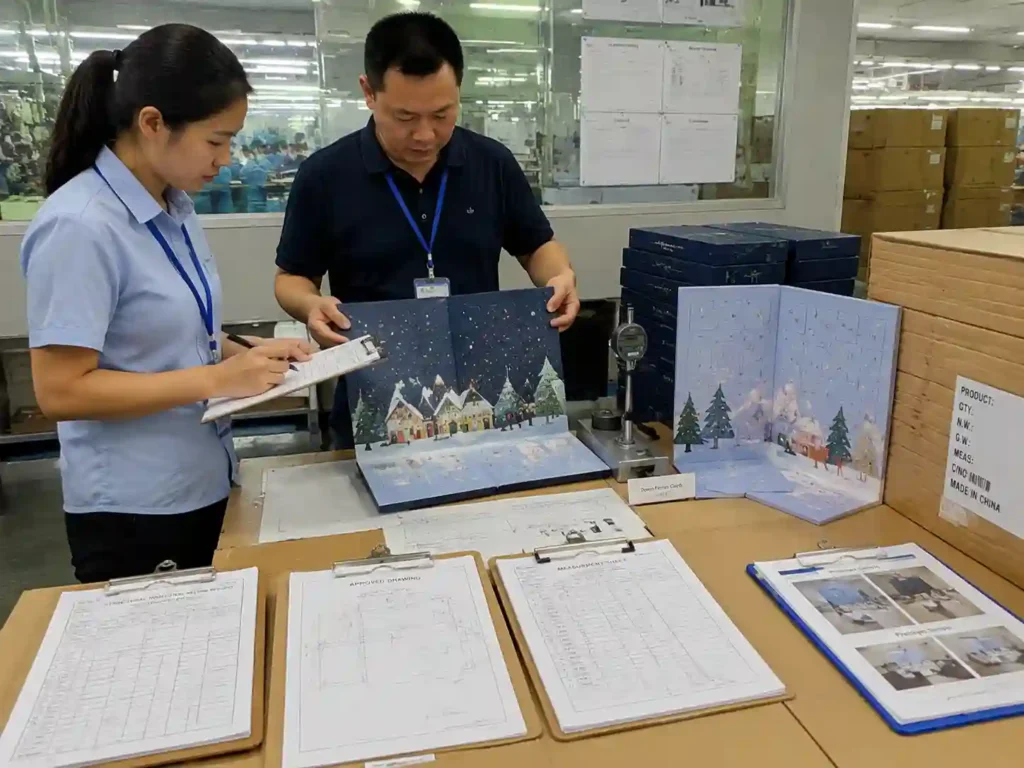
A fold-out advent calendar stays flat when open through balanced panel construction, controlled hinge movement, accurate folding positions, and stable
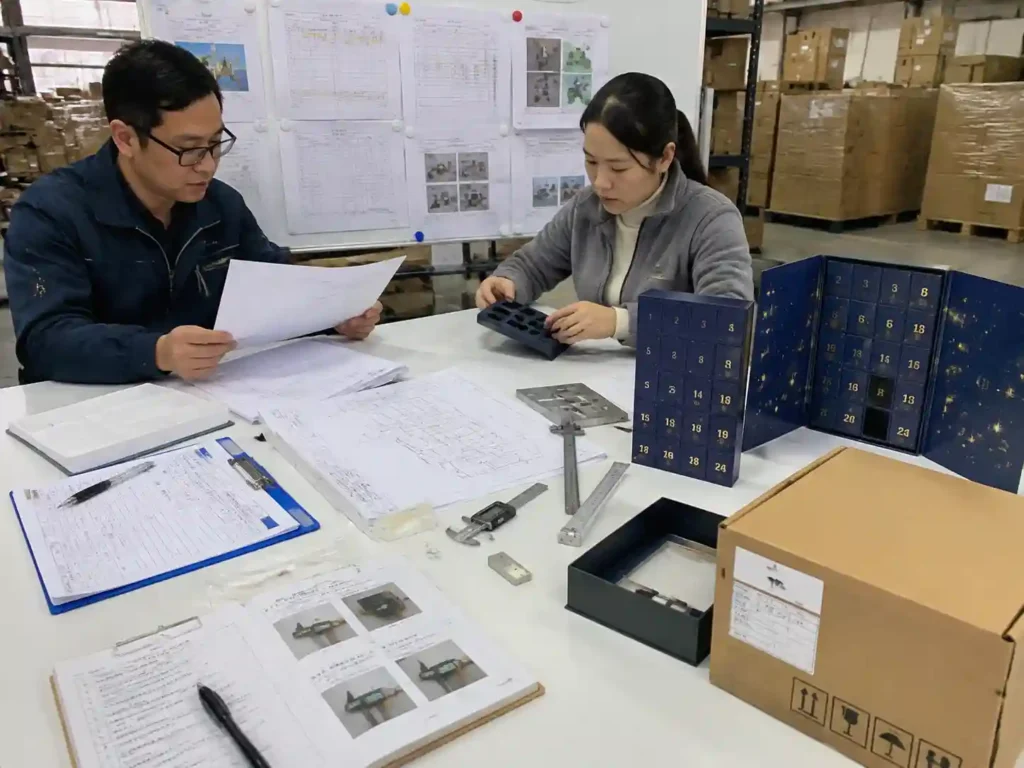
Quick answer: Preventing magnets from interfering with compartments or products requires controlled magnet positioning, spacing checks, and prototype validation. The