How to Customize Paperboard Advent Calendar Boxes for B2B Packaging Projects
Customizing paperboard advent calendar boxes is not only about choosing artwork and a festive layout. For B2B packaging projects, buyers also need to confirm structure, insert fit, sample quality, packing method, and production feasibility before bulk orders begin.
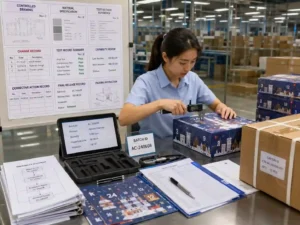
This guide explains how brands, wholesalers, gift companies, and purchasing teams can manage the sampling and prototyping stage more clearly, from blank samples to printed samples and pre-production checks.
Why Sampling Matters Before Bulk Production
Advent calendar packaging often contains many compartments, doors, drawers, trays, or inserts. A small error in size, opening direction, paper thickness, or insert tolerance can affect the whole user experience.
For B2B buyers, sampling is the practical stage where the idea becomes a physical packaging structure. Before placing a bulk order, the sample helps your team check whether the box can hold the products safely, display well at retail, and meet your packing requirements.
Working with a custom advent calendar boxes manufacturer can make this stage easier because the factory can review structure, material, artwork, and export packing together instead of treating them as separate issues.
Start With the Product and Application
Before discussing colors or finishes, the first question is simple: what will go inside the advent calendar box?
Cosmetics, chocolate, candles, jewelry, tea, coffee, toys, and small gift items all need different compartment designs. Some products require tight insert protection. Some need easy removal. Some need food-contact consideration, fragrance separation, or stronger side walls for heavier items.
Key Product Details to Prepare
To make the sampling process faster, prepare the following details before requesting a quote:
| Information Needed | Why It Matters | Example for Buyers |
|---|---|---|
| Product dimensions | Helps define compartment size and insert tolerance. | 24 skincare samples with different bottle heights. |
| Product weight | Supports material choice, paperboard thickness, and carton packing. | Small candles may need stronger trays than paper sachets. |
| Product category | Affects insert material, surface finish, and possible compliance checks. | Chocolate gifts may need food-safe packing discussion. |
| Retail display method | Influences box shape, opening style, and shelf presentation. | Flat shelf display, countertop display, or gift set presentation. |
| Target order quantity | Helps estimate tooling, sample cost, MOQ, and bulk production planning. | 300 pcs trial order or 5,000 pcs seasonal campaign. |
Choose the Right Paperboard Advent Calendar Structure
Paperboard advent calendar boxes can be made in several structures. The best option depends on your product size, target price range, retail channel, and shipping plan.
Common Structure Options
Door-opening paperboard calendar: This is often used for lightweight items, flat gifts, chocolate, stationery, and small promotional products. It can be efficient for larger quantity projects.
Drawer-style calendar: This structure feels more premium and works well for cosmetics, jewelry, tea, candles, or multi-item gift sets. It usually needs more material and assembly labor.
Book-style calendar: A book-style structure gives strong presentation value and is suitable for retail gifting. It may include magnetic closure, paperboard trays, or printed inner panels.
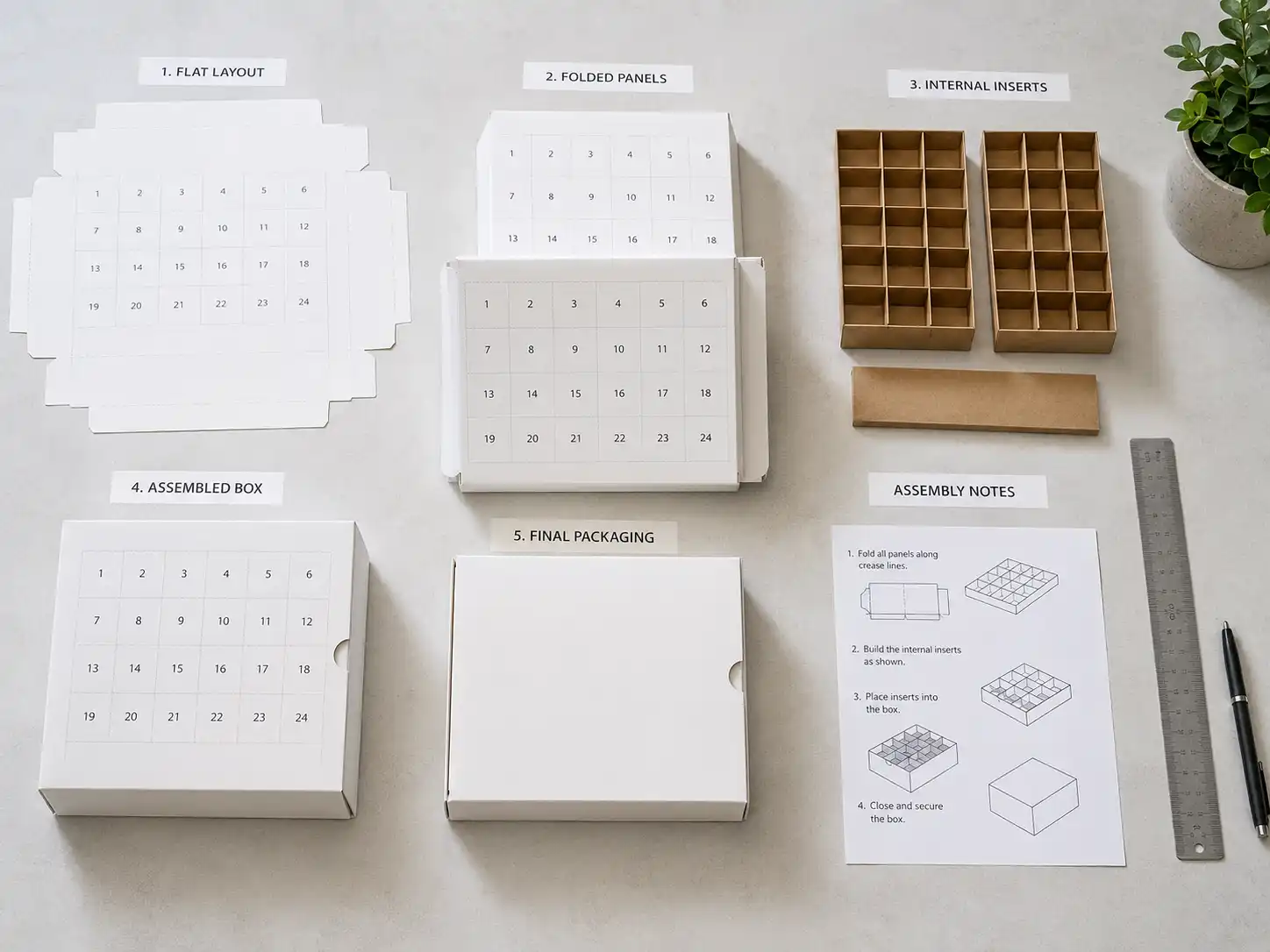
Flat-pack calendar: Flat-pack structures can reduce shipping volume and may be suitable for projects where buyers assemble or pack products in their own facility.
If you are comparing several structures, the custom advent calendar box products page can be used as a reference point for different formats before you request a custom sample.
Blank Sample vs. Printed Sample
In most B2B packaging projects, there are two common sample stages: blank sample and printed sample. They have different purposes, and buyers should not judge them in the same way.
Blank Sample
A blank sample focuses on structure. It is usually made without final artwork, or with simple material and no full printing. The goal is to check size, opening method, insert fit, folding, drawer movement, door perforation, and product placement.
For paperboard advent calendar boxes, the blank sample is useful when your team is still adjusting the number of compartments, box depth, insert style, or product arrangement.
Printed Sample
A printed sample focuses on appearance and final presentation. It helps your team review color, logo position, surface finish, artwork alignment, die-cut window, foil stamping, embossing, spot UV, and overall retail look.
Because printed samples involve more production steps, they usually take longer and cost more than blank samples. This is normal, especially for custom seasonal packaging with multiple panels or special finishes.
Artwork and Customization Checks
Once the structure is confirmed, artwork preparation becomes the next important step. For B2B buyers, the goal is not only to make the box attractive. The artwork must also match the dieline, printing process, and production tolerance.
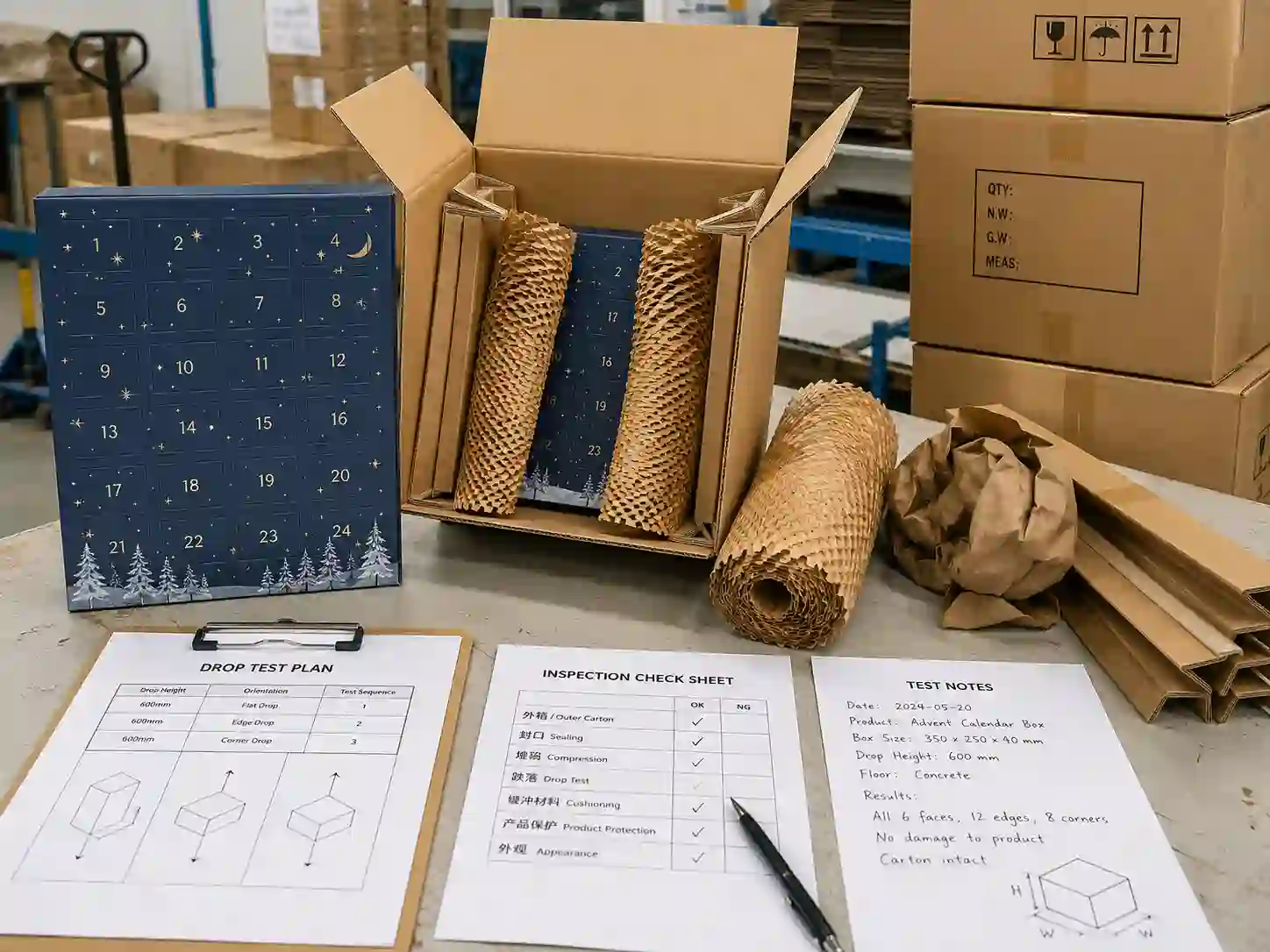
Review the Dieline Carefully
The dieline is the technical file that controls cut lines, fold lines, glue areas, safety areas, and artwork placement. Before approving a printed sample, check whether important text, logos, QR codes, barcodes, and icons are far enough from cutting and folding edges.
Giftpackpro usually recommends checking the dieline before final sample production, especially for calendar boxes with many doors, drawers, or small numbered areas.
Confirm Printing and Finishing
Common options for paperboard advent calendar boxes include CMYK printing, Pantone color matching, matte lamination, gloss lamination, soft-touch finish, foil stamping, embossing, debossing, and spot UV.
Special finishes can improve shelf appeal, but they also affect cost, lead time, and sample review. If the project has a strict budget, ask your supplier to separate the quotation by basic printing and optional finishing.
For projects that require certified paper sourcing, buyers can review general information from the Forest Stewardship Council. For quality management language, some purchasing teams also refer to ISO 9001 quality management when preparing supplier evaluation documents.
Sample Approval Workflow for B2B Buyers
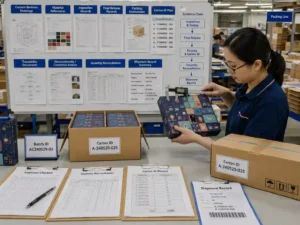
A clear approval workflow can prevent delays. The most common problem is that several departments review the sample at different times and request changes one by one. This creates repeated revisions and pushes the production schedule back.
A Practical Approval Sequence
Step 1: Confirm structure. Check size, compartment layout, insert fit, opening style, and product loading method.
Step 2: Confirm material. Review paperboard thickness, surface paper, insert material, and whether the box feels strong enough for the product weight.
Step 3: Confirm artwork. Check brand graphics, number placement, barcode area, warning labels, product information, and retail-facing panels.
Step 4: Confirm finishing. Review lamination, foil stamping, embossing, spot UV, window patching, or other decorative effects.
Step 5: Confirm packing. Check whether the sample can be packed safely into inner cartons, master cartons, or pallets for export shipment.
If your team needs support through these stages, the custom advent calendar box services page explains how structure review, customization, sampling, and production support can connect in one project flow.
How to Handle Sample Revisions
Revisions are normal in custom packaging. The important point is to keep them organized.
When you request a change, be specific. Instead of saying “make the box stronger,” state where the problem appears. For example: “The left side wall bends when 24 filled compartments are loaded,” or “Drawer 12 is too tight after inserting the product.”
Useful Revision Notes
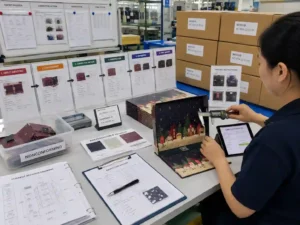
Good revision notes usually include photos, marked areas, measurements, and a short explanation. If possible, compare the issue with the original requirement.
For example, a buyer may write: “Compartment size should be adjusted from 32 mm to 35 mm width because the bottle cap touches the side wall.” This is much clearer than saying “the insert does not fit.”
For more planning topics, buyers can also review advent calendar box buying guides before starting a new seasonal packaging project.
Pre-Production Checks Before Bulk Orders
After the final sample is approved, the project should move into pre-production checks. This stage connects the sample with mass production, so it should not be skipped.
Check the Approved Sample Against the Production File
The approved sample should match the final dieline, artwork file, material specification, finishing method, and packing instruction. If there were several sample versions, make sure the factory uses the latest approved file.
Buyers should also confirm whether approval is based on physical sample photos, courier sample review, or signed sample confirmation. For important retail projects, a physical sample is usually safer than photo approval only.
Review Carton Packing and Export Details
Paperboard advent calendar boxes can be bulky, especially drawer-style or book-style structures. Packing method affects freight cost, storage space, and damage risk.
Before production begins, confirm whether the boxes will ship assembled, semi-assembled, or flat-packed. Also check master carton size, quantity per carton, carton marks, pallet method, and whether product loading will happen at the factory or at the buyer’s facility.
The Giftpackpro packaging factory page can help buyers understand factory capability, while the request a custom quote page is the right place to send project details for review.
Quote Preparation Advice
A complete quote request helps the supplier estimate cost more accurately. It also reduces back-and-forth emails and prevents missing details.
What to Include in Your Quote Request
When requesting a quote for paperboard advent calendar boxes, prepare the box size, product size, quantity, structure preference, insert requirement, printing colors, finishing options, packing method, delivery country, and target launch date.
If you are not sure about the structure, send product photos, product dimensions, and your target retail style. Giftpackpro can suggest structure options based on product fit, display needs, and budget range.
For a faster quotation, use the request a custom quote page and include whether you need a blank sample, printed sample, or both.
Common B2B Project Examples
Cosmetic Sample Calendar
A skincare brand may need 24 compartments for small bottles, sachets, and jars. The buyer should confirm product height, insert grip, surface finish, and retail shelf look before approving bulk production.
Chocolate or Food Gift Calendar
A chocolate brand may need food-safe inner packing discussion, accurate cavity size, and good carton protection during export shipping. The sample should be tested with real product weight, not empty compartments only.
Tea or Coffee Advent Calendar
A tea or coffee project may use paperboard trays, drawer boxes, or door-opening panels. Buyers should check fragrance separation, product loading speed, and whether the structure can stay neat after filling.
Final Thoughts
Custom paperboard advent calendar boxes are easier to manage when sampling is treated as a technical review, not only a visual approval step. A blank sample helps confirm structure. A printed sample helps confirm branding and presentation. Pre-production checks help connect the approved sample with real bulk production.
For B2B buyers, the best results usually come from sharing clear product details, confirming each sample stage carefully, and preparing quote information before the project becomes urgent. If your team is planning a seasonal packaging launch, Giftpackpro can support structure review, sampling, customization, and export packing through its custom advent calendar box services.