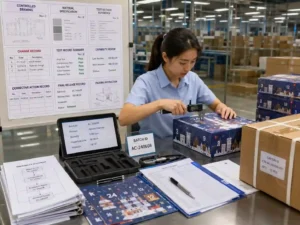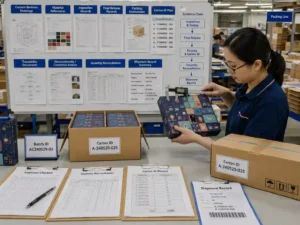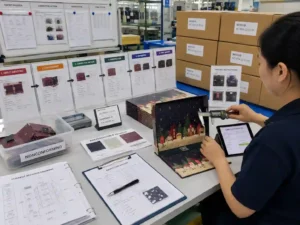
A custom advent calendar box project is not only a holiday packaging idea. For a brand, it is a seasonal retail project that connects product planning, packaging structure, artwork, sampling, production timing, quality control, export packing, and launch schedule. If one part is delayed, the whole campaign can become rushed.
For overseas B2B buyers, the best time to plan is before the peak season pressure starts. A clear brief helps your packaging supplier understand your product size, quantity range, display purpose, retail channel, artwork requirements, and packing method. It also helps you compare quotations more accurately instead of choosing only by unit price.
This guide explains how to plan a custom advent calendar box project from the first sourcing brief to bulk production. It is written for brand owners, purchasing managers, product developers, promotion teams, and retail packaging buyers who need a practical process, not a consumer gift story.
If you are still comparing suppliers, you can also review Giftpackpro as a custom advent calendar boxes manufacturer, explore our custom advent calendar box services, or browse more advent calendar box buying guides before sending a request.
1. Start With the Retail Purpose, Not Only the Box Shape
Before discussing materials or printing, define what the advent calendar should do for your brand. Different retail goals require different structures. A premium beauty set, a chocolate countdown calendar, a toy surprise box, and a sample promotion kit may all be called advent calendars, but their packaging needs can be very different.
Ask these questions at the beginning:
- Will the box be sold as a finished retail product or used as a promotional gift?
- Will it sit on a shelf, hang on a display, ship directly to consumers, or be packed into export cartons?
- How many doors, drawers, trays, or compartments are needed?
- Are the products fragile, heavy, liquid-filled, food-related, or irregular in shape?
- Does the project need barcode labeling, retail stickers, batch codes, or other supply-chain information?
- What is the expected selling season and latest warehouse arrival date?
This first step is important because packaging structure should follow the commercial use. A box designed only to look attractive in a rendering may fail in assembly, packing, shipping, or retail handling. For a seasonal project, practical planning matters as much as the visual concept.
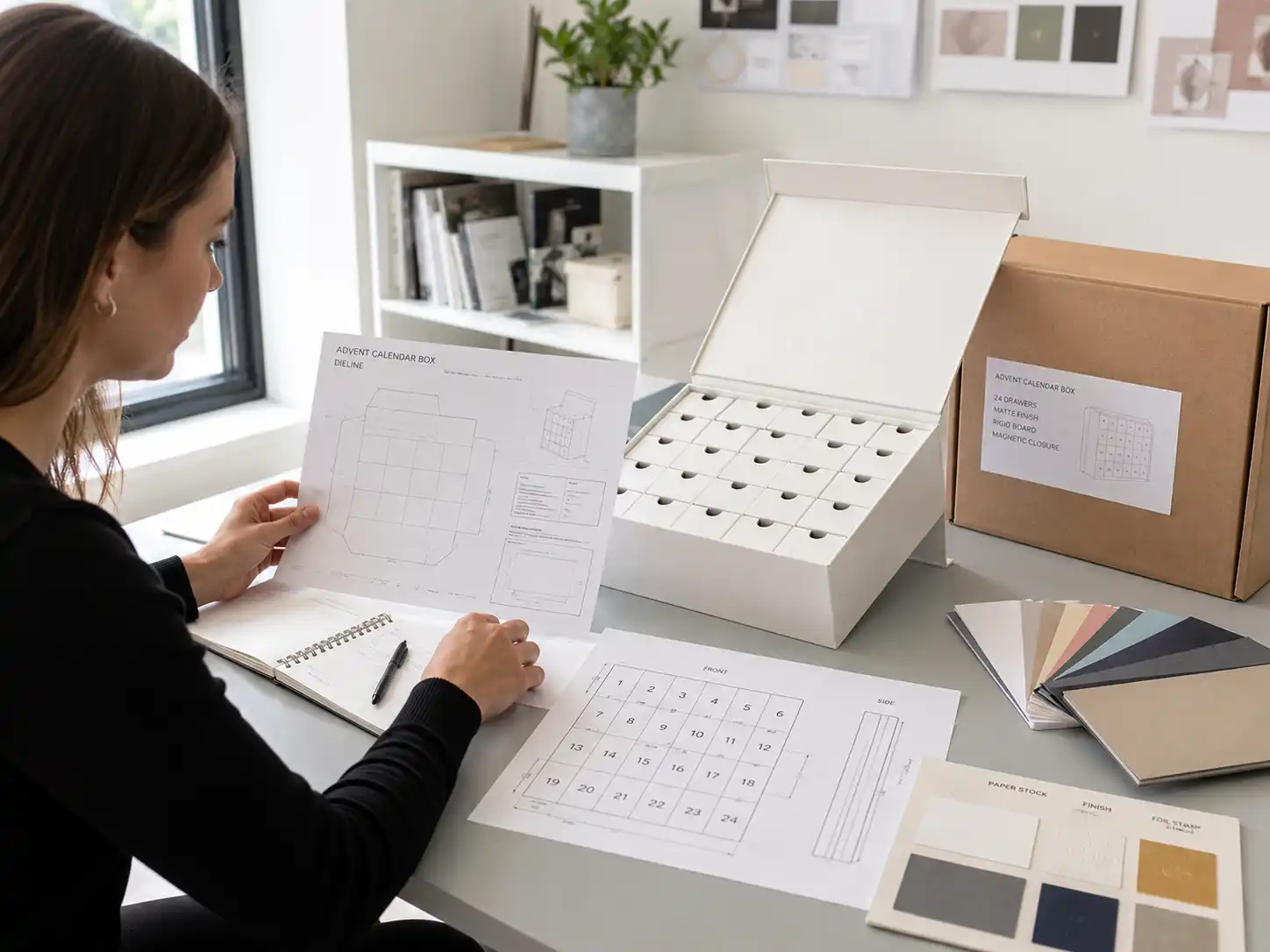
2. Choose the Right Advent Calendar Box Structure
The structure is the foundation of the project. It affects tooling, dieline design, material usage, sample cost, assembly labor, MOQ factors, packing volume, and production time. A simple flat paperboard calendar may be faster and more economical, while a rigid drawer-style calendar may create a more premium retail feel but usually requires more handwork.
Common custom advent calendar box structures include door-opening calendars, drawer calendars, sleeve-and-tray calendars, book-style rigid calendars, foldable rigid calendars, magnetic closure calendars, and paperboard compartment calendars. The best choice depends on product weight, target price level, shipping method, and how much unboxing experience the brand wants to create.
| Structure Option | Best For | Buyer Notes |
|---|---|---|
| Door-opening paperboard calendar | Lightweight items, chocolate, small samples, seasonal retail promotions | Usually efficient for larger seasonal runs, but product fit and insert strength must be checked carefully. |
| Drawer-style advent calendar | Beauty, fragrance, jewelry, tea, small gifts, premium sample sets | Creates a stronger unboxing experience, but drawer quantity and assembly details can affect cost and timing. |
| Rigid book-style calendar | Premium gift sets and brand campaigns | Good for presentation value, but confirm weight, hinge area, magnetic closure, and export packing protection. |
| Sleeve-and-tray calendar | Compact gift sets and simple countdown packaging | Can be clean and retail-friendly, but the sleeve fit and tray tolerance should be tested with real products. |
| Foldable rigid calendar | Projects that need premium appearance with better shipping efficiency | May reduce shipping volume compared with non-foldable rigid boxes, depending on structure and assembly plan. |
Do not choose the structure only from a photo. Ask the supplier how the box is assembled, how products are loaded, how inserts hold the items, and how finished cartons are packed for export. A good supplier should be able to explain these details clearly.
3. Prepare Product Details Before Asking for a Quotation
A useful quotation depends on useful information. If the buyer only sends a rough idea such as “we need a custom advent calendar,” the supplier must make many assumptions. This can lead to quotation differences that are not easy to compare.
Before asking for a quotation, prepare these details as clearly as possible:
- Product dimensions and weight for each item going inside the calendar.
- Number of compartments, drawers, doors, or cavities.
- Preferred box style, opening method, and retail display direction.
- Estimated order quantity or quantity range.
- Artwork status, such as ready design, rough concept, or need for dieline first.
- Material preference, such as paperboard, corrugated board, rigid board, kraft paper, or specialty paper.
- Printing and finishing expectations, such as CMYK printing, matte lamination, foil stamping, embossing, spot UV, or window patching.
- Packing requirements, including individual polybag, inner carton, master carton, palletization, or retail labeling.
- Destination country and expected delivery schedule.
For paper sourcing, some buyers may ask about responsible paper options or chain-of-custody requirements. If this matters for your project, discuss it early and refer to general resources such as FSC for responsible forest management terminology. Do not assume a certification is available unless the supplier confirms it for the specific project.
4. Plan the Insert Before Finalizing the Outer Box
The insert is often the hidden part that decides whether the box works well. In a custom advent calendar box project, inserts may be made from paperboard, corrugated board, molded pulp, EVA, PET, blister tray, or other materials depending on the product type. For many B2B packaging projects, paper-based inserts are preferred when brands want a more recyclable or paper-focused solution, but the final choice should match the product’s weight and protection needs.
The insert should hold each item in place, support the opening experience, and prevent product movement during transport. If the insert is too loose, items may shift. If it is too tight, packing becomes slow or products may be damaged during loading. This is why real product samples or accurate product drawings are very helpful before sample making.
For mixed-product calendars, provide a clear product map. Label each item by day number, compartment size, and loading direction. This avoids confusion when the supplier prepares the dieline, sample, and assembly instructions.
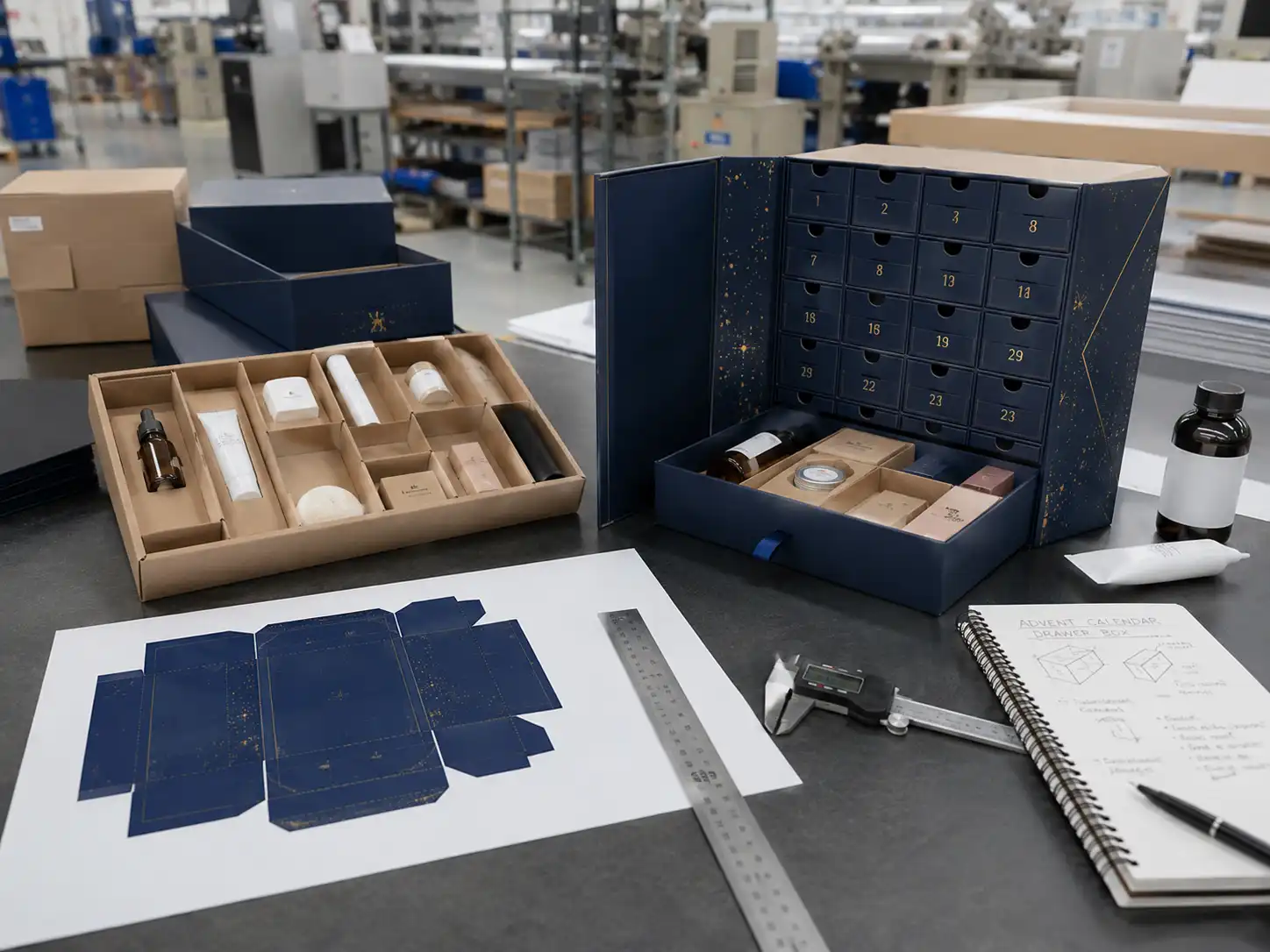
5. Understand Dieline, Artwork, and Sample Approval
The dieline is the technical layout that defines the cutting, folding, gluing, and printing areas of the box. For a custom advent calendar, the dieline may include the outer box, doors, drawers, trays, dividers, inserts, sleeves, labels, and other components. This is more complex than a simple folding carton.
A practical workflow usually looks like this:
- The buyer sends product dimensions, structure reference, and quantity range.
- The supplier suggests structure options and confirms feasibility.
- A dieline is prepared based on the selected structure.
- The buyer places artwork onto the dieline according to print areas and safe margins.
- A blank sample or printed sample is made for checking structure, fit, and appearance.
- The buyer reviews the sample and sends comments before bulk production.
During artwork preparation, check the front display area, side panels, back panel, barcode area, legal text area, opening instructions, and any retail labeling space. If the calendar will be sold through retail channels, barcode and supply-chain labeling may need to follow buyer or retailer requirements. General barcode and retail identification information can be reviewed through GS1 standards.
6. Think About MOQ and Cost Factors Realistically
MOQ is not only a number on a price list. It depends on structure, material, printing method, finishing, tooling, assembly labor, and supplier production arrangement. For custom advent calendar boxes, MOQ is usually around 300-500 pcs depending on structure, but buyers should confirm the actual requirement with the supplier for each project.
A simple paperboard calendar may have different MOQ considerations from a rigid drawer calendar with many handmade parts. Special paper, foil stamping, custom inserts, multiple drawer sizes, magnetic closures, or complex finishing may also affect the starting quantity and unit cost.
When comparing prices, ask what is included in the quotation. A low unit price may not include sample cost, tooling, insert, finishing, packing method, export carton, or delivery terms. For a fair supplier comparison, request a detailed quotation instead of only asking for the cheapest price.
| Quotation Item | Why It Matters | What Buyers Should Confirm |
|---|---|---|
| Box structure | Different structures have different material and labor requirements. | Confirm whether the quoted price matches the exact style you need. |
| Insert material | Insert choice affects product protection and loading efficiency. | Ask whether insert cost is included and what material is used. |
| Printing and finishing | Foil, embossing, lamination, and spot UV can change cost and timing. | List all finishing requirements clearly before quotation. |
| Sample | Sampling checks structure, artwork, and product fit before production. | Confirm whether the sample is blank, digital printed, or production-grade. |
| Export packing | Packing affects shipping safety and carton volume. | Ask for carton packing method, carton size estimate, and protection plan. |
| Delivery terms | Price comparison is unclear if shipping terms differ. | Confirm whether the quote is ex-factory, FOB, CIF, DDP, or another term. |
7. Build a Seasonal Timeline With Buffer
Advent calendar projects are seasonal, so timing is critical. Buyers often need products ready before holiday retail windows, distributor deadlines, or campaign launch dates. Because custom packaging involves structure design, dieline preparation, sampling, artwork approval, material purchasing, printing, assembly, quality control, and export packing, the timeline should include enough buffer.
Do not wait until the final retail deadline to begin the project. Even when the supplier is efficient, buyers still need time for internal approval, design revision, product loading tests, sample shipping, and possible adjustments. For complex calendars with many components, one small change can affect the dieline, insert, and packing plan.
A safer planning method is to work backward from the required warehouse arrival date. Then reserve time for shipping, export packing, bulk production, sample approval, artwork correction, and structure confirmation. This approach helps reduce last-minute decisions and expensive urgent changes.
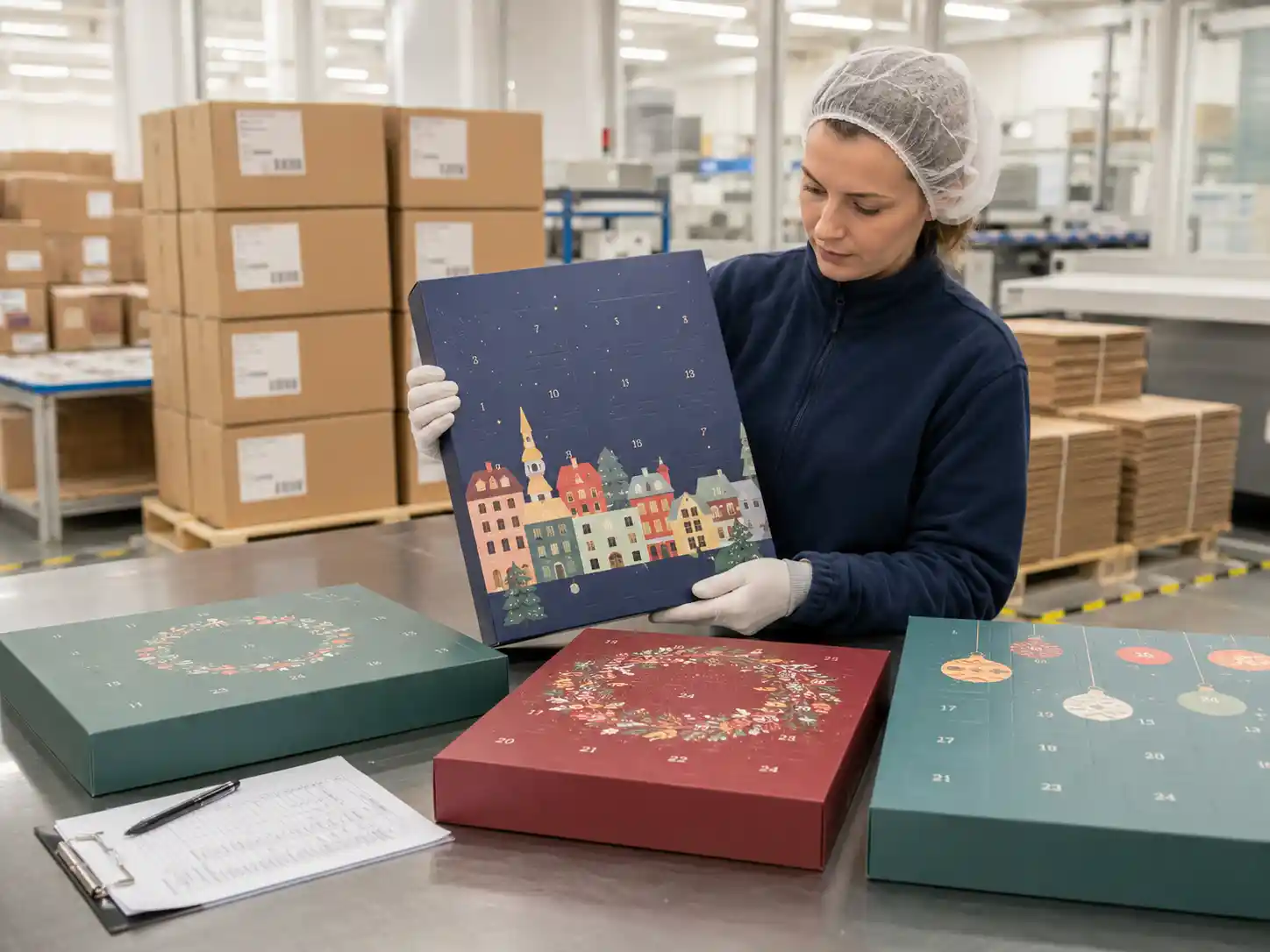
8. Quality Control Points Buyers Should Check
Quality control for a custom advent calendar box project should cover more than print color. Because the packaging has multiple openings, inserts, folds, drawers, or compartments, the buyer should define inspection points before bulk production.
Structural checks
- Box size matches the approved sample and dieline.
- Doors, drawers, sleeves, or magnetic closures open and close correctly.
- Insert cavities fit the actual products without excessive movement.
- Gluing areas are strong and clean.
- Edges, corners, and folds are neat enough for retail presentation.
Printing and finishing checks
- Artwork position matches the approved proof.
- Colors are within agreed tolerance based on the approved sample or color reference.
- Foil stamping, embossing, spot UV, or lamination are applied in the correct areas.
- No obvious scratches, stains, peeling, misregistration, or glue marks appear on visible surfaces.
Packing checks
- Each calendar is packed according to the agreed method.
- Inner and master cartons are strong enough for export handling.
- Carton marks, labels, and quantity information are correct.
- Finished cartons are arranged to reduce pressure damage during shipping.
If your company has its own inspection checklist, share it early. If not, ask the supplier what quality control steps they use during production. You can also learn more about the production background of the Giftpackpro packaging factory before discussing your project details.
9. Compare Suppliers by Capability, Not Only Unit Price
For seasonal packaging, the supplier’s communication and project handling ability can be as important as the factory price. A custom advent calendar involves many details, and unclear communication can lead to mistakes in structure, artwork, insert layout, or packing.
When comparing suppliers, consider these points:
- Can the supplier explain structure options clearly?
- Can they support dieline preparation and sample development?
- Do they ask practical questions about product size, weight, artwork, and packing?
- Can they provide clear quotation details instead of a vague total price?
- Do they understand export packing and international buyer requirements?
- Do they communicate risks, limitations, and alternatives honestly?
A good supplier should not only say “yes” to every idea. They should help you find a structure that can be produced, assembled, packed, shipped, and displayed properly. For B2B buyers, this practical support can reduce risk and save time during seasonal retail planning.
10. Information to Send When Requesting a Quote
When you are ready to contact a supplier, send a complete brief. This helps the supplier reply with a more useful quotation and reduces back-and-forth communication.
- Project name and target retail season.
- Product photos, dimensions, and weight.
- Number of items or compartments.
- Preferred box structure or reference images.
- Quantity range for quotation.
- Artwork status and branding requirements.
- Material and finishing preferences.
- Sample requirement and approval process.
- Destination country and packing requirements.
- Expected schedule or required delivery window.
You can contact Giftpackpro through our request a custom quote page if you already have these details. If the structure is not decided yet, our custom advent calendar box services page can help you understand what information is useful before quotation.
FAQ About Planning a Custom Advent Calendar Box Project
What information should I prepare before starting a custom advent calendar box project?
Prepare product dimensions, product weight, quantity range, preferred structure, number of compartments, artwork status, material preference, finishing requirements, packing method, destination country, and target retail schedule. The more complete your brief is, the easier it is for the supplier to suggest a practical structure and quotation.
Can I request a sample before bulk production?
Yes, sample approval is an important step for custom packaging. A sample helps check structure, product fit, insert design, opening method, artwork position, and overall appearance before bulk production. The exact sample type should be confirmed with the supplier.
What is the usual MOQ for custom advent calendar boxes?
MOQ depends on the structure, material, printing, finishing, insert, and production process. For many custom advent calendar box projects, MOQ is usually around 300-500 pcs depending on structure, but the actual MOQ should be confirmed case by case.
How should I compare quotations from different suppliers?
Compare the same structure, material, insert, printing, finishing, sample type, packing method, and delivery terms. Do not compare only the unit price if one quote includes more details than another. A clear quotation should explain what is included and what is not.
Why is the insert so important for advent calendar packaging?
The insert holds each product in position and affects the opening experience, packing speed, and transport safety. A poor insert can cause movement, damage, or difficult loading. For mixed-product calendars, an accurate product map is especially helpful.
When should brands start planning seasonal advent calendar packaging?
Brands should start early enough to allow time for structure discussion, dieline preparation, artwork placement, sampling, approval, production, quality control, export packing, and shipping. The best timeline depends on project complexity and destination requirements, so it should be discussed with the supplier before placing an order.
Need Custom Advent Calendar Boxes?
A successful custom advent calendar box project starts with clear planning. Structure, insert, artwork, dieline, sample approval, MOQ factors, bulk production, quality control, and export packing all need to work together before the seasonal retail deadline.
Giftpackpro supports overseas B2B buyers with custom paper packaging solutions for seasonal gift sets, advent calendar boxes, and retail packaging projects. To discuss your structure, quantity range, artwork, and packing needs, request a custom quote and share your project brief with our team.