What Are Rigid Advent Calendar Boxes?
Rigid advent calendar boxes are seasonal gift packaging structures made with thick greyboard or rigid paperboard, usually wrapped with printed paper, specialty paper, or laminated artwork. Compared with folding cartons, they feel more premium, protect products better, and support more complex opening experiences.
For B2B buyers, the key question is not only “Does it look nice?” The more important questions are: Can the structure hold the product weight? Can the insert keep every item in place? Can the dieline support efficient bulk production? Can the finished box survive export packing and retail handling?
Giftpackpro works with overseas brands, wholesalers, gift companies, and retail purchasing teams that need seasonal packaging with practical production details. If you are comparing options, start with the structure, insert, size, artwork process, MOQ, sample plan, and shipment method before confirming the final design.
For buyers planning a full project, the custom advent calendar box services page is a useful starting point, while the advent calendar box buying guides section can help your team compare structure and quotation decisions.
Common Structures for Rigid Advent Calendar Boxes
Rigid advent calendar boxes can be designed in many formats. The best structure depends on product size, product count, retail display needs, unboxing experience, target cost, and packing efficiency.
Drawer Advent Calendar Boxes
Drawer structures use multiple small pull-out trays or compartments. They work well for cosmetics, jewelry, candles, stationery, tea, chocolate, small toys, and promotional gift sets. The drawer format gives each item a separate position and allows a clear day-by-day opening sequence.
The buyer should confirm drawer quantity, drawer depth, pull tab style, insert strength, and whether each drawer needs a thumb notch, ribbon pull, paper pull tab, or printed number. A drawer box can look premium, but it also has more parts and usually requires careful sampling.

Door-Opening Advent Calendar Boxes
Door-opening boxes use perforated paperboard doors, rigid covers, or cut-out windows that buyers open one by one. This style is common for beauty products, food gifts, toys, and retail promotional calendars.
For door-opening designs, the dieline is very important. Each door should open smoothly without tearing the whole panel. If the product is heavy or fragile, a door-only paperboard structure may not be enough. The supplier may need to add a tray, paperboard divider, or molded insert behind the front panel.
Fold-Out Rigid Advent Calendar Boxes
Fold-out structures open like a book, double-door gift box, tri-fold display, or multi-panel presentation box. They are useful when the brand wants a strong shelf impact or a display-style reveal after opening.
This format is suitable for gift companies and retail campaigns that need a more premium presentation. However, fold-out boxes can take more space in cartons, so the export packing plan should be checked early.
Rigid Box with Paperboard Tray
Some rigid advent calendar boxes use a rigid outer shell with a paperboard or corrugated inner tray. This is a practical choice when the buyer wants a premium appearance but still needs a manageable cost.
The inner tray can be printed, plain white, kraft, black, or covered with a simple divider layout. For many B2B projects, this is a balanced option between appearance, protection, and production efficiency.
Rigid, Paperboard, or Hybrid: How Buyers Should Compare
Not every advent calendar project needs a fully rigid structure. Some projects need paperboard for cost control. Some need rigid board for gift value. Some need a hybrid structure to balance both.
| Structure Type | Best For | Main Buyer Consideration |
|---|---|---|
| Full rigid advent calendar box | Premium beauty, jewelry, candle, tea, and luxury gift projects | Higher unit cost, stronger presentation, more sampling details |
| Paperboard advent calendar box | Large-volume promotional gifts, lightweight products, retail campaigns | Cost control, door strength, folding accuracy, carton efficiency |
| Rigid outer box with paperboard insert | Mid-to-premium seasonal gift sets with multiple small items | Good balance between appearance, protection, and budget |
| Fold-out rigid box | Retail display, influencer kits, brand launch gift sets | Strong visual impact, but larger packing volume |
| Drawer box structure | Day-by-day gift reveal, cosmetics, stationery, tea, small accessories | Drawer fit, pull strength, product weight, assembly time |
If your team is not sure which structure fits your project, compare similar items on the custom advent calendar box products page and then request a custom quote with product size, quantity, and target market details.
Product Size and Compartment Layout Decisions
The size of rigid advent calendar boxes should start from the actual products, not from a rough visual idea. A buyer should measure the longest, widest, deepest, and heaviest item before confirming the box layout.
For example, a 12-day cosmetics calendar may include tubes, jars, bottles, brushes, and sachets. These products do not fit into the same compartment size. If every compartment is forced into one standard size, the box may become too large, or smaller products may move during shipping.
A better approach is to group products by size. Small items can share compact compartments. Tall bottles may need deeper drawers. Flat items can be placed in shallow sections. Fragile items may need tighter insert support or extra paperboard walls.
Questions to Prepare Before Layout Design
Before asking for a quotation, prepare the product list with size, weight, quantity, and special handling requirements. Mark which items are fragile, liquid-filled, food-related, or high-value. This helps the packaging factory suggest a practical insert and carton plan.
If your product is food, cosmetics, or a regulated item, confirm packaging contact requirements with your internal compliance team. For paper sourcing and chain-of-custody discussions, buyers can also review information from FSC. For quality management expectations, ISO 9001 quality management can be a useful reference when discussing supplier systems.
Insert Options for Rigid Advent Calendar Boxes
The insert is one of the most important parts of a rigid advent calendar box. A beautiful outer box can still fail if the insert is loose, weak, or difficult to assemble.
Paperboard Dividers
Paperboard dividers are common for tea, candy, stationery, candles, and lightweight gift items. They are cost-effective and can be printed or kept plain. The key is to confirm paper thickness, divider height, slot accuracy, and product movement after shaking.
Corrugated Inserts
Corrugated inserts are stronger than standard paperboard and work well for heavier gift items. They may be used inside rigid boxes when buyers need more compression strength or export protection.
EVA, Foam, or Molded Pulp Inserts
EVA and foam inserts are useful for fragile bottles, glass jars, tools, electronics accessories, or premium gift sets. Molded pulp may be considered when the project needs a more paper-based insert solution. Each insert type affects cost, lead time, appearance, and packing method.
Giftpackpro can help buyers compare insert options during structure planning. The custom advent calendar box services page explains how sampling, artwork, insert planning, and bulk production fit together.
Customization Process: From Dieline to Sample
A rigid advent calendar box project usually begins with product details and ends with an approved sample. The process should not start with final artwork only. Structure and dieline decisions must come first.
Step 1: Confirm Product List and Box Purpose
Tell the supplier whether the box is for retail shelf display, e-commerce gift delivery, wholesale distribution, corporate gifting, or a seasonal promotion. The same box design may need different packing and protection depending on the sales channel.
Step 2: Create the Structure and Dieline
The dieline should show drawer size, door position, folding panels, glue areas, board thickness, insert slots, artwork bleed, and numbering locations. For rigid advent calendar boxes, small errors in the dieline can cause drawer friction, uneven door openings, or poor insert fit.
Step 3: Review Artwork and Surface Finishing
Common finishing choices include matte lamination, gloss lamination, soft-touch film, foil stamping, spot UV, embossing, debossing, and textured paper. Buyers should avoid adding too many finishes if the target budget is strict. A clean design with one strong finishing detail often works better than a crowded surface.
Step 4: Make and Test the Sample
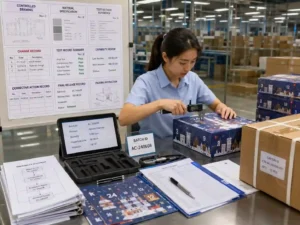
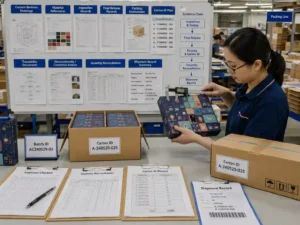
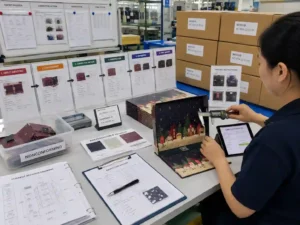
The sample should be checked with product dummies or real products. Do not only inspect the outside appearance. Open every drawer or door, test the insert fit, check product movement, confirm numbering order, and review carton packing.
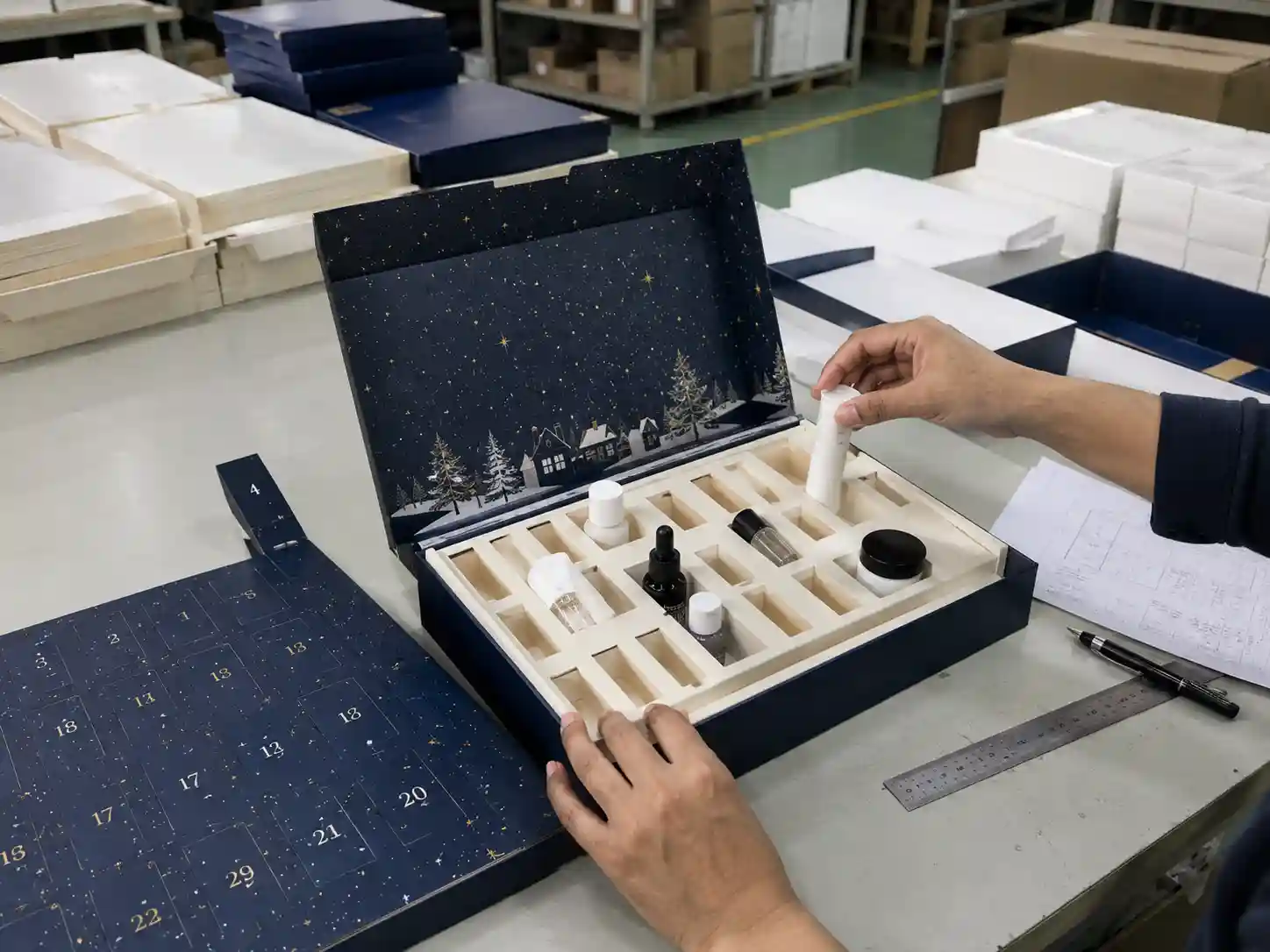
If your team needs structure support before artwork is finished, you can work with a custom advent calendar boxes manufacturer such as Giftpackpro to develop a practical layout first, then apply the final brand artwork after the dieline is stable.
MOQ, Lead Time, and Bulk Production Tips
MOQ for custom rigid advent calendar boxes usually depends on structure, material, printing, finishing, insert type, and production complexity. A simple paperboard calendar may have a different MOQ from a drawer-style rigid box with several custom inserts.
Lead time also depends on the season. Advent calendar projects are highly seasonal, so buyers should not wait until the final quarter to confirm samples. For Christmas, holiday retail, beauty campaigns, and gift programs, earlier sampling gives the team more room to adjust size, inserts, artwork, and export packing.
Practical Example: Beauty Gift Calendar
A beauty brand may need a 24-day rigid advent calendar box with mixed-size products. The buyer should prepare bottle sizes, jar sizes, sachet dimensions, product weights, artwork files, finishing preferences, and target carton quantity. The supplier can then suggest drawer sizes, insert options, and a realistic sample plan.
Practical Example: Tea or Coffee Calendar
A tea or coffee project may use paperboard dividers inside a rigid outer box. The buyer should confirm whether sachets, tins, capsules, or sample bags are included. Food-contact requirements, inner wrapping, and export carton protection should be checked before mass production.
Practical Example: Retail Promotional Calendar
A retailer may need neutral seasonal gift packaging for multiple product categories. In this case, the structure should be easy to display, easy to open, and efficient to pack. The design should avoid over-complicated compartments if store teams need fast handling.
Quality Control Points Buyers Should Not Skip
Quality control for rigid advent calendar boxes should include both appearance and function. A box can look good in photos but still have problems in bulk production if the drawer fit, glue strength, or insert accuracy is unstable.
Key QC Checks
Check board thickness, wrapping alignment, corner quality, glue marks, drawer sliding, door perforation, color consistency, foil stamping position, insert fit, product movement, carton strength, and barcode or shipping mark accuracy.
For export orders, buyers should also confirm master carton size, gross weight, pallet plan, moisture protection, and carton drop resistance if required. If the box will be sold through retail channels, shelf presentation and barcode placement should be reviewed before production.
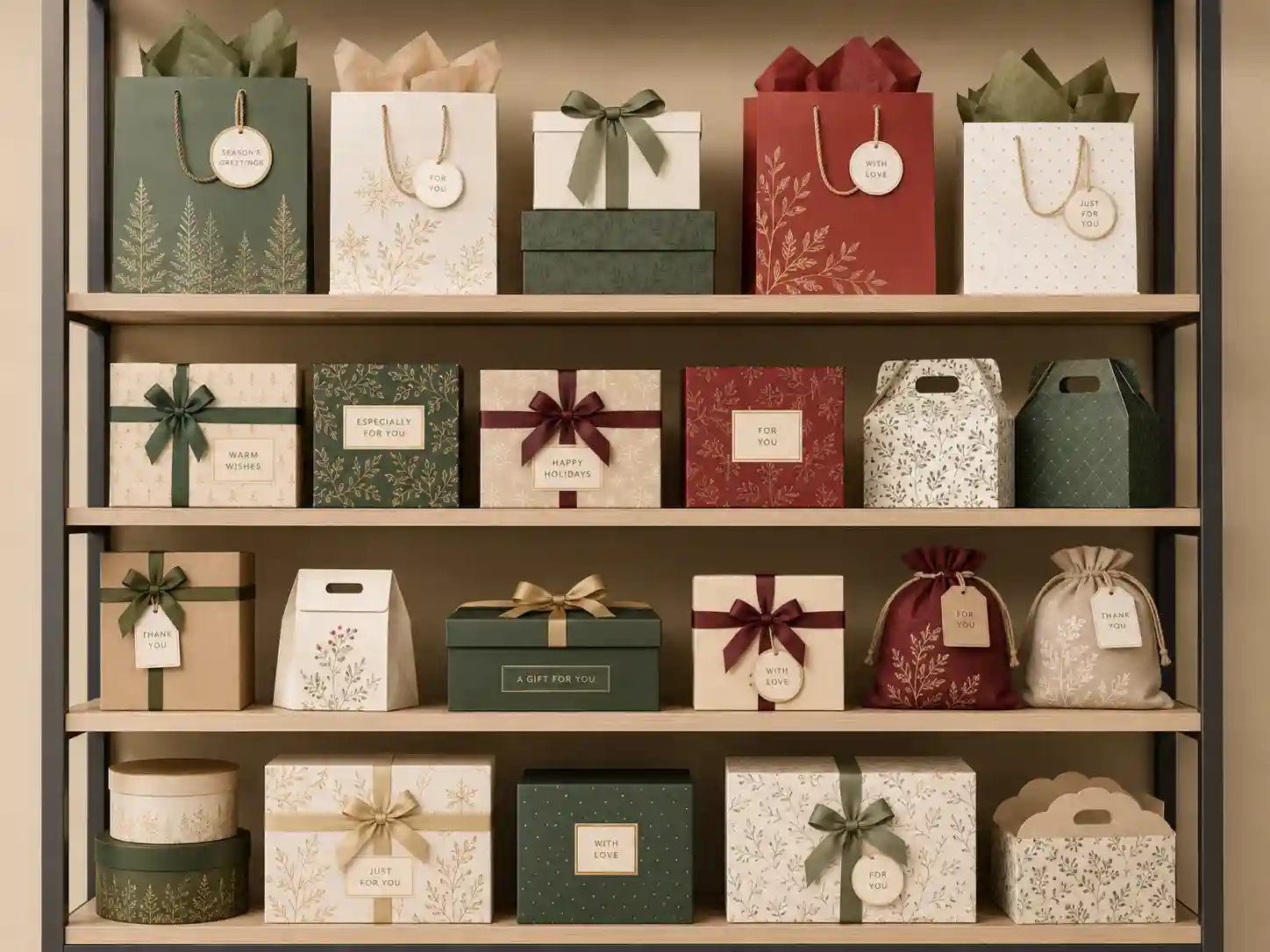
The Giftpackpro packaging factory page gives more context about production support, and buyers can request a custom quote when they are ready to compare structure, sample, and bulk order details.
What to Include When Requesting a Quote
A clear quotation request helps the supplier respond faster and reduces back-and-forth communication. Instead of asking only for “a price for rigid advent calendar boxes,” send a more complete brief.
Recommended Quote Details
Include the product list, product size, product weight, number of days or compartments, target box size, preferred structure, artwork status, insert preference, surface finishing, order quantity, delivery country, packing requirements, and expected launch date.
If you do not know the final structure yet, explain the project goal. For example: “We need a 12-day rigid advent calendar box for small skincare products, suitable for retail shelves in Europe, with a premium but cost-controlled structure.” This gives the supplier enough direction to suggest options.
Buyer Tips for Better Project Control
Rigid advent calendar boxes involve more decisions than standard gift boxes. The best results usually come from early structure planning, realistic cost control, and careful sample testing.
Do Not Finalize Artwork Before the Dieline
Artwork should follow the confirmed dieline. If the structure changes after artwork is designed, the numbering, panel layout, and visual balance may need to be revised.
Check the Real Product Fit
Product dummies are useful, but real products are better for final confirmation. If the actual product is heavy, fragile, liquid-filled, or irregular in shape, the insert should be tested carefully.
Balance Premium Appearance and Packing Efficiency
A large fold-out rigid box may look impressive, but it may increase carton volume and freight cost. A smaller drawer structure may reduce shipping volume, but it may require more assembly work. Buyers should compare total project cost, not only unit box price.
Plan Earlier for Seasonal Demand
Advent calendar packaging has strong seasonal timing. Sampling, artwork adjustment, material purchasing, bulk production, quality inspection, and export shipping all need time. Early planning gives the purchasing team more control.
Final Thoughts for B2B Buyers
Rigid advent calendar boxes are a strong choice for premium seasonal gift packaging, but the structure must match the product list, sales channel, budget, and export plan. Drawer, door-opening, paperboard, fold-out, and hybrid formats each have different advantages.
For a successful project, prepare product dimensions, compartment requirements, insert preferences, artwork files, target quantity, and shipping details before requesting a price. If your team needs more planning support, review Giftpackpro’s advent calendar box buying guides, explore custom advent calendar box products, or request a custom quote for your next seasonal packaging project.