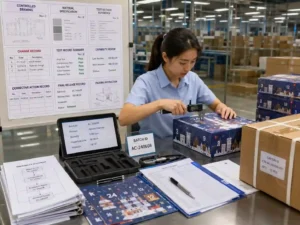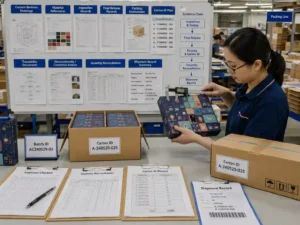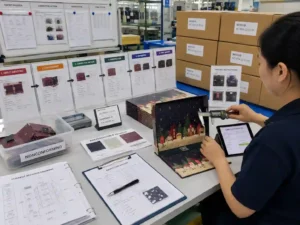
Quick answer: Packaging factory experience is best verified through records that show repeated control of complex projects, not only finished samples. Useful evidence includes production drawings, purchase orders, material records, inspection reports, capacity plans, approval documents, and corrective-action records. For multi-component packaging such as advent calendar boxes, these documents help buyers confirm whether a supplier understands component coordination, production control, subcontracting risks, and quality responsibilities.
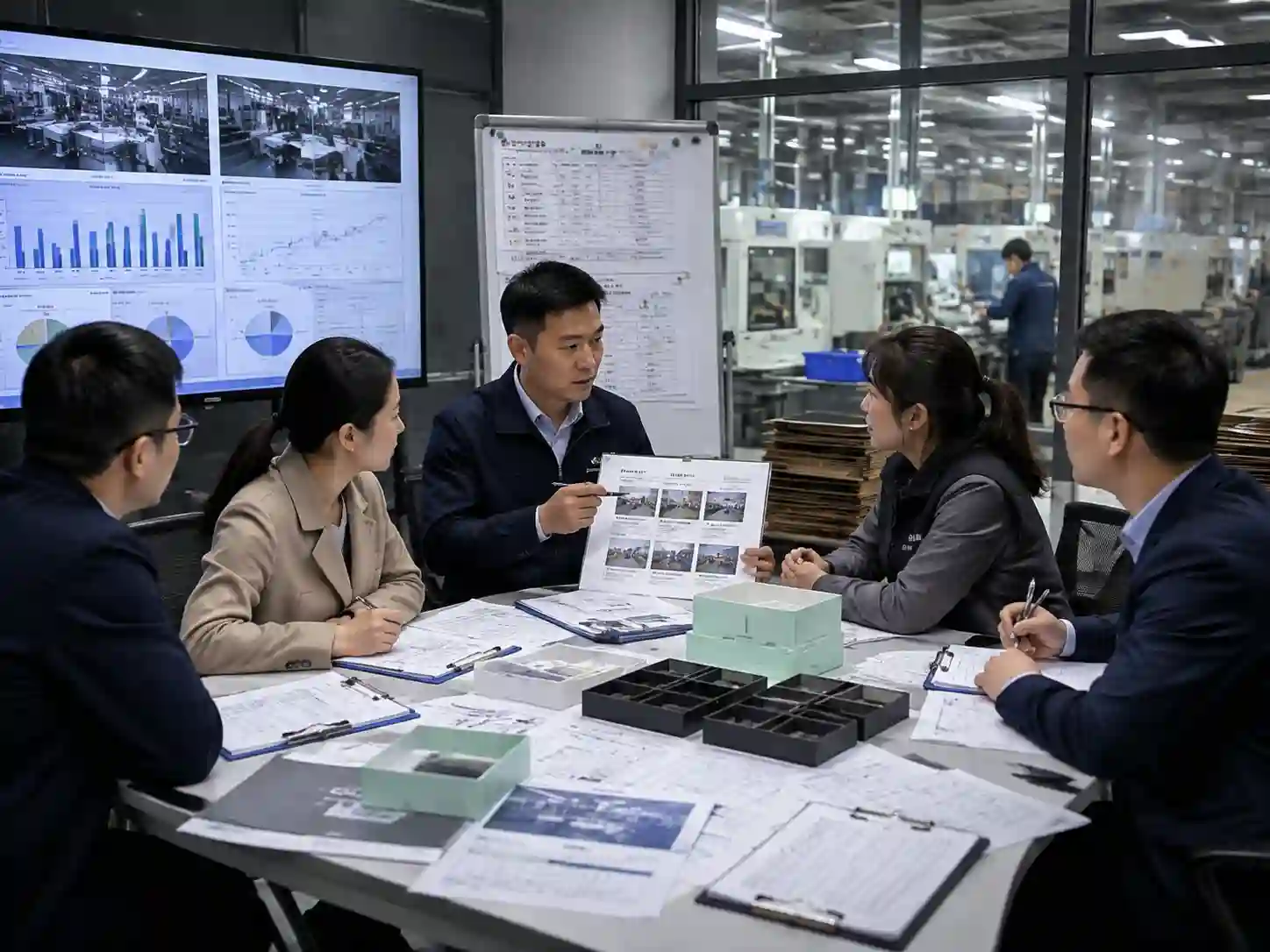
What packaging factory experience records should buyers review?
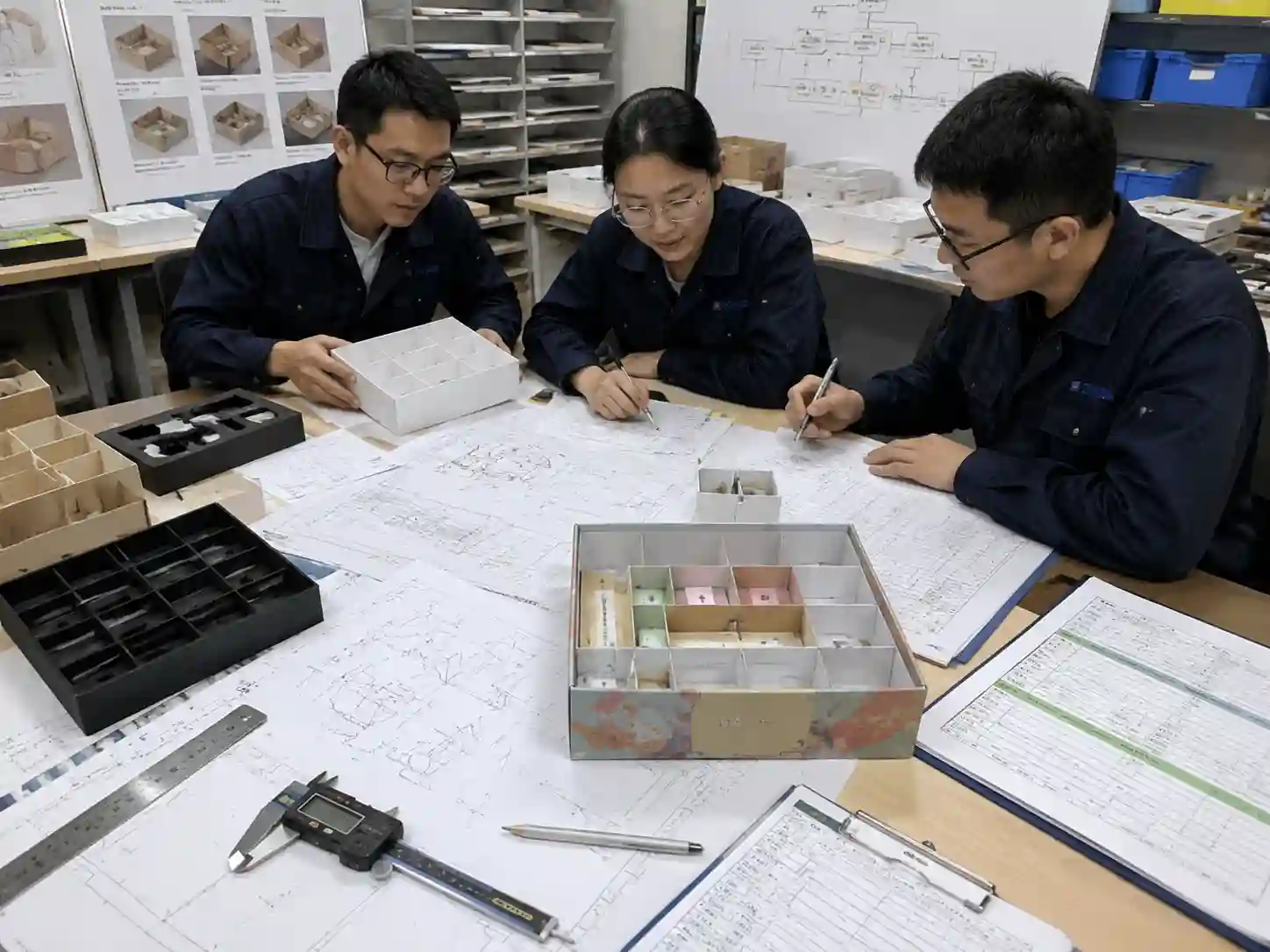
The most useful packaging factory experience records are documents that connect a past project from design approval through production and inspection. They show whether the supplier has managed multiple components, production steps, and quality checkpoints in a controlled way.
Buyers should review evidence such as:
- Approved structural drawings and revision records
- Material specifications and purchasing records
- Production schedules and capacity planning documents
- Purchase orders or project order records with sensitive commercial details removed
- Inspection plans and quality check reports
- Corrective-action records for previous production issues
- Final approval samples or retained reference samples
For complex packaging, a factory should be able to explain how different parts are controlled together. A calendar box, for example, may involve outer structures, drawers, inserts, printed components, decorative finishes, and packing processes that must remain coordinated.
How do factory records prove experience with multi-component packaging?
Records prove experience when they demonstrate repeatable processes rather than only showing a finished product photo. The buyer should look for evidence that the supplier manages relationships between components, suppliers, and production stages.
Do production drawings show real capability?
Yes. Structural drawings and revision histories show whether the factory understands dimensional control, assembly requirements, and design changes. They can reveal whether the supplier has experience handling complicated packaging structures instead of producing simple standard cartons only.
Do purchase orders and material records verify project control?
Purchase orders and material records help confirm whether the supplier understands planning, sourcing, and responsibility boundaries. Buyers should check whether materials, components, and production steps are linked to a specific approved project requirement.
| Record type | What it can verify | Buyer check |
|---|---|---|
| Structural drawings | Design interpretation and component coordination | Check revision control and approval history |
| Material records | Material sourcing and specification control | Confirm materials match approved requirements |
| Production schedules | Capacity planning and workflow management | Review how multiple production stages are coordinated |
| Inspection records | Quality control activities | Check measurement points and acceptance criteria |
| Corrective-action reports | Problem-solving capability | Review whether issues were documented and closed |
Which records help verify subcontracting control?
Subcontracting risks can be evaluated through records showing who controls each production step. A capable supplier should clearly identify which processes are completed internally and which may involve outside partners.
Useful evidence includes:
- Process flow documents showing production responsibility
- Supplier management records for outsourced processes
- Incoming inspection records for externally produced components
- Approval procedures before subcontracted parts enter production
The goal is not to eliminate all subcontracting. Some projects may require specialized processes. The important point is whether the main supplier maintains quality ownership and traceability.
How can inspection records confirm production experience?
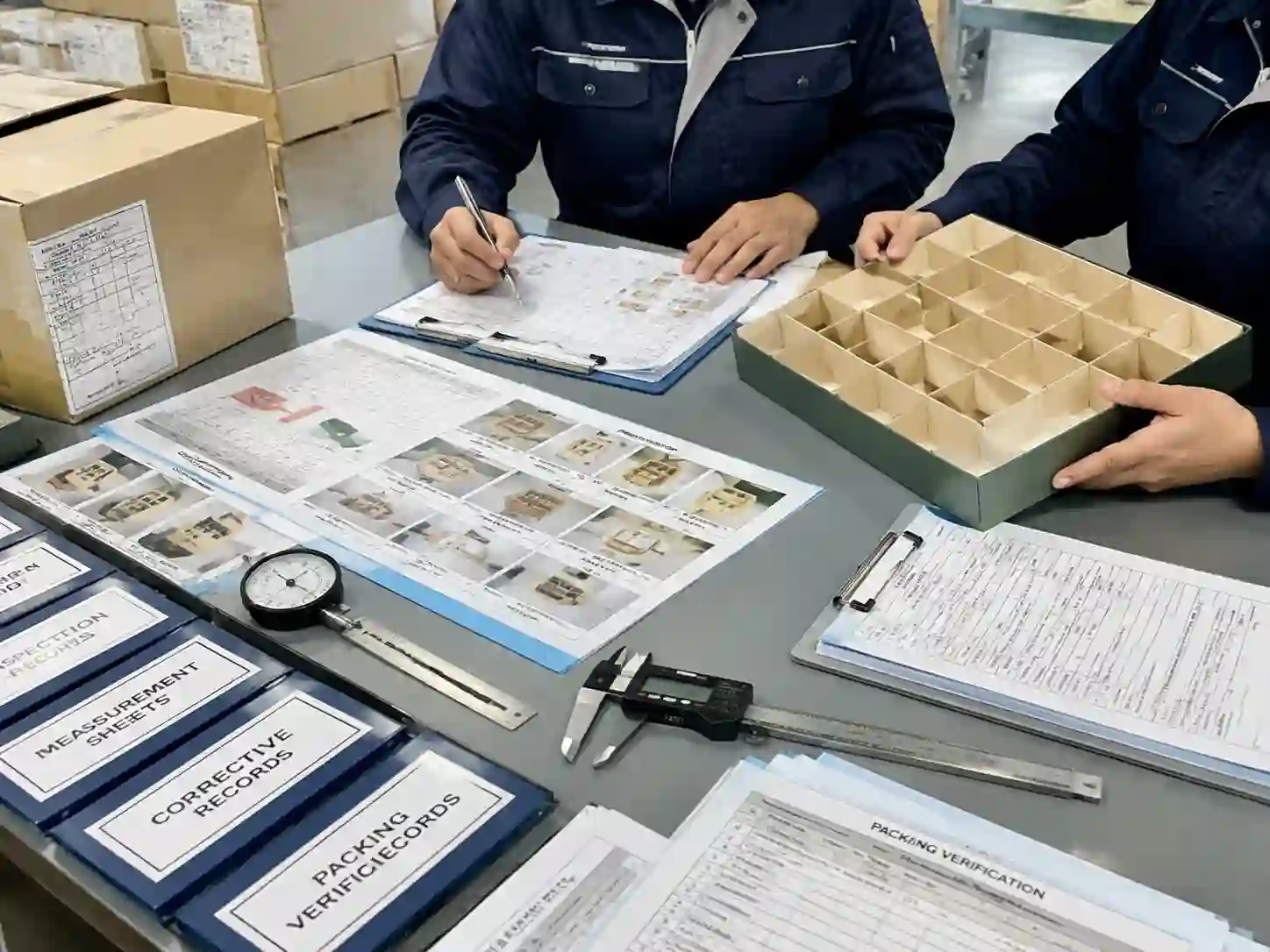
Inspection records show whether the factory measures and controls important packaging functions. For multi-component packaging, inspection should cover more than appearance.
Depending on the project, buyers may review:
- Dimensional measurement records
- Component alignment checks
- Assembly function checks
- Surface quality inspections
- Packaging and packing verification records
Project requirements vary, so inspection methods should be matched to the packaging structure, materials, and intended use. Buyers should confirm that inspection points are defined before mass production approval.
What supplier records should be included in a factory verification checklist?
A supplier verification checklist should focus on evidence that can be reviewed and confirmed, rather than general claims about experience.
- Previous project documentation showing similar packaging complexity
- Current production process records
- Material and component control documents
- Inspection procedures and quality records
- Change-control procedures
- Corrective-action examples
- Production capacity planning information
Buyers should separate verified facts from project recommendations. For example, a factory may have experience producing multi-component packaging, but the suitability for a specific project depends on structure, volume, materials, and required controls.
What are common sourcing risks when records are missing?
Missing records make it difficult to confirm whether a supplier has managed similar projects successfully. The main risk is relying on samples or presentations without understanding the production controls behind them.
A typical sourcing risk example is a supplier showing a finished multi-component package but unable to provide clear evidence of:
- How components were approved before production
- Who controlled outsourced processes
- How production changes were documented
- How defects were identified and corrected
Without these records, buyers have limited visibility into whether quality problems can be prevented during larger production runs.
How should buyers compare factory evidence before approval?
A simple evidence scorecard can help compare suppliers using documented information.
| Verification area | Strong evidence | Weak evidence |
|---|---|---|
| Design control | Drawings, revisions, approval records | Only product photos |
| Production control | Process records and schedules | General capability statements |
| Quality control | Inspection plans and reports | Final inspection only |
| Problem handling | Corrective-action documentation | No recorded improvement process |
This approach helps purchasing and quality teams make decisions based on traceable evidence instead of assumptions.
Frequently asked questions about packaging factory experience records
Can product samples prove factory experience?
Samples provide useful visual evidence, but they do not fully prove production control. Records are needed to understand how the sample was designed, approved, produced, and inspected.
Should buyers request all supplier records before cooperation?
No. The level of documentation depends on project complexity and commercial confidentiality. Buyers should request relevant evidence needed to verify capability and risk.
What records matter most for advent calendar box suppliers?
The most relevant records usually include structural approvals, component control documents, production planning, inspection records, and corrective-action evidence because these products require coordination between multiple parts.
Giftpackpro supports commercial buyers with custom advent calendar box development and supplier communication based on structured packaging requirements. Learn more about our custom advent calendar boxes manufacturer capabilities or request a custom quote for your project requirements.