When Are Door-Opening Advent Calendar Boxes the Right Choice?
Brands should choose door-opening advent calendar boxes when they need a seasonal gift package with many small product positions, strong visual storytelling, and a clear unboxing sequence.
This structure is especially useful for cosmetics, chocolate, tea, coffee, candles, jewelry, toys, samples, promotional gifts, and retail gift sets. Each door can hide one item, sample, message, coupon, or mini product.
For B2B buyers, the decision should not only depend on appearance. It should also consider MOQ, material cost, manual assembly, insert accuracy, printing, finishing, packing method, and shipment risk. A good supplier should help you compare these points before mass production.
Giftpackpro works as a custom advent calendar boxes manufacturer for brands, wholesalers, gift companies, and purchasing teams that need custom seasonal packaging with practical cost planning.
Choose This Structure When Product Quantity and Display Value Matter
Door-opening advent calendar boxes work best when the product set needs 12, 24, 25, or other numbered compartments. The front panel becomes both packaging and a marketing surface.
Compared with a simple folding carton, this style gives buyers more room for product storytelling. Compared with drawer-style boxes, it can sometimes reduce drawer production complexity, but it may require careful die-cutting and door alignment.
Good Application Examples
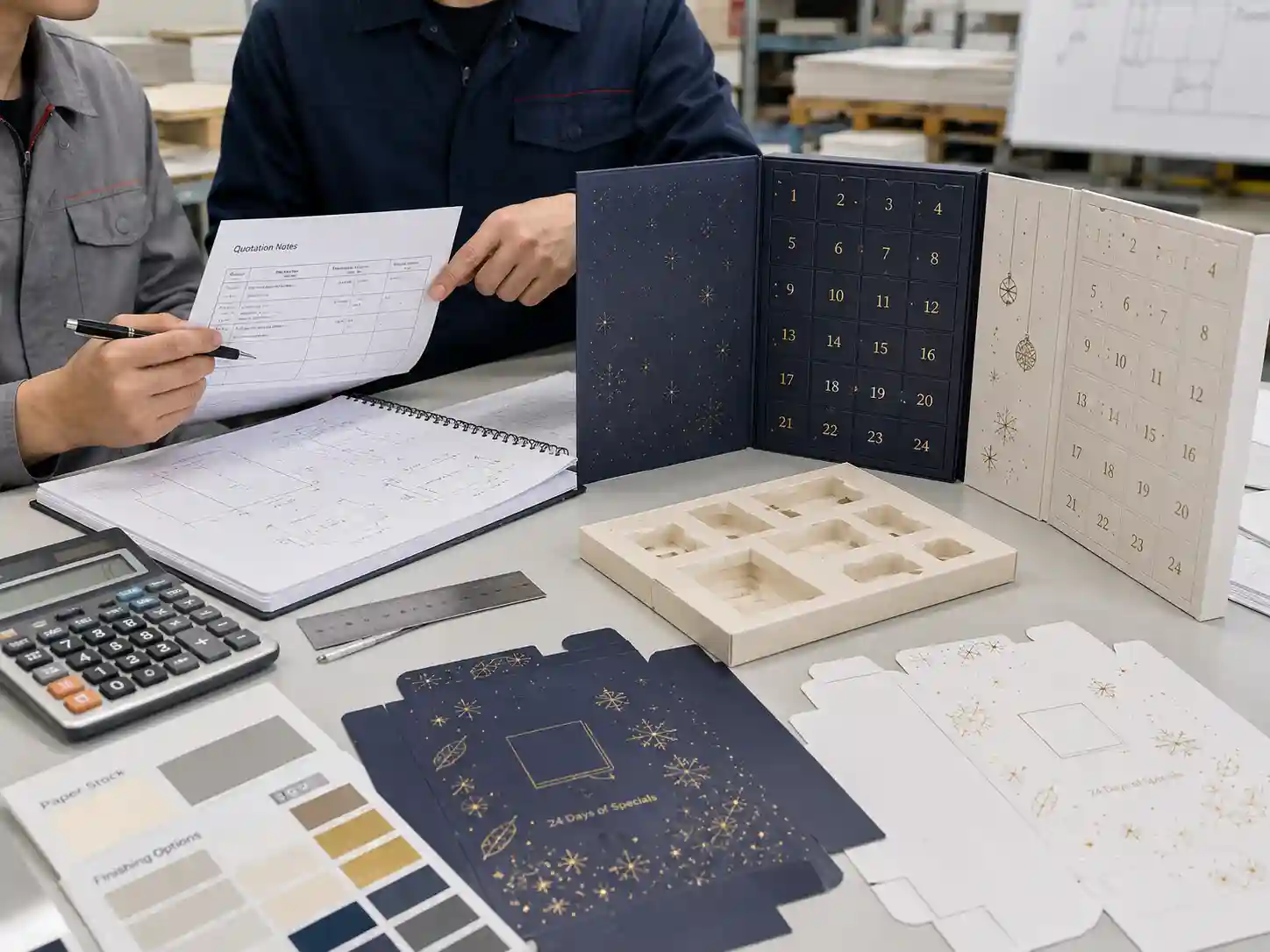
A skincare brand may use 24 doors for mini creams, serums, and masks. A chocolate brand may use food-safe cavities and simple numbered doors. A candle brand may use fewer doors with thicker compartments for heavier items.
If your project needs a premium shelf effect, countdown experience, or multiple small SKUs in one gift set, door-opening advent calendar boxes are usually worth reviewing during sample development.
Cost Factors Buyers Should Check Before Confirming the Structure
The cost of door-opening advent calendar boxes is shaped by more than box size. The main drivers include board thickness, paper surface, insert material, number of doors, printing coverage, finishing, assembly labor, packing style, and export carton plan.
Before requesting a quote, prepare product dimensions, product weight, quantity per box, target order quantity, artwork direction, and whether you need blank samples or printed samples. This helps the supplier calculate more accurately.
| Cost Item | What It Affects | Buyer Tip |
|---|---|---|
| Box size | Paper usage, shipping volume, carton size | Confirm product layout before enlarging the box. |
| Door quantity | Die-cut complexity and production control | Use only the number of doors needed for the product set. |
| Insert material | Product protection, cavity accuracy, unit cost | Choose paperboard, corrugated, molded pulp, EVA, or foam based on product weight and fragility. |
| Printing and finishing | Visual effect and production cost | Use foil, embossing, spot UV, or special paper only where it improves retail value. |
| Assembly method | Labor cost and lead time | Ask whether the box can be shipped flat or must be pre-assembled. |
| Export packing | Damage risk and freight cost | Plan master cartons and pallet loading early. |
MOQ Planning: Why Door-Opening Boxes Usually Need Early Cost Review
MOQ for door-opening advent calendar boxes depends on size, material, printing method, insert structure, and factory setup cost. For many custom paper packaging projects, the MOQ may start around several hundred pieces, but complex structures often become more cost-effective at higher quantities.
The reason is simple: custom dielines, printing setup, sample testing, hand assembly, and QC work all need preparation. A very small order may carry a higher unit cost because those setup costs are spread across fewer boxes.
If your project is still at the testing stage, ask for a blank structure sample first. If the structure is confirmed, move to a printed sample. Giftpackpro’s custom advent calendar box services can support structure review, material selection, sample planning, and production preparation.
When a Lower MOQ May Work
A lower MOQ may be easier when the box uses standard paper material, simple printing, fewer special finishes, and a less complicated insert. It also helps if your product size fits a common box format.
When a Higher MOQ Is More Realistic
A higher MOQ is more realistic when the project needs thick greyboard, complex door cutting, multi-layer inserts, food-contact material review, special finishing, or full manual assembly.
Material Choices That Affect Cost and Performance
Material choice should match the product weight and retail positioning. Light samples may work with paperboard inserts. Heavier candles, jars, or glass items may need stronger greyboard, corrugated support, or foam protection.
For buyers who need responsible sourcing claims, it is useful to discuss paper certification early. The official FSC website is a helpful reference for understanding forest certification terminology.
For quality management discussions, some buyers also ask whether the factory follows recognized production control systems. The official ISO 9001 quality management page explains the general standard background.
Customization and Process: Where Buyers Can Control Cost
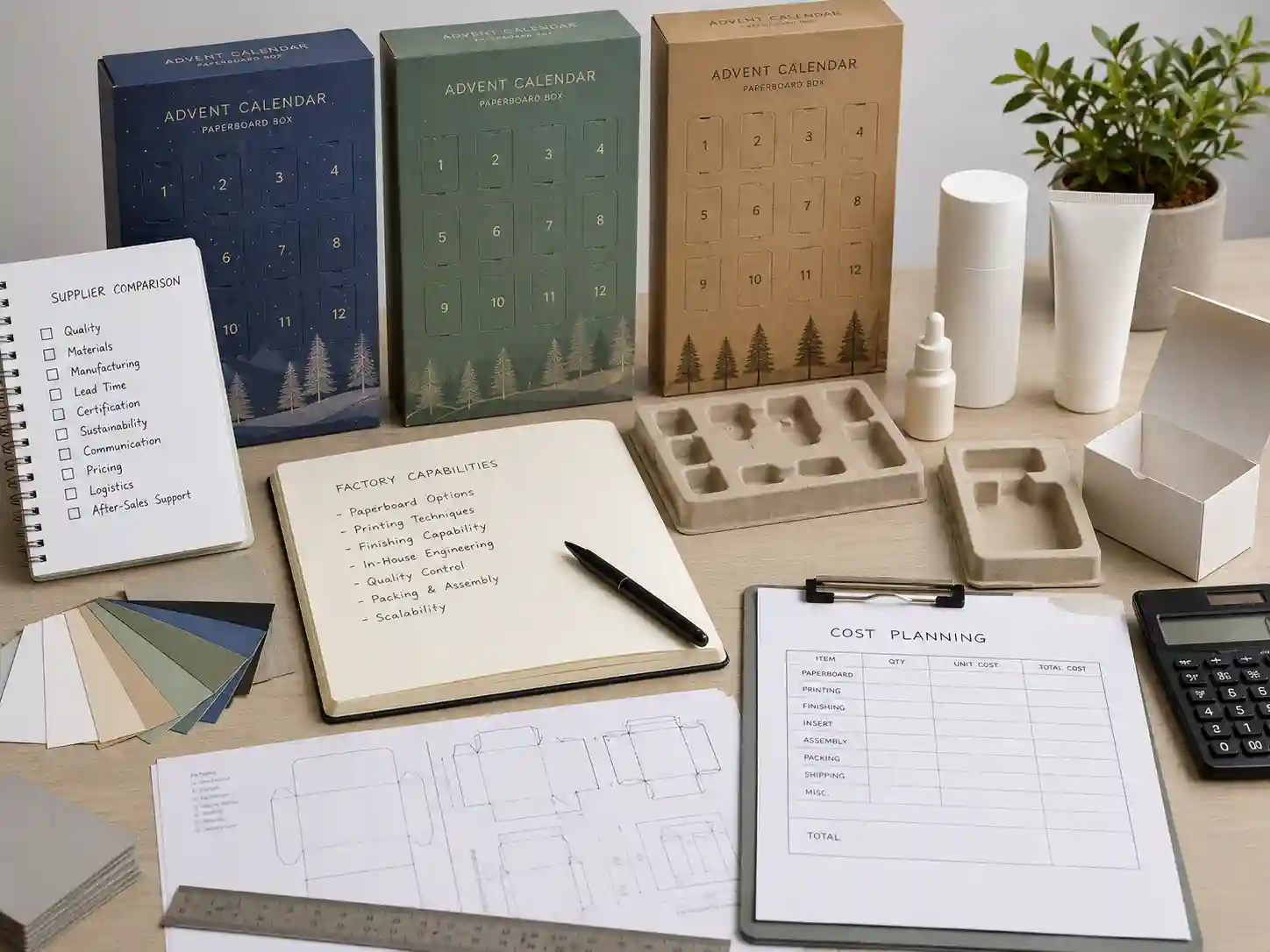
Customization does not always mean choosing the most expensive finish. Good cost control often comes from choosing the right structure first, then applying premium details only where they matter.
For example, a cosmetics advent calendar may use a clean printed surface with spot UV only on the logo area. A chocolate advent calendar may use simple CMYK artwork and focus the budget on accurate food-safe cavities. A jewelry gift set may use fewer doors, stronger inserts, and a premium paper surface.
Useful Ways to Reduce Cost Without Weakening the Box
Buyers can reduce cost by simplifying the door count, limiting foil stamping area, using one main paper texture, avoiding unnecessary magnetic parts, and choosing an insert that fits production speed.
It is also helpful to use a clear dieline approval process. Once the product size, cavity layout, and door positions are approved, later artwork changes become easier to manage.
You can review possible structures through custom advent calendar box products or discuss a custom specification through the request a custom quote page.
Quote Preparation: What to Send to the Supplier
A clear inquiry saves time and reduces repeated quotation revisions. For door-opening advent calendar boxes, buyers should prepare the following details before asking for pricing.
Basic Quote Information
Send the target box size, product size, product weight, number of compartments, order quantity, destination country, artwork status, packing requirement, and expected launch date.
Sample and Artwork Information
Tell the supplier whether you need a blank sample, digital printed sample, offset printed sample, or pre-production sample. If artwork is not ready, share a reference style, brand color direction, and product category.
Logistics and Packing Information
Confirm whether you prefer flat packing, semi-assembled packing, or fully assembled packing. Fully assembled boxes may save retail preparation time, but they usually increase carton volume and freight cost.
QC, Export Packing, and Shipment Planning
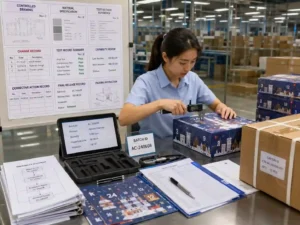
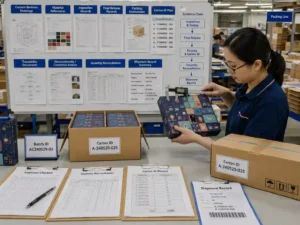
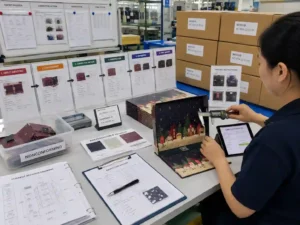
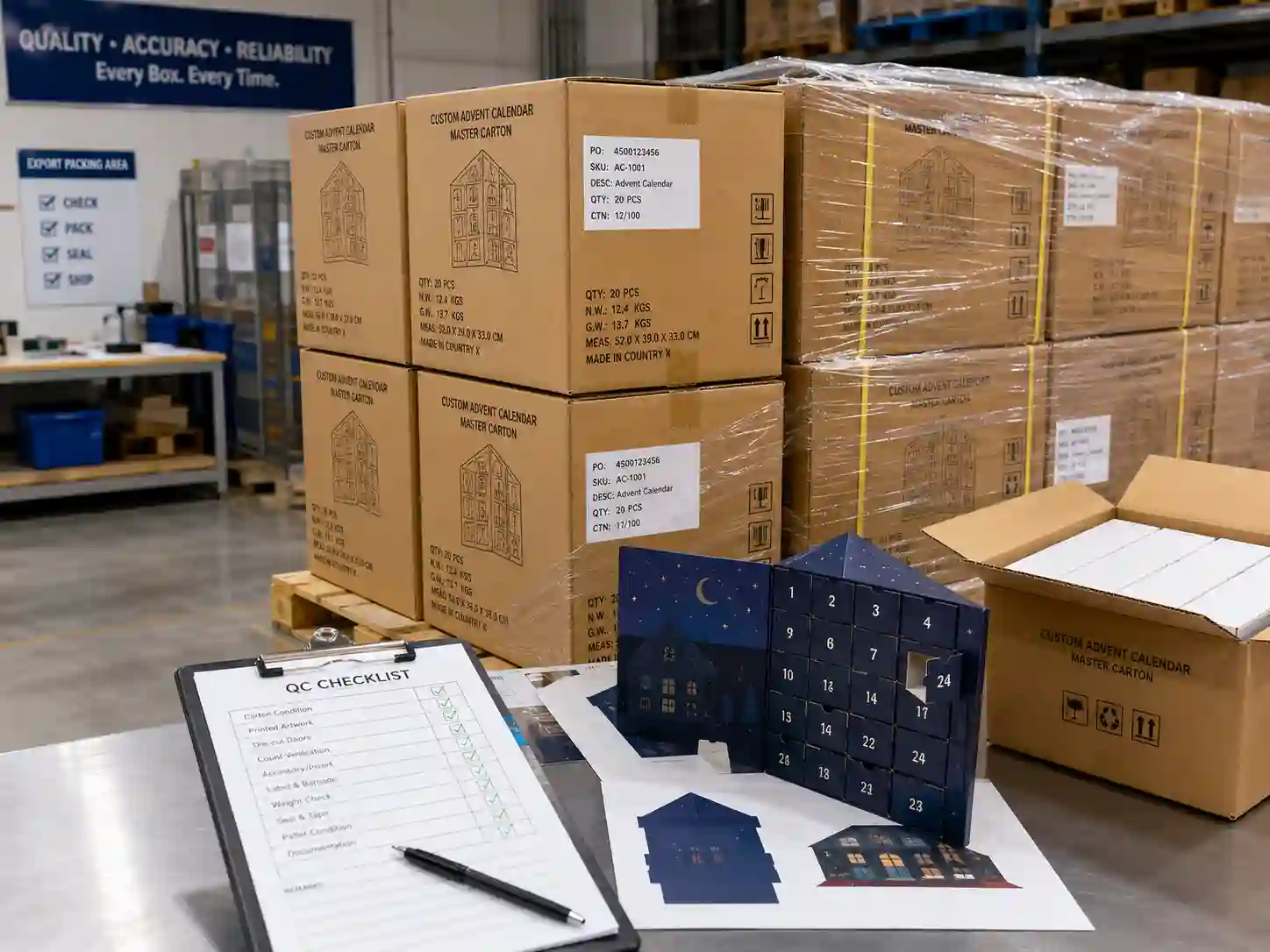
Door alignment, insert fit, glue strength, color consistency, and carton compression are important inspection points. If the doors are too tight, customers may tear the front panel. If the insert is too loose, products may move during shipment.
For export orders, the supplier should review master carton size, carton marking, pallet loading, moisture control, and drop-test expectations if required by the buyer. These details are part of real cost planning, not only final packing work.
Buyers can learn more from advent calendar box buying guides before preparing a new project. For factory capability, quality control, and export experience, the Giftpackpro packaging factory page is also useful.
When You Should Choose Door-Opening Advent Calendar Boxes
Choose this structure when your brand needs a strong front display, numbered product experience, multiple small compartments, and a seasonal gift format that can support retail storytelling.
Be more careful if your products are very heavy, highly fragile, irregular in shape, or require strict food-contact documentation. These projects can still work, but they need better insert planning and sample testing.
In short, door-opening advent calendar boxes are a good choice when the marketing value, product layout, and buyer experience justify the structure. The best results come from early discussion about MOQ, cost, material, labor, finishing, packing, and export requirements.
For a practical project review, send your product list, quantity plan, artwork direction, and destination market through request a custom quote. Giftpackpro can help compare structure options before you commit to bulk production.