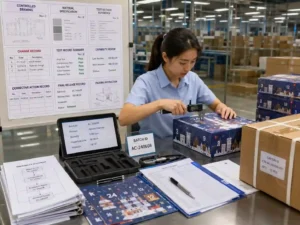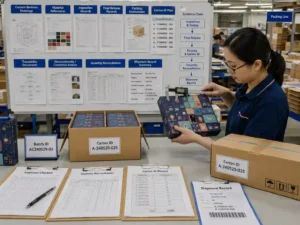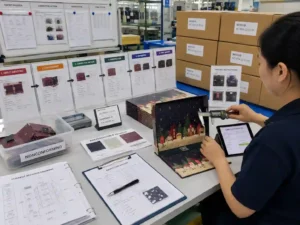
For B2B buyers, customizing compartment advent calendar boxes is not only about choosing colors or adding a logo. The real work is confirming the box structure, insert layout, product fit, artwork, sampling method, packing strength, and production approval before bulk manufacturing starts.
This guide explains how overseas brands, wholesalers, gift companies, retail buyers, and purchasing teams can manage sampling and prototyping for compartment advent calendar boxes with fewer revisions and clearer quotation details.
Why Sampling Matters for Compartment Advent Calendar Boxes
Compartment advent calendar boxes usually include multiple cavities, drawers, doors, trays, or inner dividers. A small mistake in compartment size may affect product loading, opening experience, packing efficiency, or retail presentation.
Before placing a bulk order, buyers should confirm whether the project needs a blank sample, a printed sample, or both. If you are comparing suppliers, the sampling stage also helps you evaluate structure accuracy, communication speed, material understanding, and export packing awareness.
Giftpackpro works as a custom advent calendar boxes manufacturer for B2B packaging projects where structure, inserts, artwork, and packing details need to be checked before mass production.
Start With Product and Application Requirements
The structure of compartment advent calendar boxes should be planned around the actual product, not only around the calendar format. A beauty set, chocolate set, toy accessory set, candle sample set, jewelry set, and stationery set may all require different insert logic.
Before asking for a sample or quote, prepare the basic product information:
- Product size for each item
- Product weight per compartment
- Total number of compartments
- Preferred opening style, such as doors, drawers, windows, or pull-out trays
- Retail channel, such as online sales, wholesale distribution, club store, or seasonal retail display
- Expected shipping method and export carton requirements
For example, a skincare brand may need rigid compartment advent calendar boxes with EVA, paperboard, or molded pulp inserts. A candy wholesaler may prefer lighter paperboard inserts and cost-controlled structure. A retail buyer may focus more on shelf impact, barcode placement, and carton stacking strength.
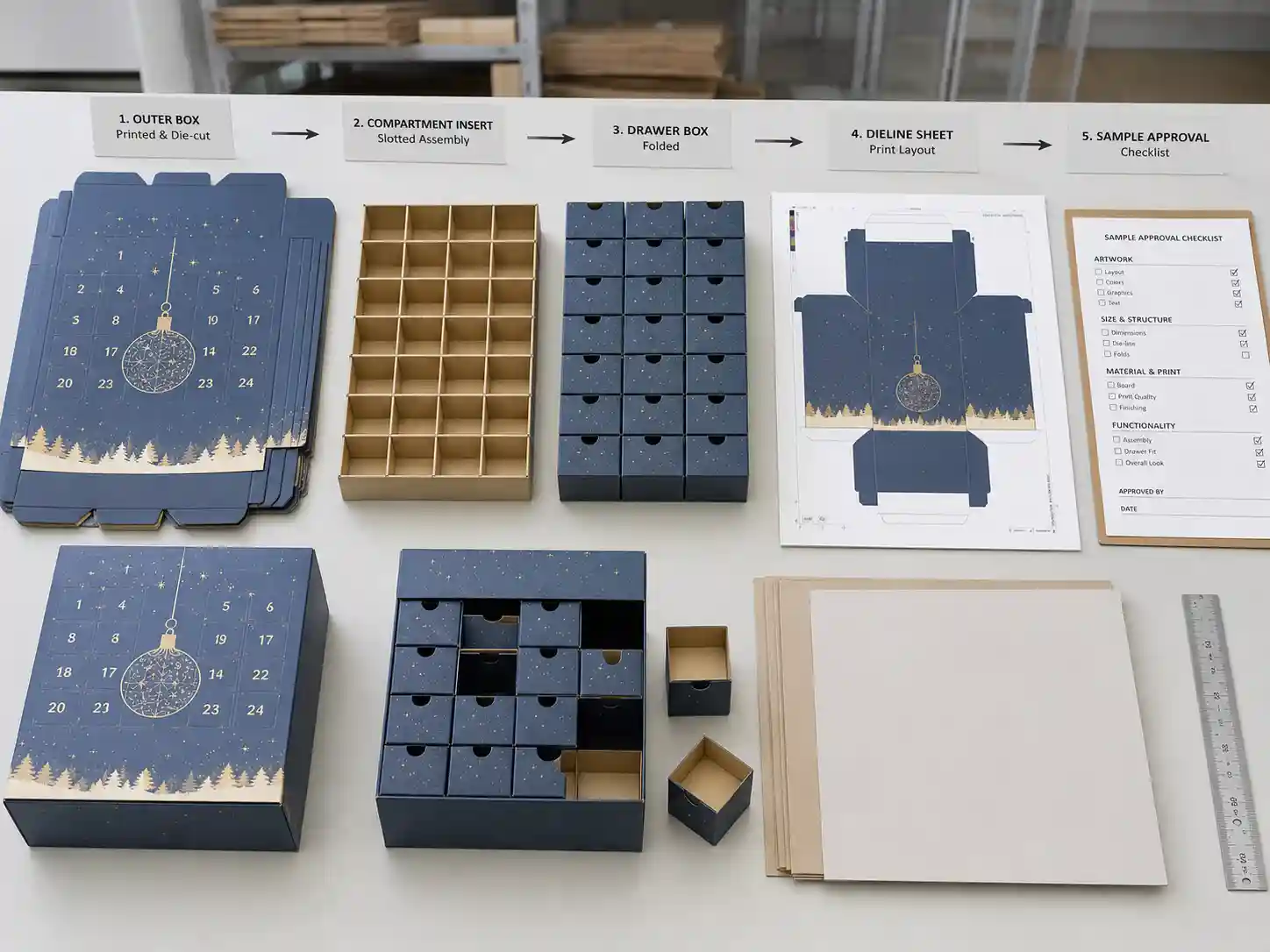
Blank Sample or Printed Sample: Which One Should You Choose?
Many B2B packaging projects move faster when the buyer understands the difference between blank samples and printed samples. These two sample types solve different problems.
Blank Samples for Structure Confirmation
A blank sample is usually made with the planned structure but without final printing. It is useful for checking dimensions, insert layout, compartment depth, drawer sliding, door opening, product fit, and assembly method.
For new compartment advent calendar boxes, a blank sample is often the safest first step. It helps both sides confirm whether the structure can hold the product before spending time on printed artwork.
Printed Samples for Visual and Branding Review
A printed sample is used to review artwork placement, color direction, surface finishing, logo position, window alignment, and overall retail appearance. It may include digital printing or production-like printing depending on the project requirements.
Printed samples are especially useful when buyers need internal approval from marketing, sales, brand, or retail teams. If your project has strict color requirements, provide Pantone references, previous packaging samples, or approved brand guidelines when you request a custom quote.
Common Customization Items to Confirm
Customization should be handled step by step. Trying to confirm all details at the same time can cause unclear revisions and quotation changes.
When using custom advent calendar box services, buyers should separate structure decisions from artwork decisions. Structure affects tooling, material use, labor, insert cost, and packing volume. Artwork affects printing, finishing, proofing, and approval time.
| Customization Item | What to Confirm | Why It Matters |
|---|---|---|
| Compartment layout | Number, size, depth, and opening order | Controls product fit, user access, and production accuracy |
| Insert material | Paperboard, molded pulp, EVA, foam, or custom tray | Affects protection, cost, sustainability direction, and MOQ |
| Outer box structure | Rigid box, drawer box, book-style box, or foldable structure | Changes unit cost, assembly labor, shipping volume, and perceived quality |
| Artwork and printing | Dieline, bleed, color reference, barcode, warning text, and panel direction | Reduces artwork errors before printed sampling and mass production |
| Surface finishing | Matte lamination, gloss lamination, foil stamping, embossing, or spot UV | Influences appearance, durability, cost, and lead time |
| Export packing | Flat pack or assembled pack, inner protection, master carton, carton marks | Protects finished boxes during storage, shipping, and retail handling |
Step-by-Step Sampling and Prototyping Process
A clear sampling process helps reduce unnecessary revisions. It also makes the quotation more accurate because the supplier can understand the real production method.
Step 1: Share Product Details and Packaging Goal
Send product dimensions, weight, quantity per set, target market, expected order quantity, and retail channel. If possible, include photos of the products that will go into the compartments.
Buyers can also review custom advent calendar box products to compare common structures before deciding whether the project needs a drawer style, door style, tray style, book-style rigid box, or foldable design.
Step 2: Confirm Structure Direction
The supplier prepares a structure proposal or dieline direction based on the product and budget. At this stage, do not only ask for the lowest unit price. Ask whether the structure is suitable for assembly, loading, packing, and export shipping.
For compartment advent calendar boxes with many small cavities, insert tolerance matters. The compartments should not be too tight for loading or too loose for product protection.
Step 3: Make a Blank Sample
The blank sample checks size, structure, opening function, insert position, and product fit. For B2B buyers, this sample is often reviewed by purchasing, product development, and logistics teams.
Key checks include:
- Does each product fit into its compartment?
- Can the box open and close smoothly?
- Is the insert easy to load during production?
- Does the box stand or display correctly?
- Will the structure survive packing and shipping?
Step 4: Revise the Structure Before Printing
If the blank sample needs revision, update the dieline before printed sampling. Common revisions include deeper compartments, stronger dividers, wider finger holes, adjusted drawer gaps, stronger magnetic closure, or reduced box size for freight control.
Do not approve artwork before the final structure is confirmed. If the structure changes later, the artwork layout and panel sizes may also change.
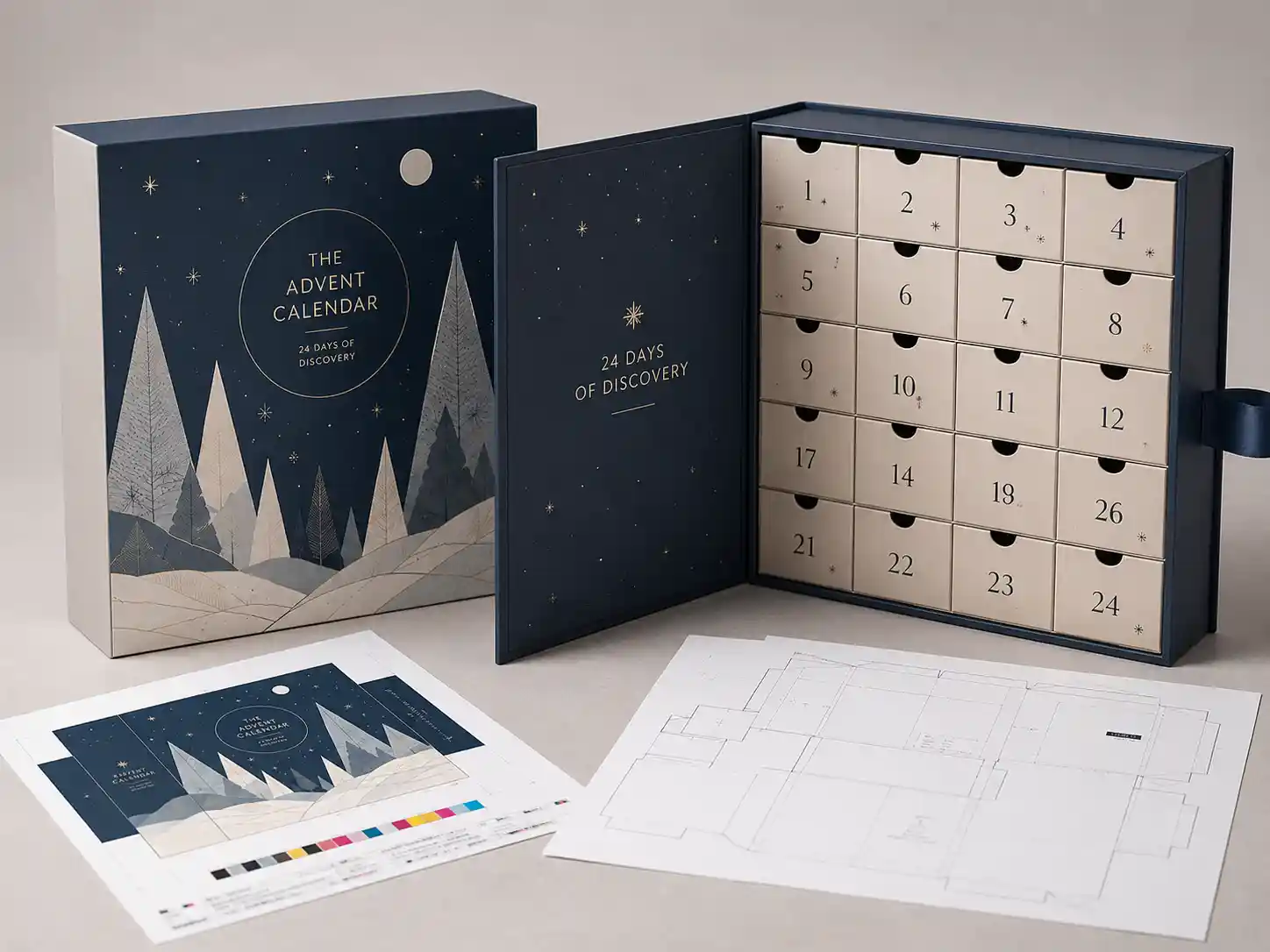
Step 5: Make a Printed Sample
After the structure is confirmed, the printed sample can show the artwork, surface treatment, and overall visual direction. It helps the buyer check whether the design is suitable for retail, online product pages, wholesale presentations, or buyer approval meetings.
For printed compartment advent calendar boxes, review all visible panels carefully. Check front panel artwork, side panels, back panel information, barcode position, opening numbers, inner printing, insert color, and any warning or compliance text.
Step 6: Approve the Pre-Production Standard
Once the printed sample is approved, the supplier should keep a confirmed standard for bulk production. This may include the approved sample, signed dieline, artwork file, material specification, finishing reference, packing method, and carton marking details.
You can learn more from Giftpackpro’s advent calendar box buying guides if your team is still comparing structures, materials, and MOQ options before final approval.
Artwork Files and Dieline Preparation
Artwork problems are common in custom packaging projects. To avoid delays, buyers should prepare editable artwork files and confirm the dieline version before sample printing.
Useful artwork preparation details include:
- AI, PDF, or other editable print-ready file formats
- Correct bleed area and safe area
- Clear front, back, side, top, bottom, and inner panel directions
- Pantone or CMYK color references
- Barcode, QR code, warning text, and country-specific labeling information
- Finishing notes for foil stamping, embossing, debossing, or spot UV
If your company requires certified paper or responsible sourcing claims, check requirements early. For example, buyers can review information from the Forest Stewardship Council when considering FSC-related paper sourcing discussions. If your products enter the EU market, you may also need to check official packaging and recycling information from the European Commission packaging sector.
Pre-Production Checks Before Bulk Manufacturing
Pre-production checks protect the buyer and the supplier. For compartment advent calendar boxes, the production team should confirm that the structure, printing, inserts, finishing, and packing method match the approved sample.
Material and Structure Check
Confirm greyboard thickness, paperboard type, insert material, lamination, and glue method. The goal is to make sure the bulk goods match the approved sample, not only the quotation sheet.
Color and Finishing Check
Compare bulk printing with the approved printed sample or color reference. For foil stamping, embossing, and spot UV, check position accuracy and surface cleanliness before continuing full production.
Assembly and Loading Check
Compartment advent calendar boxes may require manual assembly. Test the loading process before mass assembly begins. If workers need too much time to insert products or close the box, labor cost and production lead time may increase.
Export Packing Check
Export packing should be planned before production, not after boxes are finished. Ask whether the boxes will be packed flat or assembled. Confirm inner protection, master carton size, carton weight, carton marks, and pallet requirements.
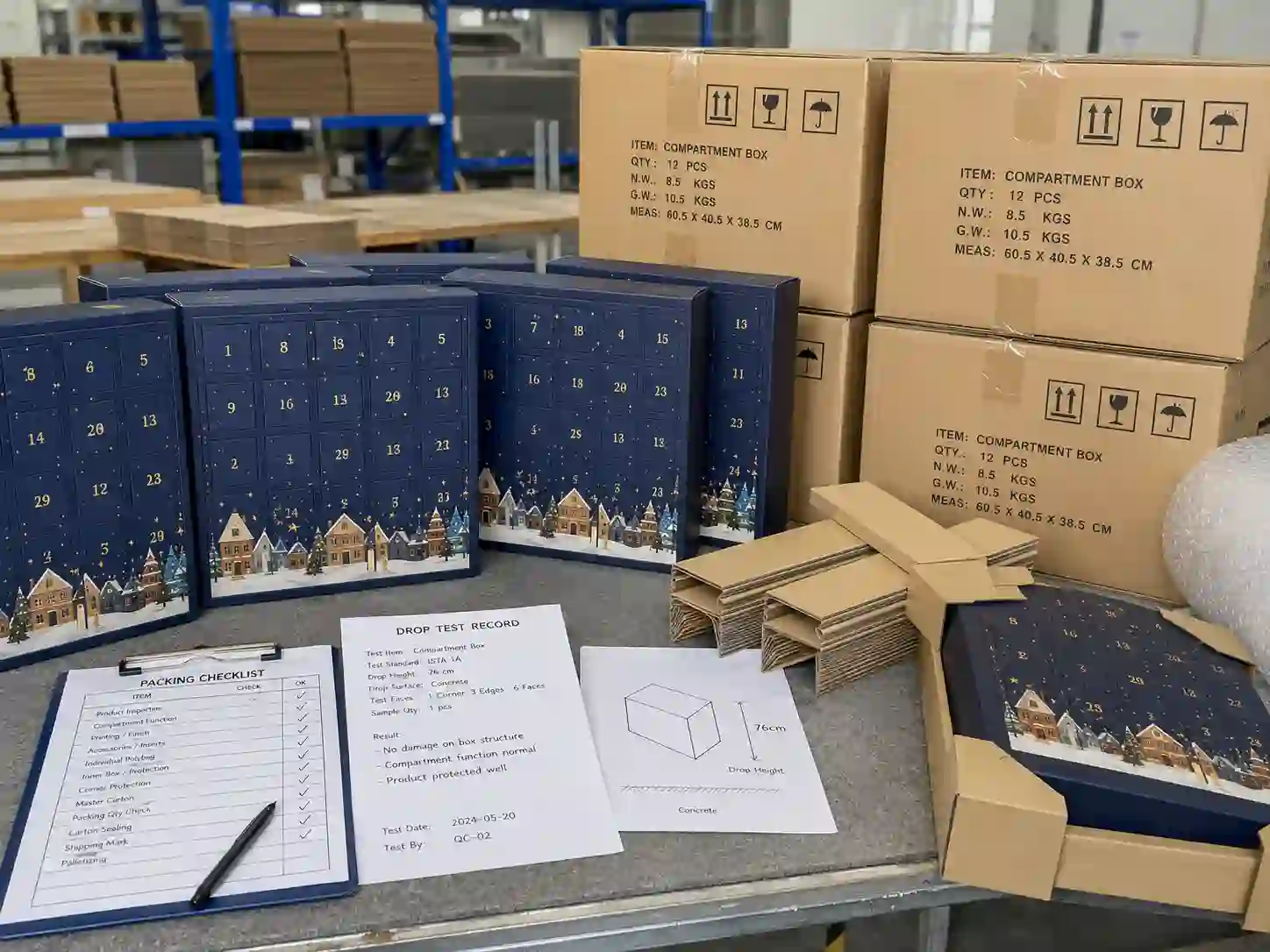
Quote Preparation Advice for B2B Buyers
A clear RFQ helps the supplier quote faster and more accurately. When asking for compartment advent calendar boxes, avoid sending only a reference image with “please quote.” A reference image is useful, but it does not show product weight, insert needs, order quantity, packing method, or finishing details.
For a more useful quote, prepare the following:
- Box size or product size list
- Number of compartments
- Product weight and total set weight
- Preferred box structure
- Insert material preference
- Printing and finishing requirements
- Estimated order quantity or MOQ target
- Sample type needed: blank sample, printed sample, or both
- Target delivery date
- Shipping destination and packing preference
If you are unsure which structure is practical, contact the Giftpackpro packaging factory with your product details and target budget. The team can help review whether your project should start from a blank sample, a printed sample, or a revised structure proposal.
Common Revision Reasons During Sampling
Revisions are normal in custom packaging, but they should be controlled. Most revisions happen because the first brief did not include enough product or packing information.
Common revision reasons include:
- Compartment size does not match the real product
- Insert does not hold the product firmly enough
- Drawer or door opening feels too tight
- Box size creates high shipping volume
- Artwork does not match the final dieline
- Finishing position is not suitable for the design
- Export carton needs stronger protection
The best way to reduce revisions is to confirm the real product, final dieline, and packing plan before printed sampling. For complex seasonal projects, buyers can also use custom advent calendar box services to review structure, insert, artwork, sample, and packing steps together.
How Giftpackpro Supports Sampling Projects
Giftpackpro supports B2B buyers who need custom seasonal paper packaging, including compartment advent calendar boxes for brand sets, wholesale gift programs, retail promotions, and seasonal launch projects.
The process usually starts with structure discussion, product fit review, sample planning, artwork checking, and quote confirmation. After sample approval, the project moves into pre-production checks, bulk production, quality control, and export packing.
Buyers who already have product dimensions and artwork can request a custom quote. Buyers who are still comparing structures can review more advent calendar box buying guides before confirming the sampling route.
Final Checklist Before Sample Approval
Before approving compartment advent calendar boxes for bulk production, check the sample against your commercial requirements, not only the appearance.
- All compartments match the product size and loading order
- Insert material supports the product weight and presentation
- Opening function is smooth and practical
- Artwork, barcode, warning text, and panel direction are correct
- Printing color and finishing match the approved reference
- Export packing method protects the box during shipping
- MOQ, lead time, sample cost, and bulk price are confirmed in writing
A well-managed sampling process helps buyers avoid late-stage structure changes, artwork delays, and packing problems. For B2B compartment advent calendar boxes, the goal is not only to create an attractive sample. The goal is to approve a structure and production standard that can move smoothly into bulk manufacturing.