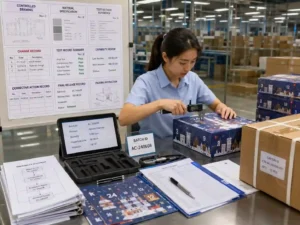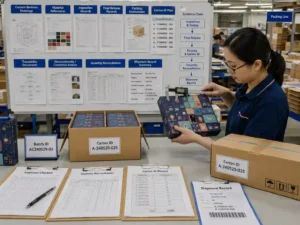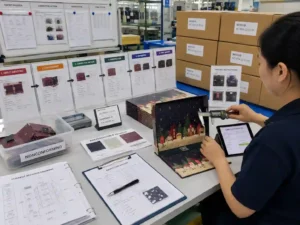
Quick answer: Earring advent calendar boxes should be planned around earring size, card format, insert tolerance, opening structure, artwork control, and export packing method. For B2B buyers, the most important decisions are whether to use a rigid drawer box, door-opening box, book-style box, or folding carton; whether earrings need paperboard, PET tray, EVA, foam, or molded pulp inserts; and how the sample will prove fit, color, finishing, and shipping durability before mass production. A good quotation should include structure, dimensions, material, printing, finishing, insert type, MOQ, packing method, lead time, and inspection requirements.
What should buyers understand before ordering earring advent calendar boxes?
Buyers should understand that earring advent calendar boxes are not only decorative seasonal packaging. They are multi-compartment packaging systems that must hold small jewelry items securely, open smoothly, protect presentation quality, and survive international shipping.
Unlike a simple jewelry gift box, an earring calendar may contain studs, hoops, huggies, drops, charms, mini cards, pouches, or mixed accessory sets. Each product format changes the insert depth, compartment spacing, door size, drawer clearance, and total box weight. Before contacting a custom advent calendar boxes manufacturer, prepare the earring range, packaging goal, sales channel, and estimated order quantity.
For retail campaigns, the box must look consistent on shelf and support clear product storytelling. For e-commerce, the structure and export carton must reduce corner damage, door bending, insert movement, and loose jewelry during courier handling. For wholesale or gift-company projects, supplier reliability, repeatable assembly, and stable lead time often matter more than unusual decoration.
Buyer tip: Treat the earring calendar as a packaging engineering project first and a printing project second. A beautiful surface design cannot fix loose inserts, weak drawers, inaccurate doors, or cartons that crush during export.
Which structure is best for earring advent calendar boxes?
The best structure depends on the product value, number of compartments, sales channel, budget, and packing method. Rigid structures give a premium feel and stronger protection, while folding carton structures can reduce unit cost and shipping volume for larger quantity campaigns.
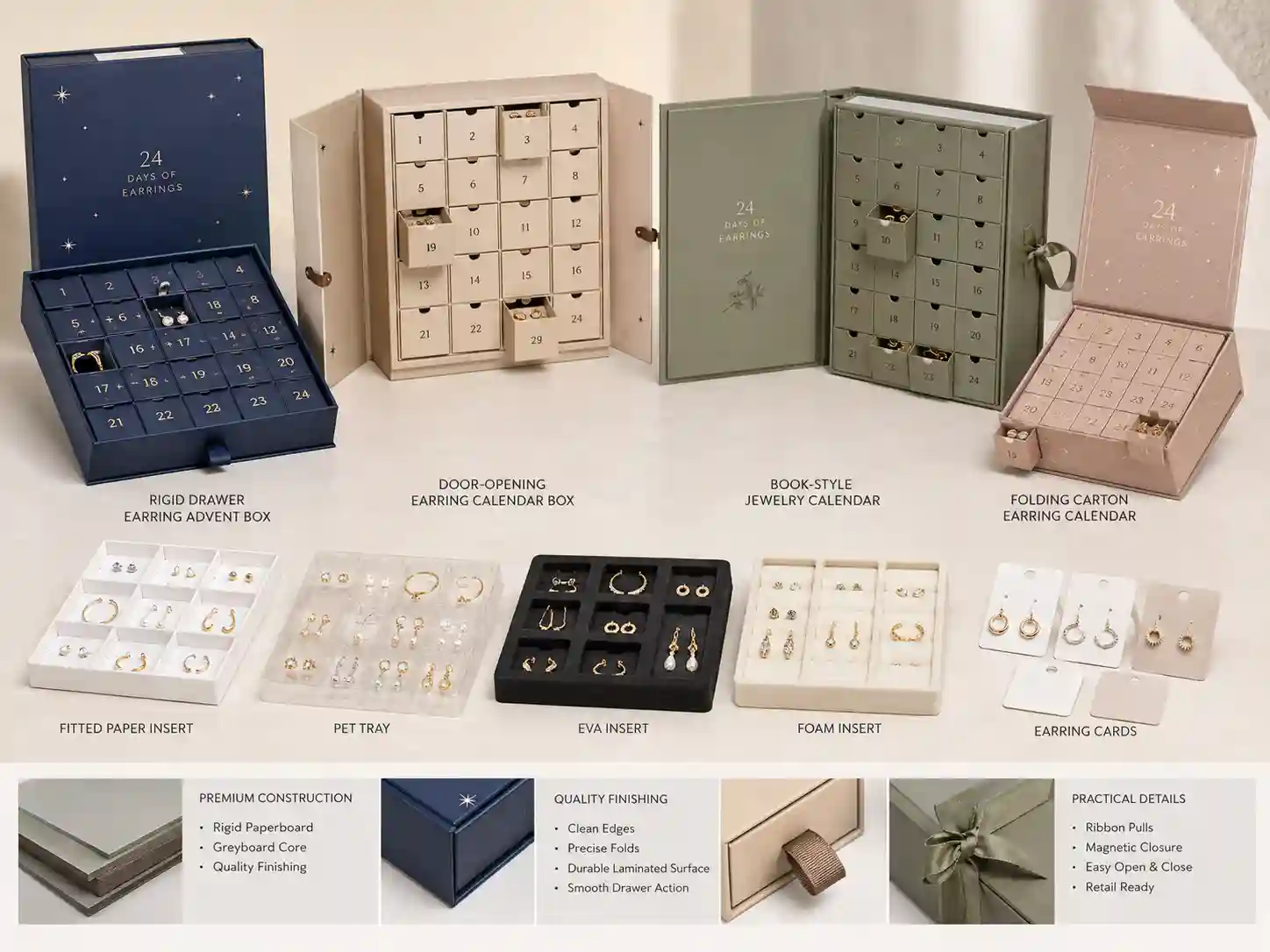
| Structure option | Best for | Key benefits | Buyer risks to check |
|---|---|---|---|
| Rigid drawer box | Premium earring gift sets, jewelry brands, influencer kits, retail gift campaigns | Strong greyboard body, smooth drawer opening, premium unboxing, good protection for mixed earring cards | Drawer tolerance, sleeve friction, heavier carton weight, higher material and assembly cost |
| Door-opening box | Classic numbered advent layouts, seasonal retail shelves, lightweight earring sets | Clear daily-opening experience, flexible artwork area, suitable for paperboard or PET inserts | Door perforation strength, small-item visibility, tearing control, insert alignment behind each door |
| Book-style rigid box | Luxury jewelry collections, PR sets, high perceived-value gifts | Premium presentation, large cover artwork, magnetic or ribbon closure options, good internal display | Magnet placement, hinge durability, higher freight volume, longer sampling time |
| Folding carton calendar | Cost-sensitive promotions, lightweight earrings, high-volume seasonal programs | Lower material cost, lighter export weight, possible flat packing, faster assembly in some layouts | Lower rigidity, corner crushing risk, less premium feel, more attention needed for carton strength |
When should buyers choose a rigid drawer box?
Choose a rigid drawer box when the earring set has higher retail value, heavier inserts, or a premium gift position. Greyboard thickness, wrapping paper quality, and drawer clearance must be checked during sampling because small tolerance errors can make the drawer too tight or too loose.
For stud earrings and huggies mounted on earring cards, a drawer box can hold multiple layers or rows. For hoop earrings and drop earrings, buyers should confirm the required height so the drawer does not press against the product.
When is a door-opening calendar better?
A door-opening box is better when the buyer wants a traditional numbered calendar experience and a strong front-panel graphic. It works well for small earrings, but the factory must align each door with the insert cavity behind it.
The most common problem is a door that opens into the wrong compartment area or tears unevenly. Ask for a blank structural sample before printed sampling when the calendar has many doors, unusual shapes, or mixed earring sizes.
When does a folding carton make sense?
A folding carton makes sense when the earrings are lightweight, the campaign is price-sensitive, and the buyer needs efficient export volume. It can be suitable for large wholesale orders, but paperboard grade, flute support, or internal reinforcement may be needed depending on the box size.
If your product will ship directly to consumers, do not evaluate only the display sample. Test a packed carton because thin paperboard may look fine in a photo but fail at corners during parcel movement.
Which insert should be used for studs, hoops, huggies, and drop earrings?
The insert should match the earring shape, card size, product weight, and opening method. Small jewelry needs controlled cavities because even a few millimeters of movement can cause earrings to rotate, scratch the card, or appear messy when the consumer opens the box.
| Insert type | Suitable earring format | Advantages | Watch points |
|---|---|---|---|
| Paper insert | Flat earring cards, studs, small huggies, lightweight hoops | Paper-based appearance, cost-efficient, easy to print or color match, good for simple cavities | Edge strength, bending, card slot tolerance, humidity influence during shipping |
| PET tray | Mixed earrings, visible retail display, precise cavities | Accurate cavity forming, good product positioning, clear or colored options | Tooling cost, plastic reduction goals, tray thickness, anti-scratch packing |
| EVA insert | Premium earrings, loose pairs, small accessories, higher-value sets | Good cushioning, clean die-cut slots, premium feel with velvet or paper covering | Material odor, edge finish, color consistency, extra labor for covering |
| Foam insert | Lightweight jewelry sets, prototypes, cushion-focused layouts | Flexible fit, protective, easy to cut for samples | Surface appearance, compression marks, sustainability concerns, loose particles |
| Molded pulp insert | Eco-positioned campaigns, paper-based gift sets, larger compartments | Paper-based material story, good for brand sustainability messaging, protective shape | Minimum tooling, surface roughness, fine tolerance limits for very small earrings |
How should buyers test insert fit before mass production?
Buyers should test insert fit with real earrings, final earring cards, backing cards, pouches, and any protective bags. A fit test using only approximate samples may miss problems with card thickness, earring posts, hoop diameter, or drop earring length.
- Check whether each earring pair stays centered after shaking the closed box lightly.
- Confirm that the insert does not press on earring posts, stones, pearls, charms, or plating.
- Test whether the buyer can remove the product easily without tearing the card or insert.
- Confirm that door openings, drawers, or compartments reveal the correct item cleanly.
- Review whether the insert color creates lint, dust, reflection, or contrast problems in product photos.
Factory tip: For earring advent calendar boxes with mixed product types, create a compartment map before the dieline is finalized. Mark each cavity with product size, card size, depth, and loading direction so the sample room and assembly team follow the same layout.
What material choices affect quality, cost, and shipping?
Material choice affects box rigidity, print appearance, assembly speed, freight weight, and damage rate. Buyers should compare greyboard, paperboard, wrapping paper, insert material, and outer carton strength as one complete system.
Rigid boxes normally use greyboard wrapped with printed art paper, specialty paper, or laminated paper. Folding carton calendars use paperboard, sometimes with internal reinforcement. For premium earring calendars, thicker board improves perceived value but also increases weight, carton size, and freight cost.
For paper-based sourcing requirements, buyers can verify chain-of-custody or responsible sourcing claims through official programs such as FSC. Do not assume certification from a supplier profile alone; ask for valid documents and confirm whether the specific material and production batch are covered.
Common material decisions include:
- Greyboard thickness: affects rigid box strength, drawer stability, and premium feel.
- Paperboard grade: affects folding carton stiffness, scoring, door tearing, and print result.
- Surface paper: affects color depth, lamination adhesion, foil stamping quality, and scuff resistance.
- Insert material: affects product security, sustainability story, tooling cost, and assembly labor.
- Export carton: affects stacking strength, corner protection, and shipment damage control.
How should artwork, dieline, and printing be prepared?
Artwork should be built on the approved dieline, with correct bleed, safe areas, door numbers, folding lines, drawer direction, and insert alignment. Printing problems usually start when artwork is approved before the structure is fully tested.
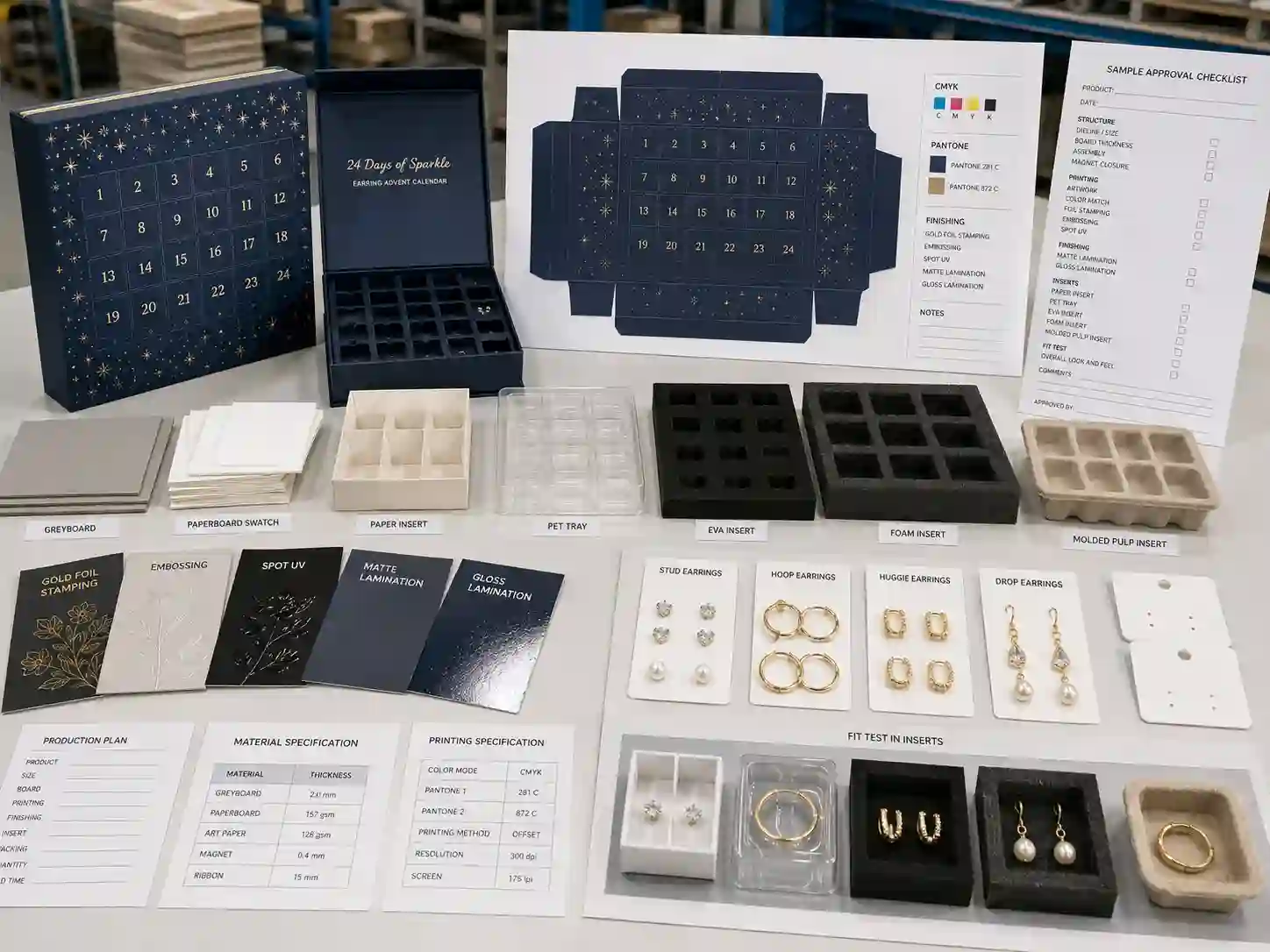
For earring advent calendar boxes, the dieline is more complex than a standard gift box because the artwork must match multiple doors, drawers, trays, or compartments. If number windows, product names, or small icons are off by even a few millimeters, the final box may look careless or reveal the wrong compartment.
Which printing and finishing options are practical for earring calendars?
CMYK printing is suitable for full-color seasonal artwork, while Pantone colors are useful when the buyer needs closer brand-color control. Foil stamping, embossing, spot UV, matte lamination, and gloss lamination can improve shelf impact, but each finish adds cost, sampling checks, and production control points.
- CMYK: practical for illustrated backgrounds, patterns, and product stories.
- Pantone: useful for brand colors, solid backgrounds, and repeat seasonal campaigns.
- Foil stamping: good for numbers, logos, borders, and premium accents.
- Embossing: adds tactile detail but requires accurate pressure and board support.
- Spot UV: highlights selected graphics but needs registration control.
- Matte lamination: premium appearance, lower glare, good for luxury jewelry packaging.
- Gloss lamination: brighter surface, stronger visual shine, but can show fingerprints or scratches.
Buyer tip: If the calendar has many small door numbers, avoid placing foil stamping too close to perforation, crease, or cut lines. Finishing registration tolerance must be discussed before the pre-production sample.
What sampling steps reduce production risk?
Sampling should prove structure, insert fit, artwork position, printing color, finishing effect, assembly tolerance, and packing method before mass production. For custom advent calendar boxes, a single visual mockup is not enough for serious B2B purchasing.
A practical sampling flow includes:
- Blank structural sample: confirms size, opening method, compartment layout, insert concept, and product fit.
- Revised prototype: adjusts drawer clearance, door perforation, insert depth, or board thickness after testing.
- Printed sample: checks CMYK or Pantone color, lamination, foil stamping, embossing, spot UV, and artwork registration.
- Pre-production sample: confirms final materials, final dieline, final insert, final packing, and approved workmanship before mass production.
For overseas buyers, sample shipping time should be included in the project calendar. Revisions may be necessary if earrings are supplied late, artwork changes after dieline approval, or the buyer changes from carded earrings to loose earrings.
Giftpackpro provides custom advent calendar box services that can support structure discussion, sample planning, artwork review, and production preparation for seasonal paper gift packaging projects.
What are the main MOQ and cost drivers?
MOQ and cost are driven by structure, size, material, printing, finishing, insert tooling, assembly labor, packing method, and order complexity. Buyers should not compare quotations only by unit price unless the specifications are identical.
For example, a rigid drawer earring calendar with EVA insert, foil stamping, embossing, and individual protective bags will not cost the same as a folding carton calendar with paper insert and CMYK printing. Both may be correct choices, but they serve different retail positions.
| Cost driver | Why it matters | How buyers can control it |
|---|---|---|
| Box structure | Rigid boxes require more board, wrapping, drying, and hand assembly than simple folding cartons. | Choose the structure based on retail value, not only appearance preference. |
| Insert type | PET, EVA, foam, molded pulp, and complex paper inserts have different tooling and labor requirements. | Standardize earring card sizes and reduce unnecessary cavity shapes. |
| Printing and finishing | Foil stamping, embossing, spot UV, and special lamination add process steps and QC points. | Use premium effects on key areas such as logo, numbers, or cover artwork. |
| Assembly complexity | Many doors, drawers, inserts, labels, and accessories increase labor time and inspection needs. | Confirm whether earrings are packed by the buyer, factory, or another fulfillment partner. |
| Export packing | Assembled boxes take more volume than flat-packed structures, affecting carton size and freight. | Compare flat packing, semi-assembled packing, and fully assembled packing early. |
Quotable B2B statement: The cheapest earring advent calendar box is not always the lowest-cost project if weak inserts, unclear dielines, or poor export cartons cause rework, delays, or customer returns.
How should buyers compare suppliers?
Buyers should compare suppliers by their ability to control structure, sampling, print accuracy, assembly, QC, export packing, and communication. A supplier that only offers a low unit price may not be suitable for multi-compartment jewelry packaging.
Use this decision guide when comparing factories or trading partners:
| Decision point | Good supplier response | Warning sign |
|---|---|---|
| Structure recommendation | Explains rigid box, drawer box, door-opening box, folding carton, and insert options based on product size and budget. | Quotes immediately without asking for earring dimensions or sales channel. |
| Dieline control | Provides dieline for artwork after size and structure are confirmed. | Asks for final artwork before confirming insert and compartment layout. |
| Sampling process | Separates blank sample, printed sample, and pre-production sample when needed. | Promises mass production based only on a digital rendering. |
| QC method | Checks opening function, insert fit, color, finishing, glue, alignment, and packing. | Only checks outer appearance and carton quantity. |
| Export experience | Discusses export carton, pallet option, shipping marks, carton labels, and damage prevention. | Does not ask whether the goods will ship by sea, air, courier, or warehouse distribution. |
You can review custom advent calendar box products to compare common structures and use the advent calendar box buying guides for additional sourcing and planning topics.
What QC checks matter for earring advent calendar boxes?
QC should focus on product fit, structure function, printing accuracy, finishing quality, assembly tolerance, and export packing strength. Because earrings are small and presentation-sensitive, minor movement or misalignment can make the finished gift set look lower value.
Important inspection points include:
- Size and structure: outer dimensions, compartment dimensions, drawer movement, door opening, book-style hinge, and closure alignment.
- Insert fit: cavity size, card slot tightness, product removal, product movement, and insert height.
- Printing: color consistency, Pantone matching, CMYK registration, number placement, spelling, and barcode area if used.
- Finishing: foil position, embossing depth, spot UV registration, lamination bubbles, scratches, and glue marks.
- Assembly: corner wrapping, drawer friction, door perforation, magnetic closure, ribbon placement, and internal cleanliness.
- Packing: polybag or tissue protection, carton quantity, corner protection, carton label, shipping marks, pallet condition, and drop-test planning when required.
QC tip: Ask the factory to inspect both empty boxes and product-loaded samples. A calendar that passes empty-box inspection may still fail after real earring cards, trays, and accessories are loaded.
How should export packing be planned?
Export packing should be planned before mass production because assembled calendars, rigid boxes, and delicate finishes can require different carton sizes, protection methods, and pallet layouts. Packing decisions affect freight cost, warehouse handling, and final customer complaints.
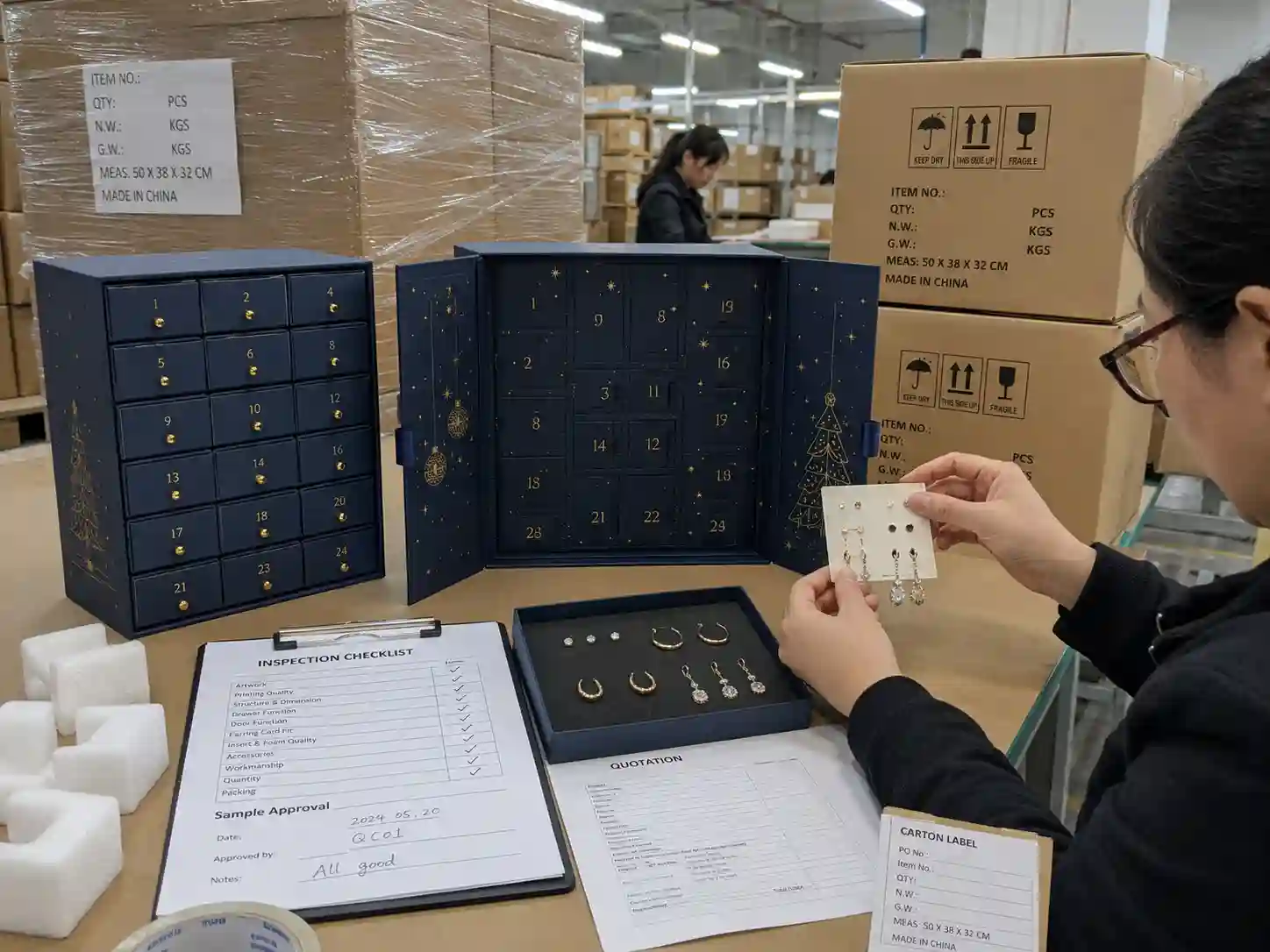
For earring advent calendar boxes, the main choice is flat packing, semi-assembled packing, or fully assembled packing. Flat packing can reduce volume for some folding carton structures, but it may transfer assembly labor to the buyer or fulfillment center. Fully assembled packing saves downstream labor but increases carton volume and requires stronger protection.
Export cartons should be matched to the box weight and destination handling method. If the shipment will go through parcel networks or multiple warehouses, buyers may request additional carton strength, corner protectors, dividers, pallet wrap, and clear shipping marks. For transport testing references, buyers can review official information from ISTA and decide whether formal testing is necessary for their distribution route.
Common export packing details to confirm include:
- Units per inner carton and master carton
- Carton dimensions and gross weight
- Flat packed, semi-assembled, or fully assembled status
- Protective bag, tissue paper, sleeve, or corner protector requirements
- Carton label content and shipping marks
- Pallet size, pallet height, pallet wrap, and container loading plan
- Whether the buyer needs Amazon, retailer, warehouse, or forwarder labeling rules followed
What should buyers prepare before requesting a quotation?
Buyers should prepare product details, box requirements, artwork expectations, quantity range, shipping destination, and packing requirements before asking for a quotation. A complete RFQ helps the supplier quote accurately and avoid later specification changes.
Before you request a custom quote, prepare this checklist:
- Target box type: rigid drawer box, door-opening box, book-style box, folding carton, or unsure
- Number of calendar compartments, such as 12, 24, 25, or custom count
- Earring types: studs, hoops, huggies, drop earrings, charms, cards, pouches, or mixed items
- Product dimensions, earring card size, product weight, and sample photos
- Preferred insert: paper insert, PET tray, EVA insert, foam, molded pulp, or factory recommendation
- Approximate box size or target retail shelf size
- Printing method: CMYK, Pantone, or both
- Finishing requirements: foil stamping, embossing, spot UV, matte lamination, gloss lamination, ribbon, magnet, or window
- Artwork status: ready artwork, draft design, or need dieline first
- Estimated MOQ or order quantity range
- Sample requirements: blank sample, printed sample, or pre-production sample
- Expected delivery date and destination country
- Packing method: flat packed, assembled, product-loaded, or empty boxes only
- Special retailer, warehouse, barcode, carton label, pallet, or shipping mark requirements
The Giftpackpro packaging factory can review these details and suggest practical structure, insert, printing, and packing options based on your seasonal campaign needs.
What common mistakes should buyers avoid?
Buyers should avoid approving appearance before testing fit, changing earring cards after dieline approval, ignoring export packing, and comparing supplier quotes without matching specifications. Most avoidable problems happen before mass production starts.
- Mistake 1: Using approximate product sizes. Earrings, posts, cards, and bags must be measured accurately because small cavities leave little tolerance.
- Mistake 2: Choosing the insert too late. Insert type affects box depth, opening position, tooling, cost, and assembly method.
- Mistake 3: Approving artwork before structure. Artwork should be placed on the final dieline, not a draft layout.
- Mistake 4: Overusing premium finishes. Foil, embossing, and spot UV should support the design, not make production harder without retail value.
- Mistake 5: Ignoring carton protection. Premium rigid boxes still need proper export cartons, corner protection, and pallet planning.
- Mistake 6: Starting too late. Sampling, revision, artwork proofing, mass production, inspection, and shipping all require calendar time.
FAQ: Buyer questions about earring advent calendar boxes
What is the best structure for premium earring advent calendar boxes?
A rigid drawer box or book-style rigid box is usually best for premium earring advent calendar boxes because it supports stronger presentation, better protection, and more stable insert placement. Buyers should confirm board thickness, drawer movement, hinge strength, and export carton protection during sampling.
Can one calendar hold studs, hoops, huggies, and drop earrings together?
Yes, but the layout should be engineered by product type. Studs may fit flat card slots, hoops may need wider cavities, huggies need controlled depth, and drop earrings may require longer compartments to prevent bending or tangling.
Which insert is most cost-effective?
A paper insert is often cost-effective for carded earrings and lightweight sets. However, PET trays, EVA inserts, foam, or molded pulp may be better when the buyer needs precise cavities, premium cushioning, or a stronger sustainability message.
Do buyers need a blank sample before a printed sample?
For custom structures, yes. A blank structural sample helps confirm size, insert fit, drawer movement, door opening, and product loading before the buyer pays for printed proofing and finishing setup.
What affects lead time most?
Lead time is affected by structure complexity, sample revisions, artwork approval, material availability, printing and finishing processes, insert tooling, production quantity, assembly labor, QC, and export packing. Late product samples and artwork changes are common causes of delay.
How can buyers compare quotations fairly?
Compare quotations only when structure, size, board thickness, paper type, insert material, printing, finishing, packing method, sample terms, MOQ, and delivery terms are clearly stated. A low quote with missing specifications may become more expensive after revisions.
How can Giftpackpro help with earring advent calendar boxes?
Giftpackpro supports overseas buyers who need practical, factory-side planning for earring advent calendar boxes, from structure comparison and insert testing to artwork proofing, sampling, mass production, QC, export carton planning, and quotation preparation. To start efficiently, share your earring types, card sizes, target structure, quantity range, artwork status, required finish, delivery schedule, and destination market.
For brands, wholesalers, gift companies, retail buyers, Amazon/e-commerce sellers, and purchasing teams, the best project results come from early coordination between product fit, dieline, insert, printing, packing, and lead time. When these details are confirmed before mass production, earring advent calendar boxes become easier to quote, sample, inspect, ship, and reorder for future seasonal campaigns.