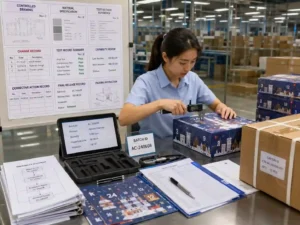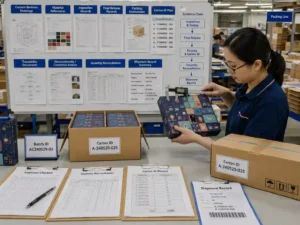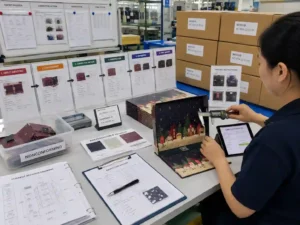
Quick answer: Chocolate advent calendar boxes are custom seasonal packaging systems designed to hold chocolate pieces, pralines, truffles, bars, or mixed gift items in separate compartments for retail, wholesale, gifting, and e-commerce campaigns. For B2B buyers, the most important decisions are structure, insert fit, food-contact material approach, artwork, sampling, MOQ, QC, export packing, and quotation detail. Before mass production, brands should approve a blank structural sample, printed sample, or pre-production sample to confirm compartment size, door opening, insert stability, labeling space, print color, assembly tolerance, and carton protection.
For overseas brands, wholesalers, gift companies, retail buyers, Amazon sellers, and packaging purchasing teams, chocolate packaging is not only about visual appeal. It must protect product shape, reduce movement, separate flavors or formats, support efficient filling, and survive export shipping. As a custom advent calendar boxes manufacturer, Giftpackpro helps buyers turn campaign requirements into practical paper packaging structures that can be sampled, revised, approved, and produced in bulk.
What should buyers understand before ordering chocolate advent calendar boxes?
Buyers should understand the product size, chocolate format, retail channel, filling method, artwork scope, sample approval process, MOQ, and export packing needs before choosing a box. A packaging design that looks attractive on screen may still fail if the compartments are too loose, the doors tear during opening, or the carton is not strong enough for overseas transport.
Chocolate advent calendar boxes usually require tighter planning than general gift boxes because small chocolates need separation, clean presentation, and stable positioning. If the chocolates are wrapped, the insert design can focus on size and retail presentation. If products are unwrapped or have special food-contact requirements, buyers should discuss material selection carefully and verify any required regulatory documentation with their own compliance team.
Buyer tip: Do not request a quotation with only an outer box size. For chocolate packaging, the factory needs the chocolate size, unit weight, wrapping method, quantity per set, insert style, artwork files, destination market, and packing method to quote accurately.
Which box structure is best for chocolate advent calendar packaging?
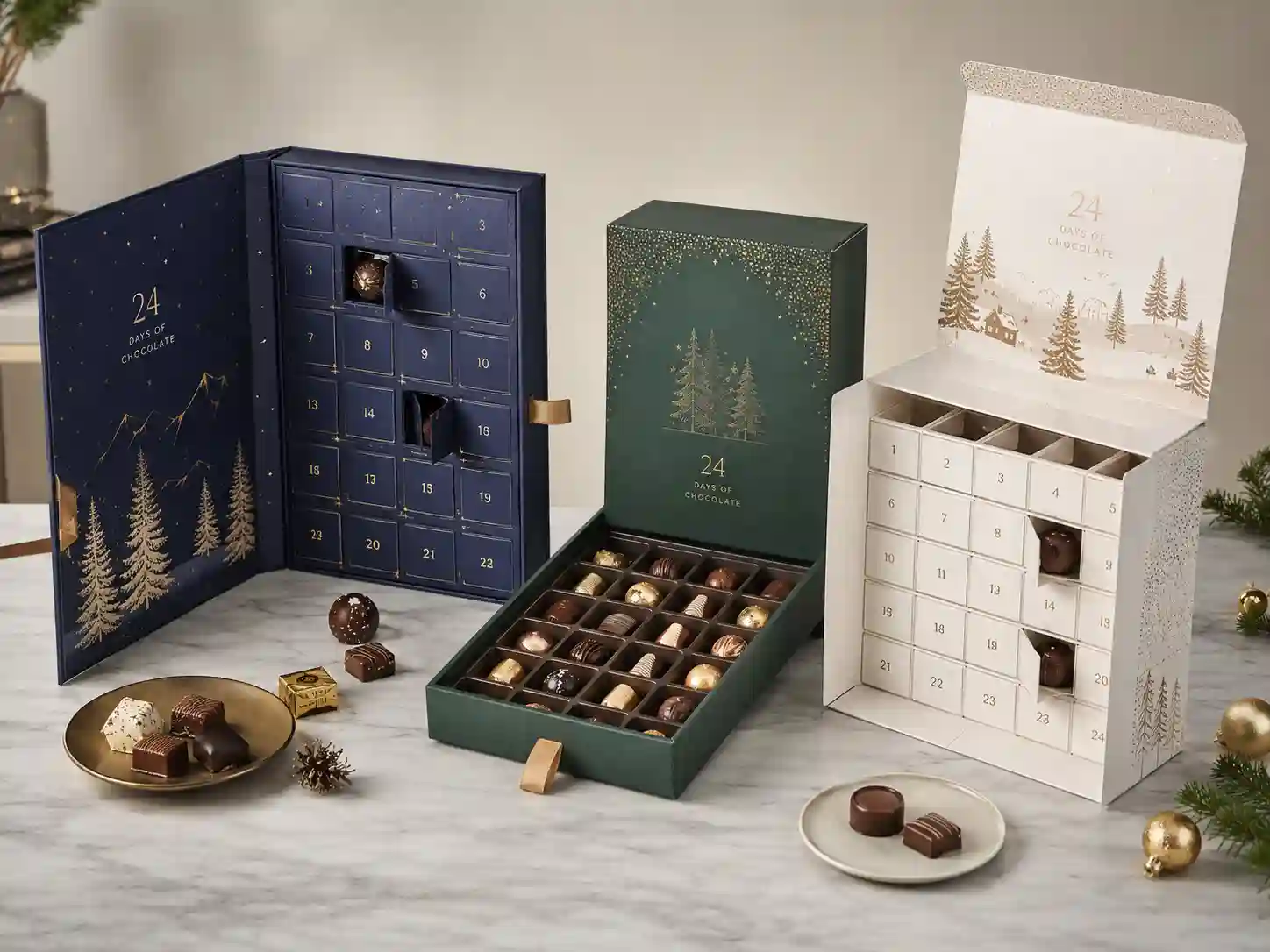
The best structure depends on product weight, retail price point, filling process, and shipping channel. Rigid door-opening boxes are often used for premium chocolate gift sets, while folding carton calendars are better for lighter retail programs with cost and freight efficiency requirements.
| Structure option | Best use case | Main advantage | Buyer watch point |
|---|---|---|---|
| Rigid door-opening box | Premium chocolate collections, luxury seasonal gifts, retail display | Strong presentation, better hand feel, suitable for foil stamping and embossing | Higher material cost, larger shipping volume, longer sample and production planning |
| Drawer box | Chocolate assortments, gift sets, reusable packaging concepts | Smooth opening experience and good product access | Drawer tolerance must be tested so it is not too tight or too loose after lamination |
| Folding carton advent calendar | High-volume retail programs, supermarket channels, lighter chocolates | Lower unit cost and flatter export packing | Paperboard strength, door perforation, and insert support must be checked carefully |
| Book-style or fold-out calendar | Story-based product ranges, mixed chocolates and small gifts | Large artwork area and strong shelf impact | Requires accurate dieline planning to avoid misalignment after assembly |
For chocolate advent calendar boxes, the structure should be selected after checking how products will be loaded. Some buyers fill boxes by hand, while others need a structure suitable for semi-automated packing. A complex rigid box may improve retail value, but it can also increase labor time if each chocolate must be inserted through a narrow opening.
Factory tip: A good prototype should test not only the outside appearance, but also how quickly the chocolates can be loaded, whether the insert stays flat, and whether each numbered door opens without damaging the surrounding print.
How should inserts be designed for chocolate separation and protection?
Inserts should hold each chocolate securely, separate flavors or shapes, and prevent movement during handling. The right insert depends on chocolate size, wrapping, product fragility, sustainability goals, budget, and the required presentation level.
Common insert options include paper insert, PET tray, EVA insert, foam, and molded pulp. For chocolate gift packaging, paper inserts are widely used when the products are individually wrapped and the buyer wants a paper-based structure. PET trays can offer accurate cavities and clear product positioning, but buyers should consider material preference and recycling requirements in the destination market. EVA and foam can protect delicate items, but they are more common for mixed gift sets or fragile non-food accessories than simple chocolate pieces. Molded pulp may be considered when a buyer wants a formed insert with a more paper-based appearance, but tooling, fit tolerance, and surface finish should be reviewed during sampling.
Product separation is especially important when the calendar includes different chocolate types, filled pralines, wrapped bars, or promotional gift items. Even if the chocolate itself is wrapped, buyers should avoid designs where products rub heavily against printed surfaces or move between compartments during export shipping.
QC tip: Insert testing should include shake checks, loading checks, product removal checks, and door-opening checks. A compartment that looks correct in a dieline may still need adjustment after real chocolates are placed inside.
What materials and printing choices matter for chocolate advent calendar boxes?
Material and printing decisions affect strength, appearance, cost, sample accuracy, and production lead time. Buyers should choose paperboard, greyboard, lamination, and finishing based on the structure, retail positioning, and the handling conditions of the chocolate product.
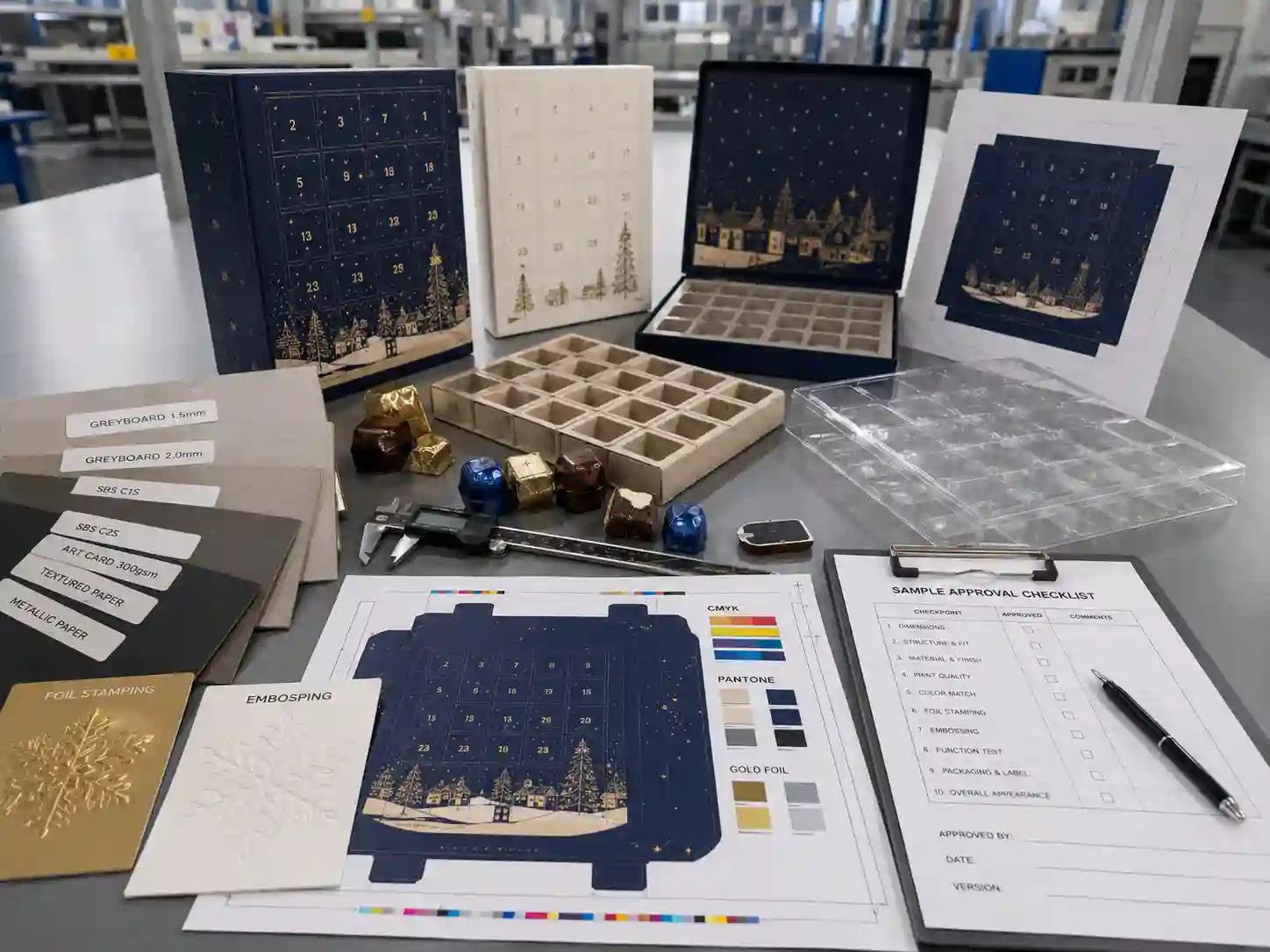
Rigid boxes normally use greyboard wrapped with printed paper. Folding carton calendars typically use paperboard with printed graphics and a die-cut door structure. The board thickness should match the weight of the chocolate set and the size of the calendar. Oversized calendars with thin board may bend during filling or shipping, while overly thick structures can increase freight cost and reduce carton efficiency.
For artwork, buyers should prepare a correct dieline, high-resolution print files, CMYK artwork, Pantone references if brand color matching is important, and clear finishing instructions. Common finishes include matte lamination, gloss lamination, foil stamping, embossing, and spot UV. Matte lamination can create a soft premium look, while gloss lamination may improve color brightness. Foil stamping and embossing can highlight logos, dates, or seasonal design elements, but these processes require accurate positioning and extra sample review.
Food and gift packaging also requires odor and moisture awareness. Buyers should avoid strong-smell materials or inks that may affect the perceived quality of chocolate packaging. The packaging factory can discuss material options, but buyers should verify food-contact expectations, product safety requirements, and destination-market labeling rules with their own compliance team. For general U.S. food-contact packaging reference, buyers can review official FDA food contact substance guidance. For barcodes and retail identification, buyers may also refer to GS1 barcode standards.
What sampling steps should buyers expect before mass production?
Buyers should expect sampling to confirm structure, insert fit, artwork, color, finishing, assembly tolerance, and packing method before mass production. For chocolate advent calendar boxes, sample approval is one of the most important risk-control steps because small compartment errors can affect every unit in the order.
When is a blank sample enough?
A blank sample is useful when the buyer needs to confirm structure, size, opening method, insert layout, loading process, and general strength before investing in full printing. It is often the first prototype for new chocolate sizes or new calendar layouts.
Blank samples may use similar board and structure without final print. They are practical for checking whether the chocolates fit, whether doors open cleanly, and whether the box can be filled efficiently. Buyers should place real product samples inside the blank sample whenever possible.
When should buyers request a printed sample?
A printed sample is recommended when brand color, retail presentation, finishing, or shelf impact is important. It helps buyers check CMYK color, Pantone matching, foil stamping position, embossing depth, spot UV alignment, lamination effect, and artwork readability.
Printed samples may not always match final mass production perfectly if produced by digital proofing or short-run methods, so buyers should ask how the sample is made. For critical color projects, confirm whether the sample is a digital print proof, machine proof, or pre-production sample using mass-production materials and processes.
Why is a pre-production sample important?
A pre-production sample is the final approved reference before bulk production. It should represent the confirmed structure, material, printing, finishing, insert, assembly method, and packing approach as closely as possible.
For large orders, the pre-production sample becomes the quality benchmark for mass production. Any approved changes should be recorded clearly, including revised dieline, artwork version, insert adjustment, board thickness, finishing process, carton packing method, and shipping marks.
Quotable B2B rule: “A chocolate advent calendar sample is not approved until the buyer has checked real product fit, door function, insert stability, printed artwork, and export packing assumptions.”
How do MOQ, cost drivers, and lead time change by packaging option?
MOQ, cost, and lead time depend on structure complexity, material, printing method, finishing, insert type, sample revisions, and packing requirements. A simple folding carton calendar usually has a different cost structure than a rigid drawer box with PET tray, foil stamping, and custom export cartons.
Main cost drivers include box size, board thickness, number of compartments, insert material, die-cut complexity, printing area, Pantone requirements, lamination, foil stamping, embossing, spot UV, assembly labor, packing method, and carton strength. Buyers should also consider sample cost and revision time, especially when launching a new chocolate range.
Lead time is affected by sample approval speed. Delayed artwork feedback, missing product dimensions, unclear insert requirements, or late barcode placement can push the production schedule. For seasonal campaigns, buyers should build time for blank sample review, printed sample review, revisions, pre-production confirmation, mass production, QC, export packing, and international logistics.
Buyer tip: The cheapest quotation is not always the lowest total cost. If a supplier quotes without checking product fit, insert tolerance, carton packing, and shipping requirements, the buyer may face higher risk during filling, inspection, or delivery.
How should buyers compare suppliers for chocolate advent calendar boxes?
Buyers should compare suppliers by structure knowledge, sampling discipline, communication accuracy, QC process, export packing experience, and quotation transparency. A reliable supplier should be able to explain how the box will be made, sampled, inspected, packed, and prepared for shipment.
- Can the supplier recommend rigid box, drawer box, door-opening box, or folding carton options based on product weight and channel?
- Can they create or check a dieline for numbered doors, insert layout, barcode space, and labeling space?
- Do they ask for chocolate dimensions, wrapping method, unit weight, and loading direction before quoting?
- Can they provide blank samples, printed samples, and pre-production sample control?
- Do they explain MOQ, cost drivers, lead time, and revision impact clearly?
- Do they perform final inspection for printing, finishing, structure, insert fit, assembly, and export carton packing?
- Can they support overseas buyers with carton labels, generic shipping marks, pallet planning, and documentation coordination?
Giftpackpro provides custom advent calendar box services for buyers who need support from structure planning to sample approval and bulk production. Buyers can also review custom advent calendar box products to compare structure ideas before finalizing their RFQ.
What should a practical decision guide include?
A practical decision guide should help buyers match packaging structure, insert type, and sampling level to the project risk. The more expensive, fragile, customized, or time-sensitive the chocolate program is, the more important sample control becomes.
| Buyer situation | Recommended decision | Reason |
|---|---|---|
| Premium chocolate gift set for department store retail | Rigid door-opening box with printed sample and pre-production sample | High presentation value and color accuracy are important for retail approval |
| High-volume wrapped chocolate calendar for supermarket channel | Folding carton with paper insert or formed tray | Better unit cost, lighter shipping, and efficient carton packing |
| Mixed chocolates with small gifts or accessories | Drawer box or rigid box with custom insert testing | Different product shapes need stable compartments and loading checks |
| New product size with uncertain fit | Start with blank structural sample | Lower-risk way to verify compartment size before full artwork proofing |
| Strict brand color or foil logo requirement | Request printed sample with clear color and finishing notes | Color, foil stamping, embossing, and spot UV need visual approval |
What QC checks are important before shipment?
QC should confirm that the approved sample has been followed in mass production. For chocolate advent calendar boxes, inspection should focus on structure, print quality, insert fit, door function, cleanliness, assembly tolerance, carton strength, and export packing.
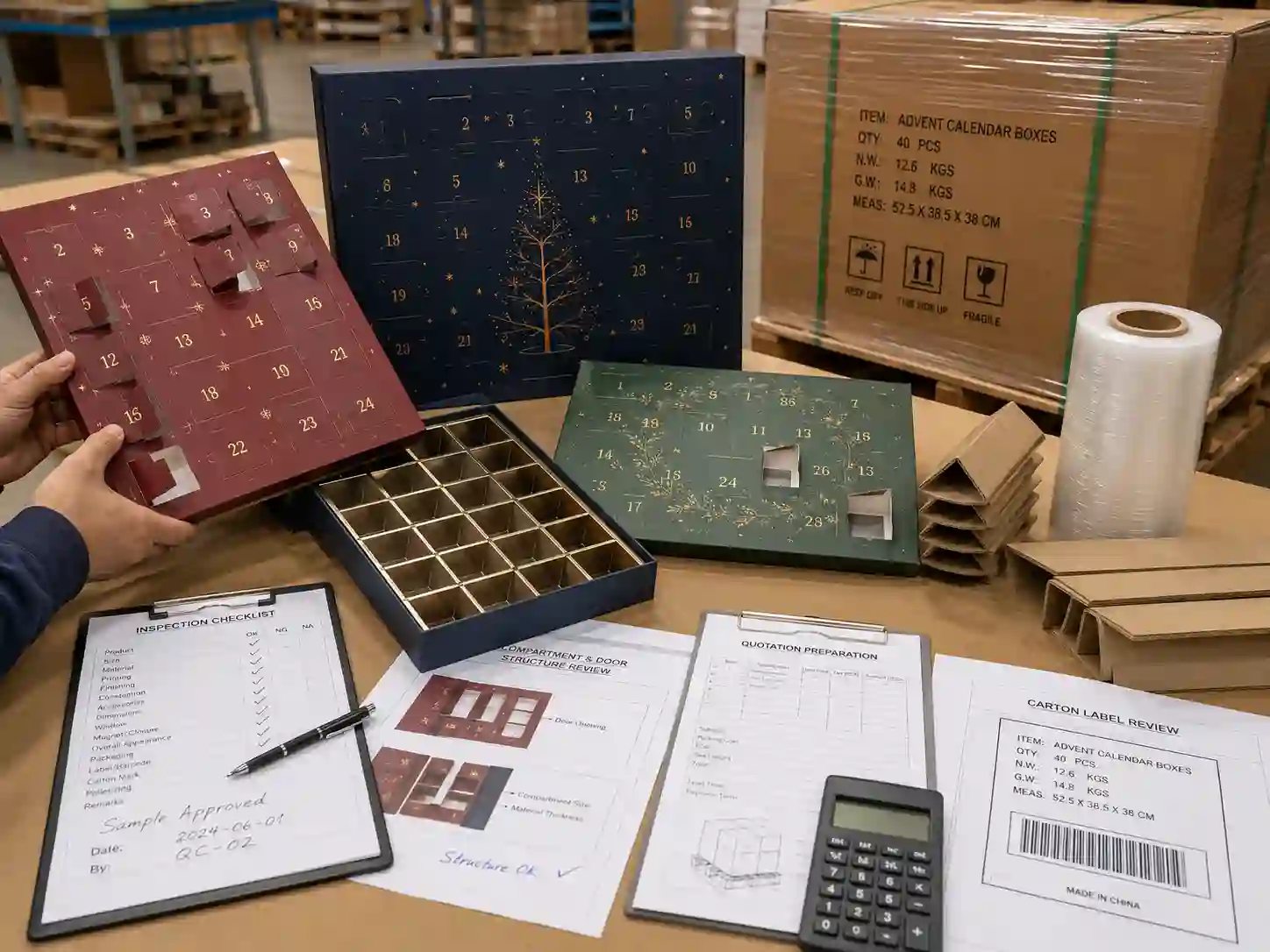
Important inspection points include outer dimensions, board thickness, lamination surface, color consistency, foil stamping position, embossing effect, spot UV alignment, glue strength, door perforation, insert placement, compartment count, barcode area, label area, and carton marking. The inspection team should compare production units against the signed sample and approved artwork version.
Export packing matters because advent calendar boxes often have large flat surfaces, corners, doors, and printed panels that can be damaged by compression or rubbing. Buyers should discuss inner poly bags if needed, master carton size, carton strength, corner protectors, pallet wrapping, moisture awareness, and shipping marks. For structured transport testing concepts, buyers may review official information from ISTA and decide whether their project requires formal testing with their logistics or quality team.
QC tip: Export cartons should protect the calendar box, not only contain it. Weak cartons can turn a good production run into a damaged delivery.
What information should buyers prepare before requesting a quotation?
Buyers should prepare product details, box requirements, artwork expectations, sampling needs, MOQ target, destination, and packing preferences before requesting a quotation. Complete RFQ information helps the factory quote faster and reduces revision cycles.
Quotation preparation checklist
- Chocolate type, quantity per set, individual product size, unit weight, and wrapping method
- Preferred box structure: rigid box, drawer box, door-opening box, folding carton, or open to recommendation
- Calendar layout, number of compartments, door numbering plan, and product loading direction
- Insert preference: paper insert, PET tray, EVA insert, foam, molded pulp, or factory recommendation
- Outer box size target or retail shelf size limit
- Artwork file, dieline if available, CMYK and Pantone requirements
- Finishing requirements such as matte lamination, gloss lamination, foil stamping, embossing, or spot UV
- Barcode, label, warning text, recycling marks, and destination-market labeling space
- Sample request: blank sample, printed sample, or pre-production sample
- Target MOQ, expected order quantity, delivery deadline, and destination port or country
- Export packing requirements, carton labels, shipping marks, pallet preference, and e-commerce handling needs
Buyers can contact the Giftpackpro packaging factory team with these details or request a custom quote after preparing product dimensions and artwork requirements. For more planning topics, the advent calendar box buying guides section can help purchasing teams compare structures, inserts, printing, sampling, and production decisions.
What common mistakes should buyers avoid?
The most common mistakes are quoting too early with incomplete product details, skipping sample approval, ignoring insert fit, leaving label space too late, and underestimating export packing. These issues can create delays, cost changes, or quality disputes during mass production.
- Approving artwork without checking the dieline: Door numbers, fold lines, glue areas, and cut lines must be checked before printing.
- Choosing structure only by appearance: A beautiful rigid box may not suit the filling process or shipping budget.
- Forgetting odor and moisture awareness: Chocolate gift packaging should avoid strong-smell materials and should be packed with reasonable storage and shipping conditions in mind.
- Using one insert design for different chocolate sizes: Small size differences can cause loose fit, tilted products, or difficult loading.
- Skipping the pre-production sample: Large seasonal orders need a final benchmark before mass production begins.
- Leaving carton labels and shipping marks until the end: Export carton information should be confirmed before packing starts.
FAQ: Chocolate advent calendar boxes for B2B buyers
What is the best structure for chocolate advent calendar boxes?
The best structure depends on product weight, target price, retail channel, and filling method. Premium chocolate brands often choose rigid door-opening or drawer boxes, while high-volume retail projects may choose folding carton calendars for better cost and freight efficiency.
Do chocolate advent calendar boxes need food-contact materials?
It depends on whether the chocolate directly touches the packaging. If chocolates are individually wrapped, the packaging may function mainly as secondary gift packaging. If direct contact is possible, buyers should discuss material requirements carefully and verify applicable rules with their compliance team before approval.
Should buyers approve a blank sample or printed sample first?
For a new structure or new chocolate size, start with a blank sample to confirm fit, door function, and insert stability. For brand color, retail approval, or finishing effects, a printed sample or pre-production sample is recommended before mass production.
What affects the MOQ of custom chocolate advent calendar boxes?
MOQ is affected by structure, material purchasing, printing setup, finishing process, insert tooling, and assembly complexity. Buyers should share target quantity early so the factory can recommend a realistic structure and production method.
How can buyers reduce packaging cost without reducing quality too much?
Buyers can simplify structure, reduce oversized dimensions, use efficient paperboard thickness, choose practical inserts, limit complex finishing, combine similar SKUs, and confirm artwork early. Cost control should not remove necessary insert support or export carton strength.
What should be checked during sample approval?
Check product fit, compartment count, insert stability, door opening, artwork position, color, finishing, barcode space, label space, assembly quality, odor awareness, carton packing plan, and any changes from the quotation.
Ready to develop custom chocolate advent calendar boxes?
Chocolate advent calendar boxes should be developed through a controlled process: define the product, choose the structure, test the insert, approve the dieline, review the sample, confirm QC points, and plan export packing before mass production. This approach helps overseas brands and purchasing teams reduce risk while building packaging that works for retail, gifting, wholesale, and e-commerce channels.
To start a project with Giftpackpro, prepare your chocolate size, quantity per set, preferred structure, insert idea, artwork files, sample request, target MOQ, destination market, and packing requirements. Then send these details through the request a custom quote page so the team can review structure, sampling, lead time, and quotation options for your custom advent calendar boxes.