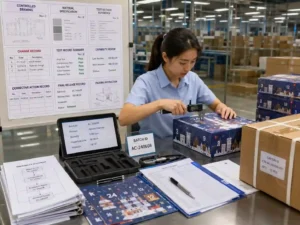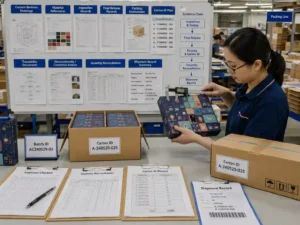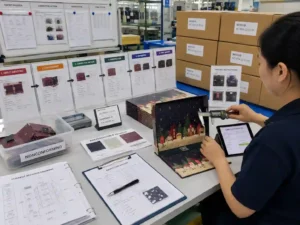
Reducing plastic in product inserts does not mean removing all retention performance. A successful plastic-free retention design replaces plastic support with engineered cavity geometry, material selection, controlled friction, and validated product positioning. The key is to balance secure holding, easy removal, appearance, and transport stability through drawings, prototypes, measurements, and loaded tests before production approval.
How can plastic-free inserts maintain product retention?
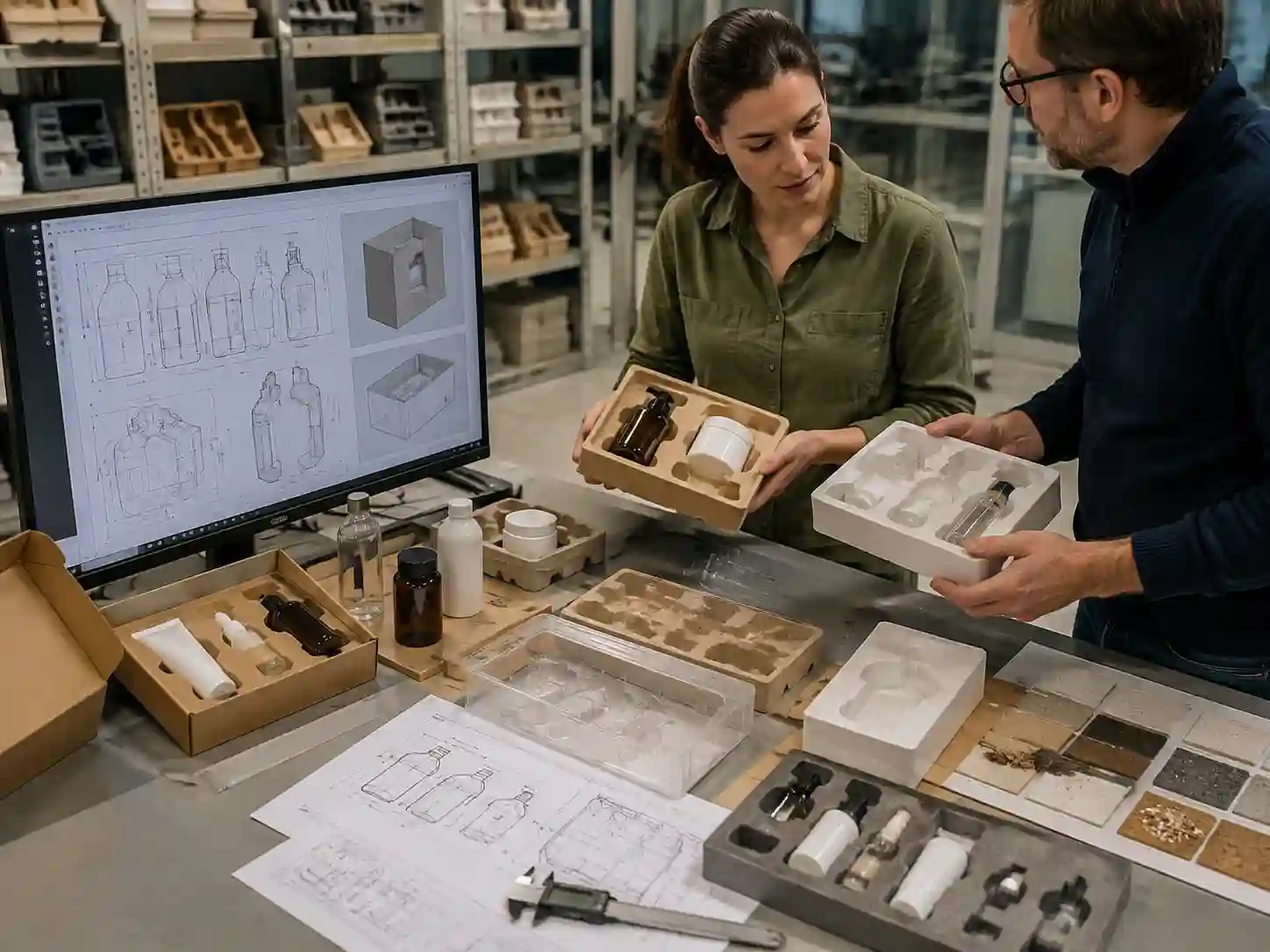
Plastic-free inserts maintain retention by using the structure of the insert rather than relying only on rigid plastic cavities. Paperboard, molded pulp, and other fiber-based solutions can secure products when cavity dimensions, support points, and product orientation are correctly engineered.
The retention function usually depends on several design elements:
- Cavity geometry: The opening shape must match the product profile while allowing controlled movement.
- Support points: Contact areas should hold the product without creating excessive pressure.
- Material stiffness: The insert must resist deformation after loading and during transport.
- Removal access: Users or packers need enough space to remove products without damaging the insert.
What materials can replace plastic inserts without losing performance?
The best replacement depends on product weight, shape, protection requirements, and presentation goals. A material change should be evaluated through actual product samples rather than assumed from appearance alone.
| Insert material | Retention approach | Suitable considerations |
|---|---|---|
| Paperboard insert | Folded supports, locking tabs, shaped cavities | Suitable for lighter products and efficient manual packing |
| Molded pulp insert | Formed cavities and surrounding support walls | Useful when fiber-based protection and dimensional control are required |
| EVA or foam insert | Compression and friction retention | Provides strong holding but does not always meet plastic reduction targets |
| PET tray | Rigid formed cavities | High dimensional consistency but may require alternatives for reduced plastic objectives |
For projects targeting lower plastic use, the comparison should focus on whether the alternative material can achieve the same retention result under realistic loading conditions.
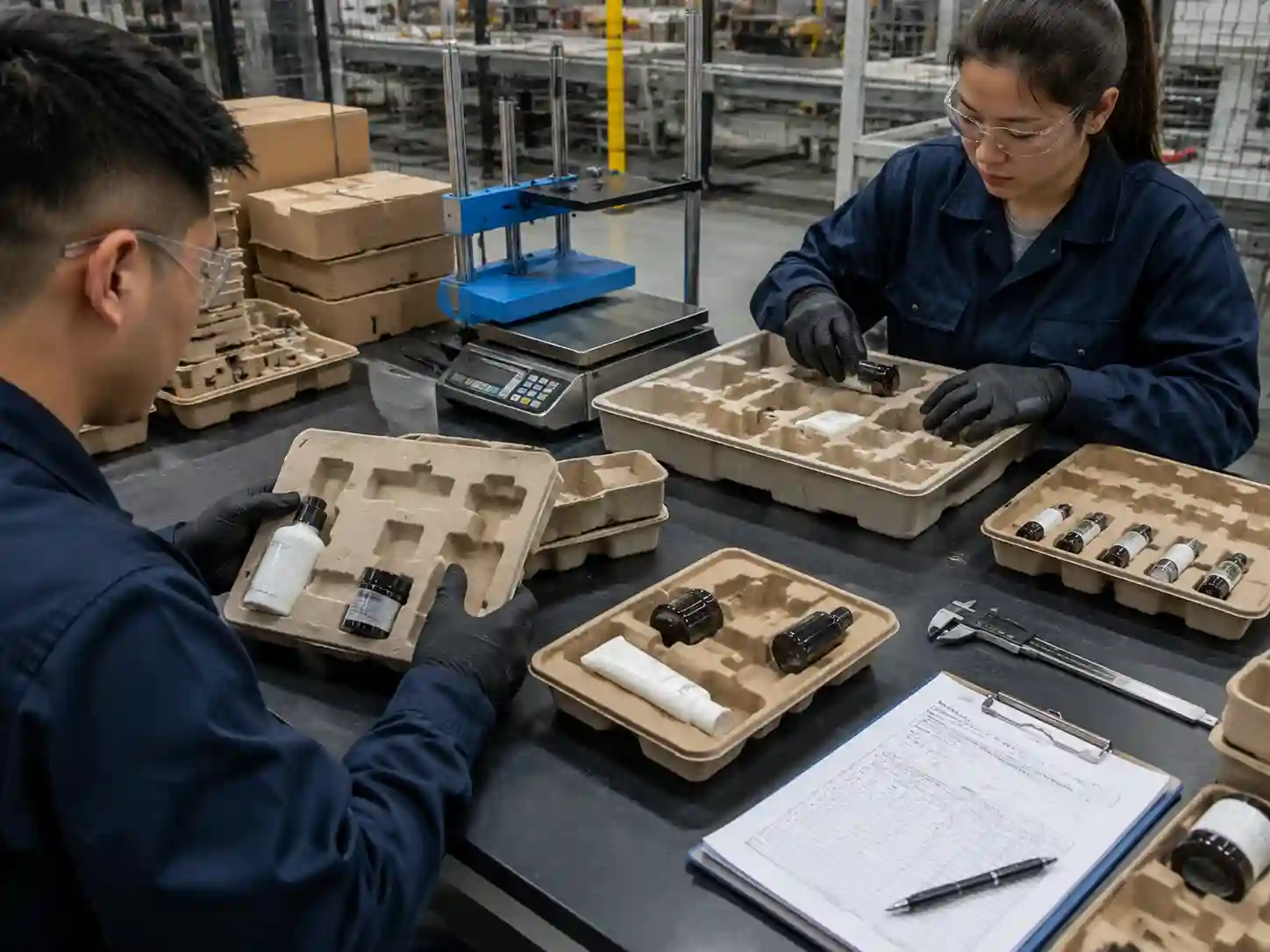
How do you design cavity geometry for plastic free product retention?
Cavity geometry should be designed around the actual product dimensions, including shape variations, protective packaging, and areas that can safely contact the insert.
What measurements are needed before designing the cavity?
Important measurements normally include product length, width, height, roundness, weight, center of gravity, and any fragile or protruding areas such as caps, pumps, or closures.
Engineers should also confirm:
- Which surfaces can support product weight.
- Which areas must avoid pressure or contact.
- How much finger access is required for removal.
- How much movement is acceptable during transport.
How are retention points balanced with easy removal?
Retention points should prevent unwanted movement while avoiding excessive force during removal. A common approach is to use multiple small support areas instead of one aggressive holding point.
Project-dependent factors include product fragility, retail presentation requirements, packing method, and whether products are loaded manually or automatically.
What checks verify that plastic-free retention works?
Retention performance should be verified through physical samples, dimensional checks, and product loading tests. Drawings alone cannot confirm how a fiber insert behaves after assembly.
What fit-test steps should be completed?
- Confirm the final product sample dimensions against the insert drawing.
- Load products into prototype cavities and check orientation.
- Evaluate insertion force and removal access.
- Inspect whether the insert bends, cracks, or loses support.
- Review loaded samples after handling or transport simulation.
Approval records should include the tested sample version, measured dimensions, insert revision, and any agreed changes before production release.
How do you evaluate plastic-free inserts for transport performance?
A plastic-free insert must protect products not only during display but also during handling and shipment. The main risk is that repeated movement or vibration causes cavity deformation or product shifting.
| Transit check | What to review |
|---|---|
| Loaded weight review | Whether the insert structure supports the actual product load |
| Movement inspection | Whether products rotate, slide, or lift from cavities |
| Compression review | Whether stacking pressure affects insert shape |
| Final packaging check | Whether the complete calendar structure maintains product position |
Actual transport requirements vary by product category, shipping method, and outer packaging design. Buyers should approve performance based on tested samples rather than material claims alone.
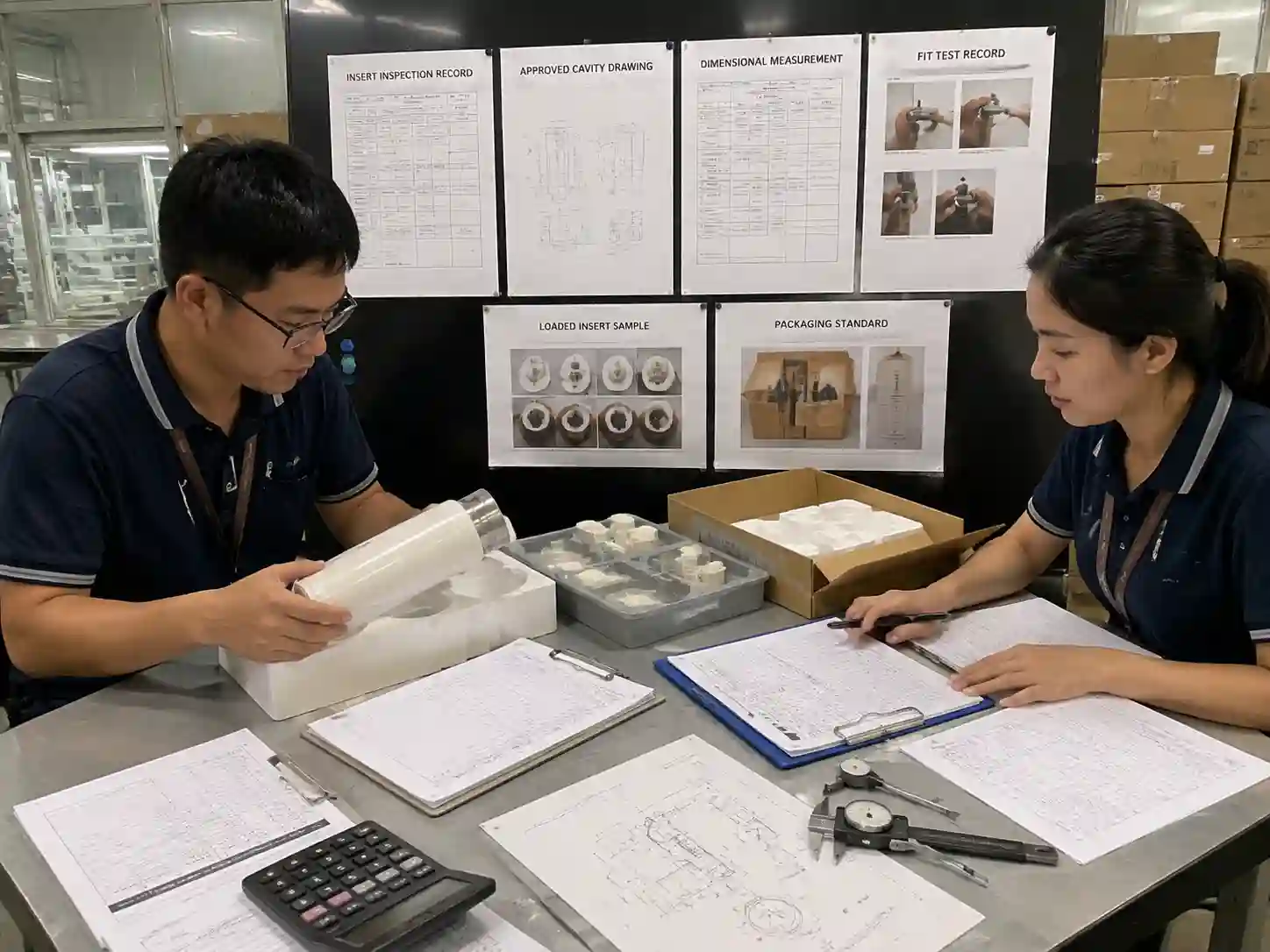
What evidence should buyers request before approving a plastic-free insert?
Buyers should review technical evidence that connects the design decision to actual product performance. Useful approval materials may include:
- Approved cavity drawings with dimensions.
- Prototype fit-test photos or records.
- Material specifications and insert samples.
- Inspection notes showing retention and positioning checks.
- Supplier revision records for approved changes.
These records help ensure that reducing plastic content does not create unexpected risks during packing or shipment.
Frequently asked questions about plastic-free product retention
Can paperboard inserts replace plastic trays for all products?
No. The suitable solution depends on product weight, shape, fragility, and required protection level. Some products may need hybrid structures or additional reinforcement.
Does reducing plastic always reduce packaging strength?
No. Strength depends on engineering design, material thickness, support structure, and loading conditions rather than material type alone.
When should a buyer approve a plastic-free insert design?
Approval should happen after reviewing physical samples, dimensional checks, product loading results, and any required transport evaluations.
Giftpackpro supports custom advent calendar packaging projects with insert design, product retention evaluation, and production review. For a project-specific discussion, request a custom quote or explore our custom advent calendar box services.