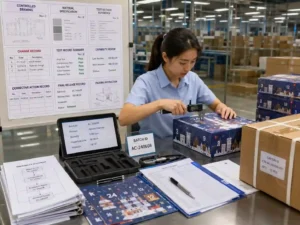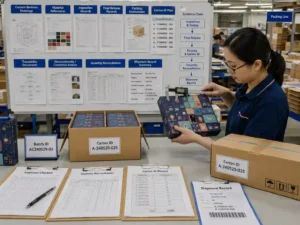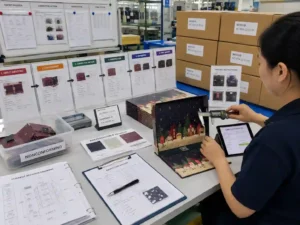
Quick answer: Packaging samples often reveal weak production control through small inconsistencies that indicate poor process discipline. Missing measurement records, unclear material approvals, unstable assembly quality, uncontrolled changes, and samples that cannot be traced back to production methods are warning signs. A reliable supplier should provide evidence showing how the sample was made, checked, approved, and transferred into mass production.
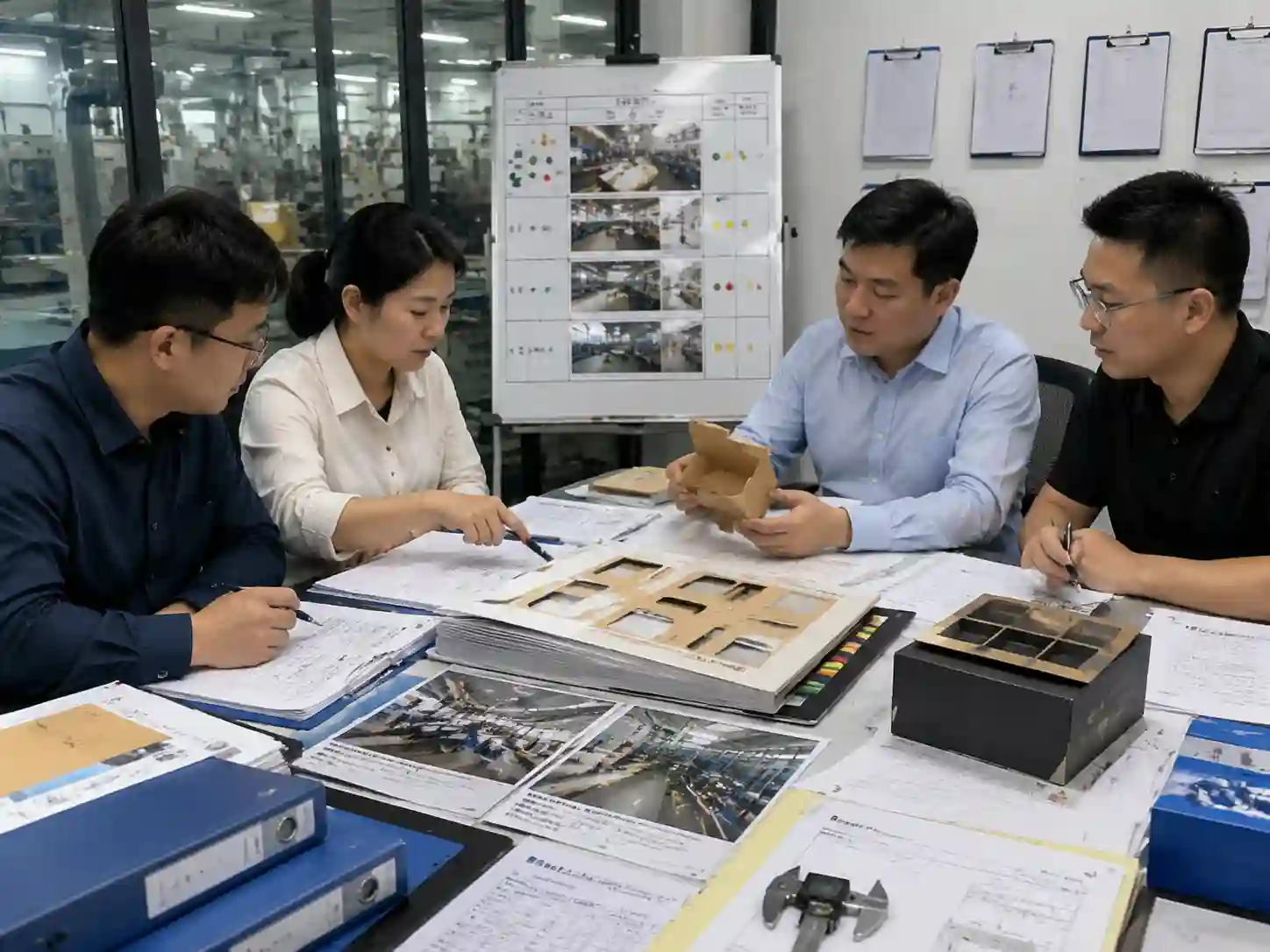
What sample details are the strongest warning signs of weak production control?
The most important warning signs are not cosmetic imperfections alone. They are missing evidence, inconsistent specifications, and unclear control methods behind the sample.
When reviewing custom advent calendar boxes or seasonal paper packaging samples, buyers should check whether the supplier can explain:
- Which approved drawings or specifications were used.
- Which materials, finishes, and components were selected.
- How dimensions and assembly functions were verified.
- Which sample version represents the intended production standard.
- How changes after sampling will be controlled.
A sample that looks acceptable but has no supporting records creates a higher risk during production because the supplier may not have a repeatable process.
How do missing sample records indicate supplier control problems?
Missing records are one of the clearest packaging sample supplier quality warning signs because they show whether the supplier controls information before production begins.
A controlled supplier should normally maintain evidence such as:
| Evidence to Review | What It Shows | Potential Risk If Missing |
|---|---|---|
| Approved sample reference | Which version should be matched during production | Factory may produce from outdated artwork or specifications |
| Sample inspection notes | Dimensions, appearance, and functional checks | Problems may be accepted without documented review |
| Material confirmation | Paperboard, wrapping, finishing, and component choices | Mass production materials may differ from the approved sample |
| Change records | Control of revisions after approval | Unapproved modifications may enter production |
These records do not need to be complex, but they should clearly connect the approved sample with the manufacturing process.
Which physical sample defects suggest weak process control?
Physical defects become more meaningful when they show repeated process instability rather than isolated handling issues.
Do inconsistent dimensions reveal production weaknesses?
Yes. Uneven drawer sizes, inconsistent compartment spacing, loose magnetic closures, or changing panel alignment can indicate that measurements are not controlled during manufacturing.
Buyers should request measurement checks for important functional areas, including:
- Drawer opening and closing movement.
- Compartment dimensions.
- Panel squareness and alignment.
- Folding and assembly accuracy.
- Clearance around inserts and internal components.
Project requirements vary depending on the packaging structure, but critical dimensions should always have defined acceptance criteria before production approval.
Can finishing inconsistencies reveal supplier risks?
Yes. Differences in foil application, embossing depth, printed alignment, coating appearance, or surface protection may indicate weak production monitoring.
A supplier should be able to explain whether the variation comes from material characteristics, process limits, or an uncontrolled production issue. The buyer should avoid approving samples without understanding which appearance details are critical and which variations are acceptable.
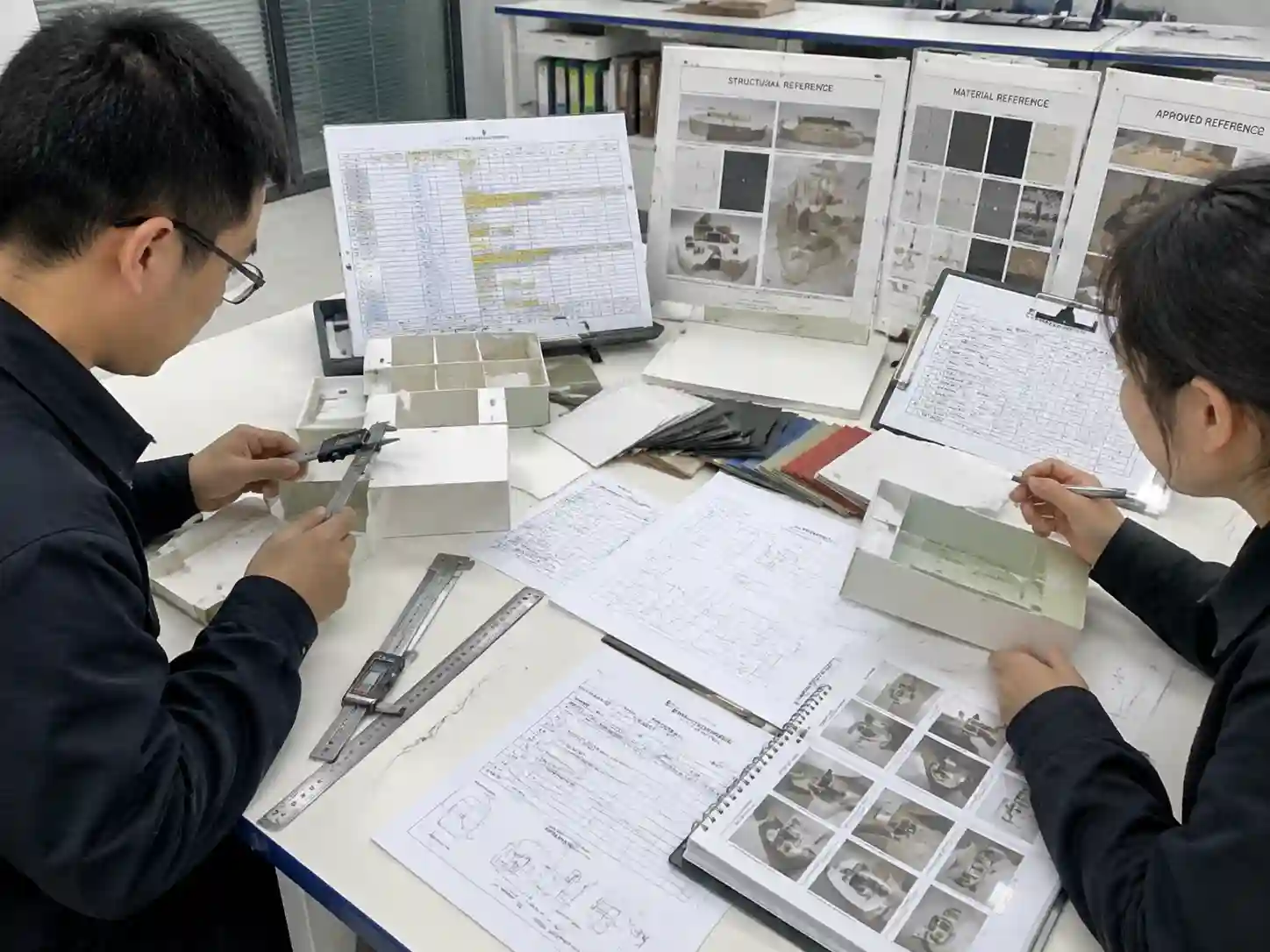
How can buyers verify whether a sample represents real production capability?
The best verification method is comparing the sample with supplier evidence rather than judging appearance alone.
Useful verification steps include:
- Request the sample drawing, specification sheet, or approved reference information.
- Confirm that the sample uses the same production method planned for bulk manufacturing.
- Review inspection points used during sampling.
- Ask how subcontracted processes, such as printing or special finishing, are controlled.
- Confirm who approves design, material, and production changes.
A supplier that can explain the complete path from sample approval to production control provides stronger evidence of manufacturing discipline.
What supplier evidence should buyers compare before approving a sample?
Buyers should compare sample quality with documented supplier controls, not only with photographs or finished appearance.
| Verification Area | Evidence to Request | Risk Indicated |
|---|---|---|
| Sample consistency | Inspection records and measurement sheets | Unstable repeat production |
| Production method | Process explanation and equipment references | Unknown manufacturing capability |
| Material control | Material specifications and approval records | Substitution without approval |
| Correction process | Issue records and corrective actions | Problems repeated without improvement |
Which sample approval mistakes create production risks?
The biggest mistake is treating the sample as only a visual reference instead of a production control document.
Before approval, buyers should separate three areas:
- Verifiable facts: measurements, approved materials, sample versions, inspection results, and documented changes.
- Project-dependent recommendations: acceptable tolerances, inspection frequency, and critical appearance requirements.
- Buyer approvals: final artwork, finishes, structural details, and any changes affecting production.
Clear approval responsibility reduces disputes because both sides understand which sample details must be reproduced and which decisions remain open.
What sourcing teams should include in a sample review checklist?
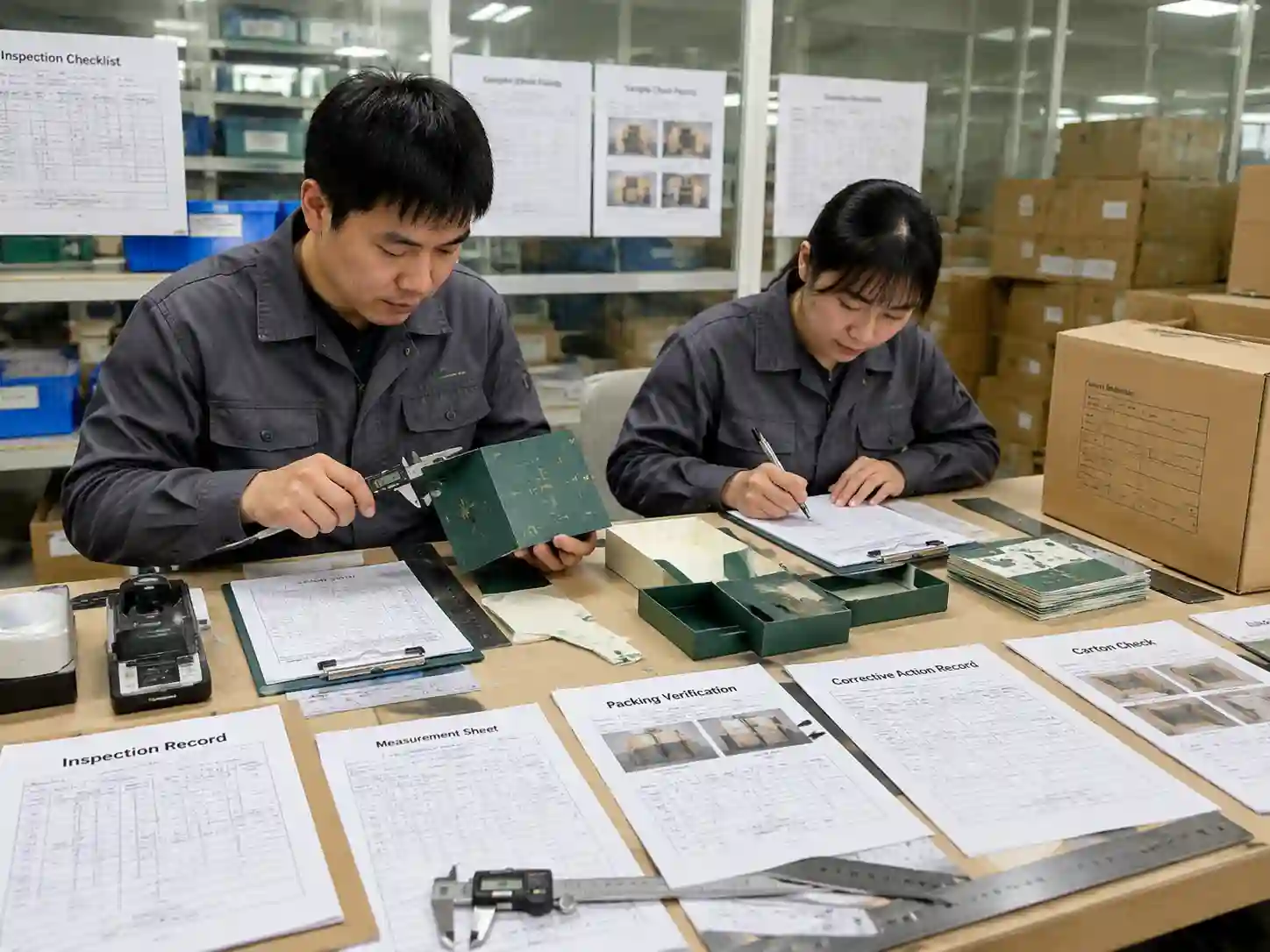
A practical sample review checklist should focus on evidence, repeatability, and production readiness.
- Confirm the sample version and approval status.
- Check dimensions against drawings or specifications.
- Review assembly functions and moving parts.
- Confirm materials and finishes match requirements.
- Record acceptable variations before production.
- Verify that changes after approval require documented confirmation.
For custom packaging projects, this approach helps buyers distinguish between a supplier that can make one acceptable sample and a supplier that can control repeated production.
Frequently asked questions
Is a perfect-looking sample enough to approve a supplier?
No. A good-looking sample does not prove production control. Buyers should also review measurements, approval records, process explanations, and change controls.
Should buyers reject suppliers because of minor sample defects?
Not always. Minor issues may be correctable if the supplier identifies the cause and provides a clear corrective action. The concern is whether the supplier controls and learns from the issue.
Why are sample changes after approval risky?
Uncontrolled changes can affect materials, dimensions, printing, assembly, and final performance. Any important change should be reviewed and approved before production continues.
Giftpackpro supports commercial buyers with custom packaging development, sample review, and production communication processes. Learn more about custom advent calendar box services, explore custom advent calendar box products, or request a custom quote for your packaging project.