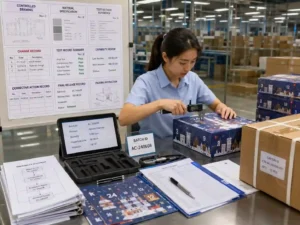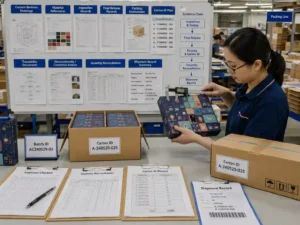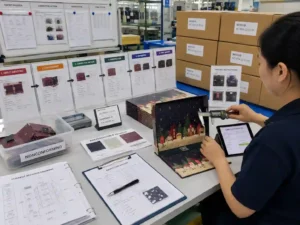
Quick answer: Preventing cosmetic tubes from bending in shallow calendars requires matching the tube dimensions, material flexibility, and closing pressure with the calendar structure. Engineers typically control cavity depth, support points, product orientation, and clearance around the tube body. Fit samples, measurement records, and production inspections help confirm that tubes remain straight without excessive compression or movement.
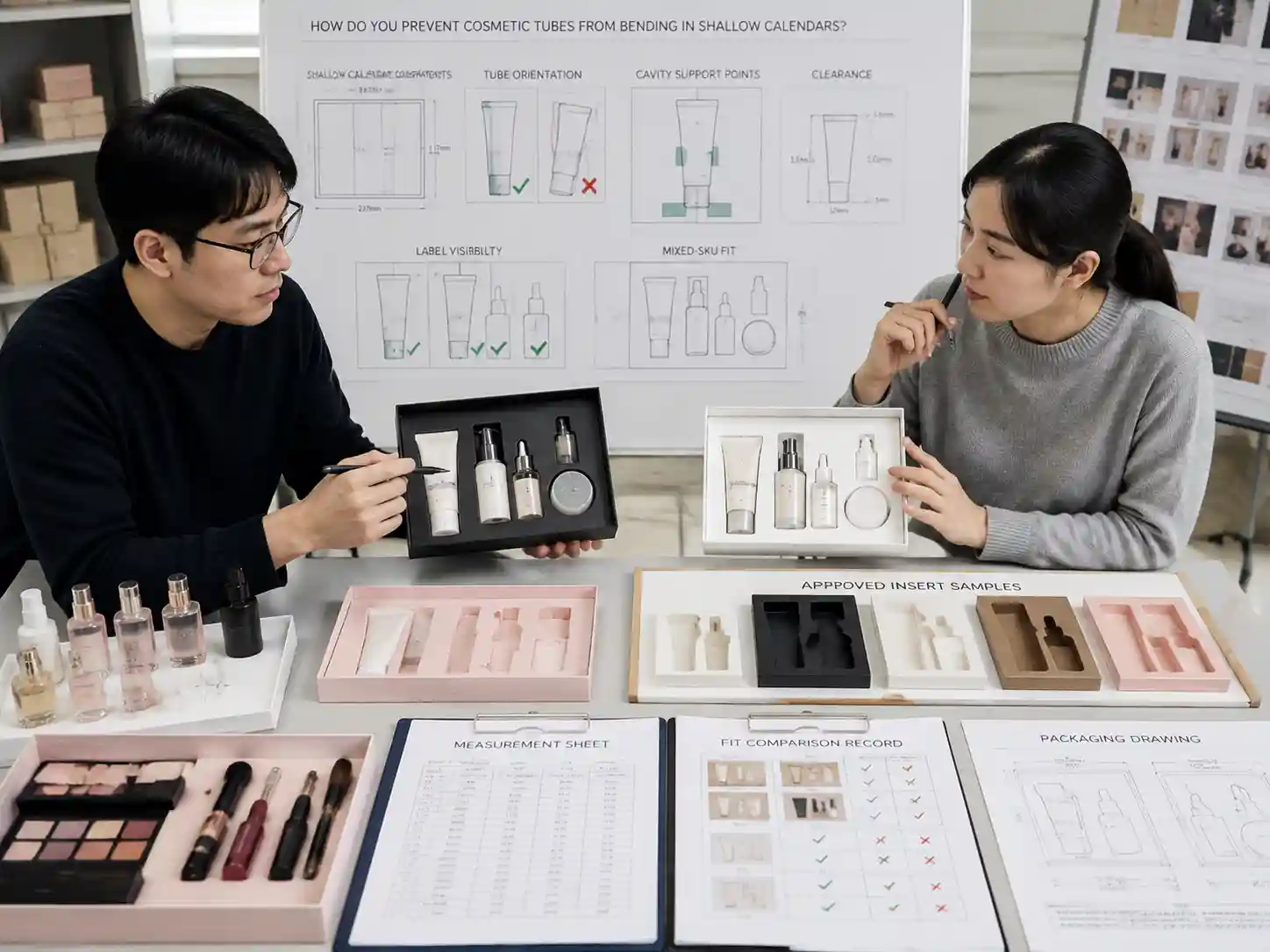
Why do cosmetic tubes bend inside shallow advent calendars?
Cosmetic tubes bend when the packaging cavity does not provide enough structural support for the tube shape, especially when the calendar depth is limited. Soft plastic tubes, laminated tubes, and lightweight squeeze containers can deform if they are compressed by covers, inserts, or neighboring products.
The main risks usually come from:
- Insufficient cavity depth compared with the filled tube diameter.
- Side pressure from tight compartments or inaccurate insert dimensions.
- Incorrect product orientation that places stress on weak tube areas.
- Mixed-SKU loading where different tube sizes share unsuitable spaces.
How does cosmetic tube bending prevention start during packaging design?
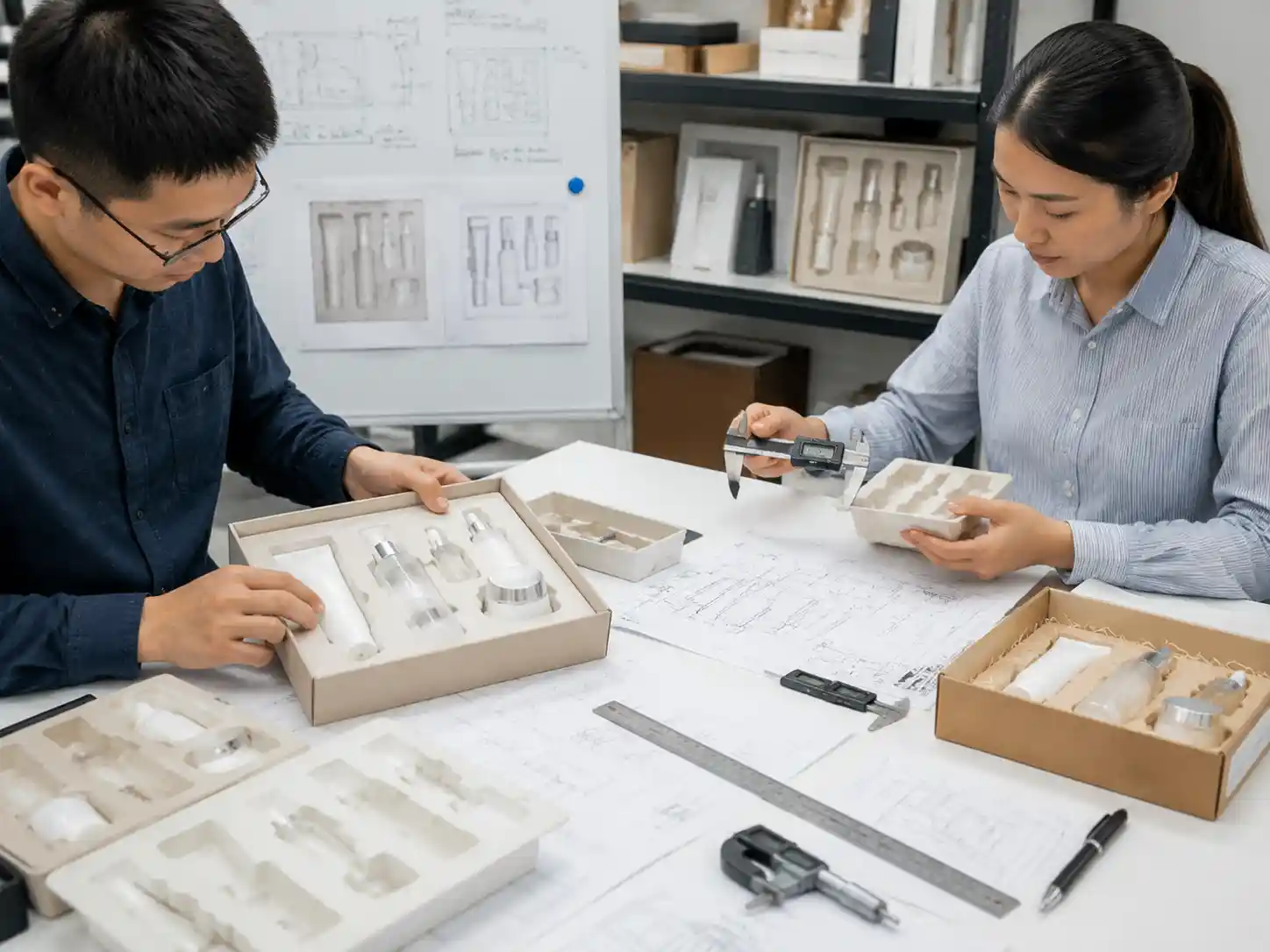
Cosmetic tube bending prevention starts by defining the product envelope before finalizing the calendar compartment design. Engineers should measure the filled tube, not only the empty package, because filling levels and cap positions can affect the final dimensions.
Important design inputs include:
- Overall tube length, width, thickness, and cap height.
- Body flexibility and likely deformation points.
- Label area protection requirements.
- Clearance needed for loading and removal.
Drawings should identify the supported areas of the tube body and the areas that must remain free from pressure. A shallow calendar may require a wider cavity, a shaped support insert, or a different tube orientation rather than simply reducing space.
Which packaging features help keep cosmetic tubes straight?
The most effective solution is controlled support rather than maximum tightness. A compartment should hold the tube securely while avoiding compression forces that create permanent bends.
| Risk area | Packaging control | Verification method |
|---|---|---|
| Tube body pressure | Use support points around stable areas instead of pressing flexible surfaces. | Loaded sample inspection and visual comparison. |
| Limited calendar depth | Adjust cavity geometry and product orientation. | Dimension checks against approved drawings. |
| Movement during handling | Reduce excessive clearance with fitted inserts. | Movement test with loaded compartments. |
| Mixed product sizes | Create SKU-specific cavities where required. | Fit validation using actual products. |
How should engineers test cosmetic tubes before production?
A practical fit test should use filled production-intent tubes and the final calendar structure. Testing empty samples may hide bending problems because empty tubes often behave differently from filled products.
- Place the tube into the approved compartment orientation.
- Close the calendar structure and check for contact pressure.
- Measure tube alignment before and after closing.
- Inspect caps, seals, labels, and tube surfaces for marks or deformation.
- Record results with photos, dimensions, and approval notes.
Project requirements vary depending on tube material, product weight, filling condition, and the expected distribution environment. The approved reference should be based on actual product samples rather than assumptions.
What checks should buyers request before approving tube calendar packaging?
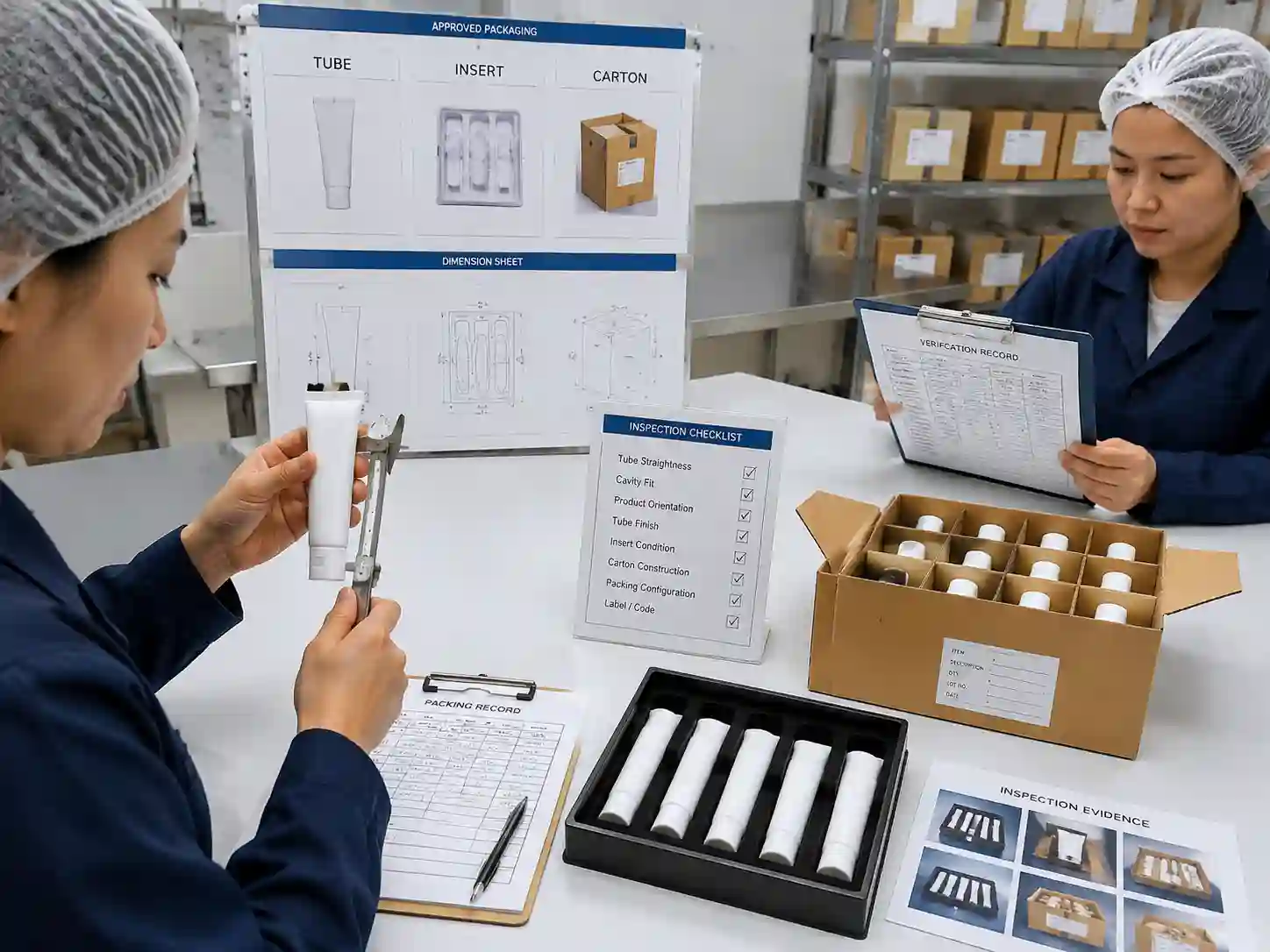
Buyers should review evidence that the packaging protects the cosmetic tube during loading, closing, and handling. Useful records include dimensional drawings, fit-test photos, sample approval forms, and inspection notes.
- Confirmed tube dimensions and compartment measurements.
- Photos showing the loaded product position.
- Notes identifying any pressure points or clearance concerns.
- Approval records matching the final packaging configuration.
What production controls reduce tube bending after approval?
Production control focuses on keeping the approved structure consistent during assembly. Even a correct design can create bending issues if inserts, partitions, or product placement change during packing.
A loaded-SKU checklist can include:
- Correct tube version and size loaded into the assigned cavity.
- Tube orientation matches the approved layout.
- No visible bending after closing the calendar.
- No excessive force required during insertion.
- Final packed units match approved reference samples.
Inspection records should connect the checked products with the approved packaging drawings and packing instructions. This creates traceability when different tube formats or seasonal products are involved.
How do shallow calendar designs balance protection and packaging efficiency?
Shallow structures require careful balance between compact dimensions and product protection. Reducing space too aggressively can increase bending risk, while excessive clearance can allow movement and create scuffing.
The correct solution depends on the tube construction, product category, insert material, and required presentation quality. Packaging engineers normally confirm the final balance through samples, measurements, and buyer approval before bulk production.
FAQs
Can a standard insert prevent all cosmetic tube bending?
No. Insert performance depends on the tube size, flexibility, weight, and compartment design. A standard shape may not support every cosmetic tube format.
Should cosmetic tubes be packed vertically or horizontally in shallow calendars?
It depends on the tube dimensions and available depth. The preferred orientation is the one that minimizes stress while maintaining stable positioning and label visibility.
What evidence shows that a tube calendar design is approved?
Common evidence includes approved drawings, loaded sample photos, measurement records, inspection notes, and signed packaging approval documentation.
Giftpackpro develops custom seasonal packaging structures for commercial projects, including solutions that require careful product fit and protection. Explore custom advent calendar box products, review custom advent calendar box services, or request a custom quote for your packaging requirements.