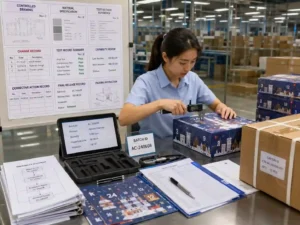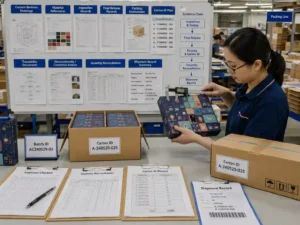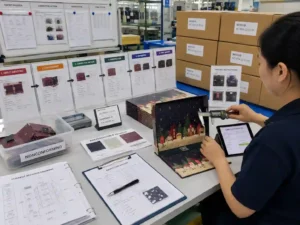
Quick answer: Designing compartments for airless skincare bottles requires matching the insert cavity to the bottle shape, dispenser height, label area, and handling risks. The process starts with accurate product measurements, then uses prototype fit checks to control movement, pump protection, scuffing, and presentation. A suitable airless bottle advent calendar insert should hold each SKU securely without creating pressure on the actuator or damaging the package surface.
What Makes Airless Skincare Bottles Different to Pack?
Airless skincare bottles need compartment designs that protect both the container and the dispensing mechanism. Unlike simple jars or tubes, airless packs often include a pump head, actuator area, moving internal components, and specific upright requirements.
Important design considerations include:
- Pump protection: The cavity should prevent direct pressure on the dispenser during loading, transport, and customer handling.
- Bottle stability: The insert should control side-to-side movement while avoiding excessive compression.
- Surface protection: Contact points should reduce scratches, scuffing, and label damage.
- Presentation: The bottle should remain correctly oriented so labels and premium finishes are visible when opened.
How Do You Design an Airless Bottle Advent Calendar Insert?
The design process begins with product data rather than the calendar structure alone. The insert cavity must be developed around the actual skincare bottle dimensions and the approved packing orientation.
1. Measure the Complete Product Profile
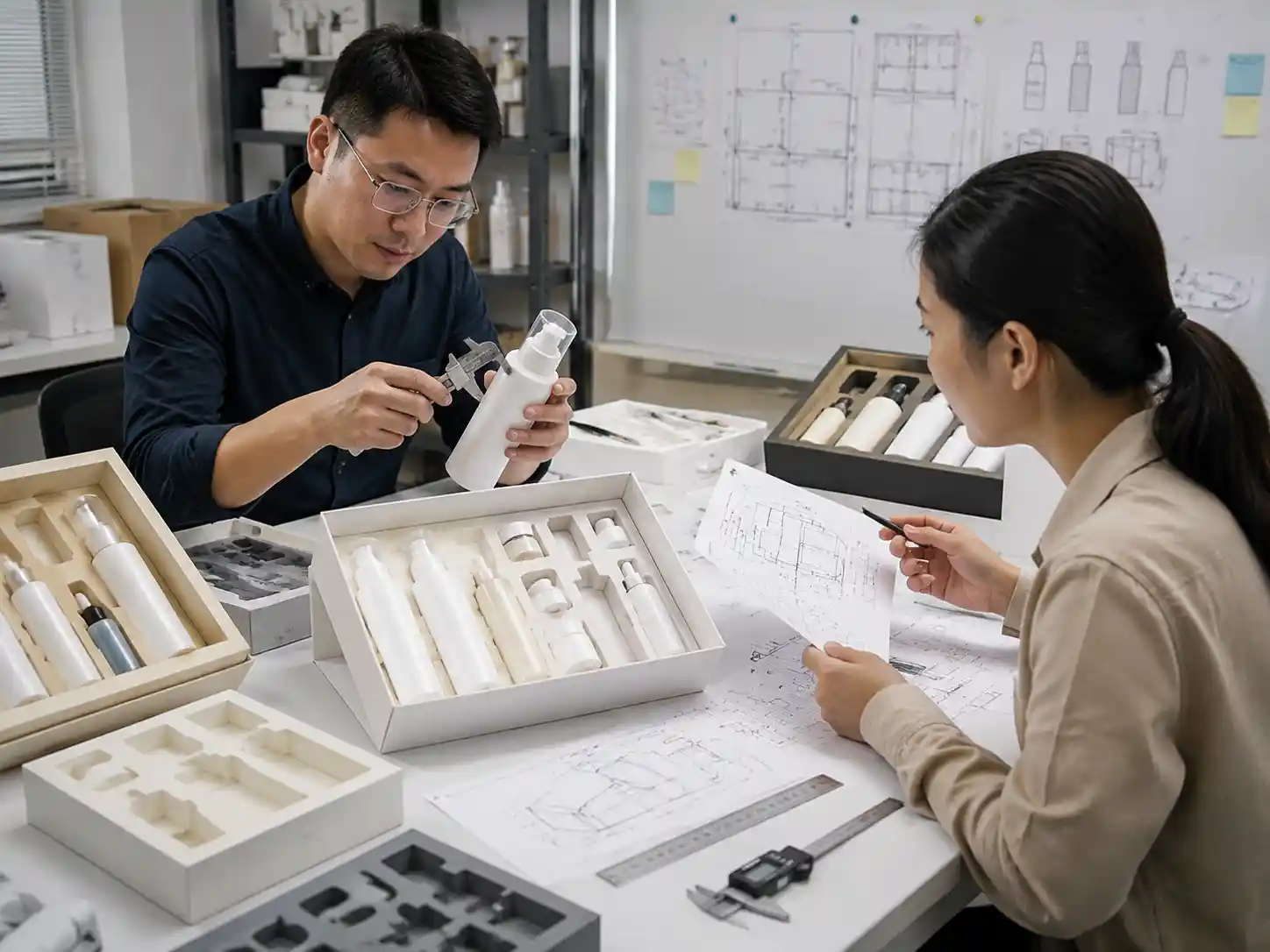
The first step is collecting verified dimensions from production samples or approved reference units. Measurements normally include bottle height, body diameter, pump height, cap or actuator width, label position, and any protruding features.
Project-dependent measurements may also include:
- Maximum and minimum bottle tolerance.
- Clearance needed around pump components.
- Required finger access for product removal.
- Weight distribution for mixed-size compartments.
2. Create Cavities Based on Contact and Clearance
A good insert design balances support and freedom of movement. The cavity should support the strongest areas of the bottle while keeping sensitive pump parts free from impact.
| Risk Area | Design Check | Evidence to Verify |
|---|---|---|
| Pump or actuator damage | Keep pressure away from the dispensing mechanism | Loaded sample inspection and fit photographs |
| Bottle movement | Control side clearance without forcing the bottle | Movement test and cavity measurement record |
| Label scuffing | Avoid abrasive contact points | Surface inspection after handling |
| Mixed-SKU mismatch | Match each compartment to the correct product | SKU loading checklist |
How Do You Test Compartment Fit Before Production?
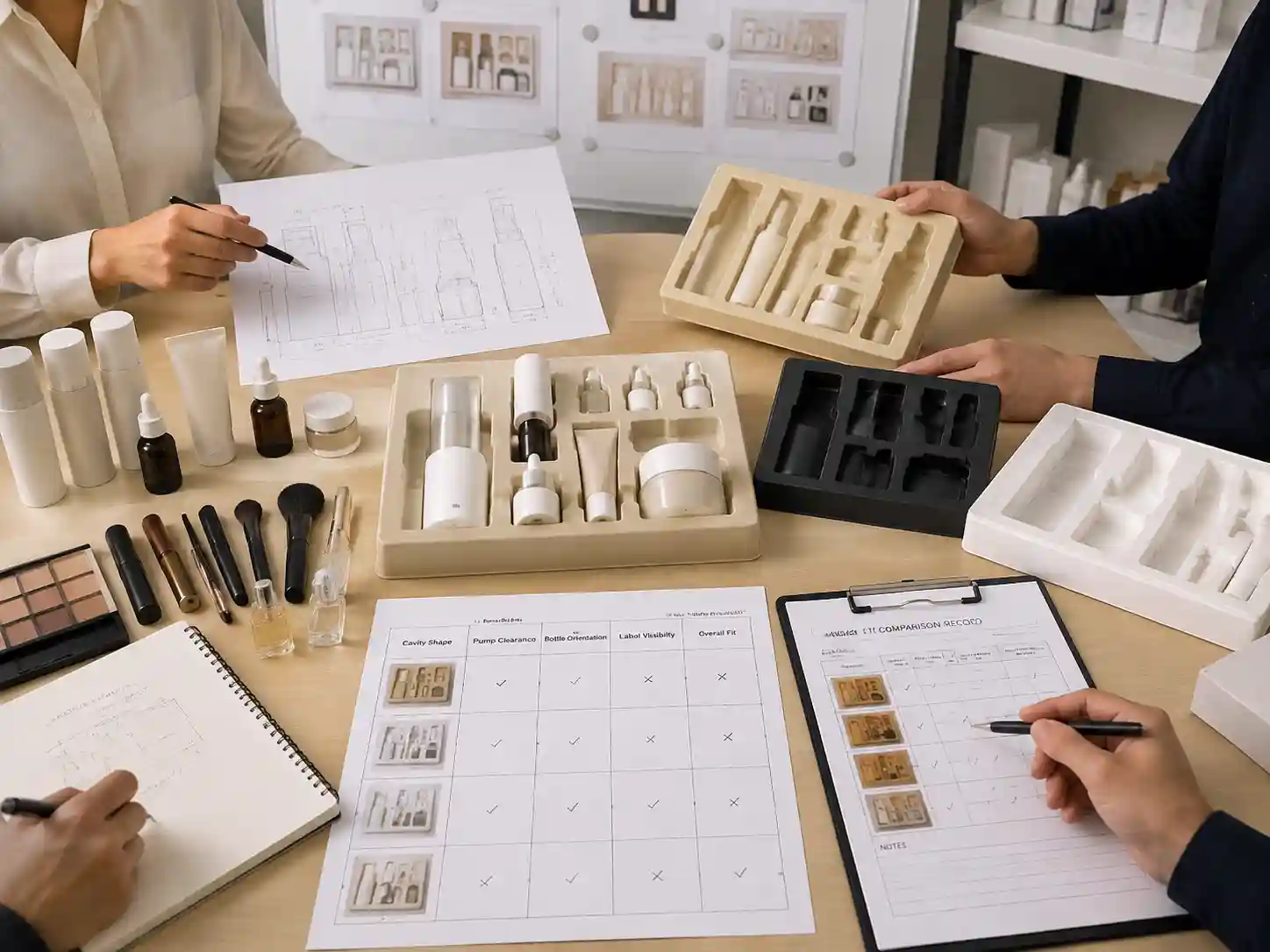
Fit testing should be completed with loaded products, not only empty insert samples. The purpose is to confirm that the bottle remains protected after the complete calendar is assembled and handled.
Recommended Fit-Test Steps
- Place each airless bottle into its assigned compartment using the approved loading direction.
- Check whether the bottle reaches the correct seating position without excessive force.
- Confirm that the pump, actuator, and cap areas have sufficient clearance.
- Close the packaging structure and inspect whether internal pressure changes the product position.
- Record measurements, observations, and any required insert adjustments.
Verification evidence may include cavity drawings, dimension sheets, loaded sample photos, inspection records, and approval comments. The exact test method varies by bottle construction, insert material, and packaging configuration.
What Should Buyers Check Before Approving the Compartment Design?
Buyers should approve the loaded packaging configuration rather than only reviewing the empty insert. A compartment can appear correct during development but fail when the real bottle, pump height, or mixed product set is introduced.
Loaded-SKU Checklist
- Each bottle matches the correct compartment location.
- The airless pump is not pressed or compressed.
- The bottle remains stable during movement.
- Labels face the required direction.
- No sharp insert edges contact visible product surfaces.
- The opening experience remains consistent across different SKUs.
Final approval should be based on the agreed sample configuration, product measurements, and recorded packaging requirements.
What Packaging Risks Change the Insert Design?
The required compartment structure depends on the product combination and packaging conditions. Different airless bottles may require different cavity depths, support points, and protective materials.
| Project Factor | Possible Impact |
|---|---|
| Different bottle diameters | May require separate cavity sizes instead of one universal insert. |
| Tall pump bottles | May require additional height control to protect the dispenser. |
| Decorated surfaces | May require softer contact areas to reduce cosmetic damage. |
| Mixed skincare sets | Requires accurate SKU mapping and compartment allocation. |
How Are Compartment Decisions Verified During Quality Control?
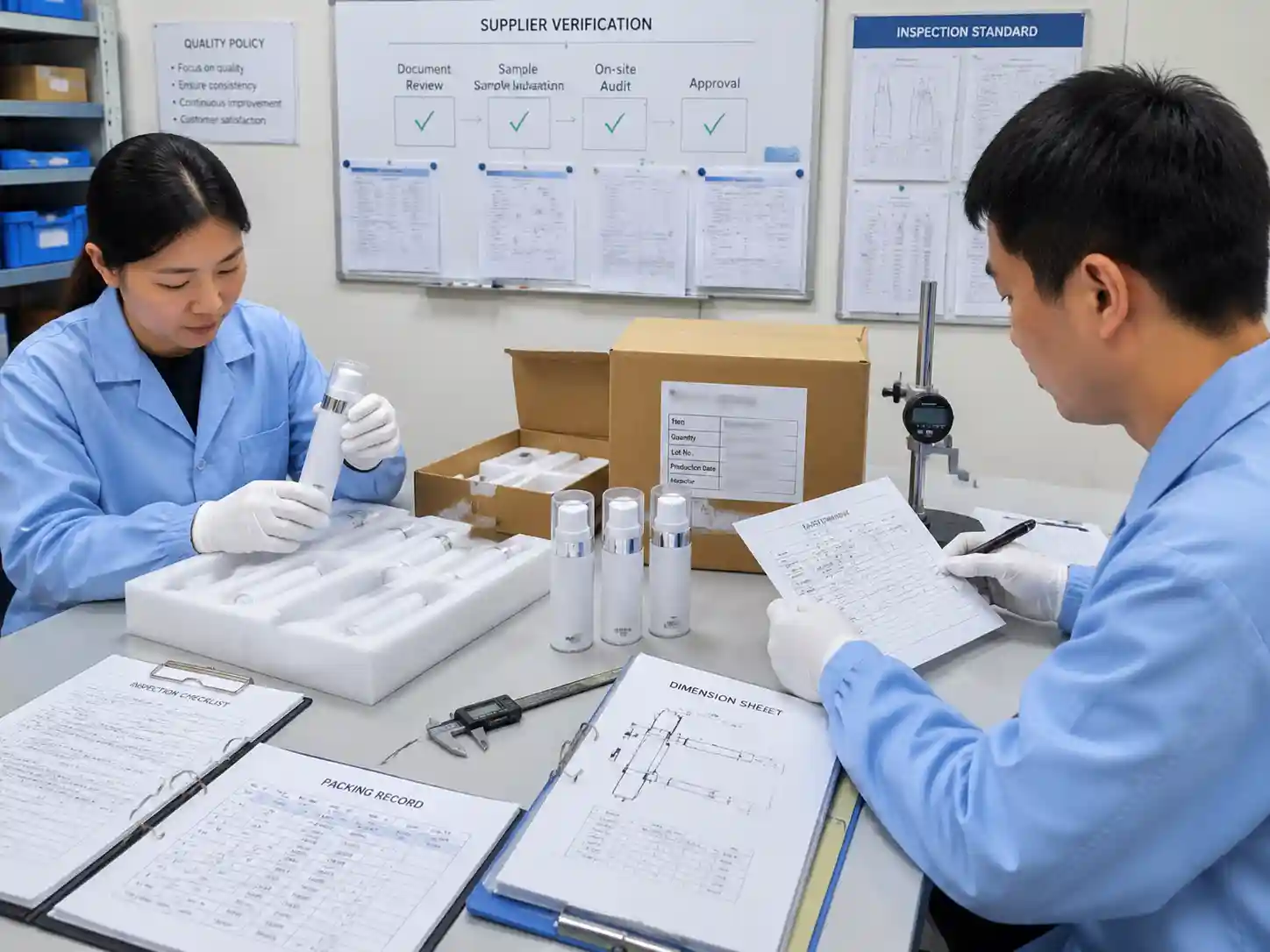
Quality checks should confirm that the approved insert design is used during packing. Inspectors can compare production samples against approved drawings, loading instructions, and reference samples.
Useful QC records include:
- Insert dimension measurements.
- Product placement verification.
- Packaging assembly checklists.
- Photos of loaded compartments.
- Records showing approved versus actual configurations.
How Does Giftpackpro Support Airless Skincare Packaging Projects?
Giftpackpro develops custom seasonal packaging solutions including custom advent calendar box products and supports compartment planning where product fit, protection, and presentation requirements need to be considered together.
For teams evaluating a new skincare calendar structure, reviewing product dimensions, insert concepts, and approval requirements early helps reduce avoidable packaging changes. Learn more about custom advent calendar box services or request a custom quote for a packaging discussion.
FAQs
Can one insert design fit all airless skincare bottles?
Not always. Similar bottles may share a cavity design, but differences in diameter, pump height, and surface finish can require adjustments.
Should airless bottles be packed upright in advent calendars?
Orientation depends on the product structure and presentation requirements. The approved position should be confirmed through loaded sample testing.
What documents help approve an insert design?
Common approval records include product measurements, cavity drawings, loaded sample photos, inspection notes, and packaging approval records.