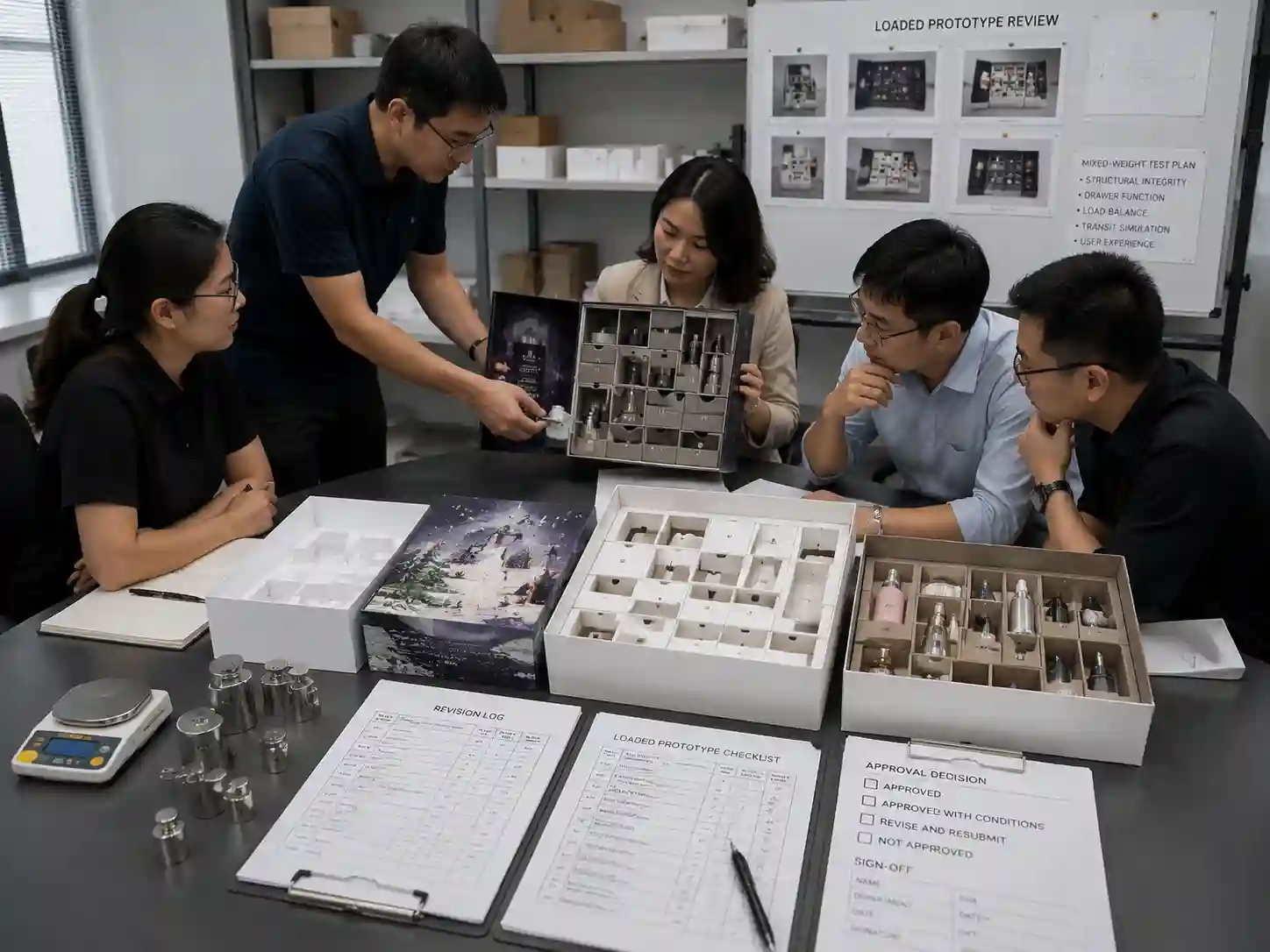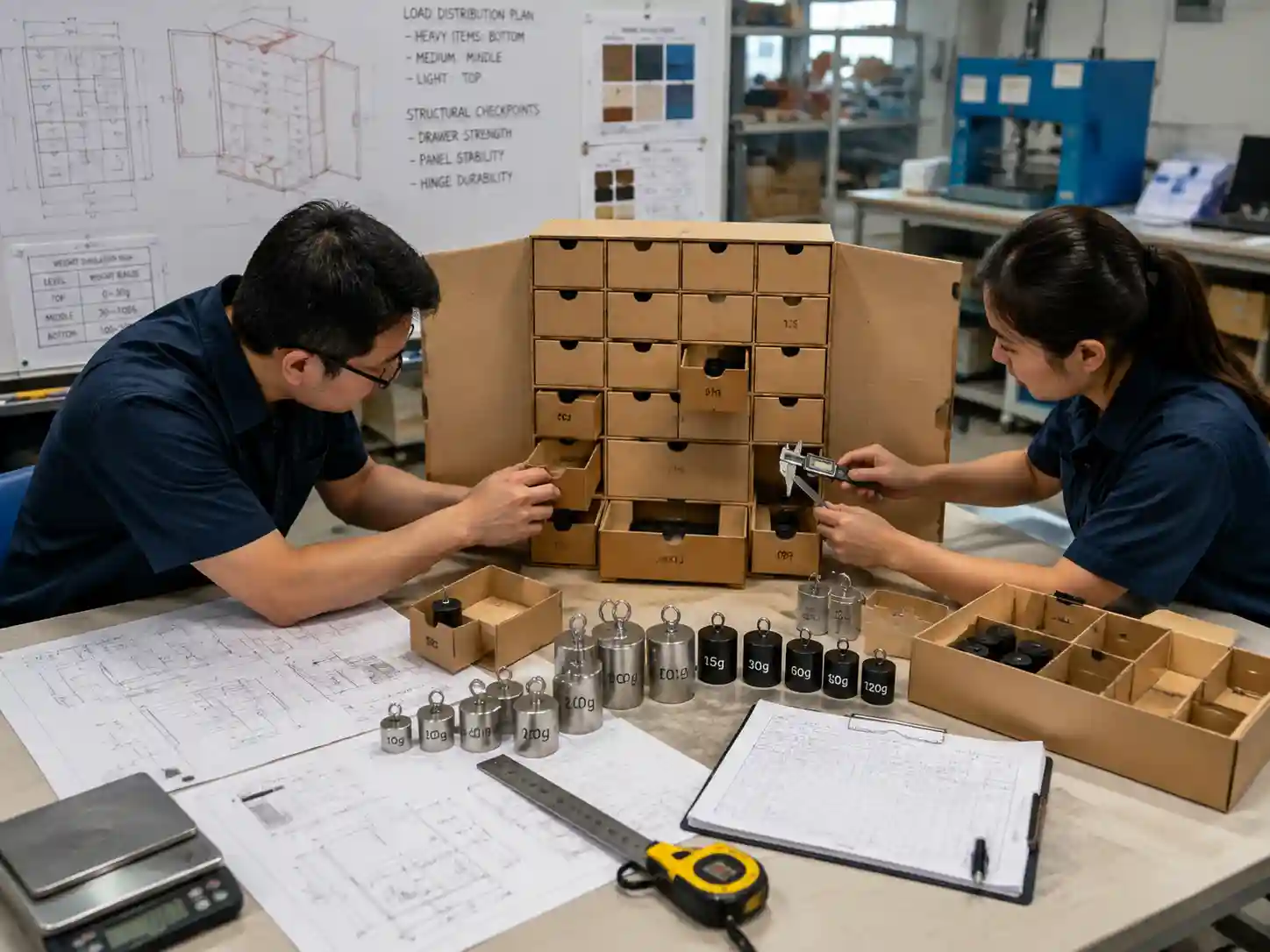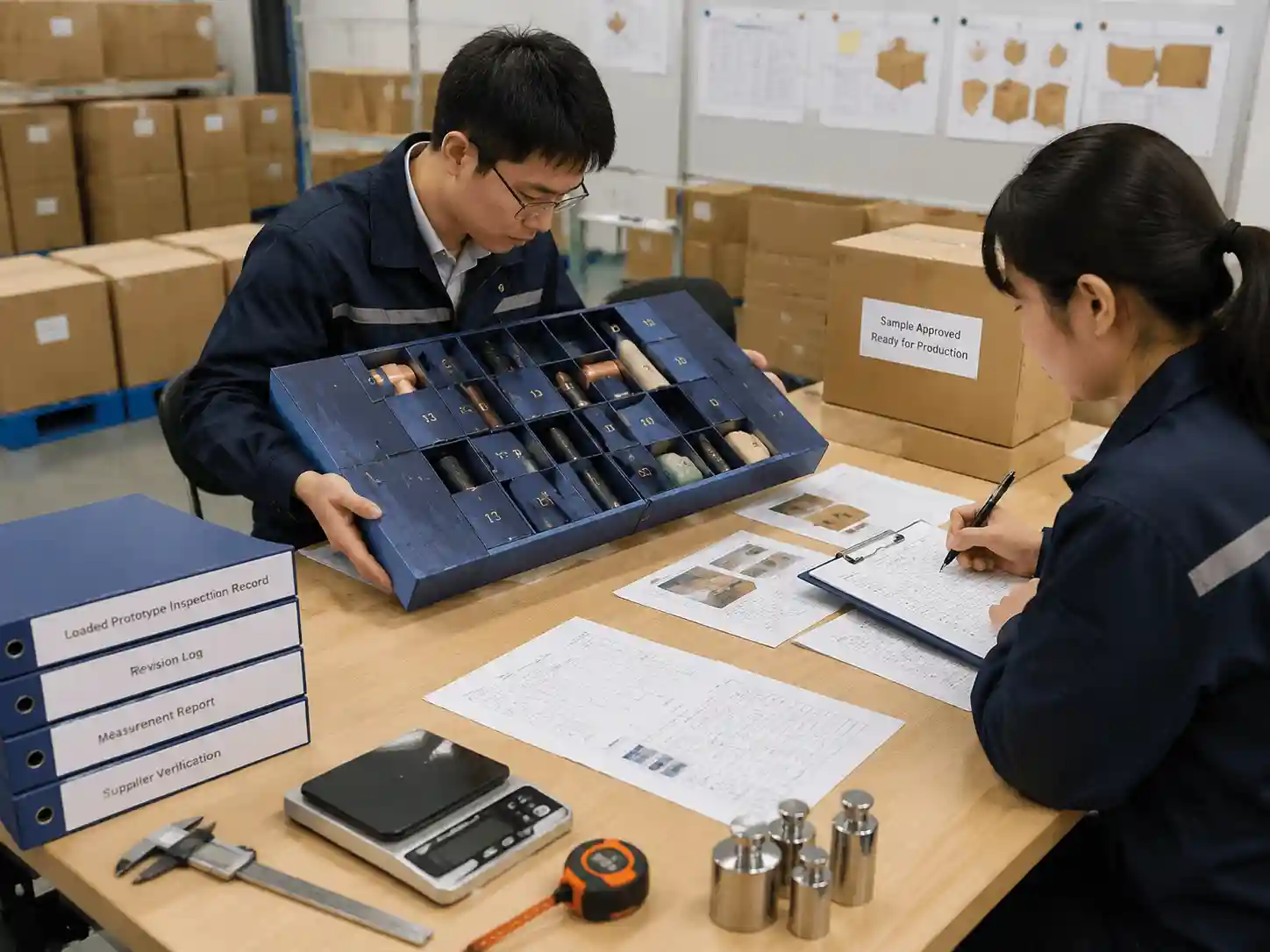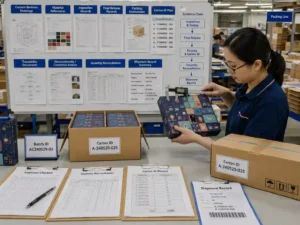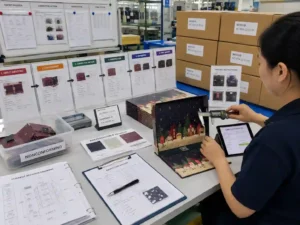
Quick answer: A loaded prototype for mixed-weight products is built by replacing empty samples with realistic product weights, dimensions, and placement conditions before final approval. The process verifies whether the structure, inserts, drawers, doors, closures, and handling points perform correctly under actual loading conditions. For advent calendar packaging, this evidence helps teams confirm design decisions, record revisions, and approve a production-ready sample before design freeze.
Why is a loaded prototype needed for mixed-weight products?
A loaded prototype is needed because an empty packaging sample cannot show how different product weights affect the final structure. Mixed-weight products can change balance, stress points, opening performance, and long-term handling behavior.
For custom advent calendar packaging, products may vary in weight, size, shape, and center of gravity. A small lightweight item and a heavier item placed in different compartments can create different structural demands. A loaded prototype allows packaging teams to evaluate the actual conditions before approving production.
What should be prepared before building a loaded prototype?
Before creating the prototype, teams should define the product loading requirements, compartment conditions, and approval criteria. The prototype should represent the intended final use rather than only the visual appearance of the package.
The preparation stage usually includes:
- Product dimensions and weight information for each compartment.
- Expected product placement and orientation.
- Insert requirements or retention methods.
- Structural drawings and approved sample revisions.
- Handling checks required by the project team.
Where real products are not available, teams may use weight-equivalent models or controlled substitutes. The substitute should match important physical factors such as weight distribution and size, not only total weight.
How do you build a loaded prototype mixed weight products require?
A loaded prototype mixed weight products project normally follows a controlled sampling process. The goal is to reproduce the stresses the packaging will experience during handling, opening, transport, and display preparation.
| Sample Stage | Main Purpose | Evidence Reviewed |
|---|---|---|
| Structural sample | Confirm dimensions, folding, fit, and basic strength | Drawings, measurements, structural checks |
| Loaded prototype | Verify performance with realistic product weights | Loaded compartments, opening tests, stability observations |
| Revision sample | Confirm corrections after testing | Revision records, updated measurements, approval notes |
| Golden sample | Provide the approved reference for production comparison | Signed approval record and final sample reference |
Which checks should be performed on a loaded prototype?
The checks should focus on how the packaging behaves when loaded, not only how it looks. The exact evaluation method depends on the product type, structure, and customer requirements.
Common checks include:
- Structural stability: Check whether the calendar remains balanced when compartments contain different weights.
- Opening performance: Verify that drawers, doors, or folding sections operate correctly under load.
- Insert retention: Confirm that products remain positioned without excessive movement.
- Material response: Observe bending, distortion, stress marks, or deformation caused by weight.
- Handling experience: Review whether repeated opening and closing affects the structure.
Inspection records should identify what was tested, what was observed, and what changes were requested. Photos, measurement notes, and sample revision references can help prevent confusion during later production stages.
How should loaded prototype revisions be recorded?
Revision records create a clear link between testing results and the final approved structure. Each change should identify the issue, the correction, and the approval status.
| Revision Record Item | Example Information |
|---|---|
| Issue found | Heavy compartment caused drawer alignment movement |
| Recommended change | Adjust support area or retention method |
| Sample update | New loaded prototype produced for review |
| Approval status | Reviewed and accepted by responsible project team |
This documentation helps purchasing teams, engineers, and quality teams confirm that the approved sample matches the agreed design direction.
What approvals are needed before design freeze?
Design freeze should happen only after the responsible teams approve the final loaded prototype and related records. The approval process depends on the project structure, but it commonly includes packaging, product, quality, and purchasing stakeholders.
- Confirm the loaded sample matches the approved product arrangement.
- Review structural changes made after testing.
- Approve the final revision record.
- Identify the approved reference sample for future comparison.
A signed golden sample or approved reference sample can then be used as the production comparison point. This reduces the risk of manufacturing a structure that was only visually approved but not functionally validated.
What varies between loaded prototype projects?
The required loading method and acceptance criteria vary depending on product weight, packaging structure, materials, and handling expectations. A lightweight cosmetic set, a mixed accessory collection, and a heavier gift assortment may require different prototype evaluations.
Project teams should define the important risks early and use the prototype stage to verify those specific concerns. The purpose is not to create unnecessary testing, but to collect enough evidence for confident approval.
FAQ: Can a digital sample replace a loaded prototype?
No. A digital sample can help review artwork and appearance, but it cannot prove how mixed weights affect structural performance. Physical loading is required when weight distribution influences the packaging function.
FAQ: Is every product compartment required to contain the final product?
Not always. The prototype should represent the critical loading conditions. The required level of simulation depends on the product arrangement, weight differences, and project approval requirements.
FAQ: What is the purpose of a golden sample?
A golden sample provides an approved physical reference after design decisions are completed. It helps teams compare production results against the agreed structure and appearance.
Giftpackpro supports commercial buyers with custom advent calendar packaging development, sampling coordination, and production approval processes. For projects requiring a loaded prototype review, request a custom quote to discuss your packaging requirements.