
Material changes can alter a packaging structure even when the original design and dimensions remain unchanged. Packaging material change resampling is usually required when a new board, paper, adhesive, coating, or recycled content option may affect stiffness, folding behavior, moisture response, surface quality, or product protection. A new structural sample allows engineers and buyers to verify that the updated material performs as expected before production approval.
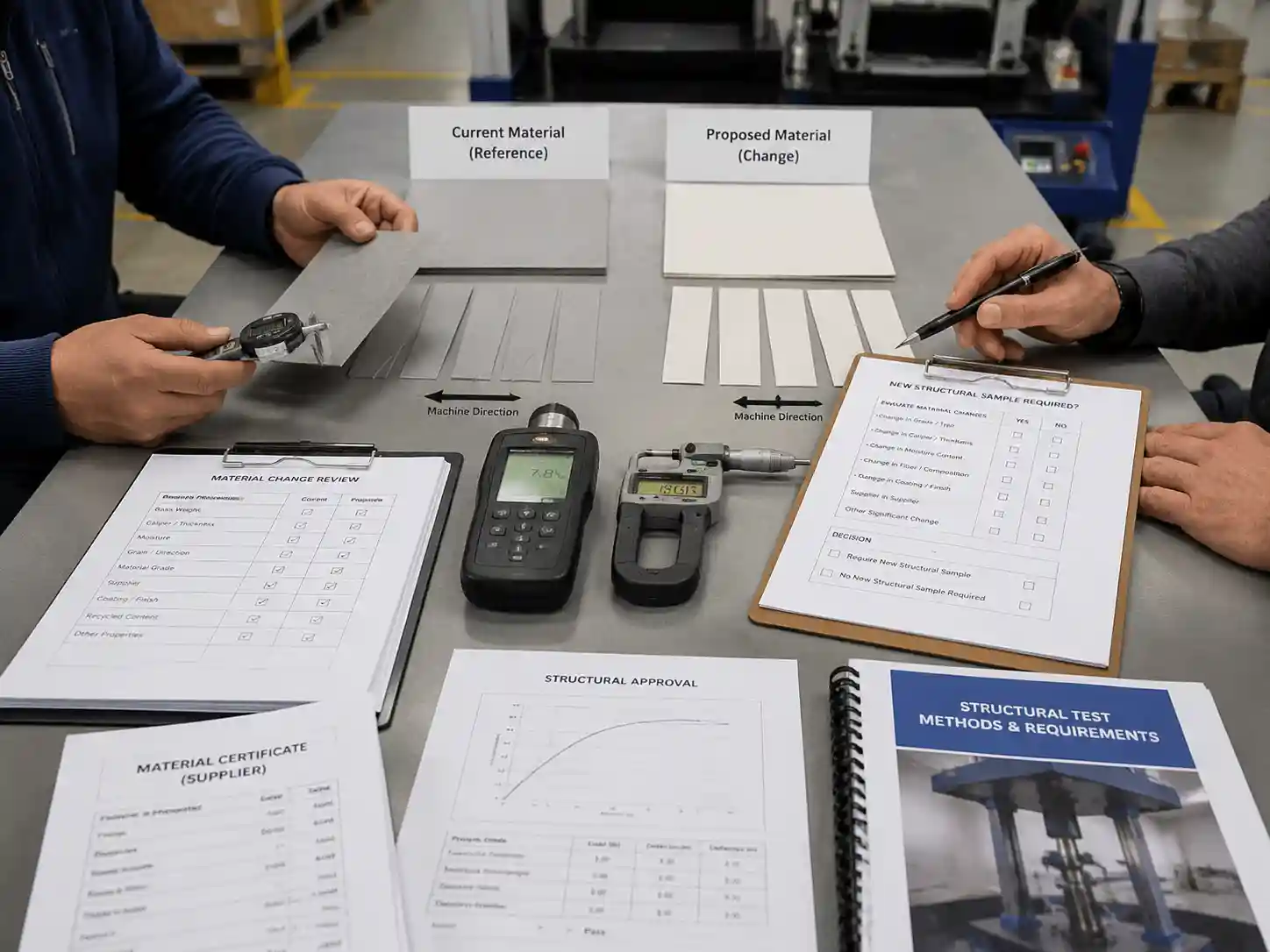
When does a packaging material change require a new structural sample?
A new structural sample is recommended when the material change can influence the physical behavior of the package, not only its appearance. The key question is whether the replacement material changes how the box folds, supports weight, protects contents, or performs during handling.
Common changes that normally require structural validation include:
- Changing greyboard thickness, paperboard grade, or board construction layers.
- Replacing virgin paper with recycled content materials that may have different stiffness or surface characteristics.
- Changing paper type, texture, grain direction, or moisture sensitivity.
- Changing adhesive systems that may affect bonding strength or assembly stability.
- Changing coatings or laminations that influence folding, cracking, or surface durability.
- Changing insert materials when product retention or cavity dimensions are affected.
Some visual-only changes, such as artwork updates without changing materials or structure, may not require a new structural sample. However, buyers should confirm whether the supplier considers the change structural or cosmetic.
Which board and paper changes create the highest structural risk?
Board construction changes usually carry the highest resampling risk because the board forms the load-bearing foundation of a paper gift package. Even small differences in thickness, density, or fiber composition can affect rigidity and folding accuracy.
| Material change | Possible impact | Recommended verification |
|---|---|---|
| Greyboard thickness change | Different stiffness, edge strength, and folding behavior | Measure thickness, check folding lines, validate finished structure |
| Recycled paperboard substitution | Variation in fiber strength, surface smoothness, and moisture response | Compare samples and review material specifications |
| Textured paper replacement | Different print surface, scoring behavior, and grain direction | Review surface samples and structural mock-ups |
| Coating or lamination change | Potential cracking, peeling, or reduced fold quality | Inspect folded corners and finished surfaces |
How should buyers evaluate paper behavior before approving a material change?
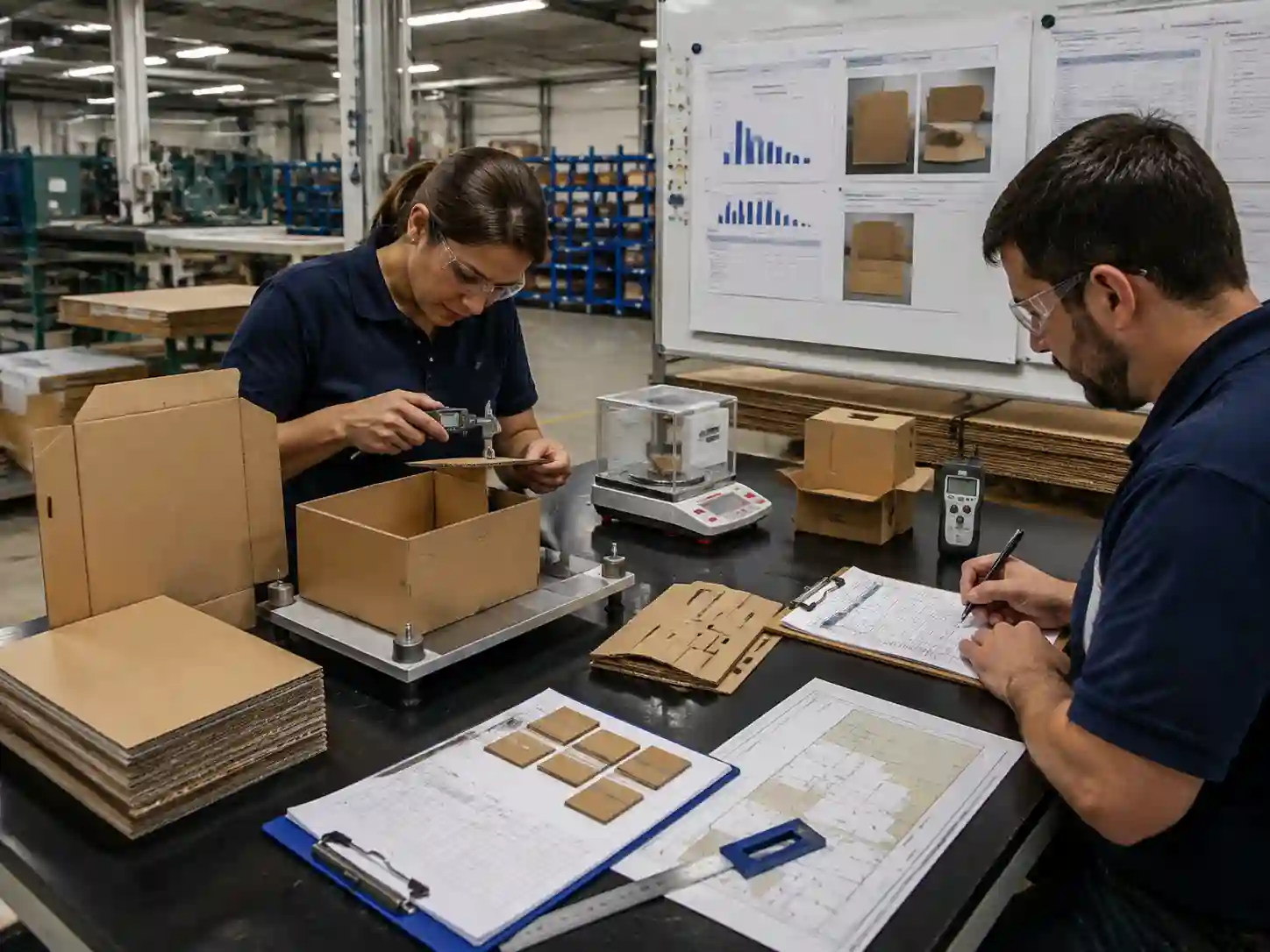
Buyers should evaluate the replacement material using physical evidence rather than relying only on supplier descriptions. Paper behavior can change with humidity, storage conditions, and production processes.
Important checks include:
- Board thickness and weight comparison against the approved sample.
- Grain direction confirmation for folding and bending performance.
- Surface inspection for texture, coating consistency, and print suitability.
- Humidity-related observations, especially for paper-based structures.
- Scuffing and abrasion review for exposed surfaces.
These checks help separate confirmed material facts from project-dependent performance expectations. A supplier material specification may describe the paper grade, but the final structural result still depends on the complete package construction.
What evidence should support packaging material change resampling?
Material changes should be supported by documented evidence showing what changed and how the revised structure was evaluated. This creates a clear approval record between buyers, designers, and production teams.
What documents and records are useful?
- Original approved structural sample and revised sample comparison.
- Material specification sheets from the supplier.
- Board thickness and measurement records.
- Sample review notes with identified differences.
- Photos or inspection records showing folding, surface, and assembly checks.
- Approval records confirming whether the revised material is accepted.
For commercial packaging projects, these records help prevent uncontrolled substitutions where a material appears similar but performs differently during manufacturing or shipment.
How can buyers decide whether a new sample is necessary?
The decision should be based on whether the material change creates a possible performance difference. A practical evaluation method is to classify the change by risk level.
| Change type | Typical risk level | Sample approach |
|---|---|---|
| Same material grade, minor supplier source change | Project dependent | Review specifications and confirm whether physical comparison is needed |
| Board thickness, construction, or fiber change | High | Create a new structural sample for approval |
| Adhesive or coating system change | Medium to high | Validate bonding, folding, and surface performance |
| Appearance-only artwork update | Lower | Confirm no structural or material impact |
The final approval decision depends on the package design, product weight, handling requirements, and buyer quality expectations. Engineers and sourcing teams should define acceptable substitutions before production begins.
Why do material substitutions create hidden packaging risks?
Material substitutions can create risks because packaging performance depends on the interaction between board, paper, adhesives, finishes, and manufacturing processes. A material that appears equivalent may behave differently during cutting, folding, gluing, or storage.
Typical risks include:
- Reduced stiffness causing deformation.
- Surface changes affecting printing or finishing quality.
- Higher sensitivity to humidity changes.
- Increased scuffing during handling.
- Unexpected differences in recyclability documentation or material evidence.
For custom seasonal paper packaging, Giftpackpro helps buyers evaluate material options through custom advent calendar box services, structural review, and production verification steps.
What should buyers approve before accepting a revised material?
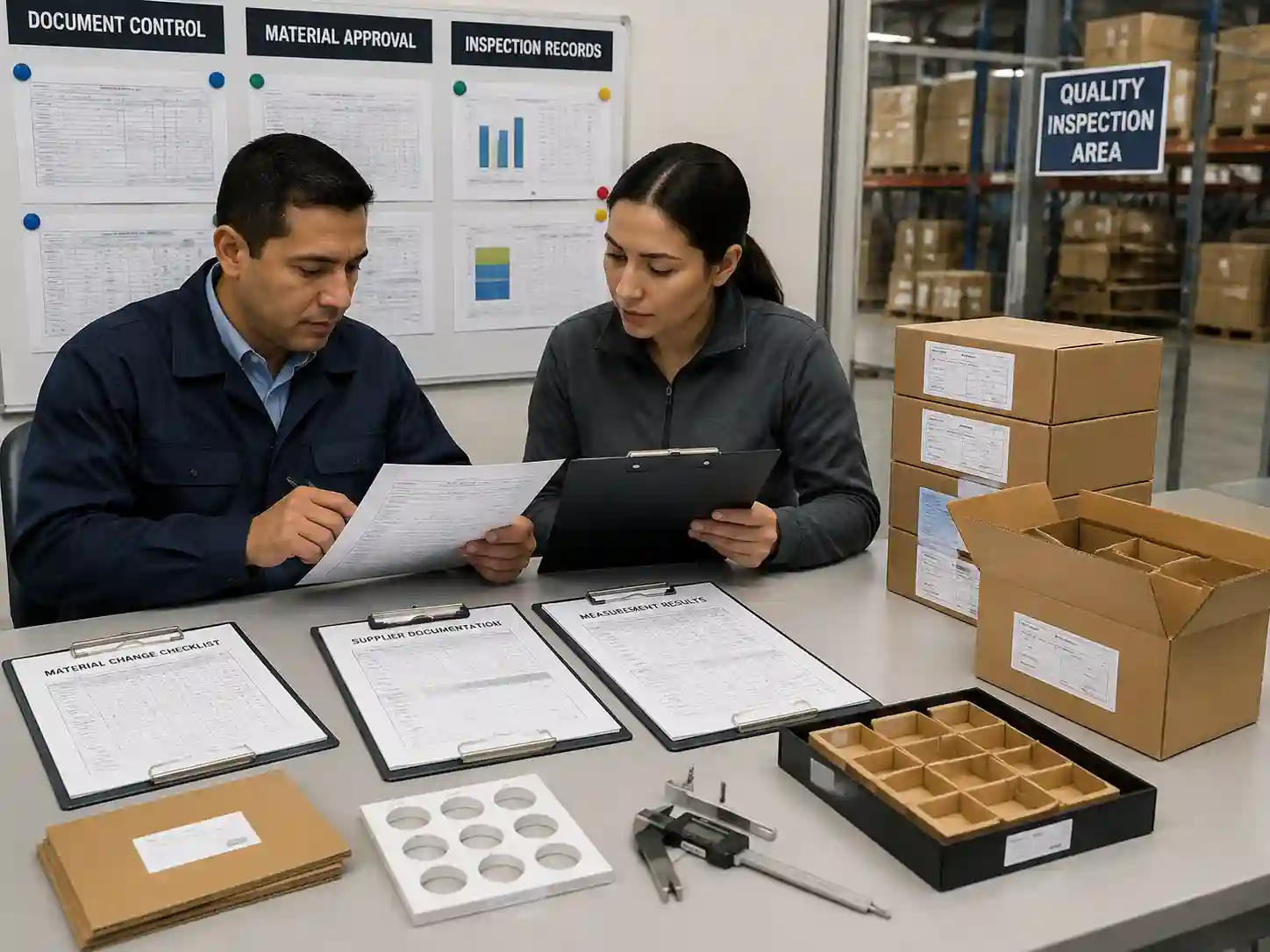
Buyers should approve the revised material only after reviewing the updated sample, measurement records, and supporting documentation. Approval should confirm that the new material meets the intended structural and appearance requirements.
- Confirm the revised board or paper specification.
- Compare the new sample against the previously approved version.
- Review inspection evidence and measurement results.
- Record any accepted material substitutions.
Maintaining clear material approval records reduces production risk and supports consistent quality for future orders. Buyers can also review related advent calendar box buying guides or contact request a custom quote for project-specific packaging evaluation.
Frequently asked questions
Does changing paper texture always require a new structural sample?
Not always. If the texture change affects thickness, stiffness, grain direction, or folding behavior, a new sample is recommended. Cosmetic-only surface changes may require different validation depending on the package structure.
Is a new sample needed when using more recycled paper content?
It may be needed because recycled fibers can influence board strength, surface consistency, and moisture response. Buyers should compare material specifications and validate the finished structure.
Can supplier documents replace a structural sample?
Supplier documents provide important evidence, but they do not always replace physical validation. Structural samples verify how the complete packaging design performs with the selected material.
For packaging projects involving material changes, Giftpackpro recommends reviewing the structure, material evidence, and approval records together before moving into production.


