
When Book-Style Advent Calendar Boxes Make Sense for Brand Projects
Brands should choose book-style advent calendar boxes when the project needs a premium opening experience, organized inner compartments, strong retail presentation, and clear space for artwork. This structure is common for cosmetics, skincare, candles, tea, coffee, jewelry, small gifts, stationery, and seasonal promotional kits.
For B2B buyers, the decision should not only be based on appearance. The structure also affects insert design, packing volume, carton size, pallet loading, shipping marks, and damage risk during export transportation.
Giftpackpro works with overseas brands, wholesalers, gift companies, and retail purchasing teams that need custom seasonal paper packaging from sample to bulk delivery. Buyers can review more structure options through our custom advent calendar box products or discuss project details through our custom advent calendar box services.
Choose This Structure When Product Presentation Matters
A book-style box opens like a rigid cover, which gives buyers more display value than a simple folding carton. It can show printed panels, numbered doors, drawers, paperboard inserts, or mixed product compartments in a controlled layout.
This structure is especially useful when the brand wants the package to look like a gift set rather than only a shipping container. It also helps retail buyers understand the full product arrangement before opening every compartment.
Good Applications for Book-Style Advent Calendar Boxes
Book-style structures work well when the products are small, lightweight, and need organized placement. Examples include skincare ampoules, mini candles, sachets, tea bags, coffee capsules, perfume samples, accessories, craft items, or small branded gifts.
They are also useful for buyers who need a clean front cover, strong side spine, and wide printing area. If the product is heavy, fragile, or irregular in shape, the insert design and packing method become more important.
When Another Structure May Be Better
Book-style boxes may not be the best choice when the product is very heavy, very tall, or requires a low-cost mass-market carton. Drawer-style, lid-and-base, mailer, or folding carton structures may be more suitable in those cases.
A custom advent calendar boxes manufacturer can help compare structure, material, MOQ, and export packing before sampling starts.
Flat Packing or Assembled Packing: What Should Buyers Choose?
Export packing is one of the most important decisions for book-style advent calendar boxes. The same box design can have very different freight volume depending on whether it is shipped flat, semi-assembled, or fully assembled.
| Packing Method | Best For | Main Advantage | Main Risk to Check |
|---|---|---|---|
| Flat packing | Folding structures, simple inserts, buyers with local assembly teams | Lower shipping volume and better carton efficiency | Assembly accuracy, labor cost, and possible folding marks |
| Semi-assembled packing | Rigid book-style boxes with separate inserts or sleeves | Balances freight saving and structure protection | Insert matching and final packing instructions |
| Fully assembled packing | Premium retail gift sets, fragile inserts, strict presentation projects | Better shape control and easier receiving inspection | Higher CBM, larger cartons, and higher freight cost |
For many B2B projects, fully assembled packing is safer for rigid book-style boxes. Flat packing can reduce volume, but it is more suitable when the box structure is designed for folding and the buyer has reliable assembly control.
Customization Details That Affect Shipping Safety
Artwork, material, insert design, and finishing can all affect export packing. Buyers should not confirm the visual design only. They should also confirm whether the structure can survive carton loading, pallet stacking, warehouse handling, and container movement.
Insert Design and Product Fit
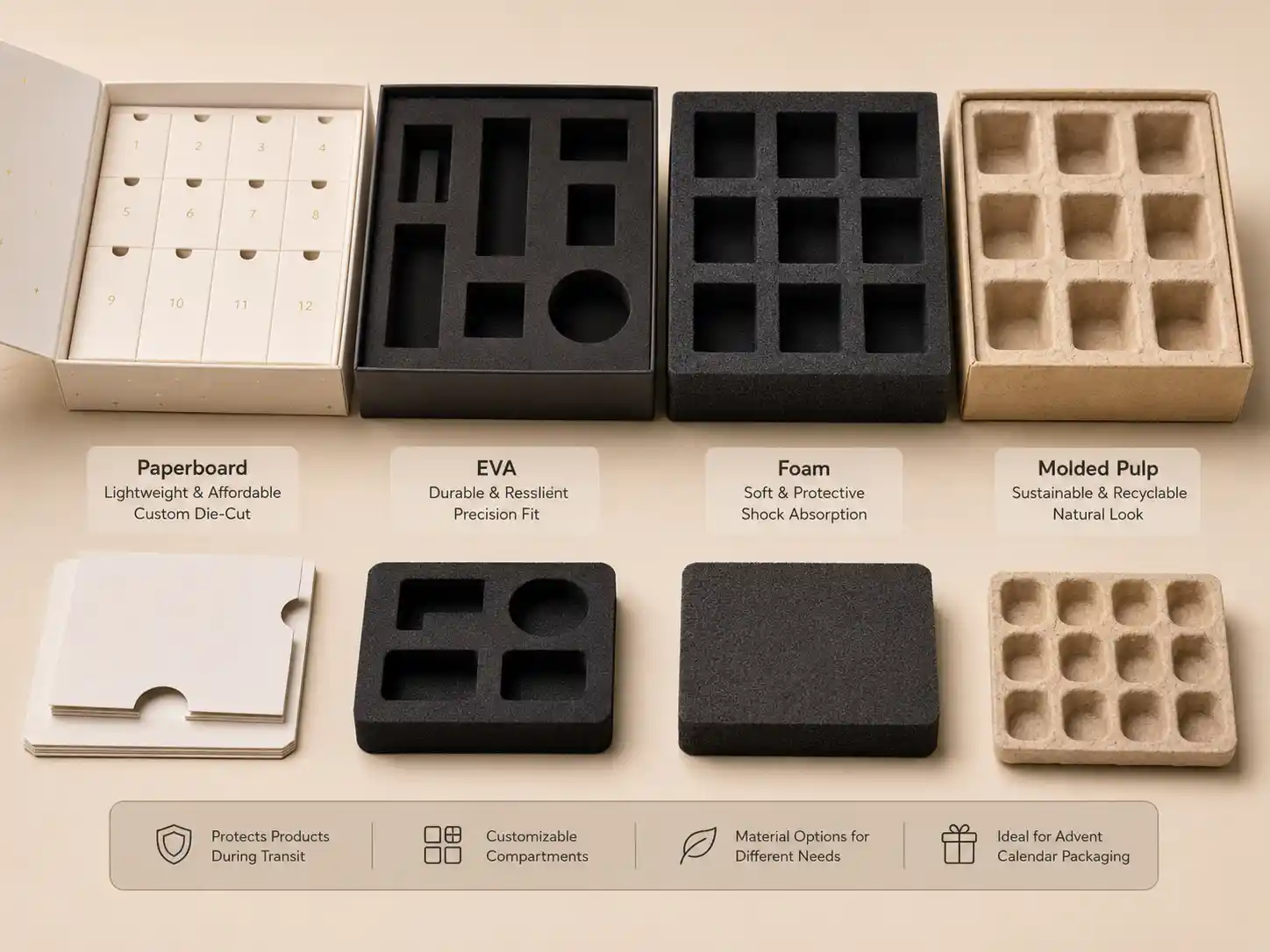
The insert must match the real product size, weight, and shape. Paperboard inserts are common for lightweight items. EVA or foam can provide stronger positioning for fragile or premium items. Molded pulp may be considered when a buyer wants a more paper-based solution.
Before bulk production, buyers should provide actual product samples or exact product drawings. This helps the factory check cavity size, finger notch position, opening direction, tolerance, and whether the product may move during transport.
Material and Surface Finishing
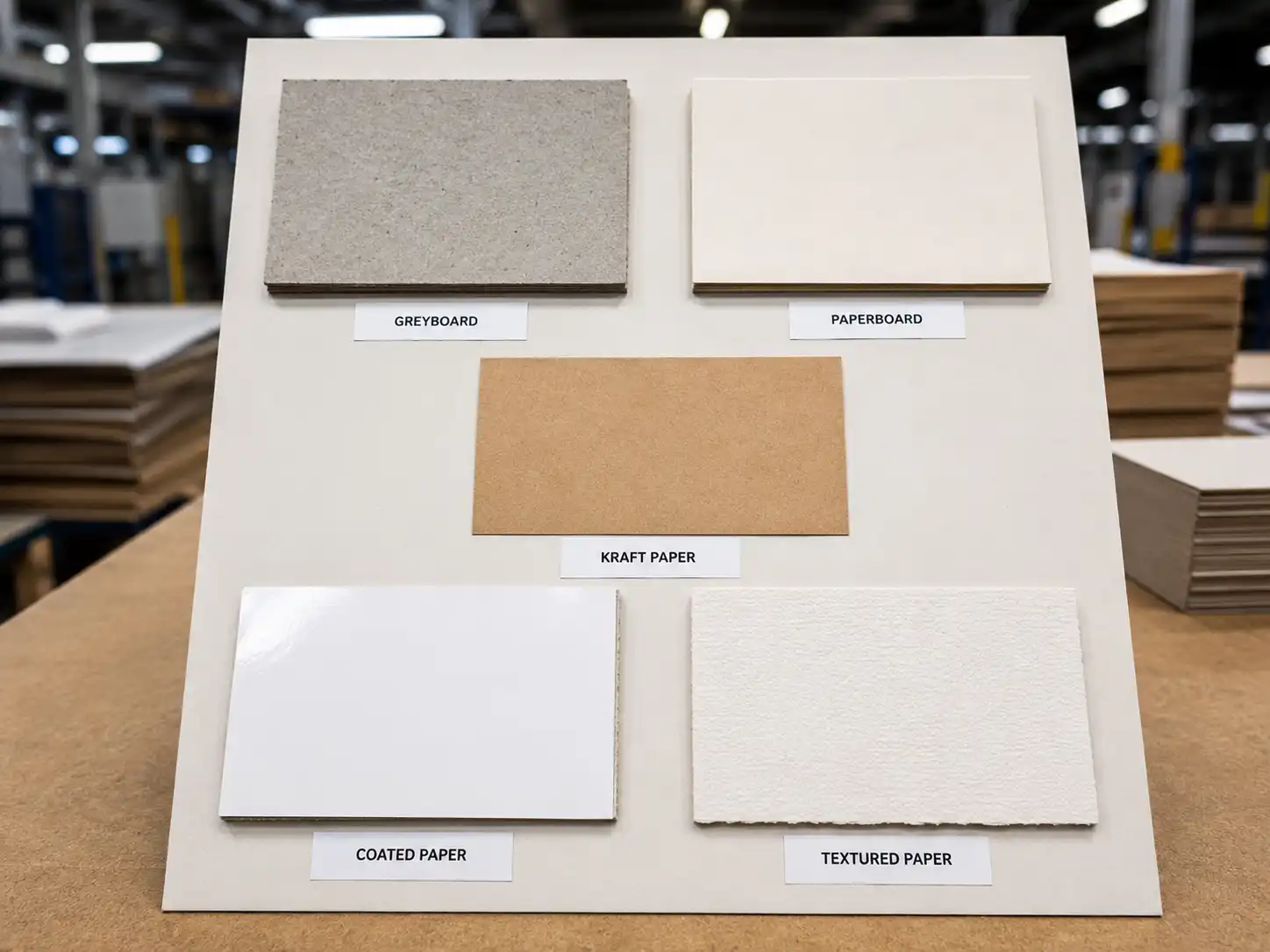
Greyboard thickness, coated paper, kraft paper, textured paper, lamination, foil stamping, embossing, and spot UV all influence the final box. For book-style advent calendar boxes, the spine and opening area need special attention because repeated opening can expose weak structure or poor wrapping.
For sustainability requirements, buyers can check paper sourcing and certification needs early. Official information from the Forest Stewardship Council is useful when discussing FSC-related paper requirements. For quality management language, buyers may also refer to ISO 9001 quality management.
Sample Approval Before Bulk Production
A proper sample should not only confirm color and shape. It should also confirm insert fit, magnetic closure if used, drawer or door opening smoothness, carton packing method, and whether the packed box can pass internal handling checks.
Giftpackpro usually suggests confirming structure sample, printed sample, and packing method before mass production. Buyers can review related advent calendar box buying guides before preparing a specification sheet.
Master Cartons, Palletizing, and Shipping Marks
For export orders, master cartons should protect the box while keeping carton size practical for loading and handling. Carton strength, product quantity per carton, carton weight, and pallet layout should be checked before shipment.
Master Carton Planning
For book-style advent calendar boxes, the master carton should be designed around the final packed box size. If the box has a rigid cover, fragile corners, magnetic closure, or delicate surface finishing, inner protection may be needed.
Common protection options include poly bag, tissue paper, corner protection, paper separator, inner carton, and stronger outer master carton. The right solution depends on order value, shipping route, retail requirements, and buyer receiving standards.
Palletizing for Export Shipment
Palletizing helps reduce carton deformation during long-distance transport. For heavy or premium orders, buyers should confirm pallet size, carton stacking direction, maximum stacking layers, corner boards, stretch film, and whether fumigation-free pallets are required.
For mixed SKU projects, the packing list should clearly separate SKU, color, artwork version, insert type, and carton number. This helps warehouse teams avoid receiving errors.
Shipping Marks and Carton Labels
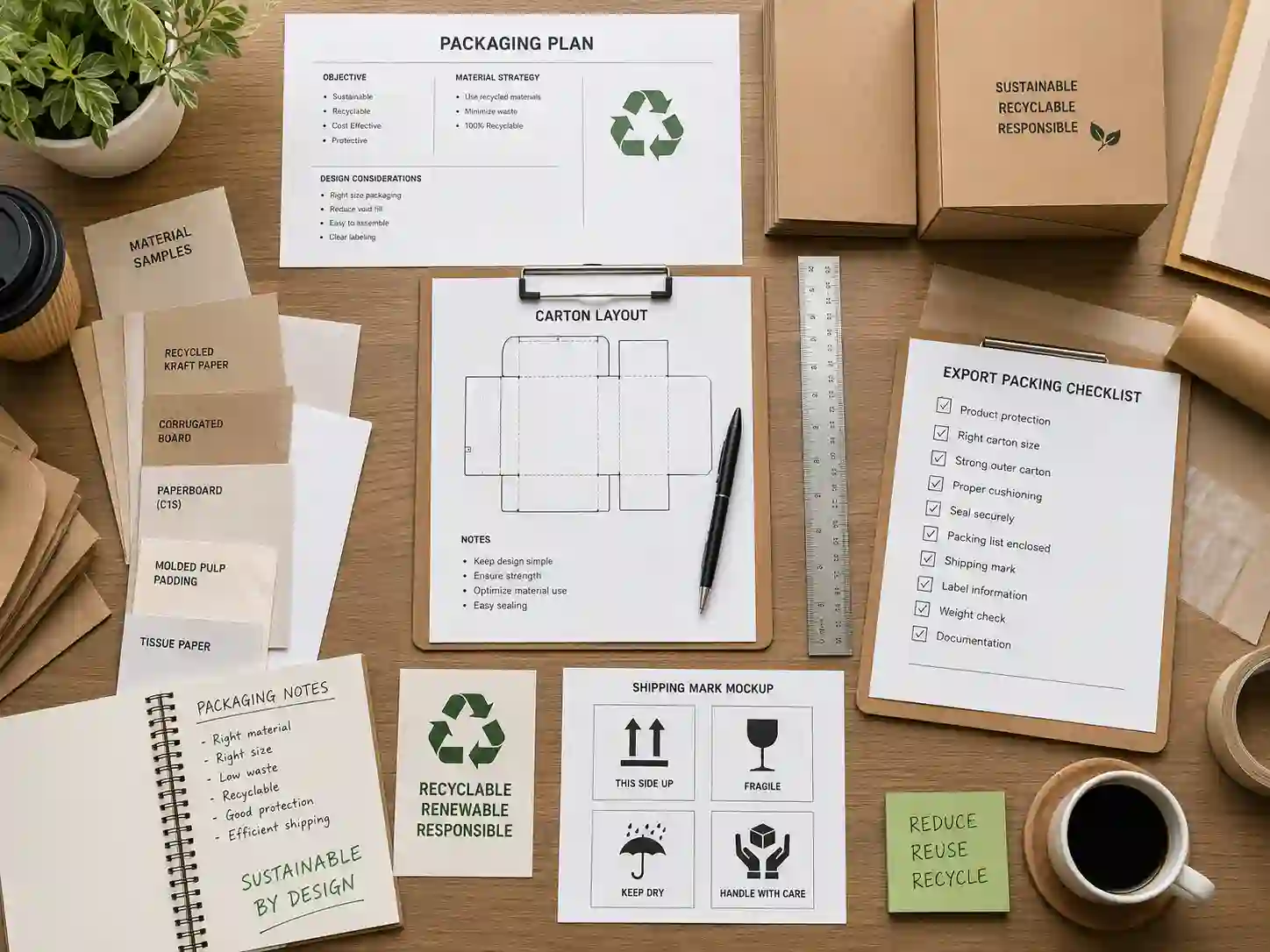
Shipping marks should be simple and consistent. They usually include item number, PO number, carton quantity, carton number, gross weight, net weight, carton size, destination, and handling marks when needed.
Buyers should confirm whether retail labels, barcode labels, Amazon FBA labels, warehouse labels, or customer-specific carton marks are required before production finishes.
Damage Reduction: Practical Checks Before Shipment
Damage reduction starts before the carton is packed. The factory and buyer should confirm box size, insert fit, outer carton strength, stacking method, and final shipping route.
Key QC Points for Book-Style Boxes
QC checks should cover printing color, glue position, surface scratches, spine strength, magnetic closure, door alignment, drawer sliding, insert fit, product movement, carton sealing, and carton drop-risk areas.
For rigid book-style boxes, corners and spine areas need careful inspection. These areas are more likely to show compression marks if the carton is too loose, too full, or stacked incorrectly.
Export Packing Checklist
Before shipment, buyers should ask for clear packing photos, carton photos, pallet photos if used, shipping mark photos, carton size, gross weight, net weight, and total CBM. This information helps purchasing teams estimate freight cost and avoid receiving disputes.
Giftpackpro can support export packing discussion as part of its custom advent calendar box services, especially when buyers need packaging for overseas retail, wholesale, or promotional distribution.
Quote Preparation Advice for Buyers
To receive an accurate quote for book-style advent calendar boxes, buyers should prepare more than a product photo. The quote depends on structure, size, material, inserts, artwork, finishing, packing method, and order quantity.
Information to Send Before Quotation
Useful quote details include box size, number of compartments, product size and weight, insert material preference, artwork files, printing method, surface finishing, MOQ target, destination country, expected delivery time, and whether flat packing or assembled packing is required.
If the buyer is unsure about the best packing method, the factory can compare flat packing, semi-assembled packing, and fully assembled packing during the quotation stage. This makes the price and freight discussion more realistic.
Practical B2B Example
A skincare brand may request 24 compartments, a rigid book-style structure, paperboard inserts, matte lamination, and fully assembled export packing. In this case, the quote should include box unit price, sample cost if needed, bulk production lead time, carton size, quantity per carton, total CBM, and shipping mark requirements.
A tea brand may choose a lighter paperboard structure with flat or semi-assembled packing. This can reduce shipping volume, but the buyer should confirm local assembly labor and final retail presentation.
Final Decision: When Should Brands Choose This Box Type?
Brands should choose book-style advent calendar boxes when they need strong shelf presentation, organized compartments, premium opening experience, and enough artwork space for a seasonal campaign. The structure is especially suitable for B2B buyers who care about custom inserts, sample approval, export packing, and retail-ready delivery.
Before confirming the order, buyers should review structure, material, insert, carton packing, palletizing, and shipping marks together. This helps reduce damage risk and makes the final quotation clearer.
To compare structure options, visit our custom advent calendar box products. To learn more about factory capability, visit the Giftpackpro packaging factory. For project planning, buyers can request a custom quote with product size, quantity, insert requirements, and export packing needs.


