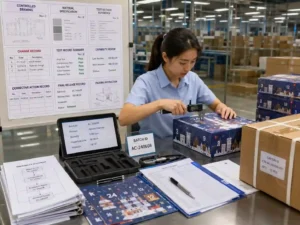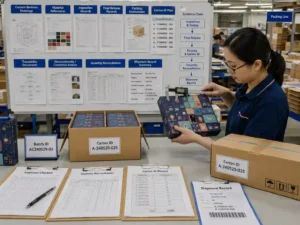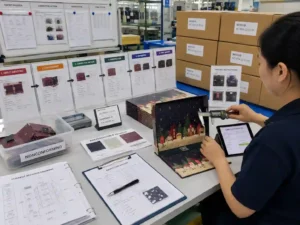
Quick answer: To improve advent calendar box unboxing experience, buyers should focus on packaging structure, product fit, opening sequence, insert design, printing quality, and production consistency before mass manufacturing. A successful custom advent calendar box should feel easy to open, protect each product compartment, maintain premium appearance, and perform reliably through shipping and retail handling. The best results come from reviewing the dieline, testing prototypes, approving materials and artwork, checking assembly tolerances, and completing supplier QC before bulk production.
For brands, wholesalers, and retail buyers, unboxing performance is not only a design issue. It is a production and quality-control decision that affects customer perception, return risk, and campaign execution. Giftpackpro helps overseas buyers develop custom advent calendar boxes manufacturer solutions with controlled sampling, manufacturing support, and export-ready production planning.
What should buyers understand before improving an advent calendar box unboxing experience?
The unboxing experience depends on how the box structure, product arrangement, and manufacturing details work together. Buyers should evaluate the complete opening journey from receiving the shipping carton to removing each product compartment.
A premium unboxing experience usually requires:
- A structure that opens smoothly without damaging the box.
- Compartments designed around the actual product dimensions.
- Inserts that prevent movement during transport.
- Consistent printing, finishing, and assembly quality.
- Packaging that remains attractive after international shipping.
For B2B buyers, the goal is not simply to create a beautiful prototype. The goal is to create a packaging system that can be reproduced accurately during mass production.
Which advent calendar box structures create a better opening experience?
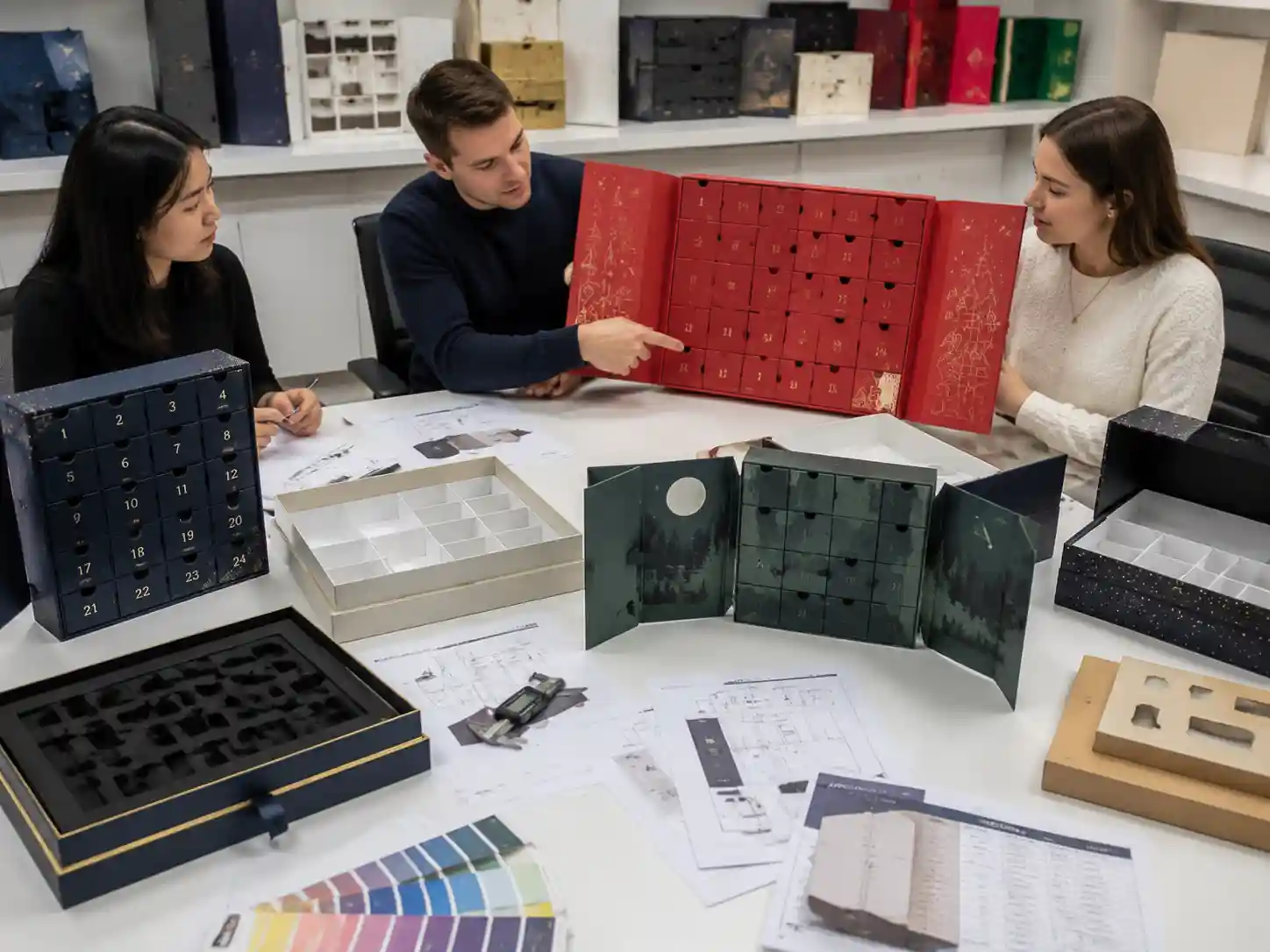
The best structure depends on product type, retail positioning, budget, and required opening sequence. Rigid boxes, drawer boxes, door-opening boxes, and folding cartons each create different user experiences.
| Box Structure | Unboxing Advantage | Buyer Consideration |
|---|---|---|
| Rigid box | Premium feel, strong presentation, reusable structure | Higher material and labor cost; requires accurate assembly control |
| Drawer box | Smooth sliding action creates an interactive opening process | Requires careful tolerance control for drawer movement |
| Door-opening box | Creates a reveal effect with visible compartments | Hinge strength and panel alignment must be tested |
| Folding carton | Cost-effective and lightweight for larger quantities | Needs good paperboard selection and insert support |
Buyer tip: Request physical prototypes of different structures before finalizing production. A structure that looks good in artwork may perform differently when assembled with real products inside.
How do inserts improve advent calendar product presentation?
Inserts are one of the most important components when buyers want to improve advent calendar box unboxing. The insert controls product positioning, protects items during shipping, and creates an organized opening sequence.
Common insert options include:
- Paper inserts: Suitable for lightweight products and cost-sensitive projects.
- PET trays: Provide accurate product positioning and a clean presentation.
- EVA inserts: Useful for delicate products requiring cushioning and premium appearance.
- Foam inserts: Suitable for products needing additional protection.
- Molded pulp inserts: A sustainable option for certain product categories.
Before bulk production, suppliers should perform product-fit testing using actual samples. Small differences in product size, bottle shape, or weight can affect compartment performance.
How do materials and finishing affect the unboxing experience?
Material selection influences both appearance and physical performance. Buyers should match packaging materials with product weight, shipping conditions, and brand positioning.
Typical material decisions include:
- Greyboard: Commonly used for rigid box structures because of its strength.
- Paperboard: Suitable for folding cartons and lightweight packaging.
- Laminated paper: Helps improve durability and surface protection.
- Special finishes: Foil stamping, embossing, spot UV, matte lamination, and gloss lamination can enhance visual impact.
Printing consistency is also important. Buyers should review CMYK proofs, Pantone references, and finishing samples before production approval. Color differences between samples and mass production are often caused by material changes, printing settings, or finishing variations.

What production steps help improve advent calendar box unboxing consistency?
A reliable unboxing experience requires production control from the first prototype to final shipment. Buyers should understand the main manufacturing checkpoints.
1. Dieline and structure review
The supplier should confirm folding lines, glue areas, compartment positions, and assembly requirements before making samples. Incorrect dielines can create opening problems later.
2. Prototype and sample approval
A pre-production sample allows buyers to check:
- Opening sequence and customer interaction.
- Product placement and insert tightness.
- Box strength and visual appearance.
- Printing and finishing accuracy.
3. Mass production control
During bulk manufacturing, production teams should monitor material consistency, printing quality, assembly accuracy, and insert installation. A good approved sample becomes the reference standard for production inspection.
Factory tip: The most common causes of poor unboxing performance are not usually the main design concept. They are small production issues such as loose inserts, inaccurate cutting, weak glue points, incorrect folding angles, or inconsistent finishing.
How should buyers compare suppliers for better advent calendar packaging quality?
Buyers should compare suppliers based on production capability rather than only unit price. A lower quotation may exclude important steps such as prototype revisions, insert testing, or quality inspection.
| Supplier Evaluation Point | Questions Buyers Should Ask |
|---|---|
| Sampling ability | Can the supplier provide blank samples, printed samples, and pre-production samples? |
| Manufacturing control | How are assembly tolerances, inserts, and finishing checked? |
| Material knowledge | Can the supplier recommend suitable paperboard, greyboard, PET, EVA, or foam options? |
| Export experience | Does the supplier understand export carton packing and shipping requirements? |
| Communication | Can the supplier provide clear specifications, timelines, and quotation details? |
Giftpackpro provides custom advent calendar box services covering structure development, sampling, material selection, production coordination, and quality-control preparation.
What QC checks are important before shipping advent calendar boxes?
Quality control ensures that the final product delivers the same experience as the approved sample. Buyers should request inspection checkpoints covering both appearance and function.
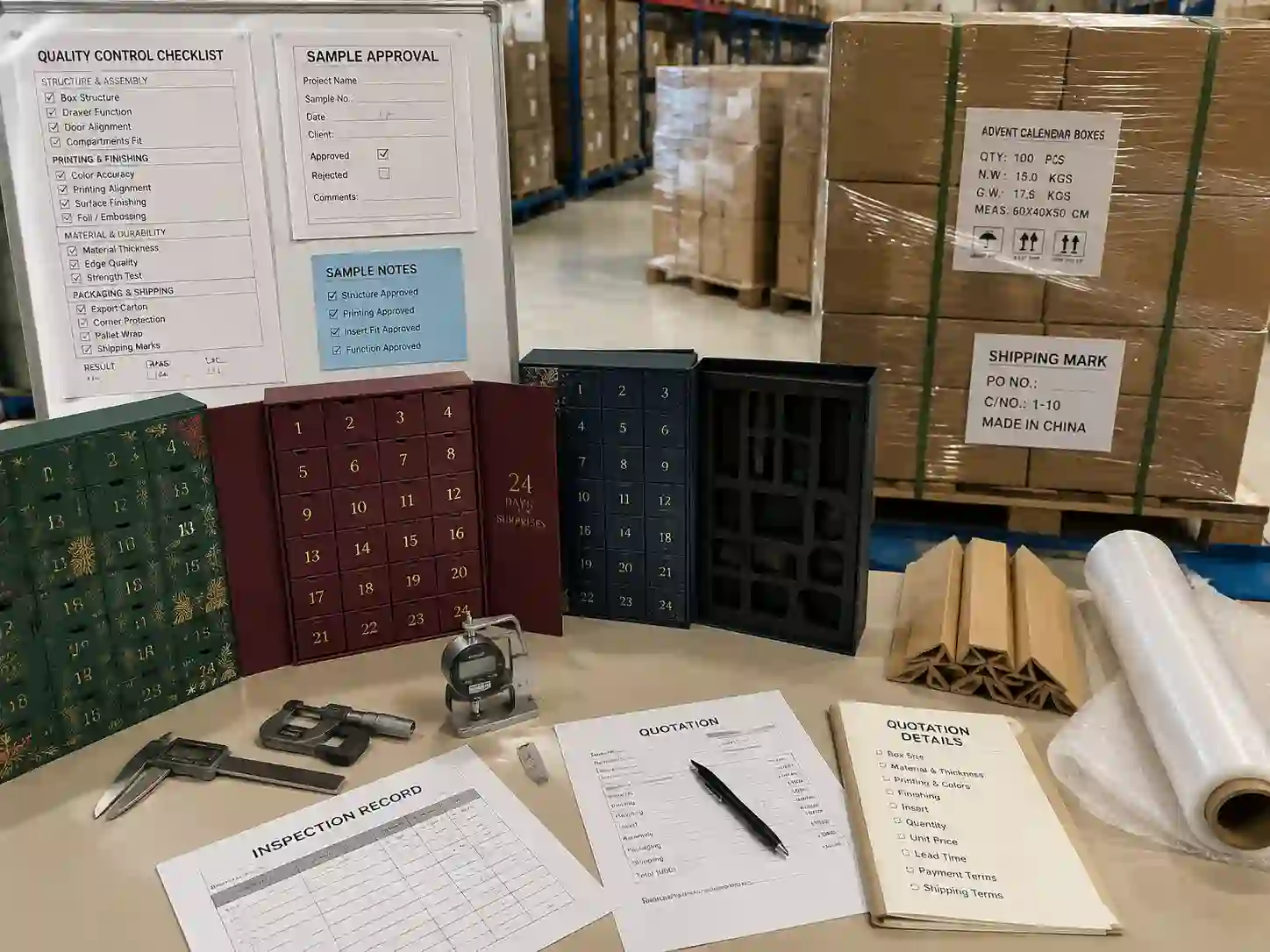
Advent calendar box QC checklist:
- Check box dimensions against approved specifications.
- Confirm drawer movement or door-opening performance.
- Inspect printing color consistency.
- Verify foil stamping, embossing, and spot UV accuracy.
- Check insert fit with actual product samples.
- Inspect glue strength and assembly quality.
- Confirm cartons protect finished boxes during transportation.
- Review shipping marks and export packing information.
QC tip: Functional testing should be completed before shipment. A box that looks perfect but opens incorrectly, damages products, or fails during transport creates unnecessary customer complaints.
How does export packing affect the final unboxing experience?
Export packing protects the packaging experience before it reaches the end customer. Damage during international transportation can affect corners, surfaces, printing, and box alignment.
Common export considerations include:
- Strong export cartons matched to box weight.
- Corner protectors for rigid packaging.
- Pallet protection and stretch wrapping.
- Clear shipping marks for warehouse handling.
- Internal protection to prevent movement during transit.
For larger retail programs, buyers should confirm pallet quantity, carton dimensions, and shipping requirements during quotation preparation.
What information should buyers prepare before requesting a quotation?
A detailed RFQ helps suppliers provide accurate pricing and realistic production schedules. Buyers should prepare:
- Box structure preference: rigid box, drawer box, door-opening box, or folding carton.
- Finished box dimensions and compartment requirements.
- Product size, weight, and quantity per compartment.
- Material preference and finishing requirements.
- Artwork status and printing requirements.
- Required sample type and approval timeline.
- Estimated order quantity and MOQ expectations.
- Shipping destination and export packing requirements.
Buyers can review more practical sourcing information through advent calendar box buying guides before preparing a supplier discussion.
What are common mistakes when improving advent calendar box unboxing?
The most common mistakes happen when buyers focus only on appearance and overlook production details.
- Choosing a structure without testing the real product fit.
- Adding premium finishes without checking cost impact.
- Approving artwork before confirming dieline accuracy.
- Skipping prototype testing before mass production.
- Comparing quotations without checking included services.
- Ignoring export packing requirements until the final stage.
FAQ: Improving Advent Calendar Box Unboxing Experience
Does a premium advent calendar box always need a rigid structure?
No. Rigid boxes create a premium feel, but folding cartons and drawer structures can also provide strong unboxing experiences when the design, inserts, and production quality are properly controlled.
Should buyers test samples before placing a bulk order?
Yes. Sample approval helps verify structure, product fit, printing, finishing, and assembly before mass production begins.
How do inserts affect packaging cost?
Insert type, material, tooling requirements, and assembly labor can significantly affect quotation pricing. Buyers should compare insert options based on protection needs and presentation goals.
How early should buyers contact a packaging supplier?
Buyers should confirm production timelines early because custom packaging requires design review, sampling, revisions, manufacturing, QC, and export preparation.
How can Giftpackpro help improve advent calendar box unboxing experience?
To improve advent calendar box unboxing experience, buyers should combine creative structure planning with manufacturing control. The most successful projects balance appearance, product protection, production feasibility, and shipping reliability.
Before contacting Giftpackpro, prepare your product dimensions, preferred structure, estimated quantity, artwork status, insert requirements, and target delivery schedule. Our team can help review packaging options, develop samples, and prepare production recommendations.
Visit the custom advent calendar box products section to review available structures, learn more about the Giftpackpro packaging factory, or request a custom quote for your project.