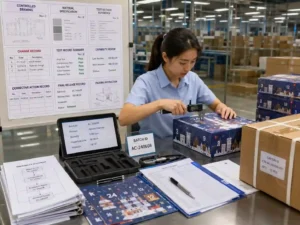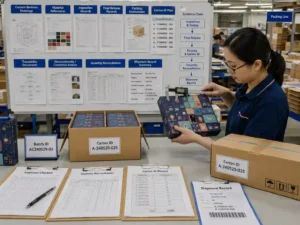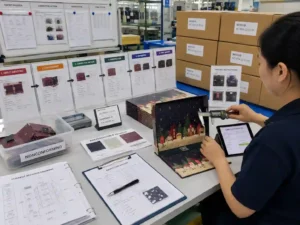
Quick answer: To choose artwork for advent calendar packaging, buyers should start with the box structure, product layout, printing method, and manufacturing requirements before finalizing the design files. Artwork must match the selected structure, insert system, material, folding direction, and production process. For B2B buyers, the best artwork decision balances visual impact, print accuracy, assembly performance, cost control, and export durability. A professional packaging supplier should review dielines, provide samples, confirm printing proofs, and check artwork compatibility before mass production.
Choosing artwork is not only a graphic design decision. For custom advent calendar boxes, artwork affects printing quality, finishing options, production cost, sampling time, and the final customer experience. Buyers sourcing from overseas suppliers need to prepare artwork correctly to avoid delays, color differences, structural problems, and unexpected quotation changes.
Giftpackpro works with brands, wholesalers, retailers, and purchasing teams that need reliable custom advent calendar boxes manufacturer support from artwork review to bulk production.
What should buyers understand before choosing artwork for advent calendar packaging?
Before choosing artwork for advent calendar packaging, buyers should confirm the packaging structure, product dimensions, insert design, and production limitations. Artwork created without considering the physical box design often causes printing, folding, or assembly problems.
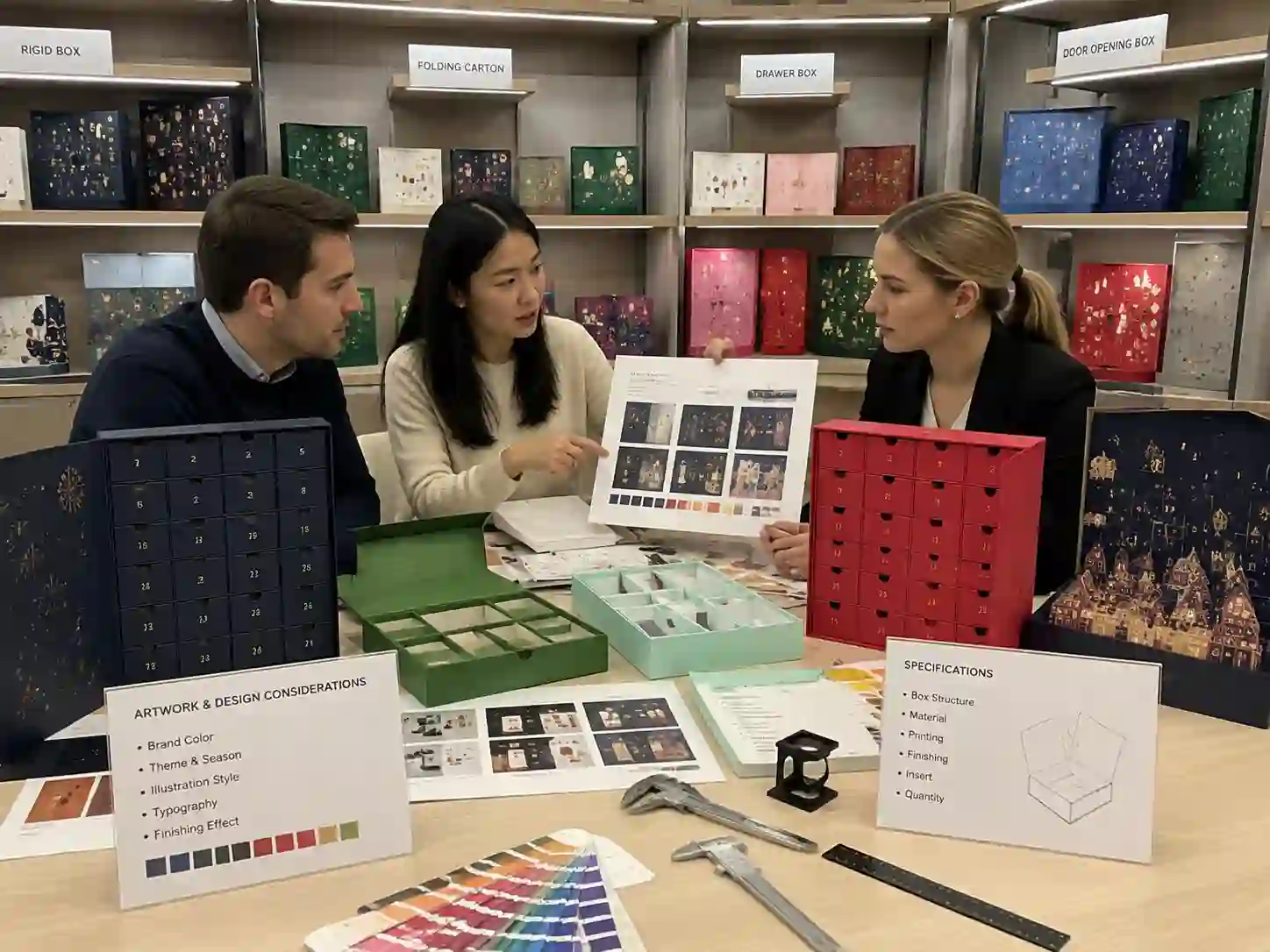
The first step is selecting the correct packaging application. Different advent calendar structures create different artwork requirements:
- Rigid boxes: Premium greyboard structures require artwork planning around wrapping areas, edge folding, corners, and finishing details.
- Folding cartons: Paperboard cartons allow efficient full-color printing but require accurate dieline placement for folding and glue areas.
- Drawer boxes: Artwork must consider drawer movement, front panels, pull areas, and repeated opening performance.
- Door-opening boxes: Large front surfaces create opportunities for storytelling graphics, but hinge areas and inner panels require careful layout planning.
How does packaging structure affect artwork selection?
The packaging structure determines where artwork can be placed, how colors appear, and which finishing processes are practical. Buyers should always request the final dieline from the supplier before completing artwork.
| Packaging Structure | Artwork Considerations | Common Buyer Applications |
|---|---|---|
| Rigid box | Plan wrapping areas, corners, edges, foil stamping, embossing, and surface alignment. | Premium cosmetics, luxury gifts, seasonal collections. |
| Folding carton | Check fold lines, glue flaps, panel order, and printed surface coverage. | Retail products, lightweight gifts, promotional programs. |
| Drawer box | Ensure front panel graphics align with drawer movement and handle areas. | Beauty sets, chocolate collections, gift assortments. |
| Door-opening box | Balance exterior artwork with interior reveal graphics and compartment numbering. | Premium retail launches and branded seasonal campaigns. |
Buyer tip: Do not design artwork only from a 3D mockup image. Production requires a correct dieline with bleed area, folding marks, safe zones, and finishing instructions.
Which artwork elements matter most for custom advent calendar boxes?
The most important artwork elements are color accuracy, panel layout, compartment numbering, product visibility, and compatibility with manufacturing processes.
Should artwork be designed around inserts?
Yes. The insert system directly influences artwork placement. Advent calendar boxes often include paper inserts, PET trays, EVA inserts, foam, or molded pulp components. Buyers should know the product arrangement before final artwork approval.
For example:
- A cosmetic advent calendar may need artwork that highlights individual doors or drawers matching product positions.
- A chocolate calendar requires accurate numbering and compartment alignment.
- A candle or gift set may require stronger structures and larger visual areas.
The insert design, product dimensions, and artwork should be reviewed together during sampling.
How should buyers compare printing and finishing options?
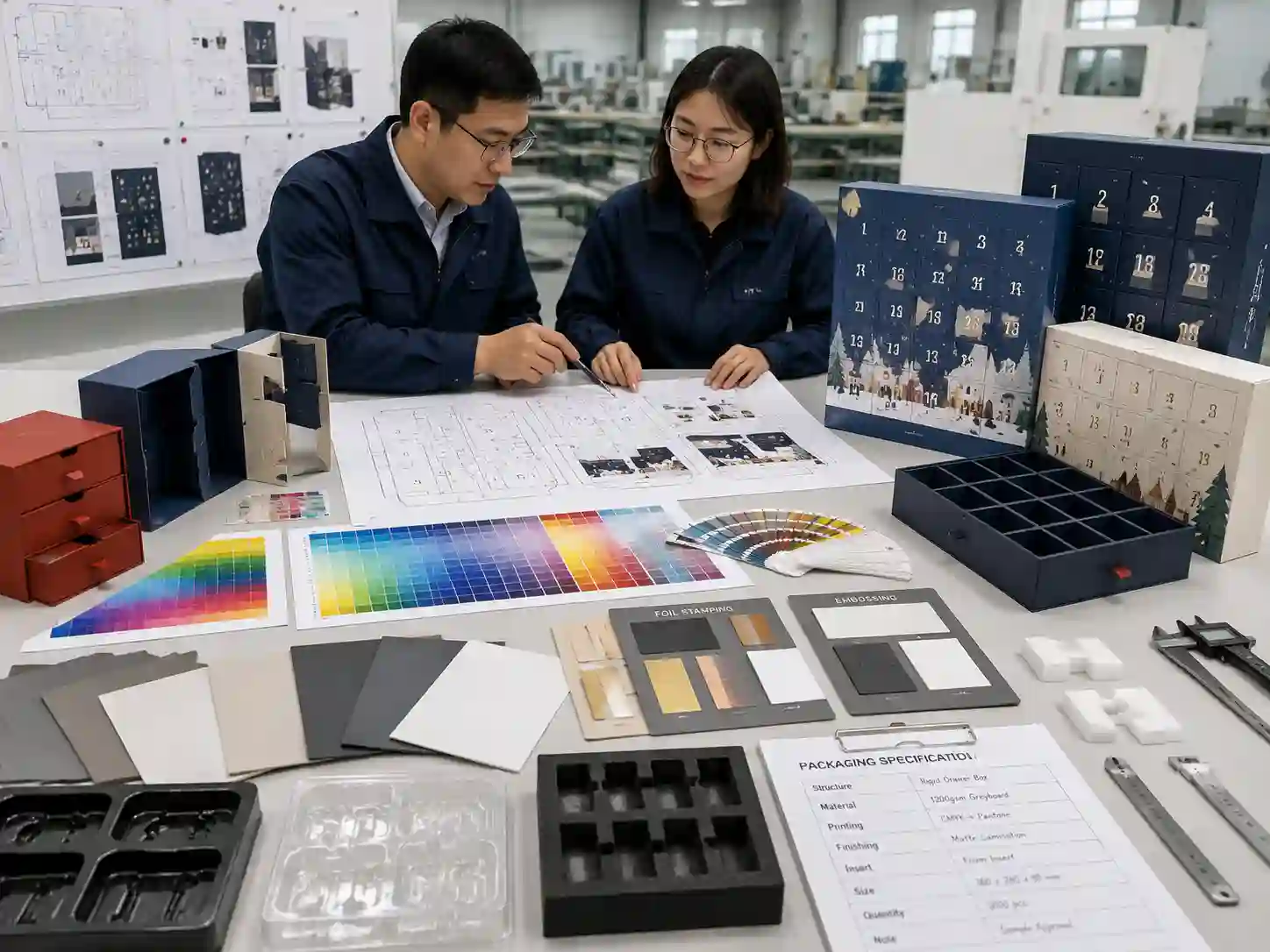
Buyers should compare printing methods based on quantity, appearance requirements, budget, and production timeline. The correct choice depends on the packaging material and expected market position.
| Printing / Finishing Option | Best Use Case | Buyer Consideration |
|---|---|---|
| CMYK printing | Detailed images, gradients, and full-color artwork. | Confirm color proof before bulk production. |
| Pantone printing | Brand color matching and consistent corporate colors. | Useful when exact color control is important. |
| Foil stamping | Premium logos, highlights, and luxury appearance. | Requires checking position accuracy. |
| Embossing | Raised textures and premium tactile effects. | Needs suitable material thickness. |
| Spot UV | Selective glossy effects on matte surfaces. | Artwork layers must be prepared correctly. |
| Matte or gloss lamination | Surface protection and appearance improvement. | May slightly affect color perception. |
Factory tip: A printed proof or pre-production sample is more reliable than checking artwork only on a computer monitor. Screen colors cannot fully represent printed results.
What artwork files should buyers prepare before requesting a quotation?
Before requesting a quotation, buyers should prepare artwork-related information that allows the factory to calculate materials, labor, printing, and production requirements accurately.
Artwork quotation preparation checklist
- Final box structure or preferred packaging style.
- Product size, weight, and compartment requirements.
- Artwork files with editable layers when available.
- Preferred printing method: CMYK, Pantone, or special finishing.
- Logo placement and finishing requirements.
- Insert type and product-fit requirements.
- Required quantity and target MOQ.
- Sample requirements and approval timeline.
- Shipping destination and export packing requirements.
Buyers can also review available options through custom advent calendar box products and discuss suitable structures through custom advent calendar box services.
How does sampling prevent artwork problems before mass production?
Sampling allows buyers and factories to confirm that artwork works correctly on the real packaging structure before committing to bulk production.
A professional sampling process usually includes:
- Dieline checking and artwork placement review.
- Blank sample or structure prototype confirmation.
- Printed sample review with actual materials.
- Insert fit testing with real or simulated products.
- Color, finishing, and assembly approval.
- Pre-production sample confirmation before mass production.
QC tip: Buyers should inspect more than appearance. Check folding accuracy, drawer movement, door opening performance, insert stability, surface scratches, and finishing alignment.
What common artwork mistakes should buyers avoid?
The most common artwork mistakes happen when buyers focus on visual design but ignore manufacturing requirements.
- Using incorrect dielines: Artwork may shift after folding or wrapping.
- Ignoring bleed and safe areas: Important graphics may be cut or misplaced.
- Choosing complex finishes too late: Production cost and lead time may increase.
- Skipping physical samples: Digital previews cannot verify real assembly performance.
- Not considering export packing: Artwork and structure must survive transportation conditions.
How should artwork decisions consider export packing and shipping?
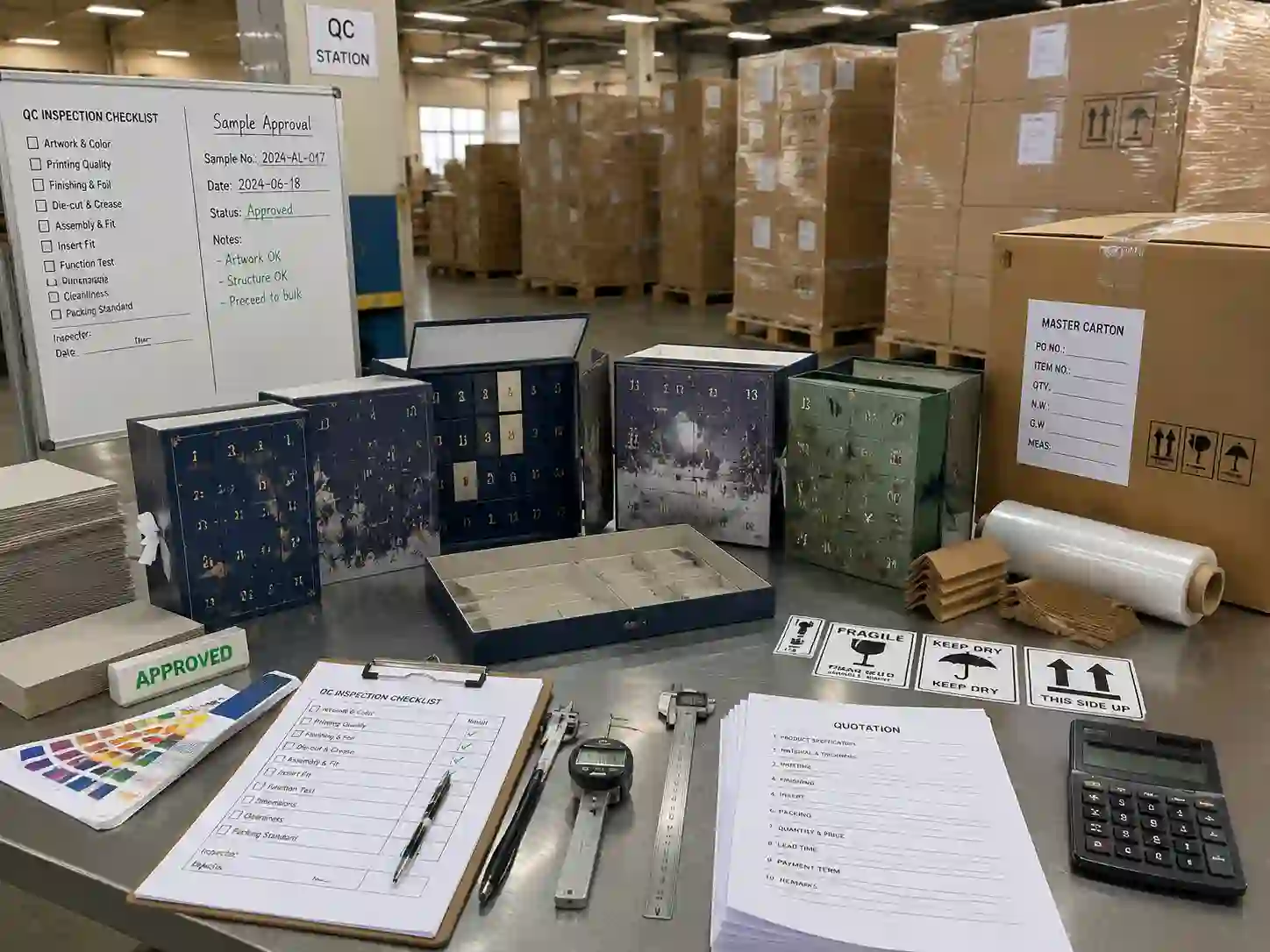
Artwork selection should support the final shipping method because packaging appearance can be damaged by poor packing decisions. Export buyers should confirm flat packing, assembled packing, master cartons, palletizing, and shipping marks during production planning.
For international shipments, suppliers should check:
- Whether assembled boxes need corner protection.
- Whether flat-packed structures reduce shipping volume.
- Whether master cartons protect printed surfaces.
- Whether pallet wrapping prevents movement damage.
- Whether shipping marks are clear for warehouse handling.
Buyers can reference official packaging and logistics guidance from organizations such as GS1 supply chain standards when preparing identification and shipment information.
How do buyers compare suppliers for artwork support?
The best packaging supplier is not only a manufacturer but also a technical partner that can review artwork, recommend materials, manage samples, and control production quality.
| Supplier Evaluation Point | Questions Buyers Should Ask |
|---|---|
| Artwork support | Can the supplier check dielines and artwork before production? |
| Sampling process | Can they provide prototypes and pre-production samples? |
| Production control | Do they inspect printing, finishing, assembly, and packing? |
| Export experience | Can they handle cartons, pallets, and shipping requirements? |
| Quotation details | Are materials, finishes, inserts, labor, and packing clearly listed? |
Buyers looking for a long-term packaging partner can learn more about Giftpackpro packaging factory and review additional advent calendar box buying guides before starting a project.
FAQ: Choosing artwork for advent calendar packaging
Can buyers change artwork after sampling?
Yes, but changes after sampling may affect cost and lead time. It is better to finalize major artwork decisions before the pre-production sample stage.
Should artwork be completed before choosing the box structure?
No. The structure should usually be confirmed first because dielines, folding areas, inserts, and finishing options affect artwork requirements.
What file format is normally needed for packaging artwork?
Packaging factories usually prefer editable vector files with separated layers for artwork, finishing, and special effects. Final requirements depend on the supplier workflow.
Does premium artwork always require expensive packaging?
No. Premium appearance depends on balancing structure, materials, printing, finishing, and production quantity. A well-planned design can achieve strong visual impact without unnecessary cost.
What should buyers prepare before requesting a custom advent calendar packaging quotation?
Before contacting a supplier, prepare your target structure, product details, artwork status, quantity, insert requirements, finishing preferences, shipping destination, and timeline. These details help factories provide more accurate recommendations and quotations.
To discuss artwork review, sampling, and production planning for your next project, prepare your packaging specifications and request a custom quote from Giftpackpro.