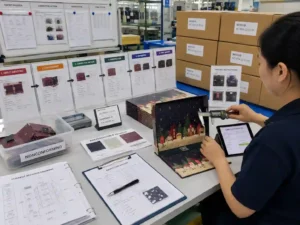
Quick answer: Designing an advent calendar for parcel-carrier dimensional limits requires controlling the finished package size, weight, protection level, and shipping efficiency before production. The process starts with carrier requirements, then uses structural drawings, sample measurements, packing trials, and approval records to confirm the calendar can move through parcel networks without unnecessary dimensional charges, handling issues, or customer delivery problems.

What does parcel dimensional limit packaging mean for advent calendars?
Parcel dimensional limit packaging means designing the finished shipping package so its external dimensions and weight remain suitable for the intended parcel-carrier requirements. For advent calendars, this is important because seasonal gift packaging often combines large surface graphics, rigid structures, drawers, doors, inserts, and protective components that can increase shipping volume.
Dimensional limits usually consider factors such as:
- Finished parcel length, width, and height.
- Dimensional weight rules used by carriers.
- Actual product weight and packed shipment weight.
- Handling requirements for oversized or irregular packages.
- Protection needs for fragile paper structures and decorative surfaces.
Exact carrier thresholds vary by destination, service level, and contract terms. Buyers should confirm the applicable parcel specifications before final packaging approval.
How do you review parcel requirements before designing an advent calendar?
The first step is to translate parcel requirements into packaging design targets. Packaging teams should create a dimensional checklist before finalizing the calendar structure.
| Requirement area | Design consideration | Verification evidence |
|---|---|---|
| External dimensions | Control finished calendar size and shipping carton clearance. | Dimension drawings and physical measurements. |
| Weight limits | Balance product structure, protection materials, and shipping weight. | Packing records and weight checks. |
| Parcel handling | Avoid unnecessary oversized shapes or unstable packaging. | Packaging review notes and sample inspection. |
| Protection level | Maintain surface protection without excessive volume. | Sample packing evaluation. |
The design goal is not simply to make the smallest package possible. A package that is too tight may increase crushing, abrasion, or assembly risks. The approved design should balance dimensional efficiency and product protection.

How should engineers reduce advent calendar shipping volume?
Engineers usually reduce shipping volume by reviewing the complete packed configuration rather than only the calendar itself. The final parcel size depends on the product structure, protective materials, and outer carton arrangement.
Should the advent calendar structure be adjusted before production?
Yes. Structural decisions made early can have a significant effect on parcel efficiency. Common review points include:
- Reducing unnecessary empty space around the calendar.
- Reviewing whether rigid components create avoidable height or width increases.
- Optimizing drawer, door, or compartment layouts when dimensions become excessive.
- Checking whether protective packaging adds more volume than required.
Engineers should compare drawings with physical samples because paper calculations may not show actual clearance, compression, or handling conditions.
How do you test whether an advent calendar fits parcel limits?
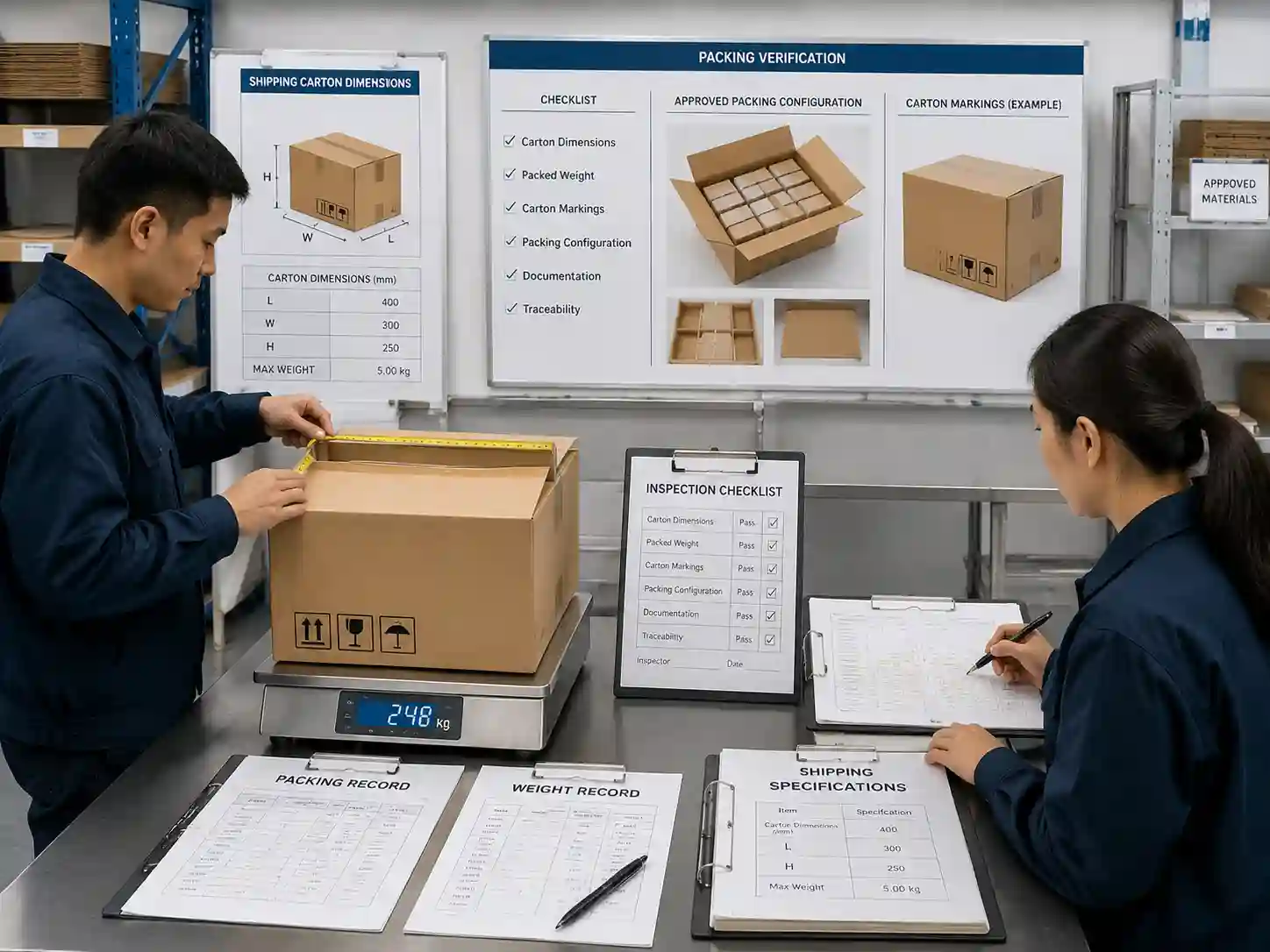
A practical verification process uses measured samples and documented packing conditions. The approved sample should represent the final production configuration as closely as possible.
- Measure the assembled advent calendar dimensions.
- Pack the calendar using the intended protective method.
- Measure the completed shipping carton dimensions.
- Record packed weight and carton configuration.
- Compare results against the approved parcel requirements.
- Document any design changes before bulk production.
Useful evidence may include structural drawings, sample measurement sheets, packing photographs, carton specifications, and approval records.
What risks happen when advent calendars exceed parcel dimensions?
Oversized packaging can create additional logistics challenges beyond higher shipping costs. It may affect warehouse handling, carrier acceptance, storage efficiency, and customer delivery experience.
- Higher dimensional shipping impact: Larger cartons may be charged according to volume rather than actual weight.
- Reduced fulfillment efficiency: Oversized cartons occupy more storage and transportation space.
- Increased damage exposure: Excess empty space can allow movement during handling.
- Customer experience issues: Large outer packaging may create unnecessary waste or difficult unboxing.
These risks should be reviewed during packaging approval rather than discovered after shipment.
How should buyers approve parcel-ready advent calendar packaging?
Buyers should approve the final packaging configuration using measurable records instead of appearance checks alone. A parcel-ready approval should confirm dimensions, weight, packing method, and handling suitability.
| Approval check | Recommended record |
|---|---|
| Finished product size | Measured sample dimensions. |
| Shipping carton size | Carton specification sheet. |
| Packed weight | Weight verification record. |
| Final packing method | Approved packing instructions. |
| Design changes | Revision and approval documentation. |
Supplier documents, sample photos, inspection records, and packaging drawings help buyers confirm that the approved design matches the production version.
What varies between different advent calendar parcel projects?
Parcel-ready packaging decisions depend on the product format, sales channel, destination, and carrier requirements. A compact paper calendar, a rigid drawer calendar, and a large premium display calendar may require different solutions.
Project-dependent factors include:
- Final assembled dimensions.
- Protection requirements for special surfaces.
- Fulfillment center handling rules.
- Target parcel services and delivery regions.
- Customer expectations for unboxing presentation.
Giftpackpro supports commercial buyers with custom advent calendar box development, structural review, and packaging documentation through its custom advent calendar box services and custom advent calendar box products.
Frequently asked questions
Can a larger advent calendar still be suitable for parcel shipping?
Yes, but the design must be evaluated against the applicable parcel requirements. Larger formats may require different structures, protection methods, or fulfillment strategies.
Should parcel dimensions be checked before or after sampling?
Both stages are useful. Initial drawings help set targets, while physical samples confirm real dimensions, weight, and packing behavior.
What records help prove parcel packaging approval?
Dimension sheets, weight records, packaging drawings, sample approval documents, and inspection records provide traceable evidence of the approved configuration.
For help developing parcel-efficient custom advent calendar packaging, contact Giftpackpro through request a custom quote to discuss your packaging requirements.