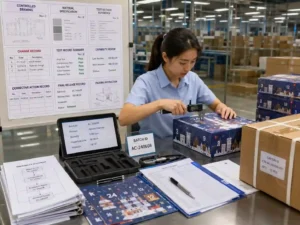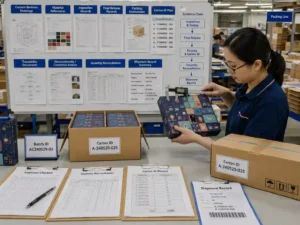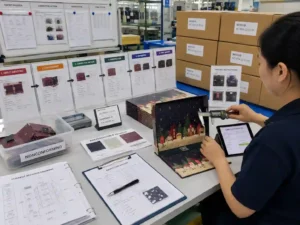
Reducing ecommerce packaging damage returns requires more than stronger cartons. Packaging teams need to match the product structure, parcel environment, handling risks, and fulfillment process through measured design decisions. The practical approach is to identify damage points, validate protection methods with samples, control packing instructions, and keep inspection records that show the approved packaging configuration.
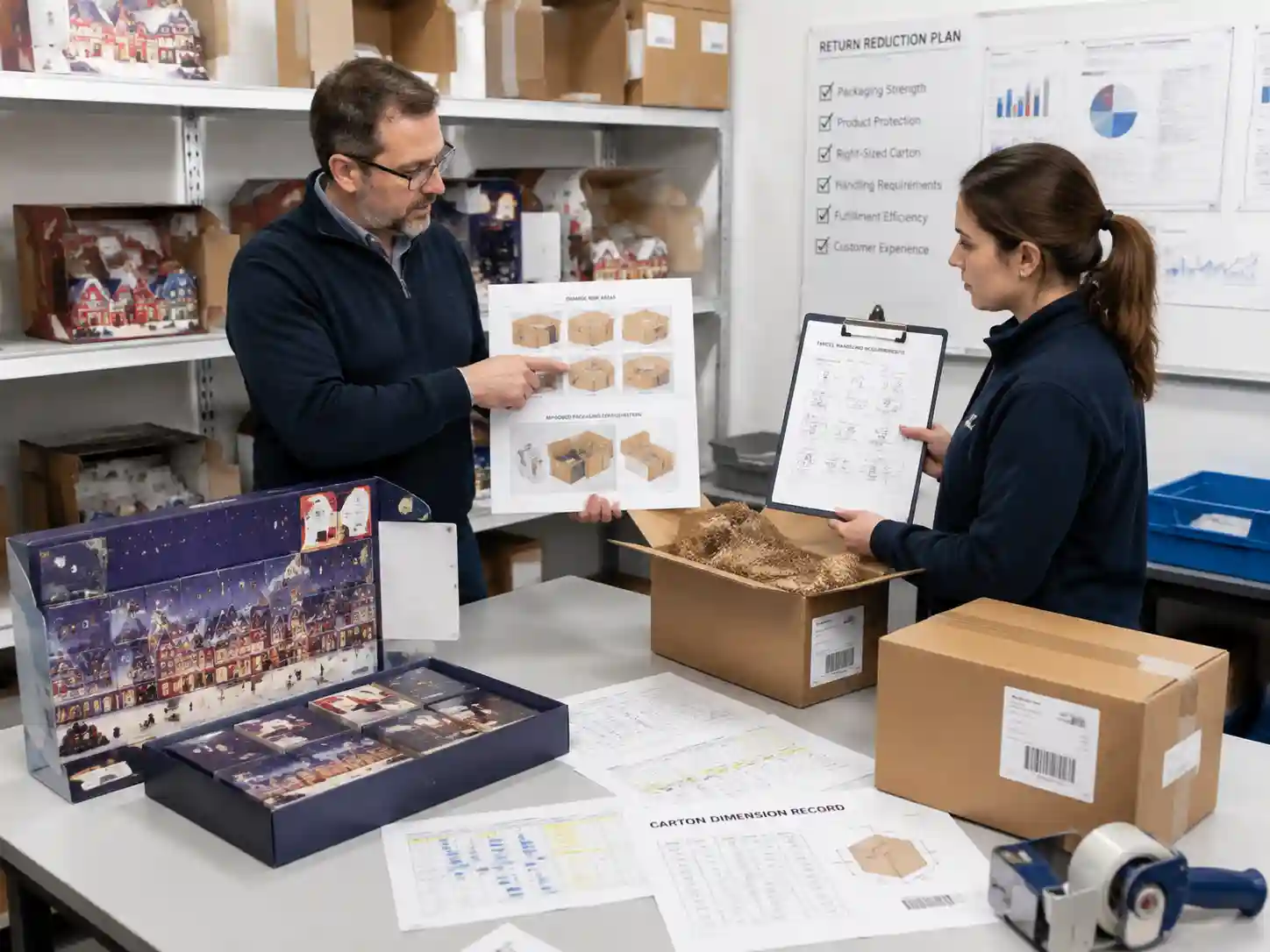
What causes packaging damage that leads to e-commerce returns?
Packaging damage usually comes from a combination of product vulnerability, insufficient protection, incorrect carton selection, or inconsistent fulfillment handling. The most common issues should be identified before mass production or large-scale distribution.
- Insufficient internal support: Empty space can allow movement, impact, or compression damage during parcel handling.
- Incorrect carton dimensions: A carton that is too tight may crush edges, while excessive clearance may increase movement.
- Surface damage risks: Premium printed, embossed, foil, or coated packaging may require protection from scratches and abrasion.
- Packing variation: Different operators or locations may load products differently without clear work instructions.
How should packaging teams identify damage risks before shipment?
The first step is to map the complete fulfillment journey from finished product to customer delivery. Packaging decisions should be based on actual handling conditions rather than appearance alone.
| Risk area | Verification method | Evidence to keep |
|---|---|---|
| Product movement inside carton | Review internal clearance and packing arrangement | Carton drawings, packing samples, approval records |
| Outer carton strength and size | Measure packed dimensions and review stacking conditions | Dimension sheets, weight records, carton specifications |
| Surface protection | Inspect finished packaging after packing and handling | Inspection photos, quality check records |
| Fulfillment consistency | Compare approved packing method with production packing | Packing instructions and verification reports |
How does packaging design reduce return rates?
Packaging design reduces damage when it controls the movement, pressure, and exposure risks that occur during storage and delivery. The goal is not simply adding more material, but creating a balanced protection system.
How should carton size be selected?
Carton dimensions should provide enough protection space without creating unnecessary movement. Packaging engineers normally review finished product dimensions, protective materials, case pack quantity, and parcel handling requirements together.
How can internal protection prevent product damage?
Internal structures such as fitted supports, sleeves, wraps, or controlled spacing can reduce shifting during transportation. The correct method depends on product shape, surface sensitivity, shipping route, and fulfillment process.
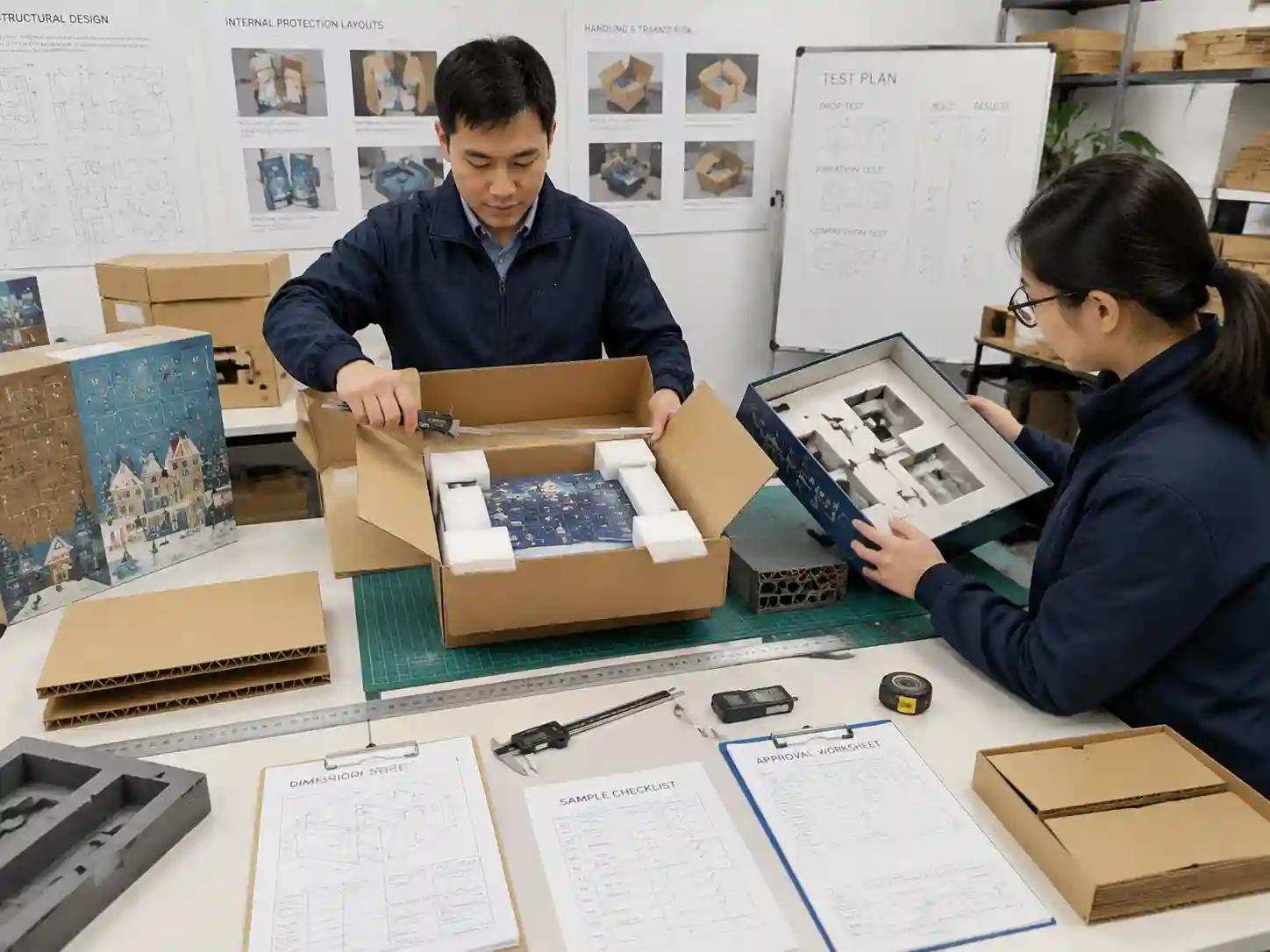
What packaging checks should be completed before fulfillment?
Before regular fulfillment begins, teams should confirm that the approved packaging method can be repeated consistently. Samples, drawings, and packing records help prevent differences between approved designs and shipped products.
- Confirm the approved product dimensions and carton configuration.
- Verify packing orientation and quantity per carton.
- Check protective materials and placement against approved instructions.
- Measure packed cartons for size and weight accuracy.
- Record any deviations and require review before shipment.
How can suppliers and buyers verify packaging quality?
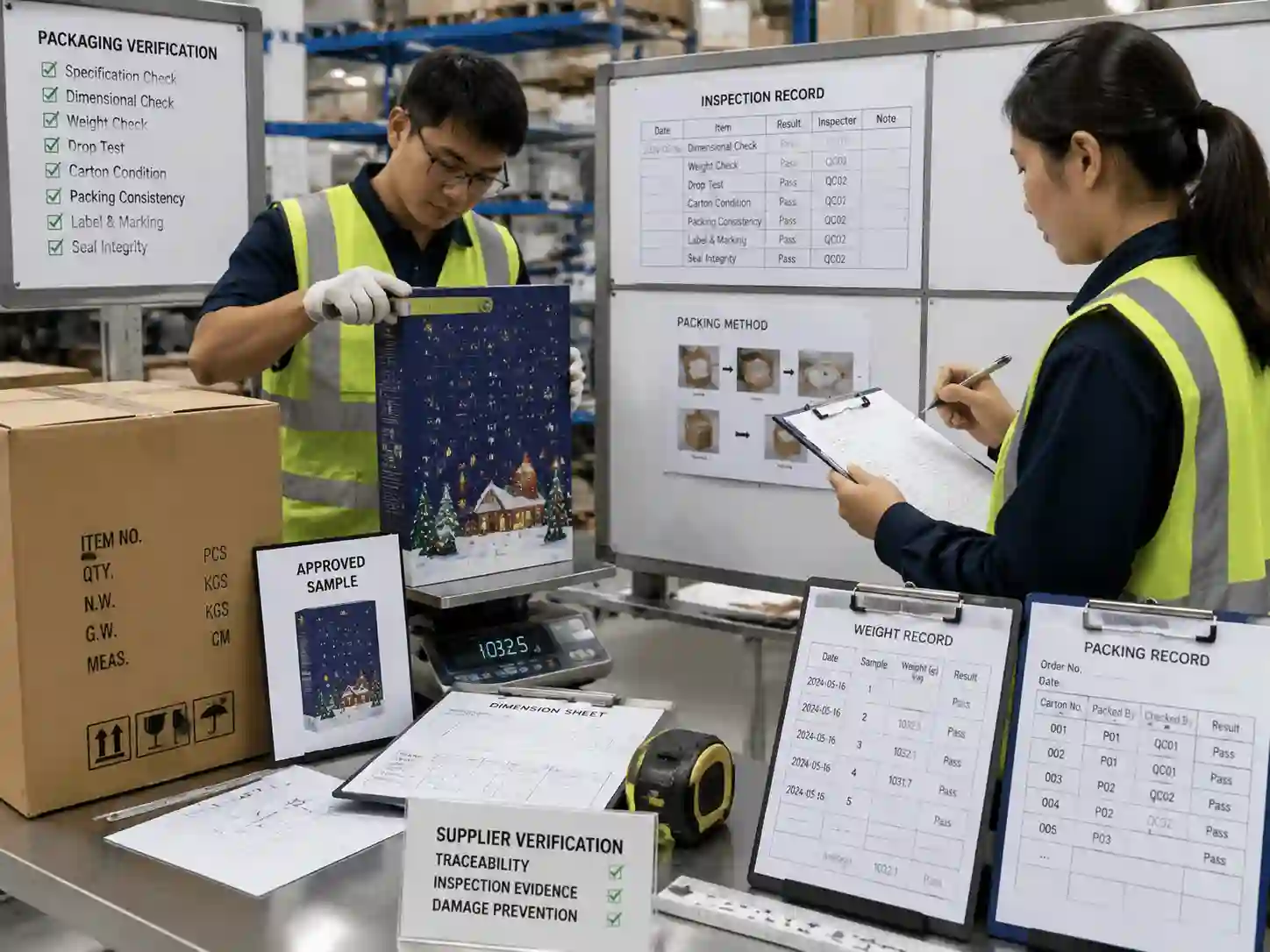
Packaging quality should be verified through documented checks rather than visual assumptions. Useful evidence includes engineering drawings, sample approvals, inspection records, carton measurements, packing photos, and corrective action records when issues occur.
For commercial packaging projects, buyers may review:
- Approved packaging samples or reference samples.
- Production inspection checklists.
- Packing method records.
- Finished carton measurements and weight checks.
- Photos showing the final packing condition.
Giftpackpro supports commercial buyers with custom seasonal packaging solutions through custom advent calendar box services and custom advent calendar box products. Project requirements vary depending on product structure, distribution method, and fulfillment environment.
What is the role of fulfillment teams in reducing packaging returns?
Fulfillment teams reduce damage by following approved packing methods consistently. Even a well-designed package can fail if carton orientation, product placement, or protective materials are applied incorrectly.
Operational controls may include:
- Clear packing instructions at workstations.
- Verification of carton type before packing.
- Random checks during fulfillment.
- Recording repeated damage patterns for packaging improvement.
How do packaging improvements affect e-commerce efficiency?
Reducing packaging damage can improve customer experience, decrease avoidable replacement handling, and support more predictable fulfillment operations. However, every project requires balancing protection, package size, material usage, and shipping requirements.
Frequently asked questions about ecommerce packaging damage returns
Does stronger packaging always reduce returns?
No. Overbuilding packaging may increase cost, storage space, and shipping dimensions without solving the actual damage cause. The correct approach is targeted protection based on measured risks.
Should packaging damage problems be solved by changing the product box?
Not always. The solution may involve carton size, internal protection, packing sequence, handling instructions, or fulfillment checks depending on where the damage occurs.
What records help investigate packaging damage complaints?
Useful records include approved samples, packaging specifications, inspection reports, packing photos, carton measurements, and shipment-related quality notes.
For packaging projects requiring evaluation of structure, protection, and fulfillment requirements, buyers can request a custom quote and discuss the appropriate packaging approach.