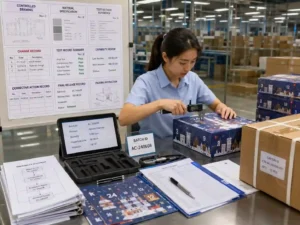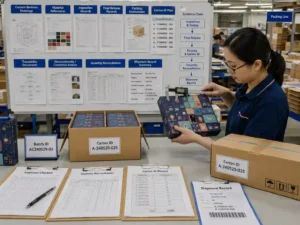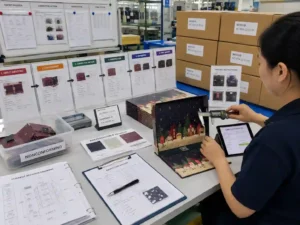
Quick answer: Preventing artwork across door cut lines from breaking requires coordinating graphic layouts with structural dielines before production. The key is to review door openings, hinge areas, fold lines, perforations, and panel gaps together so important visual elements do not fall across moving or cut areas. Engineers and designers should validate the artwork on physical samples, not only digital files, because board thickness, assembly tolerances, and door movement can change the final appearance.
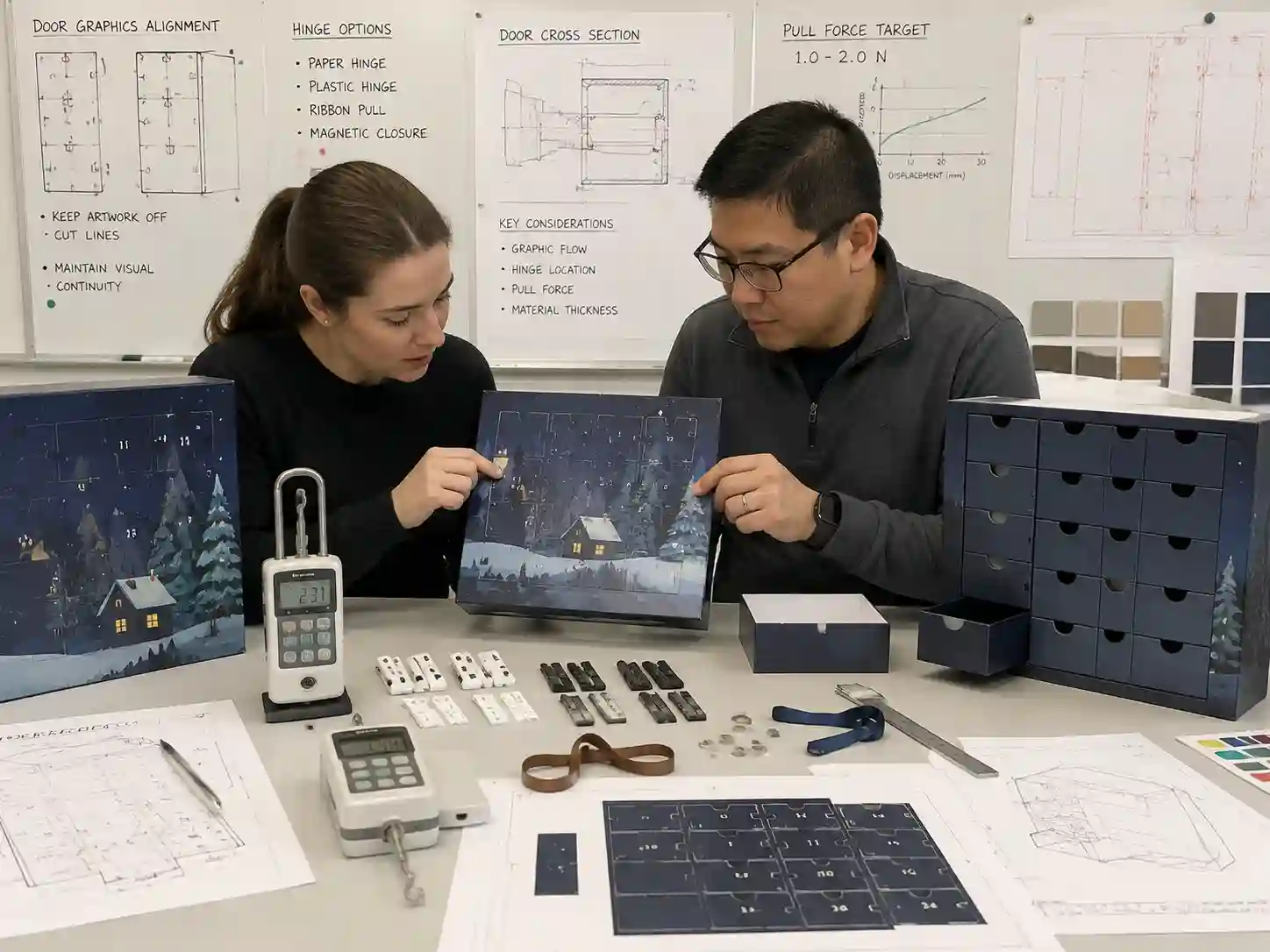
Why do door graphics break across cut lines?
Door graphics usually break when the printed design is created separately from the final structural layout. A door panel may appear continuous in artwork software, but the finished package contains cut edges, creases, hinge zones, and opening gaps that interrupt the visual flow.
For advent calendar boxes with multiple doors or drawer-door combinations, the main risk areas include:
- Important images or text crossing perforated opening lines.
- Patterns becoming misaligned when a door moves during opening.
- Foil, embossing, or special finishes being placed too close to cut edges.
- Graphic elements shifting because of board thickness and assembly tolerance.
How should artwork be prepared around door cut lines?
The artwork should be developed from an approved structural dieline rather than a flat graphic concept. The design team should identify every cut line, fold line, hinge area, and safe visual zone before final artwork production.
Which areas need special attention?
Large continuous graphics require extra planning around moving parts. Designers should avoid placing critical visual elements directly over areas where the paperboard separates, folds, or rotates.
- Door edges: keep key images away from trimming areas.
- Hinge sections: avoid placing important details where repeated movement may affect alignment.
- Magnet closure zones: check that hardware placement does not interfere with visual balance.
- Panel transitions: confirm that patterns continue correctly after folding and assembly.
How do engineers align structural drawings and graphics before production?
Engineers typically review the artwork together with the structural drawing, 3D model, and physical prototype. The purpose is to confirm that the printed design matches the real opening behavior of the box.
| Review item | Why it matters | Verification method |
|---|---|---|
| Dieline and artwork position | Prevents important graphics from crossing cuts or folds | Overlay artwork on approved structural drawings |
| Door opening movement | Checks whether graphics shift when doors move | Open and close physical samples repeatedly |
| Hinge and panel alignment | Maintains visual continuity between sections | Measure assembled sample positions |
| Finish placement | Reduces risk near trimming or folding areas | Review finishing map against structure |
For custom advent calendar projects, Giftpackpro reviews structural requirements through custom advent calendar box services and coordinates artwork considerations with packaging development requirements.
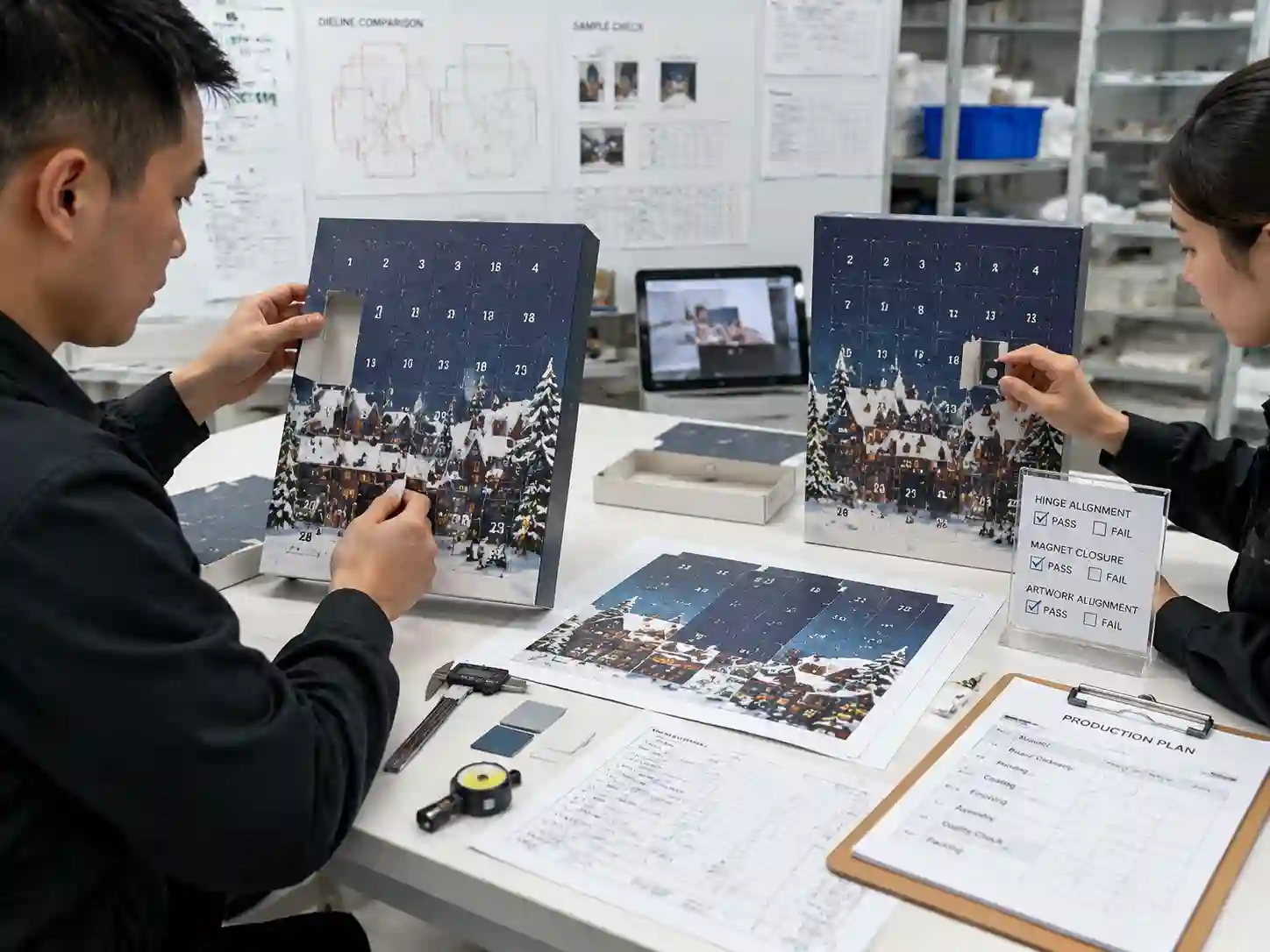
What sample checks confirm that door graphics are safe?
A physical sample is the most reliable way to verify artwork placement because it shows the real relationship between printing, cutting, folding, and assembly.
What should be checked during sampling?
- Open every door and confirm that the intended graphic remains visually complete.
- Check whether cut edges remove important artwork details.
- Inspect gaps between doors and surrounding panels.
- Confirm that magnets, ribbons, hinges, or other components do not create unexpected alignment issues.
- Record approved artwork positions before bulk production.
What are common failure modes when graphics cross door structures?
The following failure modes should be reviewed before production approval:
- Broken visual continuity: a character, pattern, or product image is divided by a door opening.
- Incorrect registration: printed elements do not align after folding and assembly.
- Cut-off details: important information is too close to trimming areas.
- Movement mismatch: graphics look correct closed but become uneven when doors open.
- Finish damage: coatings or decorative effects fail near high-stress structural areas.
How should buyers approve artwork before mass production?
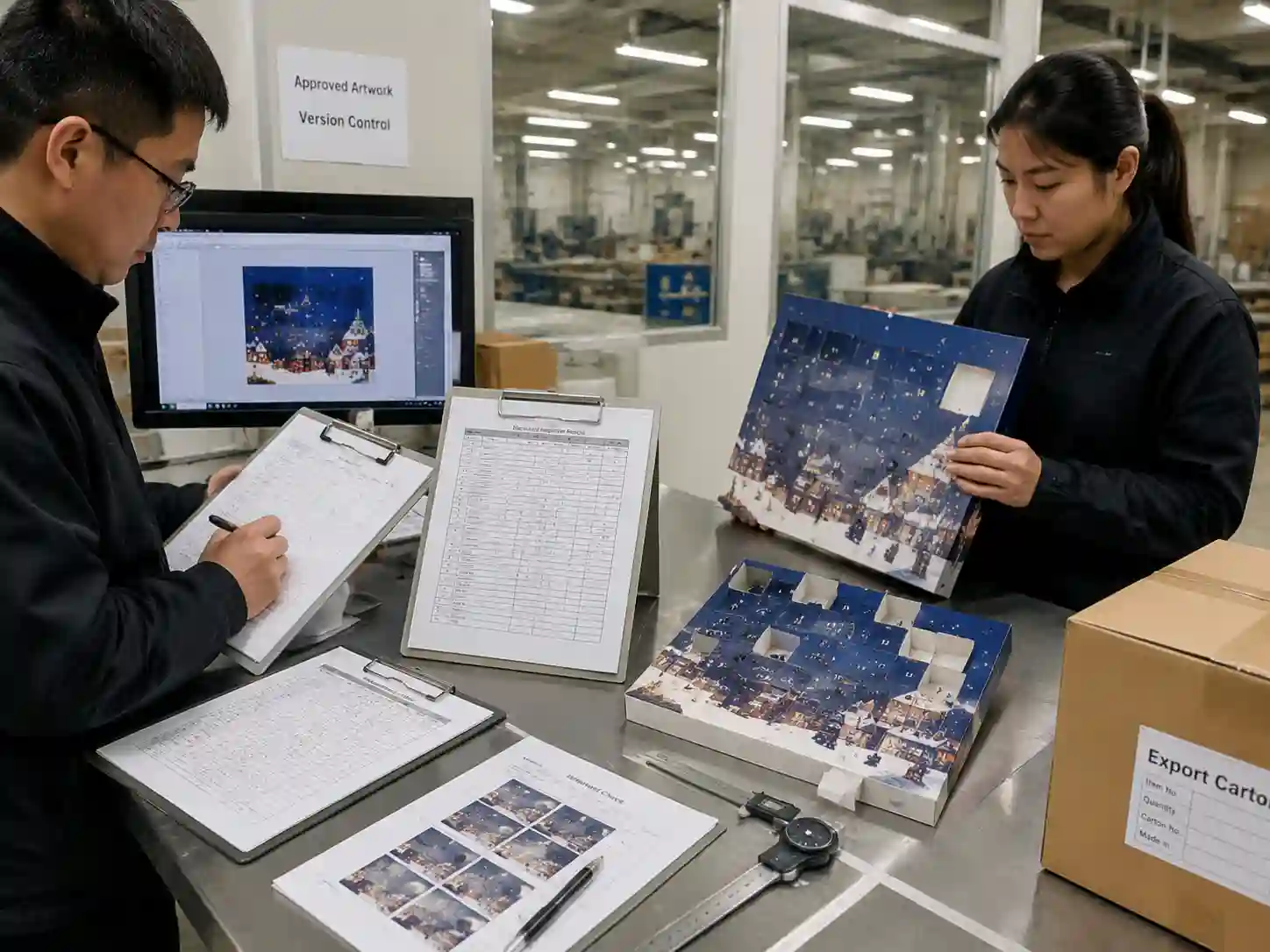
Approval should be based on documented evidence rather than artwork previews alone. Buyers should confirm the final structural sample, approved dieline, artwork file version, and any changes made after sampling.
Useful approval records include:
- Final structural drawing with cut and fold references.
- Approved artwork file linked to the correct dieline version.
- Sample photos showing doors opened and closed.
- Inspection notes for alignment and finishing details.
These records help prevent differences between design approval and finished production. They also provide a clear reference if artwork or structural changes are requested later.
Does the best artwork placement vary by project?
Yes. The correct artwork layout depends on door size, opening method, board structure, printing method, finishing requirements, and the complexity of the visual design.
Verifiable facts: Cut lines, fold lines, and structural movements can be checked through drawings, samples, and measurements.
Project-dependent recommendations: Safe artwork zones, graphic spacing, and tolerance allowances should be decided based on the specific box construction.
Buyer approvals: Final artwork should be approved together with the structural sample and production specifications.
FAQs
Can artwork cross a door cut line intentionally?
Yes, but it requires controlled planning. Designers must confirm how the graphic will appear when the door is closed and opened, especially for patterns or continuous images.
Should artwork be finalized before structural design?
No. Structural drawings should be available before final artwork because door positions, folds, and cuts directly affect graphic placement.
Why is a physical sample important for graphic approval?
A sample shows real production conditions, including board thickness, assembly tolerance, and movement of doors or panels that digital previews may not reveal.
For projects requiring coordinated structure and artwork development, contact Giftpackpro through request a custom quote to discuss your advent calendar box requirements.