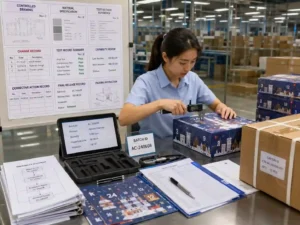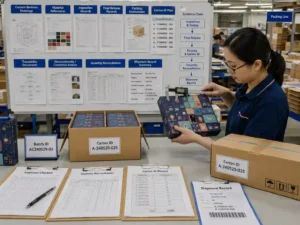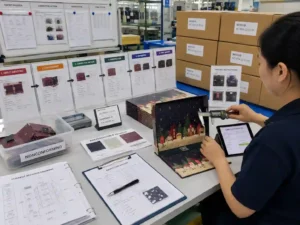
A mascara eyeliner orientation insert keeps slim cosmetic tubes positioned correctly by controlling cavity size, support points, and product direction inside a calendar or gift box. The most reliable approach is to match the insert design to the actual tube dimensions, cap shape, label visibility requirements, and handling risks. Fit samples, loaded checks, and approval records help confirm that products remain aligned without pressure damage or unwanted movement.
Why do mascara and eyeliner tubes need controlled orientation during packing?
Mascara and eyeliner tubes need controlled orientation because their narrow cylindrical shapes can rotate, slide, or become misaligned during handling. An insert must prevent excessive movement while avoiding compression on caps, brushes, closures, or printed surfaces.
Unlike rigid products with flat surfaces, slim tubes often have limited contact areas. If the cavity is too loose, products may twist and create inconsistent presentation. If the cavity is too tight, insertion forces can cause surface marks or make packing slower.
| Product risk | Packaging cause | Verification method |
|---|---|---|
| Tube rotation inside compartment | Oversized cavity or insufficient side support | Loaded insert sample check and movement inspection |
| Cap or applicator damage | Pressure applied at incorrect support points | Fit review using actual product samples |
| Label visibility inconsistency | Uncontrolled product direction | Orientation approval with photographed samples |
| Mixed SKU confusion | Similar tube sizes sharing unsuitable cavities | SKU-specific fit validation |
How does a mascara eyeliner orientation insert control tube position?
A mascara eyeliner orientation insert controls position through cavity geometry, retention points, and planned product direction. The insert should support the tube body rather than rely only on the cap or end of the product.
Common design considerations include:
- Cavity diameter: The opening should match the tube profile while allowing practical packing tolerance.
- Support location: Contact points should hold the strongest areas of the package and avoid delicate closures.
- Product direction: The cavity layout should define whether tubes face the same direction or follow a planned display arrangement.
- Clearance: Space must allow insertion without scraping labels or decorative finishes.
For mixed cosmetic calendars, the insert may require different cavity shapes for mascara, eyeliner, lip products, or other slim components. A single universal cavity can increase movement risk when product dimensions vary.
What steps are used to test mascara and eyeliner insert fit?
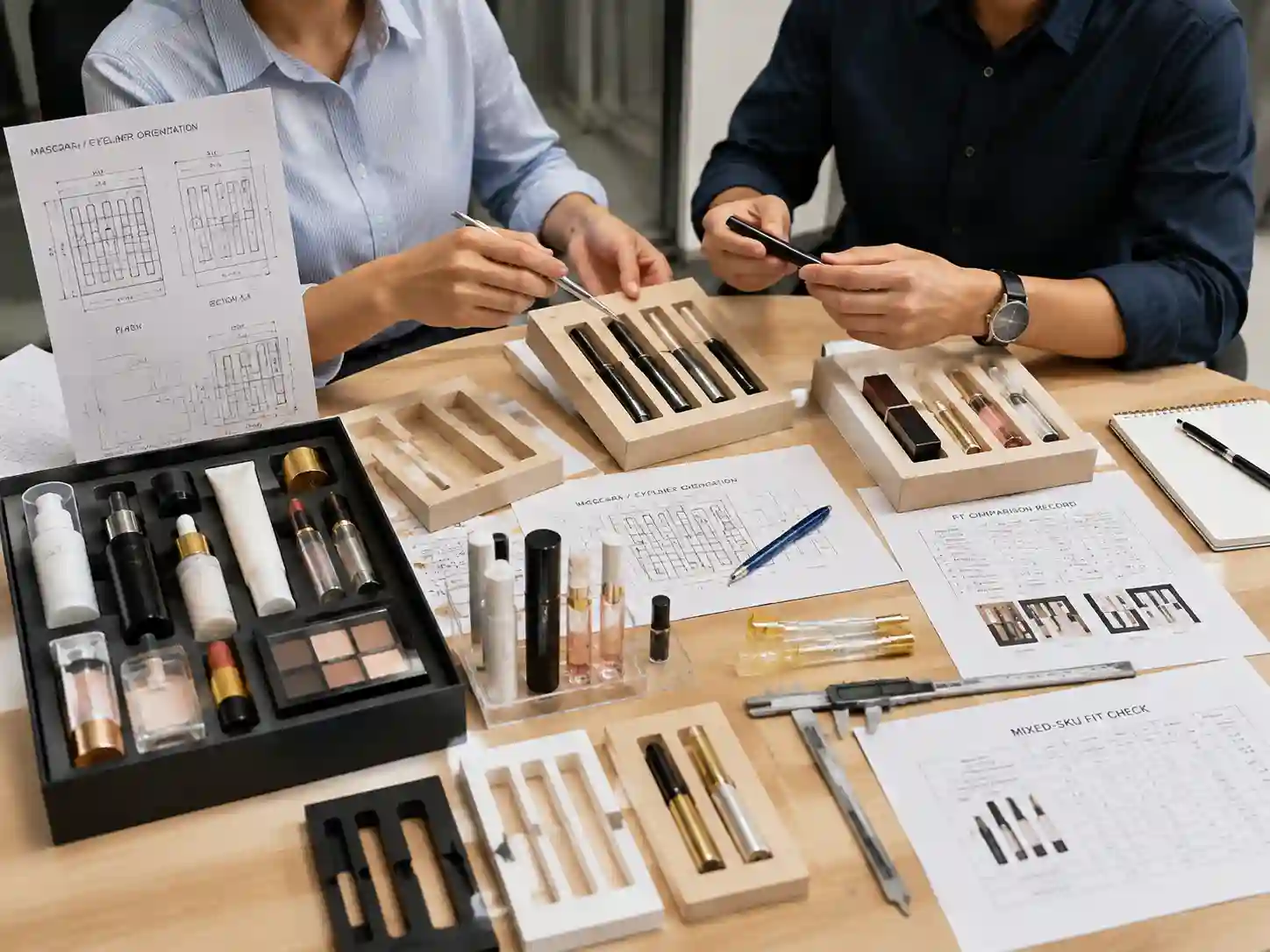
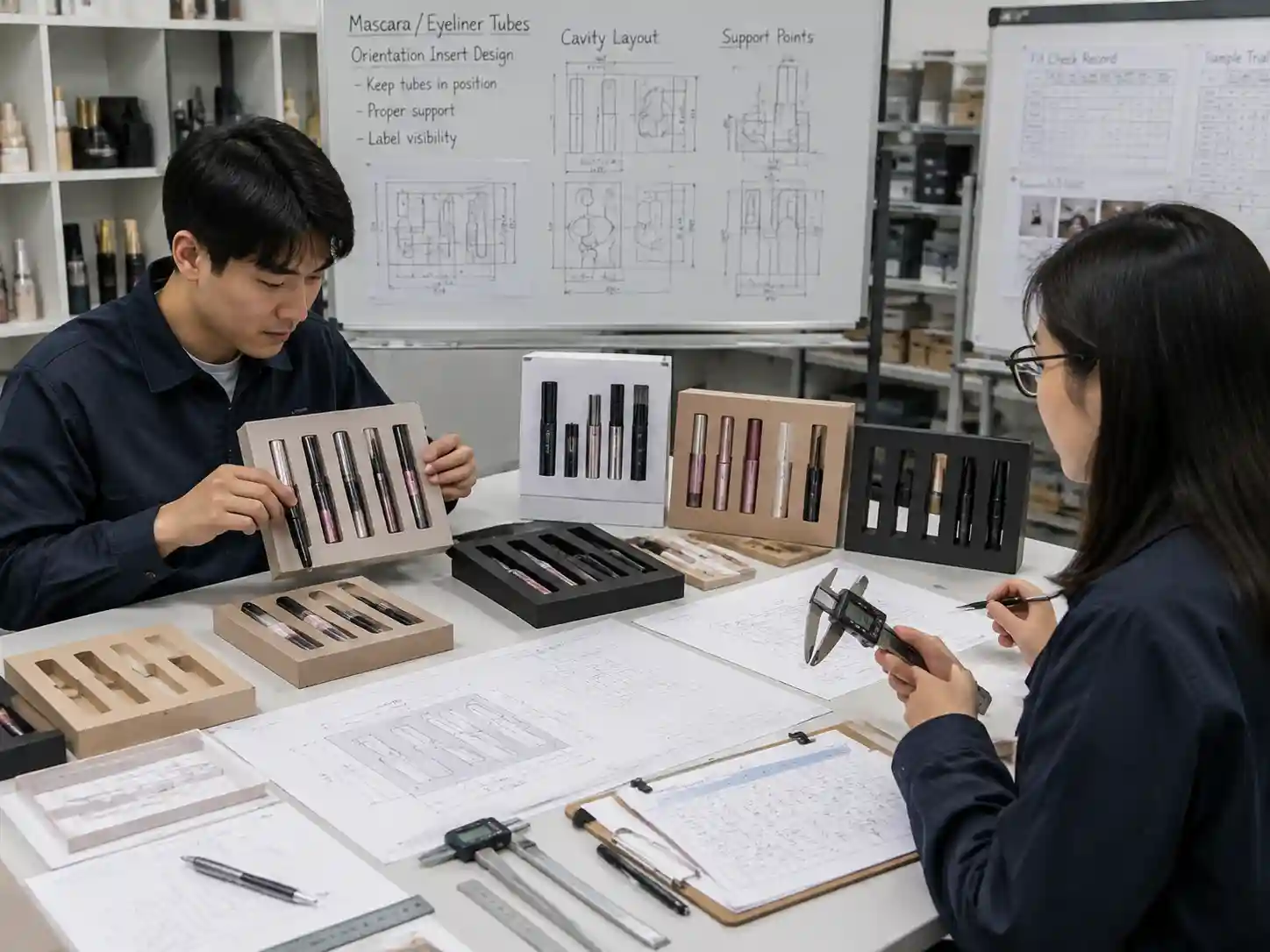
Insert fit should be verified with real production-intent products rather than only drawings. A practical fit test compares dimensions, loading behavior, product stability, and final presentation.
- Measure the tube diameter, length, cap profile, and any raised features that affect seating.
- Review the insert drawing and identify intended contact points and orientation direction.
- Load actual mascara and eyeliner samples into prototype cavities.
- Check whether products remain aligned after normal handling movements.
- Inspect surfaces for scratches, pressure marks, or label damage.
- Record approved adjustments before moving to production preparation.
Useful evidence includes dimension sheets, cavity drawings, sample photographs, fit comments, and approval records showing which product versions were checked.
How do you check orientation consistency in mixed cosmetic calendars?
Mixed cosmetic calendars should use a loaded-SKU review to confirm that every compartment performs as intended. Orientation problems often appear when products look similar but have different lengths, cap diameters, or weight distribution.
What should a loaded-SKU orientation checklist include?
- Product name or internal SKU reference.
- Approved tube dimensions and cavity reference.
- Correct facing direction or display position.
- Cap clearance and applicator protection check.
- Label visibility and artwork-facing approval.
- Movement assessment after loading.
- Recorded approval status and responsible reviewer.
This information helps sourcing teams, packaging engineers, and quality teams confirm that the approved insert matches the final product assortment.
Which packaging factors can change the insert design?
Insert design can change when the product range, tube materials, decorative finishes, or packing method changes. The same cavity design may not perform equally for different mascara or eyeliner collections.
Project-dependent factors include:
- Tube shape variations such as round, oval, or tapered bodies.
- Heavy caps or decorative components affecting balance.
- Gloss, foil, or printed finishes requiring additional surface protection.
- Different product orientations required for retail presentation.
- Changes to final product dimensions after sampling.
Buyers should approve the final loaded arrangement before production because small product changes can affect fit performance.
How can buyers verify that orientation requirements are followed?
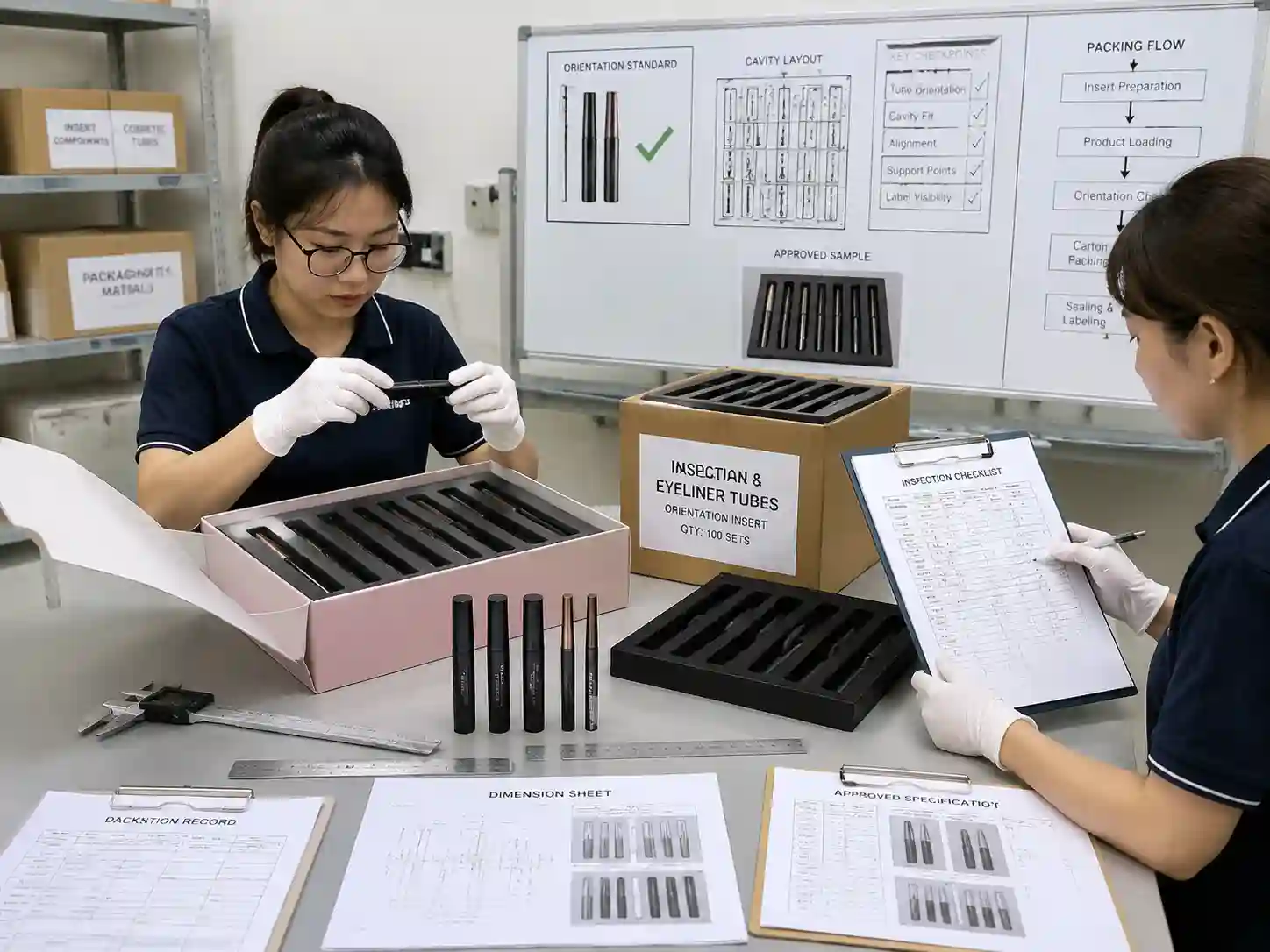
Buyers can verify orientation requirements through approved samples, inspection records, and supplier documentation. The key is comparing production packing against an agreed reference rather than relying only on visual assumptions.
Useful verification records include:
- Approved insert drawings.
- Product dimension measurements.
- Loaded sample photographs.
- Packing instructions showing product direction.
- Inspection notes for cavity fit and appearance.
Giftpackpro supports custom calendar packaging projects with structured packaging development and approval communication. For projects requiring product-specific compartments and presentation control, explore custom advent calendar box services or review related advent calendar box buying guides.
FAQs
Can one insert fit both mascara and eyeliner tubes?
It depends on the tube dimensions and stability requirements. Similar sizes may share a design, but mixed sizes usually require separate cavity checks.
Should mascara tubes be packed vertically or horizontally?
The preferred direction depends on the calendar structure, available depth, product weight, and presentation requirements. The insert should define and maintain the approved orientation.
What records help approve a tube orientation design?
Dimension measurements, prototype fit samples, loaded product photos, and approval comments provide practical evidence for confirming the final design.
To discuss a product-specific packaging structure for cosmetic tubes and mixed beauty assortments, request a custom quote with your product dimensions and packaging requirements.