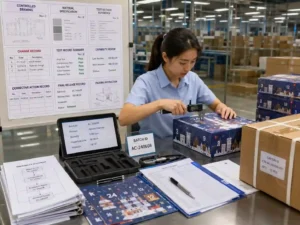
When product dimensions may change before production, compartment design should be based on controlled size ranges, approved tolerance allowances, and validation samples rather than a single fixed measurement. A practical approach is to define the expected variation, create adjustable cavity specifications, test loaded samples, and confirm the final insert design before mass production.
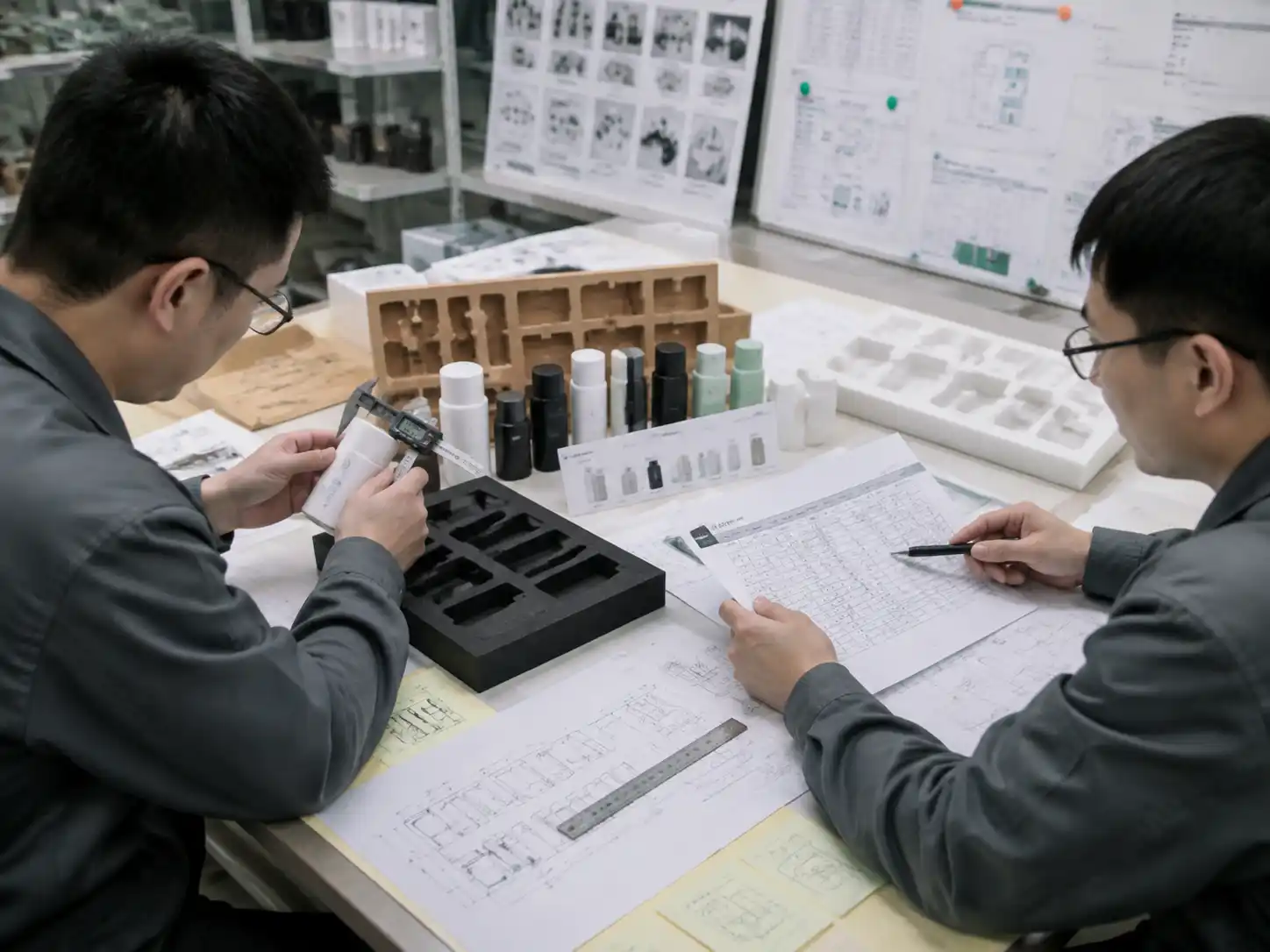
How Should You Approach Variable Product Size Insert Design?
Variable product size insert design starts by separating confirmed dimensions from possible changes. Packaging teams should identify which product features are stable, which dimensions may increase or decrease, and how much movement the insert can safely accommodate.
Instead of designing each cavity only for the first prototype, engineers normally establish a controlled dimensional range. This range considers product height, width, depth, protruding parts, protective packaging, and expected manufacturing variation.
What Product Information Should Be Confirmed Before Designing Cavities?
The first step is collecting the most recent product drawings, physical samples, and packaging requirements. The cavity design should be based on the actual loaded condition, not only the bare product dimensions.
- Finished product length, width, and height measurements
- Cap, pump, handle, or accessory protrusion details
- Protective bags, sleeves, labels, or secondary packaging thickness
- Product orientation requirements inside each compartment
- Expected size changes before final production approval
Measurement records and updated drawings provide evidence for why specific cavity allowances were selected. This helps prevent later disputes when product specifications change.
How Do You Create Compartments When Product Dimensions Are Not Final?
When final product sizes are uncertain, compartments should be designed around acceptable dimensional limits rather than temporary samples. Engineers typically define minimum, target, and maximum cavity conditions.
| Dimension Control Area | Design Consideration | Verification Method |
|---|---|---|
| Product length and width | Allow enough clearance for the approved size range without excessive movement | Dimension measurement and cavity fit check |
| Product height | Prevent lid contact while maintaining stable positioning | Closed-sample clearance inspection |
| Irregular shapes | Use orientation control points and support areas | Prototype loading test |
| Added packaging layers | Include sleeves, bags, labels, or protective materials | Loaded product review |
The correct allowance depends on product shape, insert material, handling requirements, and the final packaging structure. A rigid cavity for a fragile product may require different controls than a flexible compartment holding lightweight items.
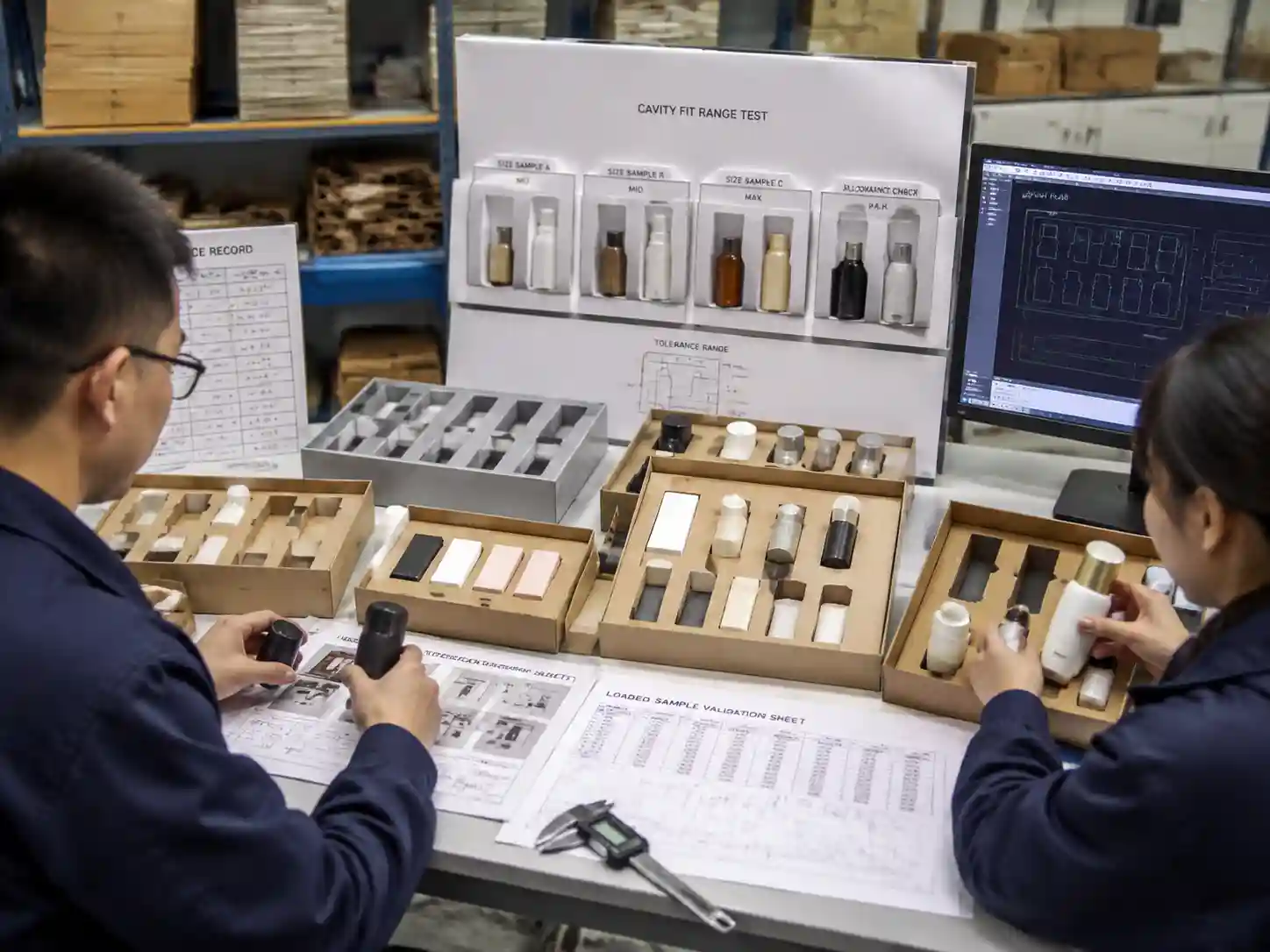
What Tolerance Checks Are Needed Before Finalizing the Insert?
Tolerance checks confirm that the compartment remains functional when actual production variation occurs. The goal is not to make the cavity as tight as possible, but to balance retention, protection, and usability.
-
Measure the product variation range:
Record minimum and maximum dimensions from available samples or approved technical drawings.
-
Define cavity clearance:
Determine the required space around the product based on material thickness, movement risk, and loading method.
-
Review orientation:
Confirm whether the product must face a specific direction for appearance, protection, or customer handling.
-
Test with loaded samples:
Place real or representative products into prototype inserts and inspect fit, movement, and closing performance.
How Should Teams Validate a Changing Product Size Before Production?
Validation should use physical evidence rather than only CAD assumptions. A supplier and buyer should review prototype inserts, measurement records, and approved sample conditions before releasing production specifications.
- Approved product dimension sheet
- Cavity drawings with tolerance notes
- Loaded insert samples using representative products
- Fit inspection records
- Final approval documentation
These records help confirm whether the insert design still works after product updates. If the product changes significantly after approval, the cavity design should be reviewed again instead of assuming the original tolerance remains suitable.
What Risks Occur When Product Size Changes Are Not Controlled?
Uncontrolled size changes can create loose cavities, damaged products, difficult loading, or interference with the outer box structure.
- Oversized cavities: Products may shift during handling or transport.
- Undersized cavities: Products may become difficult to insert or remove.
- Incorrect height allowance: Products may contact lids or internal structures.
- Late design changes: Insert drawings and production samples may no longer match.
Early dimensional control reduces these risks by connecting product development information with packaging engineering decisions.
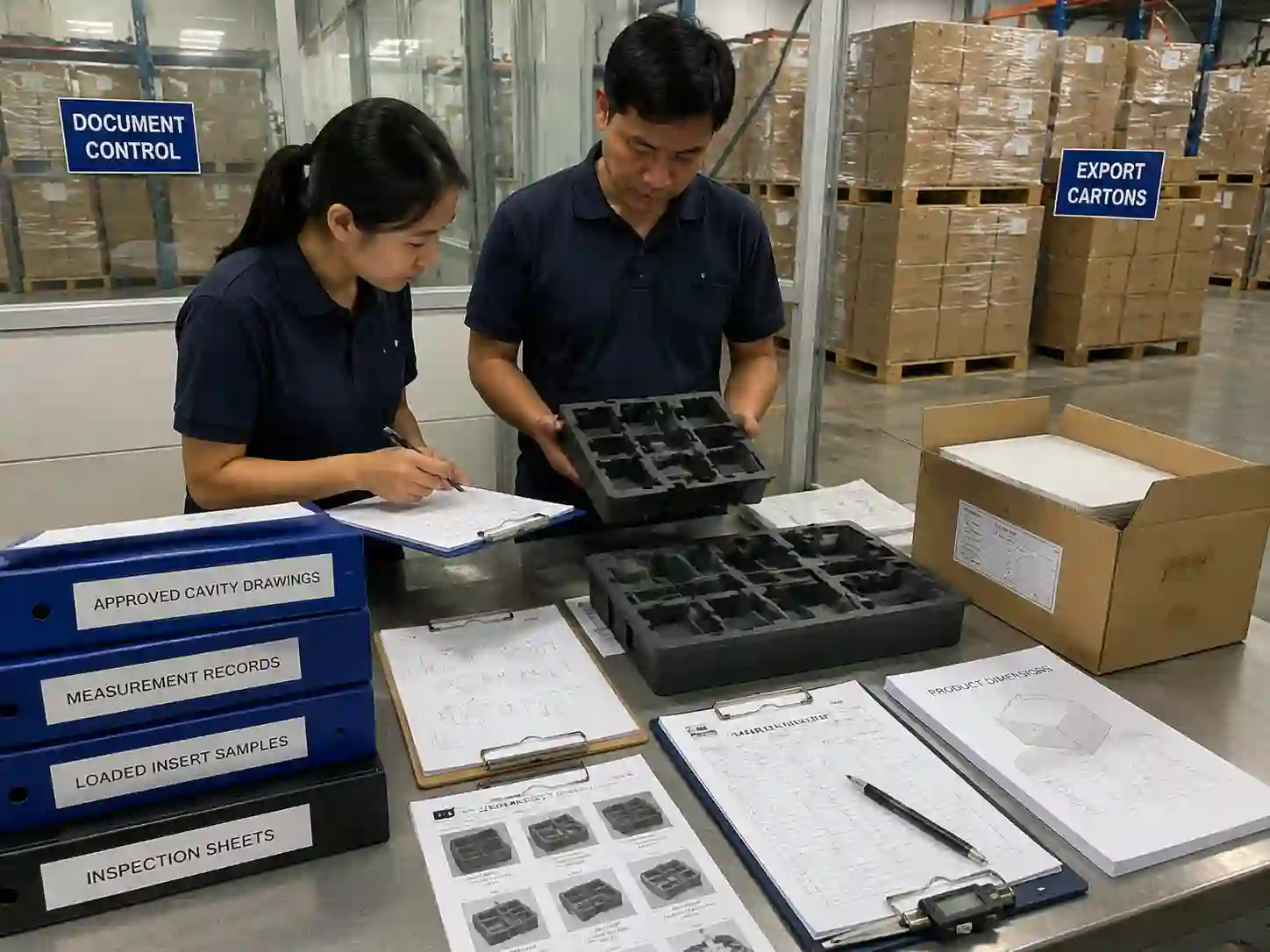
How Do Buyers Approve a Flexible Compartment Design?
Buyers should approve the final compartment design using a combination of drawings, samples, and inspection records. Approval should clearly define which product dimensions are fixed and which variations are acceptable.
A practical approval checklist includes:
- Confirmed product size range
- Approved cavity dimensions
- Accepted clearance and tolerance assumptions
- Loaded sample inspection results
- Documented changes after approval
For custom advent calendar projects, Giftpackpro applies these dimensional review principles together with its custom advent calendar box services and product development process. Buyers can also review related custom advent calendar box products or explore more technical topics through the advent calendar box buying guides.
FAQs About Designing Compartments for Changing Product Sizes
Can one compartment fit products with different final sizes?
Yes, if the size variation is controlled and the cavity design includes suitable tolerance. The acceptable range depends on product shape, insert material, and retention requirements.
Should cavity dimensions be updated when the product changes after sampling?
Yes. Any significant product size change should trigger a cavity review because the original clearance, orientation, and support points may no longer be correct.
Is a larger cavity always safer for changing products?
No. Excessive space can reduce product stability and increase movement during handling. The correct design balances flexibility with secure positioning.
Need help reviewing compartment dimensions for a changing product specification? Request a custom quote and provide your product measurements, samples, or drawings for evaluation.