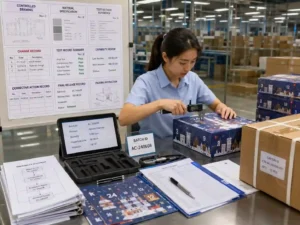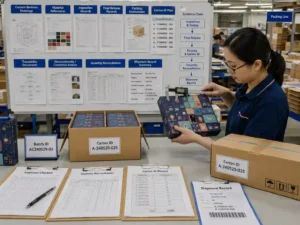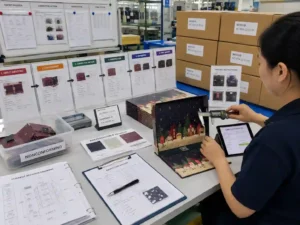
A retail distribution pallet height calculation starts with the total height of the pallet base, master cartons, protective materials, and any required clearance. The correct height is not simply the tallest possible stack. It must balance carton compression strength, pallet stability, handling equipment limits, distribution center requirements, and the final assembly or retail flow. Packaging teams verify the calculation through pallet drawings, carton measurements, loading samples, and shipping approval records.
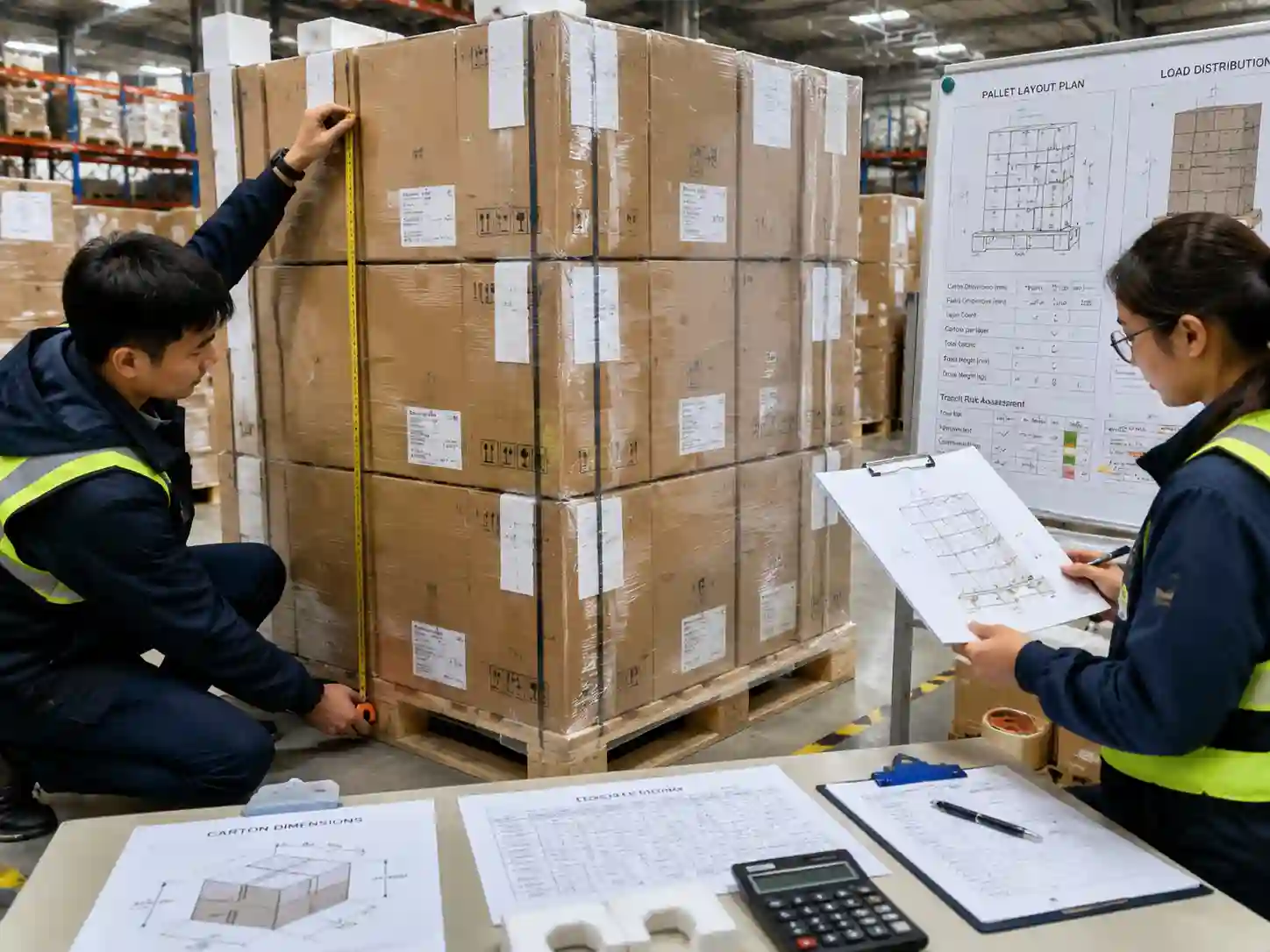
How Do You Calculate Retail Distribution Pallet Height?
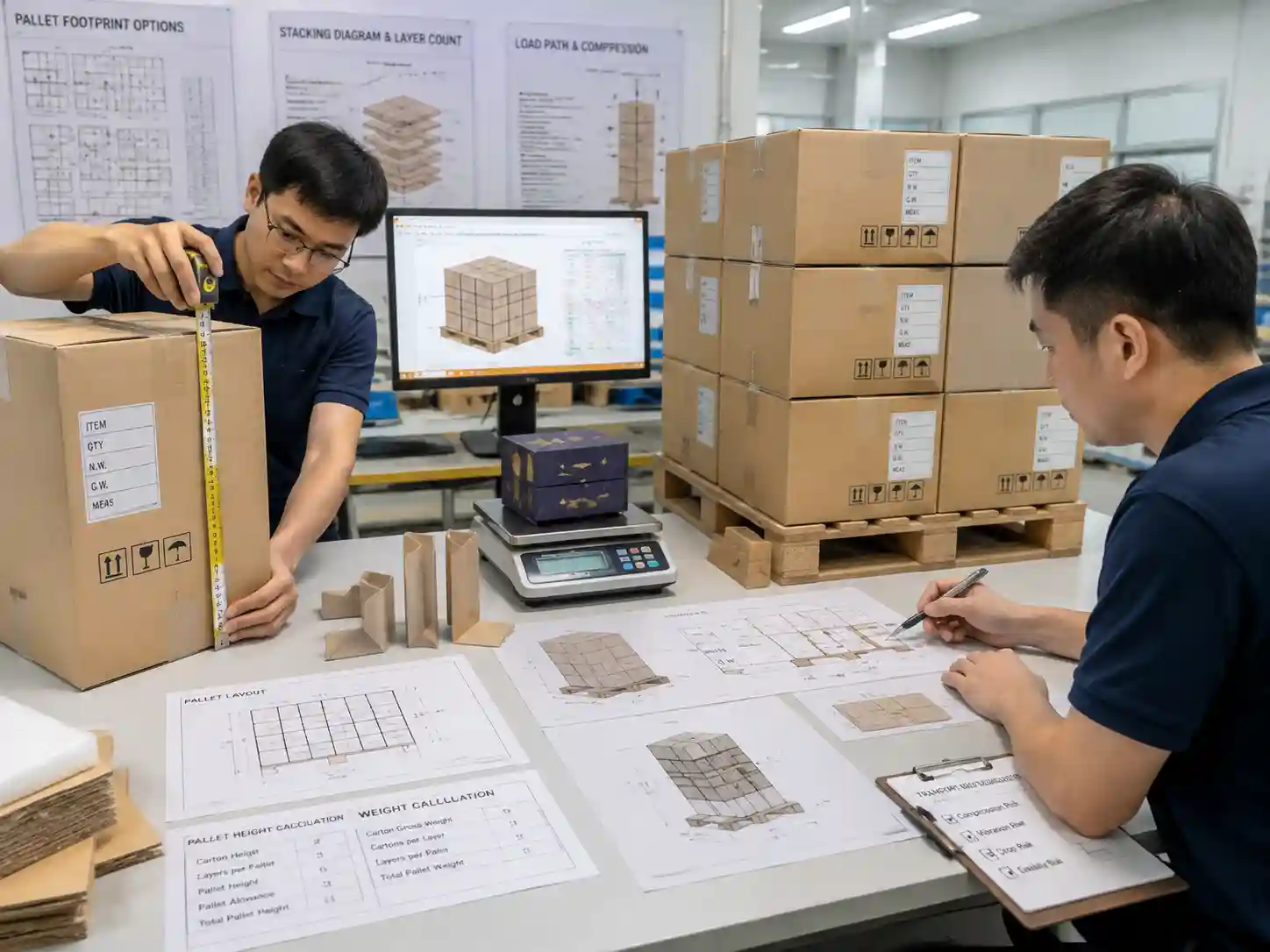
The basic calculation is: pallet height = pallet base height + total stacked carton height + packaging protection allowance. The final approved height depends on the carton dimensions, pallet pattern, layer count, and distribution requirements.
A practical calculation includes these measured inputs:
- Pallet height: the physical height of the selected pallet platform.
- Master carton height: the verified outside carton dimension after packing.
- Number of carton layers: the planned vertical stack quantity.
- Interlayer materials: slip sheets, edge protection, or separators if used.
- Top protection and wrapping: any additional height created by stabilizing materials.
| Calculation Element | Verification Method | Project Consideration |
|---|---|---|
| Pallet base height | Measure physical pallet specification | Varies by pallet type and destination requirements |
| Master carton height | Measure production-packed cartons | Carton compression or bulging may change final dimensions |
| Layer quantity | Confirm pallet pattern drawing | Limited by stability, weight, and handling rules |
| Total pallet height | Compare packed sample with approved plan | Must fit logistics and distribution constraints |
What Factors Affect the Maximum Pallet Height?
The maximum pallet height is determined by more than available warehouse space. Retail distribution centers often consider handling equipment, transportation efficiency, carton protection, and receiving procedures.
Does carton strength affect pallet height?
Yes. Lower carton layers carry the vertical load from cartons above them. A taller pallet may increase compression pressure, especially when master cartons contain rigid advent calendar structures, drawers, or decorative components that are sensitive to deformation.
Packaging engineers typically review:
- Carton board structure and compression resistance.
- Stacking alignment between carton layers.
- Weight concentration on lower cartons.
- Potential damage from vibration, impact, or repeated handling.
Does pallet pattern change the height calculation?
Yes. The same carton can create different pallet heights depending on orientation and layer arrangement. A stable pattern may reduce empty space while maintaining better load distribution.
Before production shipment, teams usually confirm:
- Carton orientation on each layer.
- Units per layer and total units per pallet.
- Corner alignment and unsupported edges.
- Void areas that could allow carton movement.
How Should Teams Verify a Calculated Pallet Height?
The calculated height should be confirmed using a physical packing sample or production-equivalent pallet review. A drawing alone may not show carton expansion, wrap tension, or actual stacking behavior.
- Create the approved pallet layout drawing with carton dimensions and layer count.
- Pack representative master cartons using the intended production configuration.
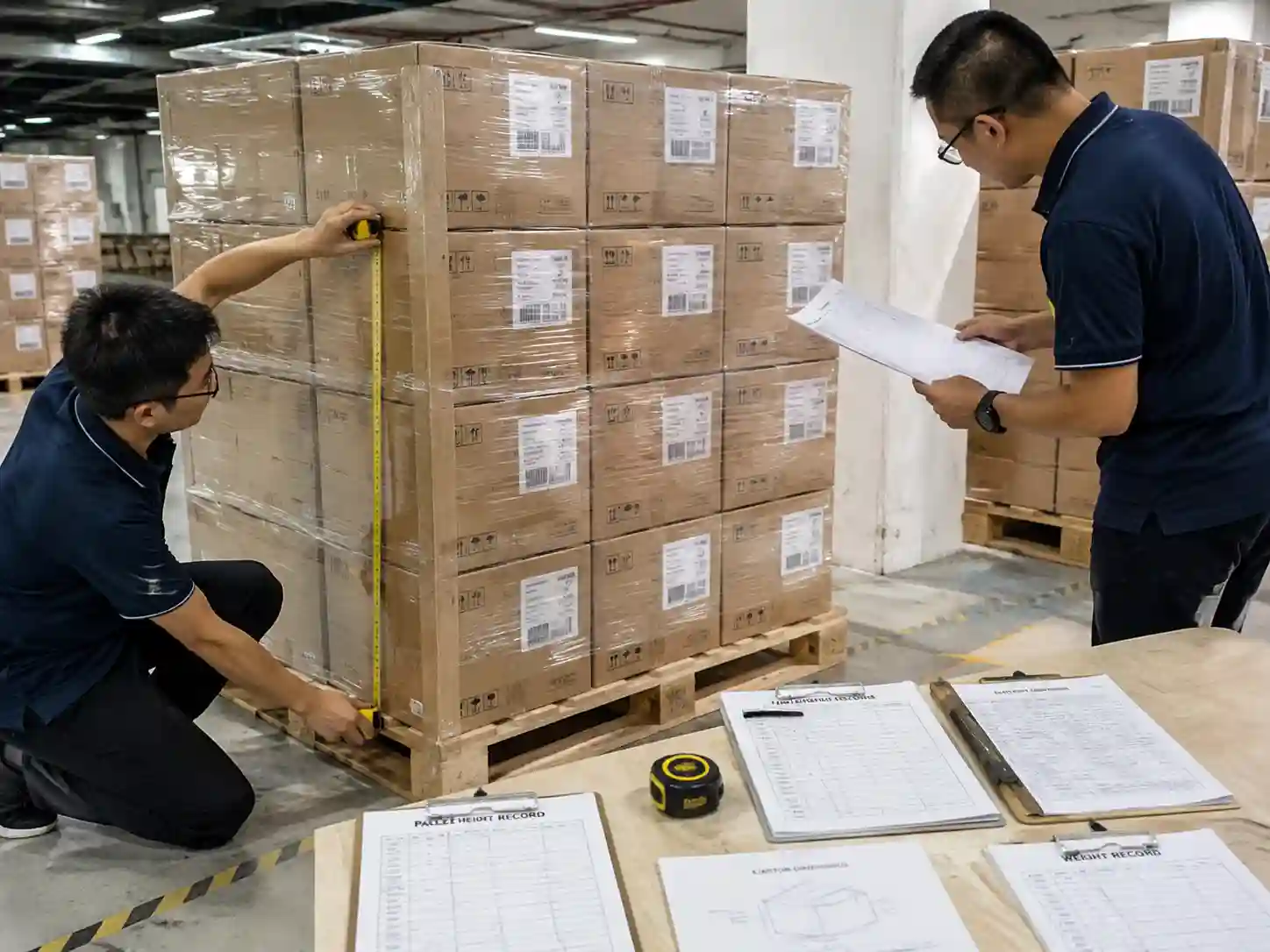
- Measure the completed pallet height from the pallet base to the highest stable point.
- Review carton alignment, compression risk, and load stability.
- Record the approved height in packing specifications and shipment documents.
Useful evidence may include pallet drawings, carton measurement records, packing photos, production inspection sheets, and approval records shared between suppliers and logistics teams.
What Are Common Pallet Height Risks in Export Distribution?
The main risks occur when calculated height does not match the actual packed pallet condition. Small differences in carton dimensions or stacking methods can affect transport stability.
- Over-height pallets: may create handling problems or fail receiving requirements.
- Uneven stacking: can increase leaning, shifting, and impact risk.
- Excessive void space: allows cartons to move during vibration or transport.
- Compressed lower layers: may damage carton structure before destination assembly.
- Humidity exposure: can reduce paper-based packaging strength during storage or shipping.
Transit-risk example: why does a small height change matter?
If a master carton becomes slightly taller after production packing because internal products shift or protective materials increase clearance, the final pallet may exceed the approved height. The result can be reduced pallet stability, lower transport efficiency, or receiving delays. Verification before shipment helps identify these differences.
How Do Packaging Teams Document Pallet Height Approval?
Pallet height approval should connect the calculated design with the actual shipment condition. Documentation allows purchasing teams, logistics coordinators, and suppliers to confirm that the same packing method is used during production.
Typical records include:
- Master carton dimensions and gross weight records.
- Pallet pattern drawings.
- Approved pallet height specification.
- Production packing verification photos.
- Nonconformance records if actual height differs from approval.
For custom advent calendar packaging, this process helps maintain consistent pallet loading when cartons contain multiple components, protective structures, or finished products that require careful handling.
What Should Buyers Confirm Before Approving Pallet Height?
Buyers should confirm that pallet height calculations are based on measured production conditions rather than estimated carton dimensions.
- Has the final master carton size been physically verified?
- Does the pallet pattern match the approved packing drawing?
- Are carton layers aligned to support vertical loading?
- Has the finished pallet been checked for stability?
- Are shipping marks and handling information visible after wrapping?
Project recommendations may vary depending on destination distribution centers, transport routes, pallet specifications, and final product handling requirements. Final pallet height approval should be agreed between packaging, logistics, and purchasing teams.
Frequently Asked Questions About Retail Distribution Pallet Height
Can pallet height be calculated from carton dimensions alone?
No. Carton dimensions provide the starting point, but the final height also depends on pallet size, layer arrangement, protection materials, and actual packed conditions.
Should pallet height be checked after stretch wrapping?
Yes. Wrapping can slightly change the final measured condition, especially when top protection or stabilization materials are added.
Why is a pallet drawing important?
A pallet drawing shows carton orientation, layer quantity, and load distribution before shipment. It provides a reference for production packing and approval records.
Giftpackpro supports commercial buyers with custom advent calendar packaging solutions, including carton planning, packing review, and export preparation support. Visit our custom advent calendar box services or request a custom quote for packaging discussions.