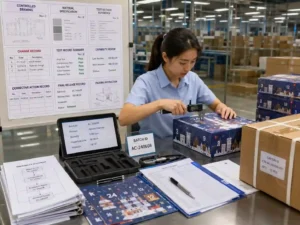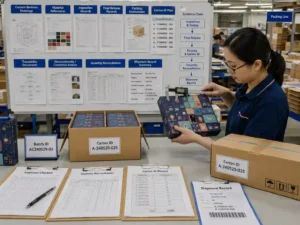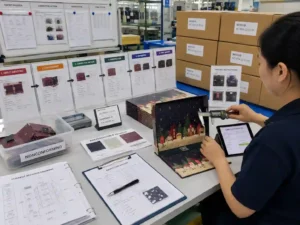
Quick answer: Beauty product changes most often force insert revisions when they affect external dimensions, closure systems, product orientation, or protection requirements. Pumps, droppers, glass bottles, heavy lids, and mixed SKU replacements commonly require new cavity checks because even small changes can affect retention, clearance, scuff protection, and loading accuracy. The revision decision should be based on updated drawings, physical samples, measurements, and loaded product-fit verification.
Which beauty product changes usually require an insert revision?
The most common changes requiring insert revisions are changes to product dimensions, dispensing components, packaging materials, and product assortment. A visual change alone may not require a new insert, but any change affecting physical fit should be reviewed by packaging engineering.
| Product change | Why it affects the insert | Typical verification method |
|---|---|---|
| Pump or airless bottle update | New diameter, height, actuator shape, or pump protection needs can change cavity geometry. | Measure bottle and closure dimensions, then complete loaded-fit checks. |
| Dropper or serum bottle change | Glass thickness, dropper length, and cap height may affect support and clearance. | Check cavity depth, glass contact points, and dropper protection. |
| Jar or lid revision | Heavier lids or wider containers may change retention and stacking risks. | Review weight, center of gravity, and removal force. |
| New SKU replacing an approved item | Mixed calendars depend on each cavity matching a specific product position. | Run a product-fit review using the updated SKU list. |
How do pumps and dispensing components create insert revision risks?
Pumps and dispensers are among the most frequent reasons for insert changes because the functional parts extend beyond the main container body. A bottle may have the same volume but a different pump head, actuator width, or protective cap height.
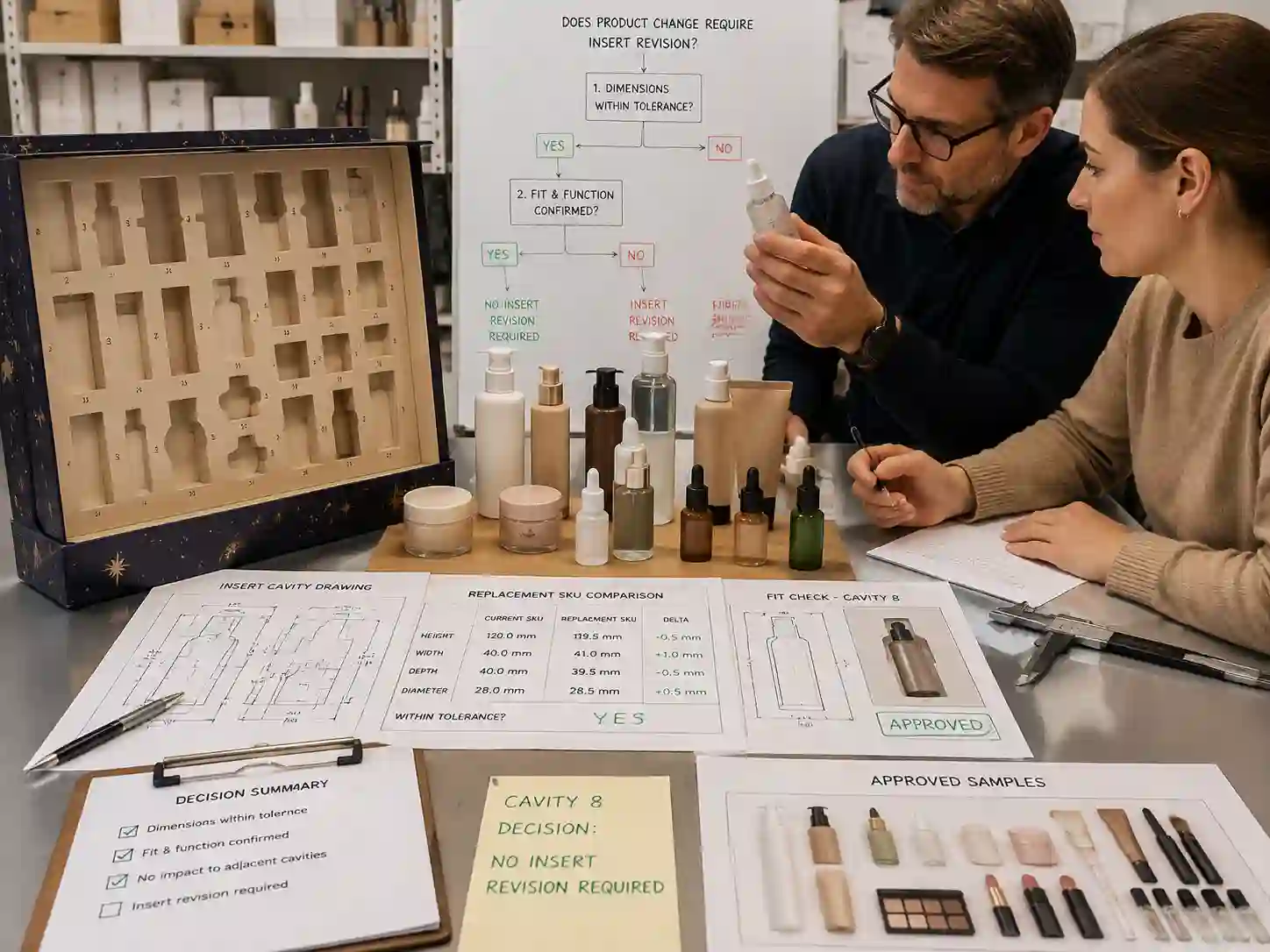
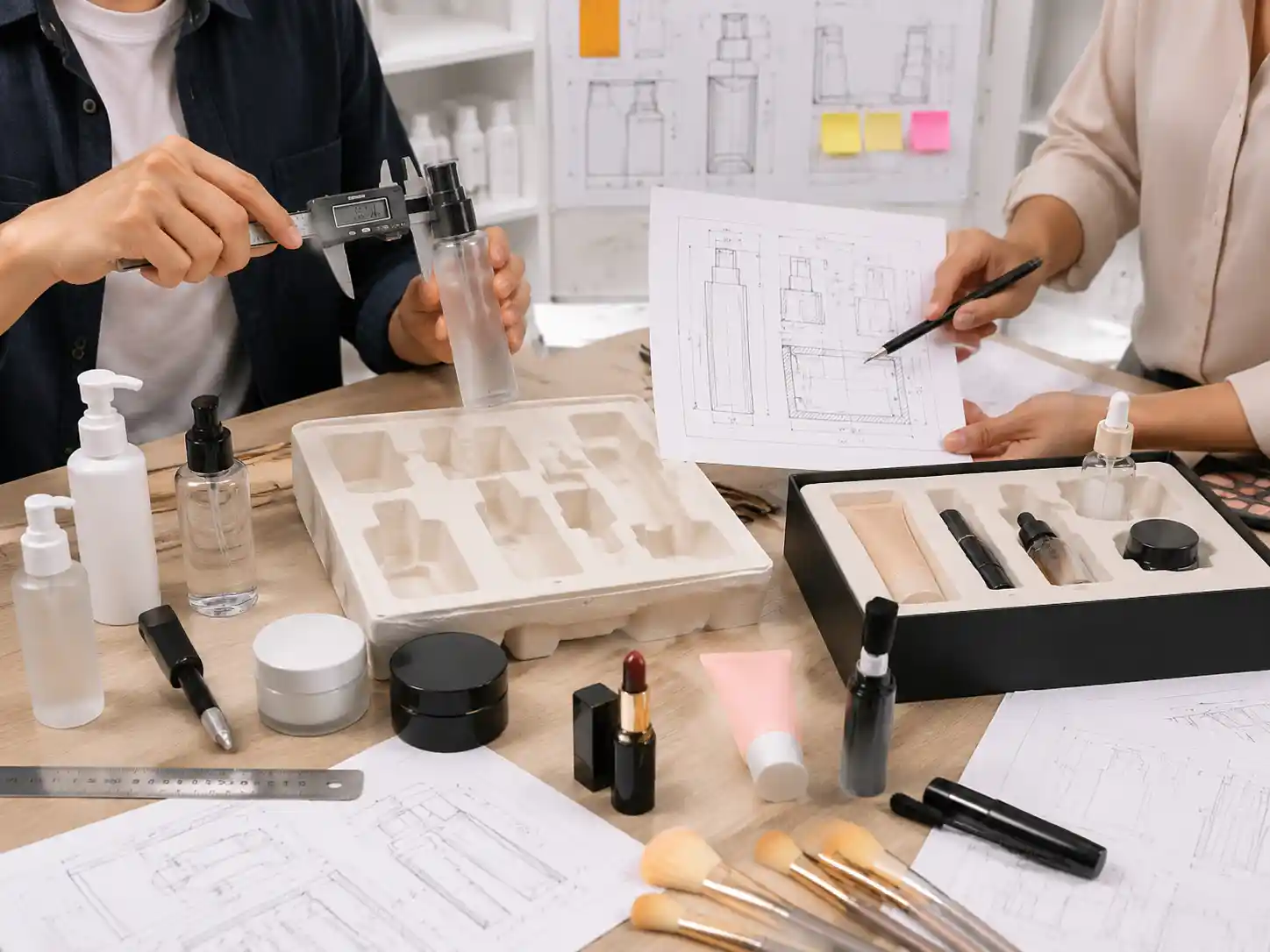
Engineers should compare the updated product drawing against the original cavity drawing. Important checks include pump clearance, protection against accidental pressing, upright orientation, and whether the retention structure contacts sensitive areas.
Why do glass bottles and droppers often require cavity updates?
Glass packaging changes often require closer review because protection requirements are different from plastic containers. A small diameter change can alter how the bottle is supported and whether glass surfaces contact neighboring products.
Useful evidence includes dimension records, physical samples, cavity drawings, and photos showing the loaded position. These records help determine whether the existing insert remains suitable or requires modification.
Which product changes can affect mixed-SKU fit in beauty advent calendars?
Mixed SKU calendars are sensitive to product substitutions because every compartment has a specific purpose. Replacing a lipstick with a larger tube, changing a perfume vial diameter, or adding a different brush length can affect several surrounding decisions.
- Product orientation and presentation angle.
- Clearance between products and cavity walls.
- Protection of pumps, caps, and decorated surfaces.
- Visibility of labels, batch areas, and product identification marks.
- Ease of manual packing and removal.
How should teams decide whether a new insert is necessary?
The decision should follow a structured comparison instead of relying only on visual inspection. A supplier and buyer can review the updated product information and identify whether the change affects the approved insert design.
- Compare the previous and updated product specifications.
- Measure changed dimensions including height, width, diameter, and closure size.
- Review cavity drawings and identify affected positions.
- Load physical samples into the insert for fit confirmation.
- Record approval decisions using updated drawings, photos, or sample records.
What evidence should support an insert revision decision?
Verifiable evidence normally includes product drawings, measurement sheets, prototype samples, fit-test photos, and approval records. The exact documents depend on the project workflow and the level of change.
For example, a minor label artwork update may only require visual confirmation, while a new pump supplier or bottle mold may require dimensional review and a new loaded-product evaluation.
What risks occur when product changes are not reviewed?
Ignoring product changes can create problems during packing, inspection, and final delivery. The risks are usually related to physical mismatch rather than appearance alone.
- Products may become loose or difficult to remove.
- Pumps or droppers may be pressed during handling.
- Glass items may lack sufficient separation.
- Tubes may bend or deform in shallow cavities.
- Decorated surfaces may experience scratches or pressure marks.
How do teams check revised inserts before production use?
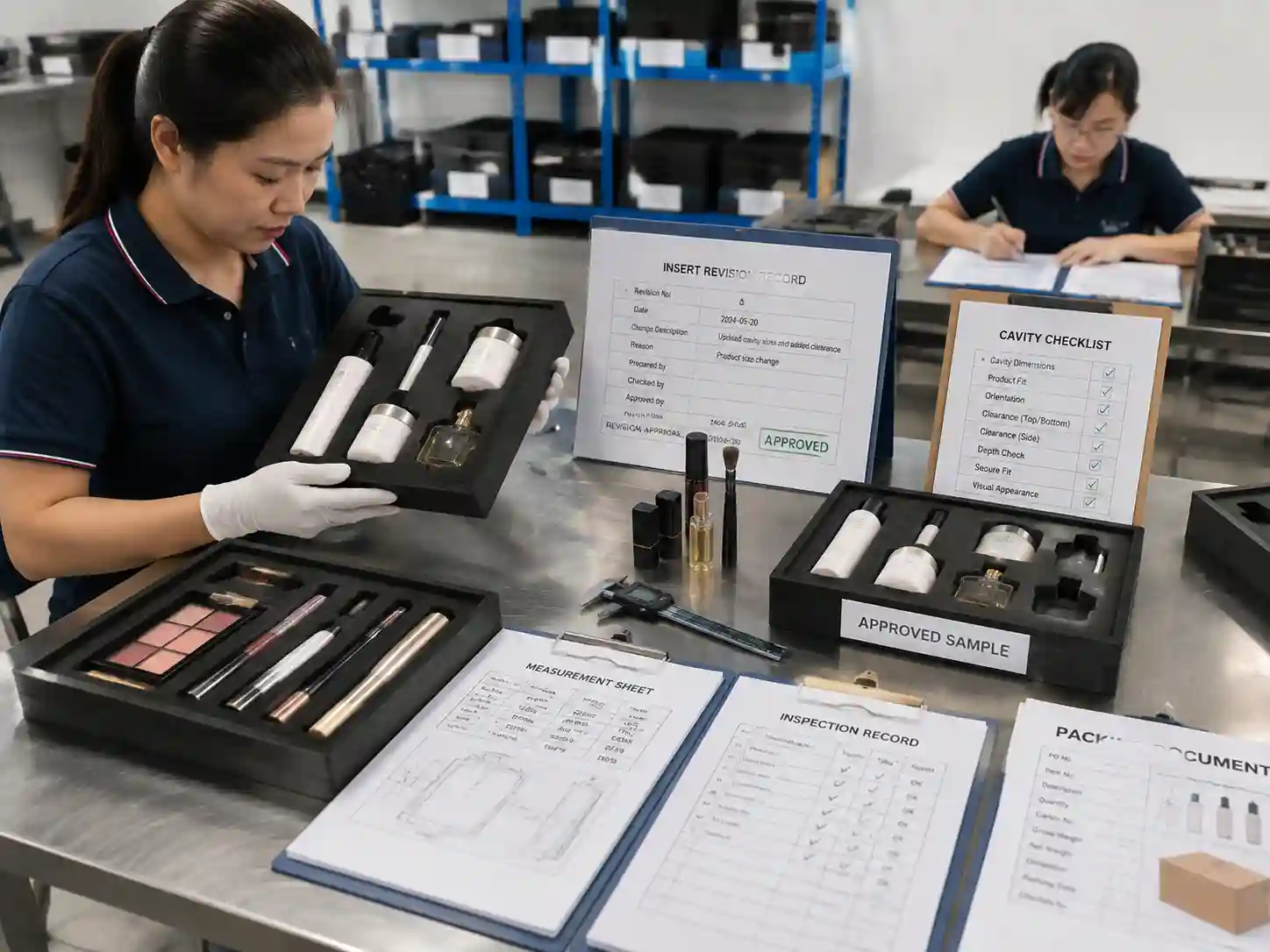
A loaded-SKU checklist helps confirm that the revised insert works with the final product combination. The checklist should match the actual project requirements.
- Confirm every SKU matches the approved product list.
- Check cavity position and product orientation.
- Verify pump, cap, and dropper clearance.
- Inspect glass separation and contact points.
- Confirm labels and identification areas remain visible.
- Record any adjustment requirements before production approval.
FAQs about beauty product changes and insert revisions
Does every packaging change require a new insert?
No. Changes that do not affect product dimensions or protection requirements may only need a review. The need for revision depends on the physical impact of the change.
Can an approved insert be reused after changing one SKU?
Sometimes. The replacement product must be checked against the existing cavity dimensions, retention method, and surrounding product arrangement before approval.
Who approves an insert revision?
Approval responsibilities vary by project. Product teams, packaging engineers, sourcing teams, and quality representatives may all contribute depending on the change type and internal process.
Giftpackpro supports custom advent calendar box development with structural coordination, product-fit considerations, and packaging project support. Explore custom advent calendar box services or contact the team through request a custom quote for project-specific packaging discussions.