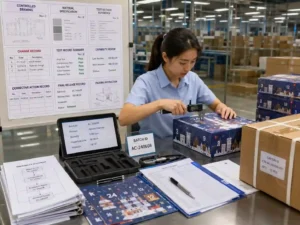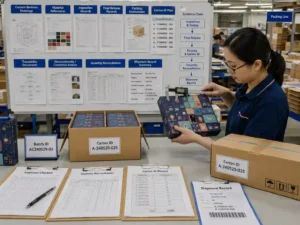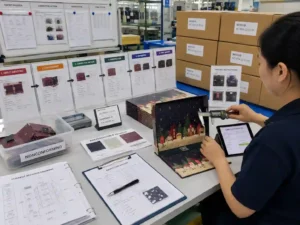
Quick answer: To verify rigid box factory capability, buyers should confirm whether the supplier actually controls rigid box production processes rather than only managing subcontractors. The most reliable checks include factory visits or video audits, production equipment review, material and process records, sample comparisons, capacity verification, purchase order controls, inspection rights, and documented corrective actions. The level of verification should match project complexity, volume, quality requirements, and supply-chain risk.
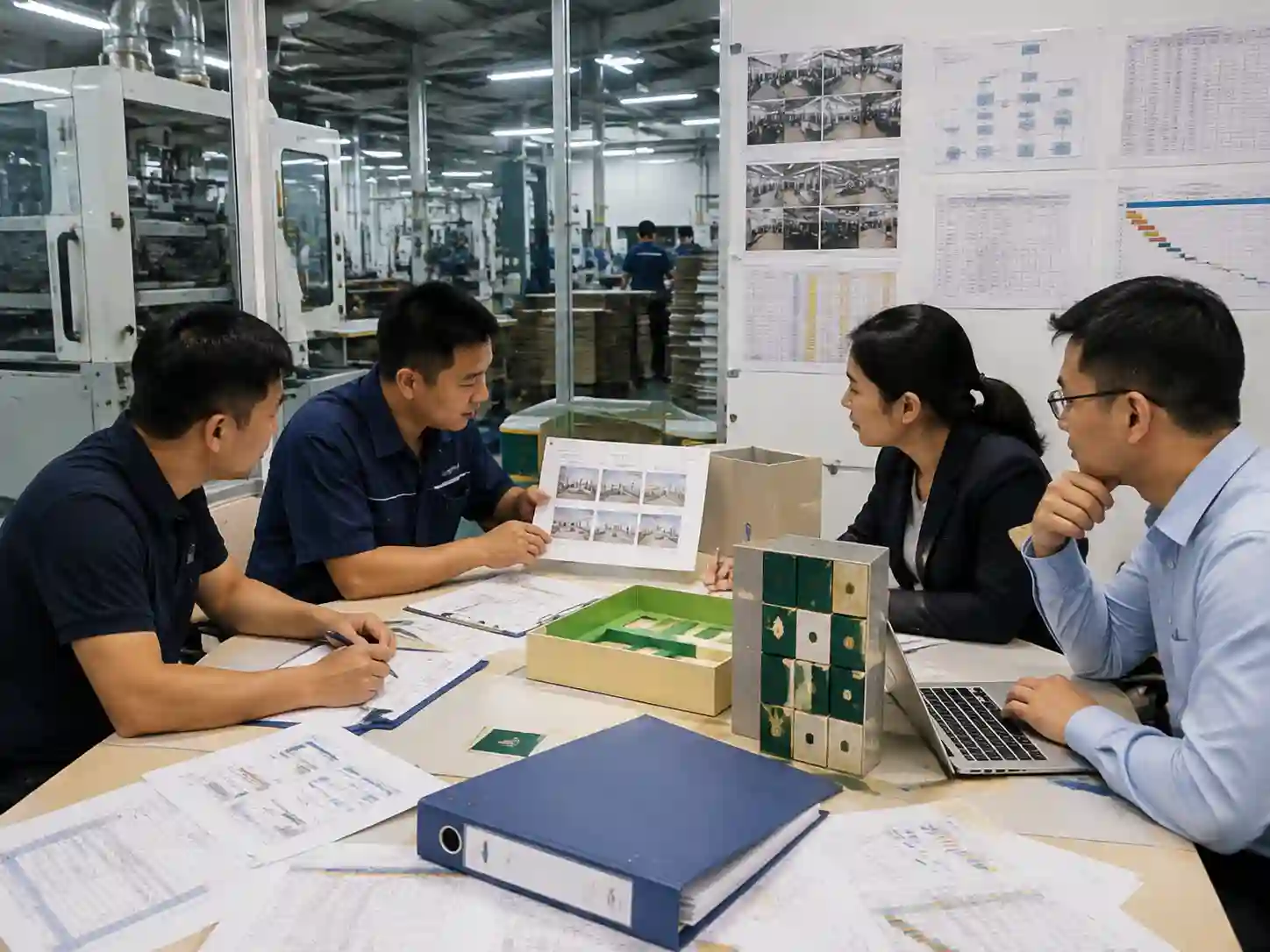
How can you verify rigid box factory capability before placing an order?
The best approach is to verify the supplier’s physical production capability, process ownership, and documentation before approving production. A supplier that makes rigid boxes in-house should be able to explain its workflow, show relevant equipment, provide production evidence, and connect each manufacturing step to quality controls.
Verification should focus on evidence rather than statements. A supplier may have strong design or trading capability while outsourcing key rigid box processes such as greyboard preparation, wrapping, assembly, or finishing. Subcontracting is not automatically unacceptable, but buyers should understand which processes are controlled internally and which are managed externally.
What factory evidence should buyers request?
Useful evidence includes production area photos or audit records, machinery information, sample development records, material tracking documents, production schedules, and inspection procedures. The purpose is to confirm whether the supplier has practical control over the rigid box manufacturing process.
| Verification area | Evidence to review | Why it matters |
|---|---|---|
| Production ownership | Factory layout, process flow, equipment records, production photos | Shows whether key rigid box operations are controlled directly |
| Sample capability | Prototype samples, drawings, revision records, approval history | Confirms the supplier can translate designs into production-ready structures |
| Capacity planning | Production schedules, machine availability, workforce planning | Helps evaluate whether the supplier can support the required workload |
| Quality control | Inspection plans, measurement records, defect handling procedures | Shows how production consistency is maintained |
Should buyers confirm whether rigid box production is subcontracted?
Yes. Buyers should identify which rigid box processes are performed internally and which are outsourced. This information affects communication, quality control, timing, and accountability.
Some suppliers operate a mixed model where certain processes are completed in-house while specialized steps are handled by approved partners. The important issue is not simply whether subcontracting exists, but whether the supplier has clear control over specifications, approvals, inspections, and corrective actions.
- Ask which factory performs board cutting, wrapping, forming, assembly, and final inspection.
- Request confirmation of who controls production drawings and approved samples.
- Understand who manages defects if an external production step creates quality issues.
- Confirm whether inspection access covers subcontracted processes when necessary.
What should a rigid box factory audit include?
A practical supplier audit should review manufacturing capability, process control, and records related to the specific advent calendar project. The audit does not need to inspect every factory activity; it should focus on risks that could affect the final packaging.
-
Review production flow: Confirm how materials move from incoming inspection through forming, finishing, assembly, and final checks.
-
Check equipment and workspace: Verify that the supplier has suitable production resources for the required rigid box structure and finishing requirements.
-
Compare samples with production capability: Ensure approved samples represent achievable mass production conditions.
-
Review inspection methods: Confirm that dimensions, appearance, structure, and functional requirements are checked using defined criteria.

How do drawings, samples, and measurements help verify capability?
Drawings, approved samples, and measurements provide objective references for evaluating whether a supplier can reproduce the required structure. They reduce reliance on verbal explanations and create a shared production standard.
For rigid advent calendar boxes, buyers may review:
- Structural drawings showing panels, folding areas, and assembly methods.
- Prototype samples showing the intended appearance and construction.
- Critical measurements such as dimensions, alignment, fit, and opening performance.
- Revision records showing how design changes are controlled.
Project requirements vary. A simple rigid box may require fewer verification steps, while a complex advent calendar with multiple compartments, special structures, or strict retail requirements may require deeper supplier evaluation.
How can purchase orders reduce rigid box sourcing risks?
Purchase orders should clearly define responsibilities, approved specifications, and production controls. A detailed PO helps prevent misunderstandings when multiple parties are involved in manufacturing.
Important PO controls may include:
- Reference to approved drawings and samples.
- Defined inspection requirements and approval points.
- Confirmation of material and structural specifications.
- Requirements for notifying buyers before major production changes.
- Agreement on handling non-conforming products.
Buyers should separate supplier claims from approved requirements. A supplier’s capability statement is useful, but production approval should be based on documented specifications and verification records.
What inspection rights should buyers request from rigid box suppliers?
Inspection rights allow buyers to verify that production follows approved requirements. The level of inspection depends on project risk, order complexity, and quality expectations.
- Pre-production review of samples or first articles.
- During-production checks for structure, materials, and workmanship.
- Final inspection before shipment when required.
- Access to relevant production and quality records.
Inspection criteria should be agreed before production begins. This prevents disputes caused by different interpretations of acceptable quality.
How should buyers evaluate payment milestones and supplier commitment?
Payment milestones should support production control and encourage completion of agreed verification steps. Buyers should consider linking key payments to approved project stages rather than relying only on calendar dates.
Examples of project-dependent approval points include:
- Confirmation of approved samples.
- Completion of agreed production milestones.
- Acceptance of inspection results.
- Resolution of identified quality issues.
Commercial terms vary by supplier relationship, project size, and risk level. Buyers should align payment structures with the level of control they need.
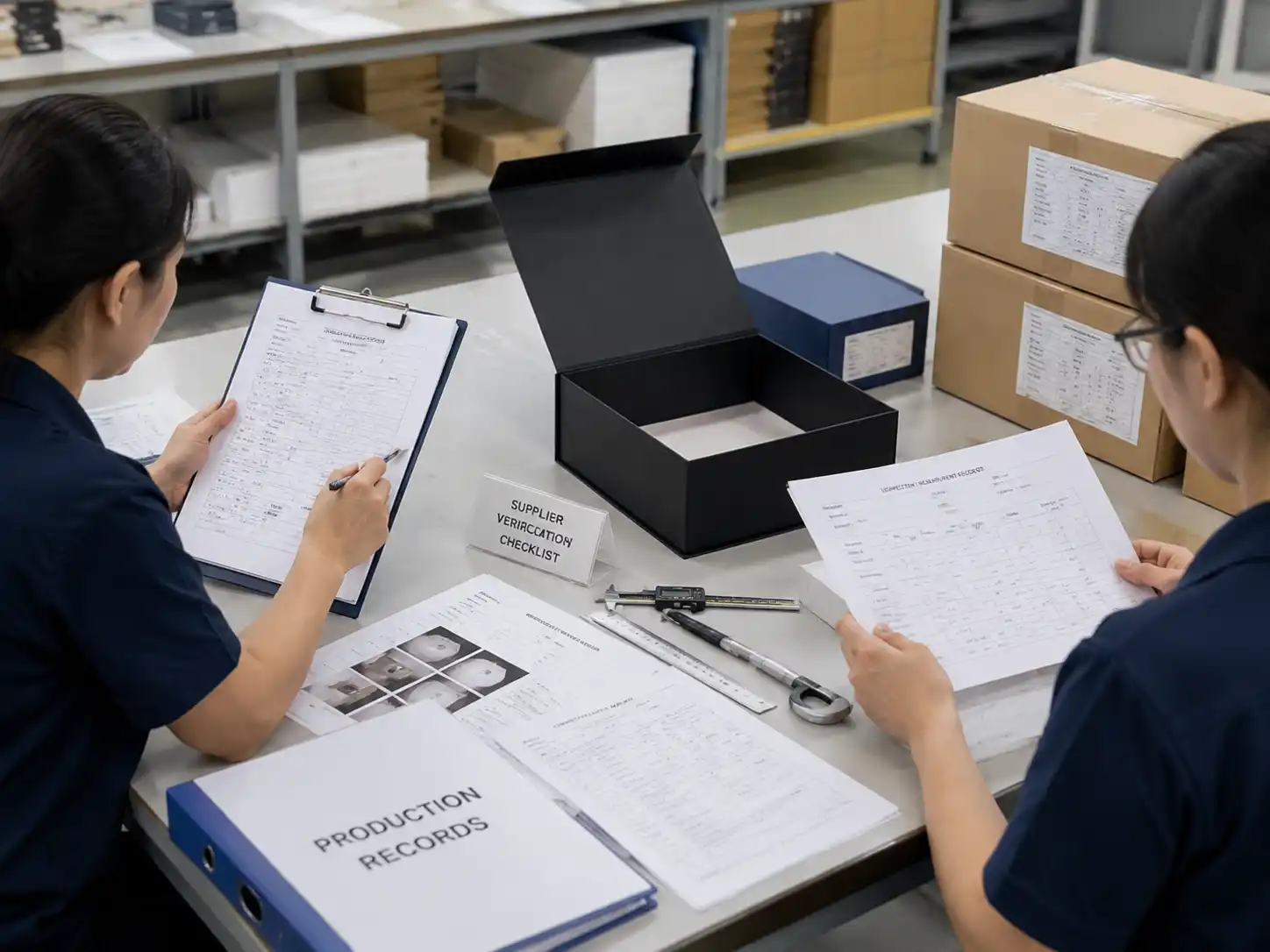
What happens if a supplier cannot prove in-house rigid box capability?
If a supplier cannot provide clear evidence, buyers should treat the missing information as a sourcing risk rather than automatically rejecting the supplier. Additional verification may be needed before committing to production.
A practical risk response may include:
| Risk found | Possible buyer action |
|---|---|
| Unclear production ownership | Request process clarification and subcontractor information |
| No consistent sample records | Require approved samples and documented revisions |
| Limited inspection access | Define inspection rights before production approval |
| Unclear corrective action process | Request defect handling procedures and responsibility confirmation |
How does Giftpackpro approach supplier capability verification?
For custom packaging projects, buyers can use factory capability reviews, product discussions, drawings, samples, and quality records to establish production confidence. Giftpackpro provides custom advent calendar packaging solutions through structured project communication, from design requirements to production coordination.
Learn more about Giftpackpro packaging factory, explore custom advent calendar box products, or review custom advent calendar box services for your packaging requirements.
FAQs
Is a supplier without fully in-house production always unsuitable?
No. Some suppliers use controlled subcontracting models. The key factor is whether they maintain responsibility for specifications, quality checks, communication, and corrective actions.
Can photos replace a factory audit?
Photos can support verification but may not confirm production ownership or current capacity. For higher-risk projects, additional evidence such as records, samples, or inspections may be appropriate.
What is the most important evidence when evaluating rigid box capability?
The strongest evidence combines physical production capability, approved samples, measurable specifications, and documented quality controls.
Need help evaluating a custom advent calendar packaging project? request a custom quote and discuss your structure, production requirements, and verification needs.