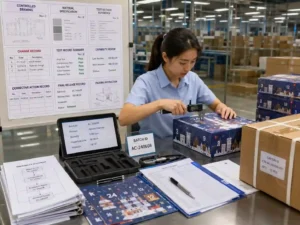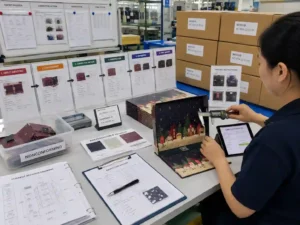
Quick answer: Jewelry chain tangling is prevented by controlling movement, separation, and contact inside each drawer. The packaging design should keep chains, pendants, clasps, and delicate surfaces in defined positions without compressing the jewelry or allowing loose movement during handling. This requires accurate product measurements, suitable internal supports, and verification with loaded samples.

How does jewelry chain tangle prevention work in small drawers?
Jewelry chain tangle prevention starts with limiting uncontrolled movement inside each compartment. Small drawers should be designed around the finished jewelry condition, including chain length, pendant size, clasp position, and any protective wrapping used with the product.
The goal is not simply to make a smaller cavity. Excess space can allow chains to move, overlap, and knot, while excessive restriction can create pressure marks or make product removal difficult.
What packaging features reduce chain movement and tangling?
The most effective approach is controlled separation. Drawer layouts can use dedicated cavities, folded paper supports, shaped inserts, or soft contact areas that keep jewelry pieces apart during transport.
- Separate chains from neighboring products to prevent crossing and knot formation.
- Provide enough clearance for clasps, pendants, and decorative parts.
- Prevent chains from falling into gaps where they can wrap around other components.
- Keep the product orientation consistent between packing and final opening.
- Avoid sharp internal edges that may catch links or delicate finishes.
Which jewelry risks should be checked before approving a drawer design?
Each jewelry type creates different packaging risks. A chain necklace, bracelet, charm accessory, and pendant piece may require different compartment dimensions and retention methods.
| Jewelry risk | Packaging concern | Verification method |
|---|---|---|
| Long thin chains | Movement, overlapping, and knot formation | Loaded sample checks with repeated opening and closing |
| Pendants and charms | Impact against chains or drawer walls | Fit review using actual product dimensions |
| Clasps and closures | Snagging or catching on inserts | Manual inspection during packing trials |
| Multiple jewelry pieces | Contact between different items | Compartment separation review |
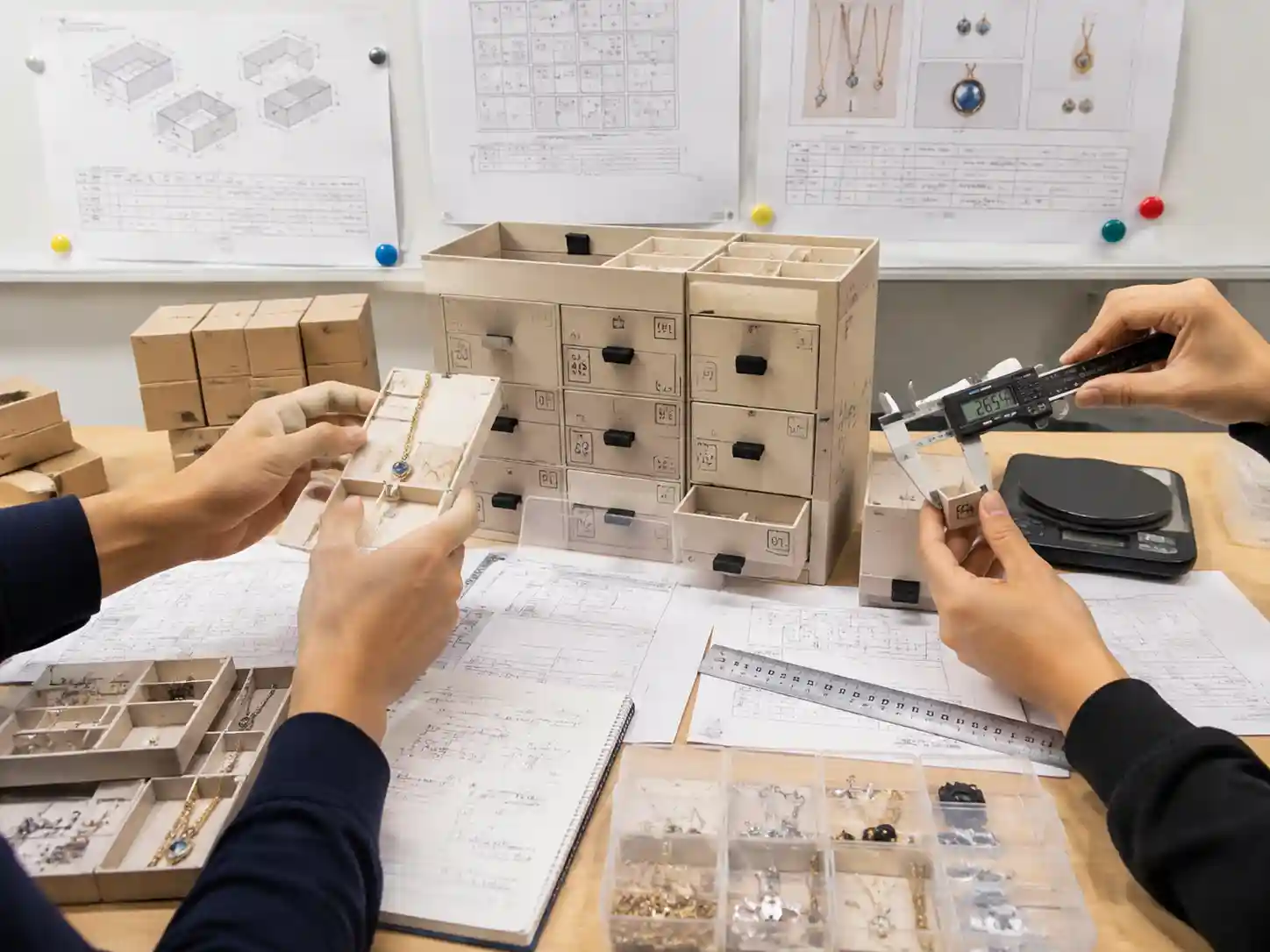
How should engineers test small drawer jewelry compartments?
Packaging engineers should test with representative jewelry samples rather than relying only on drawings. Actual chain flexibility, weight distribution, and surface finishes can affect performance.
Useful engineering checks include:
- Measure chain length, pendant dimensions, clasp size, and packed product thickness.
- Load the jewelry into prototype drawers using the intended packing method.
- Check whether chains remain separated after movement and handling.
- Review drawer opening force and product removal access.
- Record any chain overlap, snagging, scratching, or compression concerns.
Drawings, cavity layouts, measurement sheets, and loaded samples provide evidence for approval decisions. The exact insert structure depends on jewelry size, weight, material, and presentation requirements.
How can quality teams verify that jewelry drawers are ready for production?
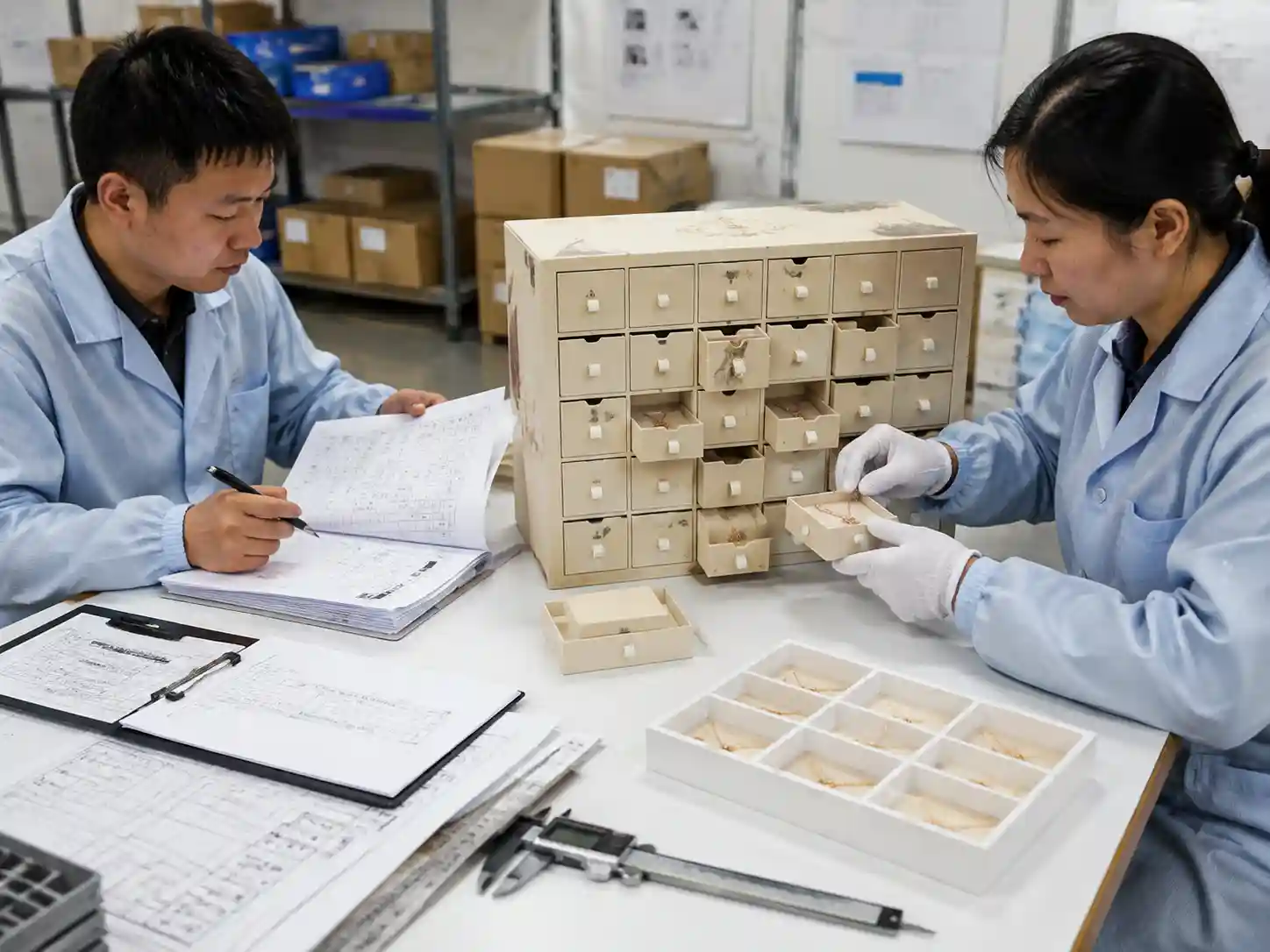
Quality checks should confirm that the approved design works with the actual packed product. A supplier review may include cavity measurements, product placement checks, drawer movement checks, and packing records.
- Confirm the correct jewelry sample is used for inspection.
- Compare finished drawer dimensions against approved drawings.
- Check that chains remain separated after handling simulation.
- Inspect for scratches, tangled pieces, missing supports, or excessive movement.
- Keep approval records showing the accepted packing method.
What varies by jewelry project?
Recommended solutions vary according to chain thickness, jewelry weight, surface finish, packaging presentation, and whether items are packed individually or as mixed collections.
For example, lightweight fine chains may need stronger movement control, while heavier pendant pieces may require additional lower support to prevent shifting. Buyers should approve the final solution using representative samples before full production.
Does paper packaging protect jewelry surfaces from all damage?
No. Paper drawers and inserts mainly provide physical separation, positioning, and protection from movement. The jewelry itself, any pouch, film, or protective wrapping remains the primary boundary for surface protection, moisture control, and material compatibility.
How does Giftpackpro approach small drawer packaging projects?
Giftpackpro develops custom advent calendar boxes and seasonal paper gift packaging with attention to compartment fit, product separation, and practical packing requirements. Related solutions can be explored through our custom advent calendar box products and custom advent calendar box services.
For projects involving jewelry, specialty products, or mixed items, buyers can review requirements with packaging specialists through request a custom quote.
FAQs
Can a larger drawer prevent jewelry chains from tangling?
Not always. Extra space can increase movement and make tangling more likely. The correct approach is controlled clearance with suitable separation.
Should jewelry always be fixed in one position inside the drawer?
Not necessarily. The product needs enough freedom for safe removal, but movement should be limited enough to prevent chains from crossing or wrapping.
What records help approve a jewelry drawer design?
Useful records include product dimensions, cavity drawings, loaded sample photos, packing instructions, inspection notes, and approval records.