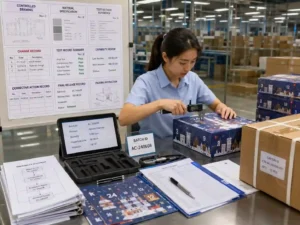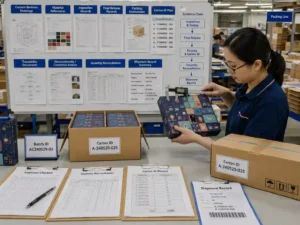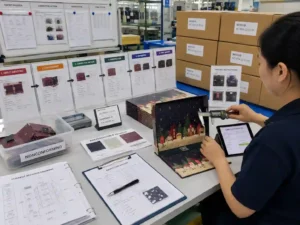
Quick answer: Securing perfume vials with different diameters requires an insert design that controls movement without creating pressure on glass, pumps, caps, or labels. A mixed diameter perfume vial insert should be developed through measured samples, cavity fit checks, orientation reviews, and production verification. The correct solution depends on vial dimensions, closure design, product weight, surface sensitivity, and how the finished package will be handled.
Why Do Different Perfume Vial Diameters Need Special Insert Design?
Different vial diameters create different support requirements because a cavity that fits one bottle size may allow another vial to tilt, rotate, or move during handling. The insert must balance retention, protection, and presentation.
Perfume samples often combine multiple glass formats, including slim spray vials, wider bottles, different cap shapes, and varying label positions. A fixed cavity size may create problems such as:
- Loose movement that causes glass-to-insert contact.
- Cap or pump damage caused by uneven support.
- Label rotation that reduces presentation quality.
- Excessive pressure points on glass surfaces.
- Poor mixed-SKU fit when multiple vial sizes share one calendar structure.
How Do You Design a Mixed Diameter Perfume Vial Insert?
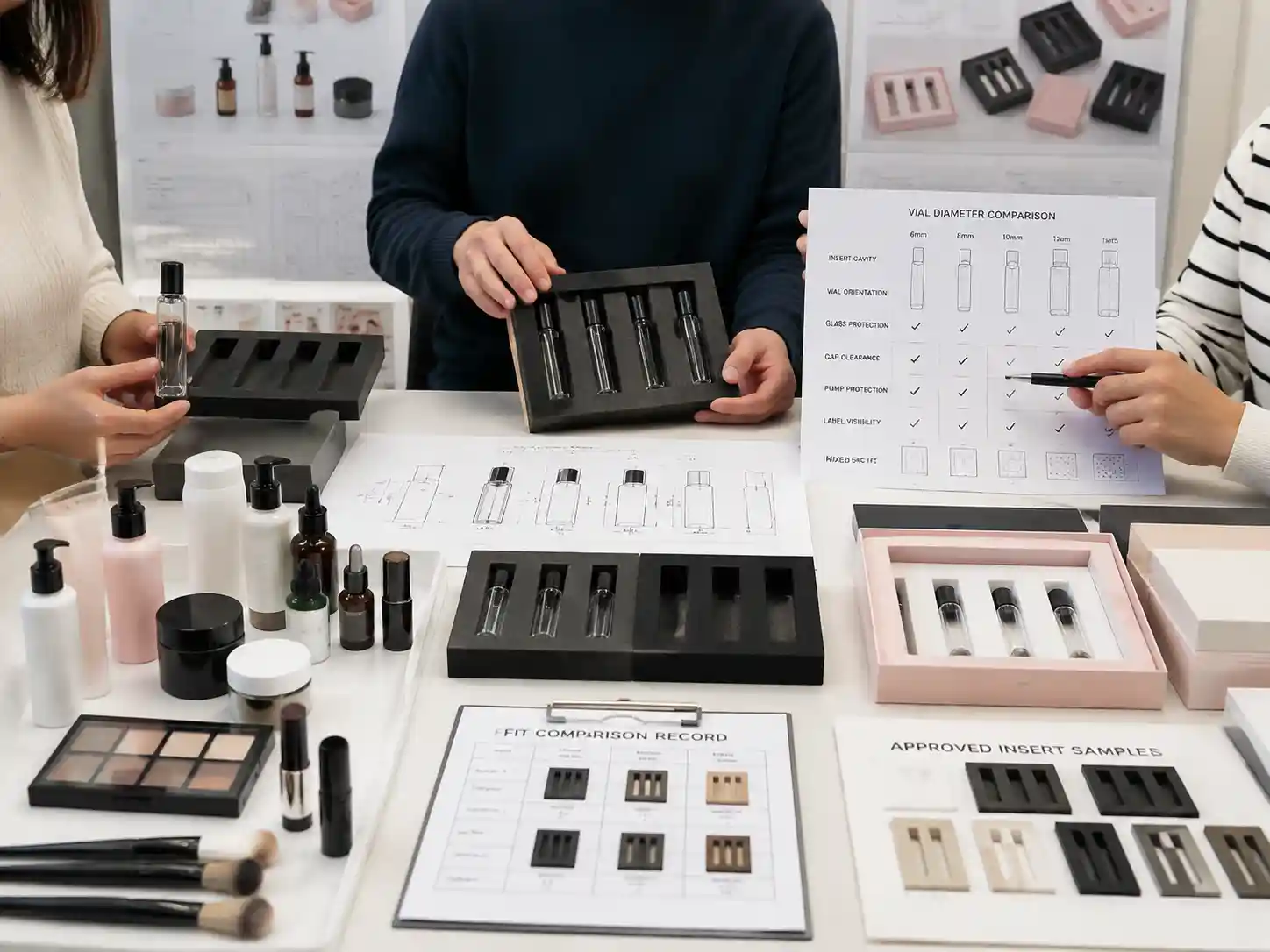
A mixed diameter perfume vial insert is usually designed by grouping vial sizes, measuring critical dimensions, and creating cavities that support each product without forcing a single universal fit.
Which Measurements Should Be Checked Before Insert Development?
The first step is collecting actual product measurements rather than relying only on nominal specifications. Important dimensions include:
- Glass body diameter at the support area.
- Total vial height and usable cavity depth.
- Cap or pump diameter where relevant.
- Closure height and protrusion points.
- Label position and visible presentation requirements.
- Weight distribution between glass and liquid contents.
Drawings, product samples, and measurement records help confirm whether the cavity design matches the physical product.

How Do You Prevent Perfume Vials From Tilting or Rotating?
Vial movement is controlled by supporting the correct areas of the product rather than simply making the cavity tighter. The insert should stabilize the vial body while avoiding stress on fragile components.
Common engineering checks include:
| Risk | Cause | Verification Method |
|---|---|---|
| Vial rotation | Cavity diameter is too large | Loaded sample orientation check |
| Glass pressure | Insert fit is too tight | Visual inspection and handling review |
| Cap damage | Closure contacts the cavity wall | Clearance measurement |
| Label visibility issues | Product turns during transport | Presentation orientation check |
What Fit Tests Should Be Completed Before Approval?
A practical fit test should use the real perfume vial assortment planned for production. Testing only the smallest or largest vial may hide problems with mixed sizes.
Mixed Diameter Perfume Vial Insert Fit-Test Steps
- Load every approved vial size into the intended cavity.
- Check whether each vial sits at the correct height and orientation.
- Measure movement during normal handling positions.
- Inspect contact points around glass, caps, pumps, and labels.
- Review opening presentation after the package is closed and reopened.
- Record adjustments required before production approval.
How Do You Balance Protection and Presentation for Perfume Samples?
The insert must protect the vial while keeping the product visible and organized. Overly loose cavities may reduce protection, while overly tight cavities may create pressure marks or make loading difficult.
Project-dependent recommendations may vary depending on:
- Glass thickness and vial construction.
- Whether the perfume uses a spray pump, dropper, or simple cap.
- Whether labels must face a specific direction.
- Whether the package contains only perfume vials or mixed beauty products.
For mixed beauty assortments, perfume vials may need to share space with tubes, jars, palettes, or other formats. In these cases, the insert layout should be reviewed for overall product fit rather than only individual vial retention.
What Production Records Help Verify Perfume Vial Security?
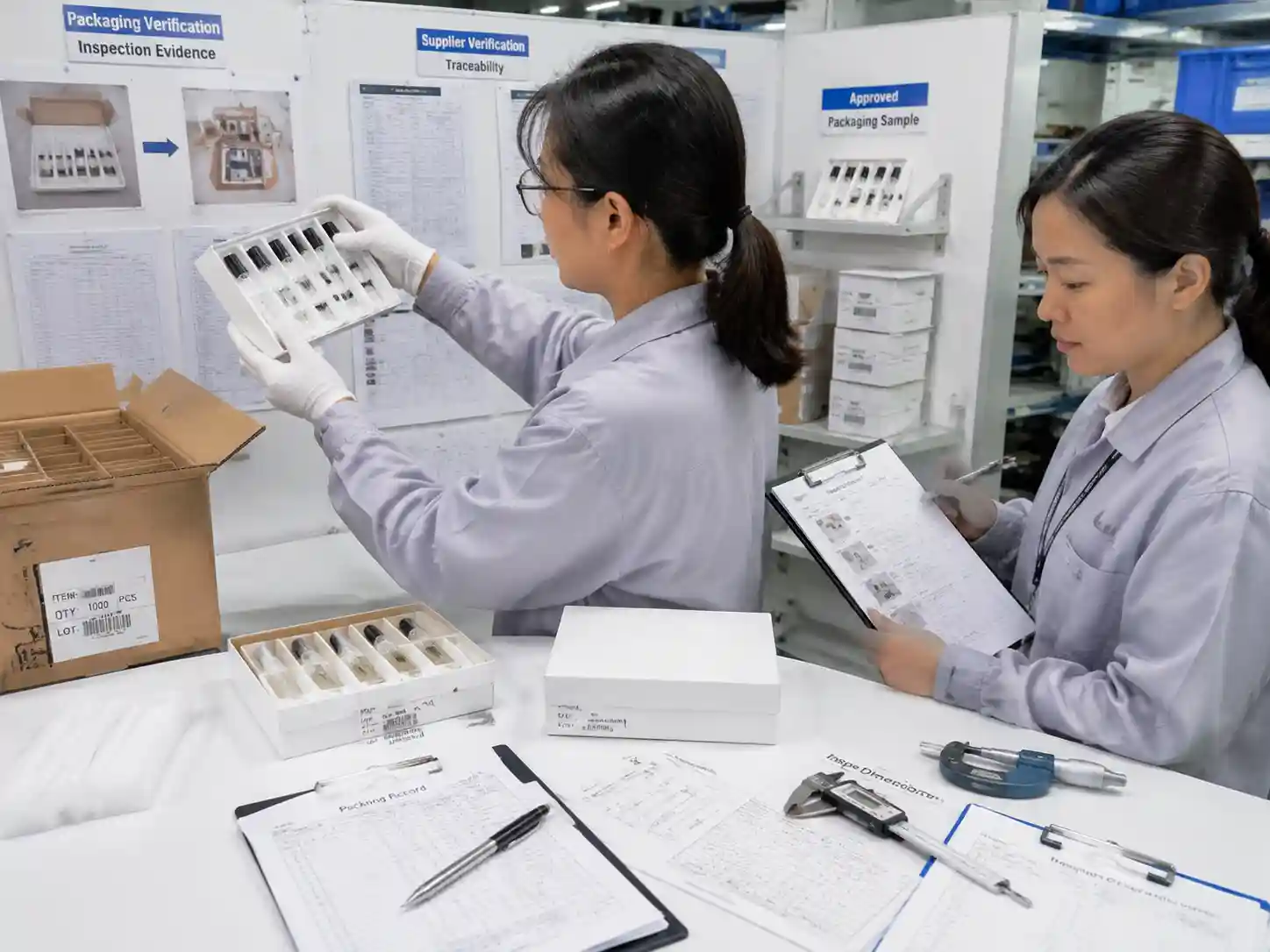
Supplier verification should connect approved samples with production results. Useful evidence includes approved insert drawings, cavity measurement records, loaded sample photos, inspection checklists, and packing verification records.
Loaded-SKU Checklist for Perfume Vial Packaging
- All approved vial diameters are included.
- Each cavity matches the correct product position.
- Vials remain upright after handling checks.
- Pumps and caps have sufficient clearance.
- Glass surfaces show no visible damage.
- Labels remain visible in the approved orientation.
- Packing records match the approved configuration.
What Should Buyers Approve Before Mass Production?
Buyer approval should focus on the final loaded configuration, not only an empty insert sample. Important approval points include cavity dimensions, product orientation, appearance after loading, and documented changes.
Verifiable facts include measured dimensions, approved drawings, and inspection records. Project-dependent decisions include cavity tolerance, insert material selection, and presentation requirements. Final approval should confirm that the selected design matches the actual perfume vial assortment.
FAQs About Securing Perfume Vials With Different Diameters
Can one insert hold perfume vials with different diameters?
Yes, but the insert must be designed around measured product groups. A single uncontrolled cavity size usually cannot provide reliable retention for significantly different vial diameters.
Should perfume vials be locked tightly inside the insert?
No. The goal is controlled support, not maximum compression. Excessive force can create risks for glass, pumps, caps, or surface finishes.
Why should real perfume samples be used for fit approval?
Actual samples reveal differences in weight, closure dimensions, labels, and surface conditions that may not appear in drawings alone.
Giftpackpro supports custom packaging development with structured reviews for product fit, insert configuration, and approval documentation. For perfume vial packaging projects, request a custom quote to discuss your required format.