Quick answer: Advent calendar tamper evidence is added by selecting a visible security feature that matches the package structure, opening experience, and fulfillment process. Common approaches include seals, tear strips, security labels, shrink solutions, or controlled closures. The correct method depends on carton materials, shelf presentation, parcel handling, and buyer approval requirements. Verification should include samples, measurements, inspection records, and documented approval before production.
What is the purpose of tamper evidence on an advent calendar?
Tamper evidence shows whether an advent calendar package has been opened, altered, or accessed after packing. It does not replace secure supply chain controls, but it provides a visible condition check for retailers, fulfillment teams, and end customers.
For seasonal calendars with multiple compartments, drawers, doors, or hidden openings, the tamper feature must protect the package without damaging the intended reveal experience. The solution should balance security, shelf appearance, opening function, and packing efficiency.
How do you select the right advent calendar tamper evidence method?
The correct method is selected by reviewing the package structure, access points, material surfaces, and handling conditions. Buyers should define which areas require evidence of opening before choosing a sealing approach.
| Package requirement | Possible approach | Verification method |
|---|---|---|
| Prevent access before retail sale | Security label, seal, or controlled closure | Check seal position, adhesion, and visible damage after opening |
| Protect drawers or doors during handling | Temporary restraint or external closure feature | Test movement during packing and transport simulation |
| Maintain premium shelf appearance | Low-visibility tamper feature integrated into design | Review approved samples under retail display conditions |
| Support fulfillment inspection | Documented seal location and packing records | Compare finished cartons with approved specifications |
Where should tamper evidence be placed on an advent calendar?
Tamper evidence should be positioned where unauthorized access would normally occur while avoiding interference with intended openings. The location depends on the calendar structure.
- Front-opening designs: seals may be placed across access points that remain visible during shelf display.
- Drawer-style calendars: restraint points should prevent drawer movement without creating permanent marks on the packaging.
- Multi-panel structures: closure points should be checked for alignment, surface protection, and opening performance.
- Shipping cartons: external packing records may be used together with product-level evidence for fulfillment control.
Packaging engineers normally confirm placement through structural drawings, prototype samples, and physical opening checks. A tamper feature that blocks the customer experience or damages printed surfaces may require redesign.

How is tamper evidence tested before production?
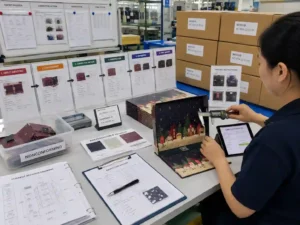
Testing should confirm that the selected feature performs as intended while maintaining packaging quality. The evaluation method varies by project, but typically includes sample review, opening checks, and inspection documentation.
- Review the approved structural design and identify access points.
- Create sample packages with the selected tamper feature installed.
- Check adhesion, placement accuracy, visibility, and removal behavior.
- Confirm the feature does not affect drawers, doors, inserts, or product placement.
- Record findings and approve the final configuration before bulk production.
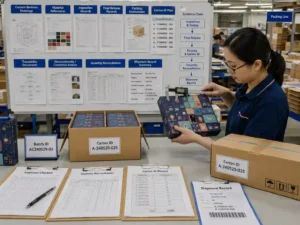
Useful evidence may include marked drawings, sample photos, inspection sheets, opening records, and approval documents. These records help purchasing and quality teams confirm that production follows the agreed packaging specification.
How does tamper evidence affect retail and fulfillment operations?
Tamper features should support normal retail handling and fulfillment workflows rather than create additional problems. Poorly selected solutions may increase packing time, create surface damage, or complicate returns inspection.
| Scenario | Packaging consideration |
|---|---|
| Retail shelf display | The feature should remain visible enough to communicate package condition without reducing presentation quality. |
| E-commerce fulfillment | The closure should tolerate normal handling while allowing warehouse staff to identify damaged or opened packages. |
| Returns processing | Inspection teams should understand whether the seal condition indicates opening, damage, or normal handling. |
| Case packing | The feature should not interfere with carton loading, labels, or packing procedures. |

What should buyers approve before adding tamper evidence?
Buyers should approve the tamper method, location, appearance, and inspection requirements before production release. Approval should be based on physical samples rather than drawings alone.
- Approved sample showing final seal or closure placement.
- Specification drawing identifying tamper evidence locations.
- Opening evaluation confirming the intended customer experience.
- Inspection criteria describing acceptable and unacceptable conditions.
- Packing records showing how the feature is applied during production.
Giftpackpro helps commercial buyers develop custom seasonal packaging through structured packaging reviews, sample evaluation, and production communication. Related solutions can be explored through custom advent calendar box products and custom advent calendar box services.

Frequently asked questions about advent calendar tamper evidence
Can tamper evidence be added after the advent calendar structure is finalized?
It depends on the package design. Some seals or labels can be added later, but structural closures or access-point changes may require design adjustments and sample review.
Does tamper evidence guarantee product security?
No packaging feature alone guarantees complete security. Tamper evidence provides a visible indication of package condition and should work together with approved packing and inspection procedures.
Should tamper evidence be visible on retail packaging?
The visibility level depends on the retail strategy. Some projects require obvious evidence features, while others prioritize a cleaner premium appearance with controlled visibility.
How can you plan tamper evidence for a custom advent calendar project?
The best approach is to define access points, select an appropriate evidence method, validate samples, and document approval requirements before production. Early packaging review helps avoid problems with opening function, shelf presentation, and fulfillment handling.
For packaging teams planning a seasonal calendar project, request a custom quote to discuss suitable packaging structures and tamper-evidence options.