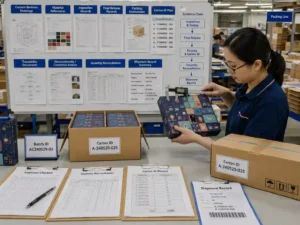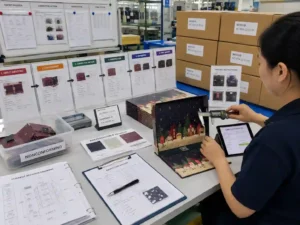
Quick answer: Packaging sample revision control prevents old errors from returning by creating a clear record of every sample change, approval decision, and production requirement. The process should connect physical samples with revision numbers, inspection notes, drawings, test results, and signed approvals. For custom advent calendar boxes, this helps teams identify the latest approved version and avoid producing from outdated structures, artwork, or assembly methods.
Why Is Packaging Sample Revision Control Important?
Packaging sample revision control is important because multiple sample versions can exist during development, and small differences may be difficult to identify without records. A revision system creates traceability between what was changed, why it was changed, and which version was approved.
Without controlled records, teams may accidentally return to earlier problems such as incorrect compartment dimensions, unsuitable product fit, weak structural areas, or outdated artwork files. The risk increases when product developers, purchasing teams, suppliers, and quality teams review samples at different stages.
What Information Should Be Recorded for Each Sample Revision?
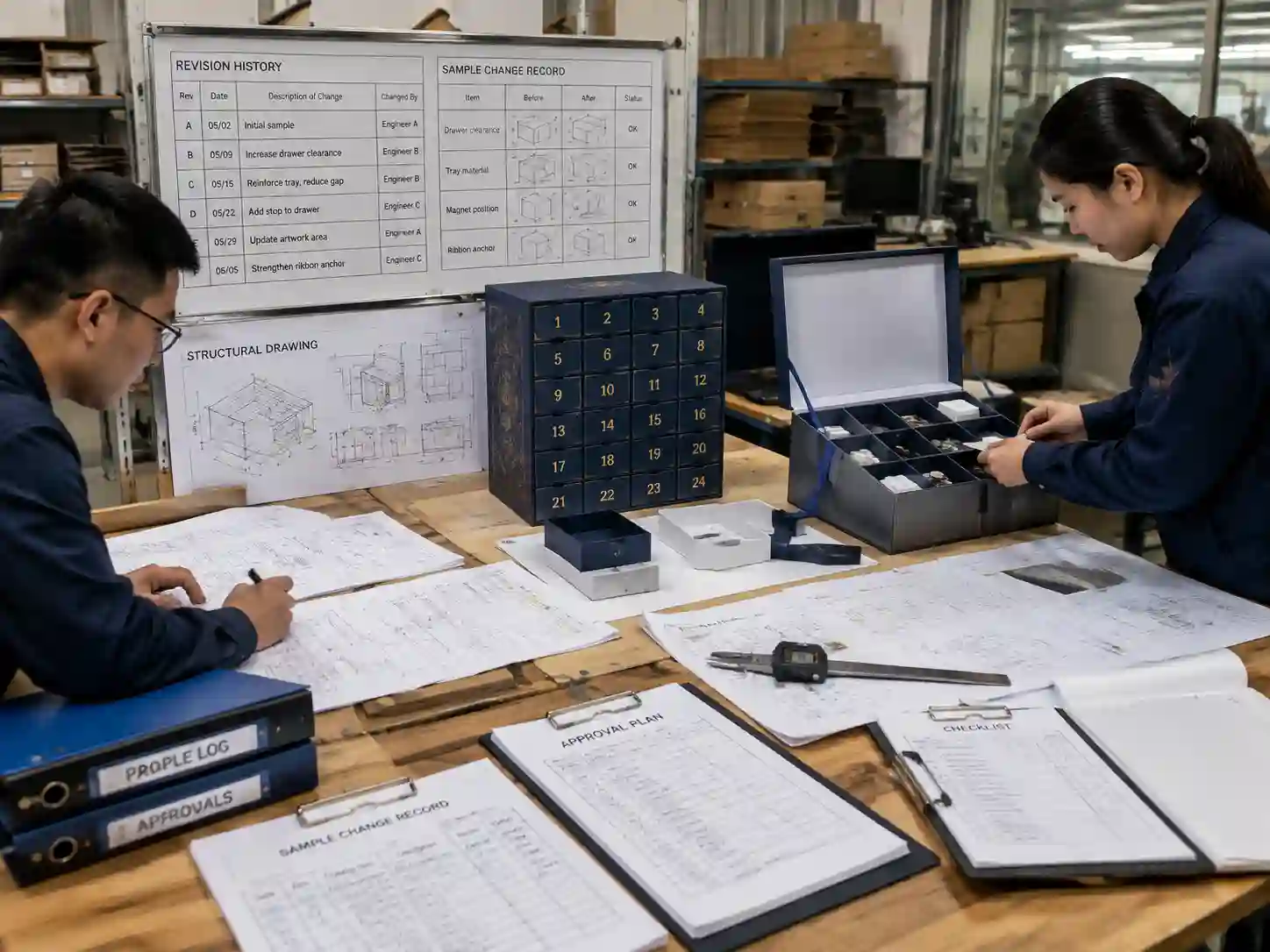
Each sample revision should include enough information for another team member to understand the sample history without relying on memory. The record should connect the physical sample with technical evidence and approval status.
| Revision Record Item | Purpose |
|---|---|
| Sample revision number | Identifies the exact version being reviewed and prevents confusion between old and new samples. |
| Date and review stage | Shows when the sample was created and whether it belongs to structural review, loaded testing, or final approval. |
| Change description | Explains what changed, such as drawer clearance, material adjustment, artwork correction, or assembly improvement. |
| Reason for change | Links the revision to a problem, test finding, or buyer request. |
| Approval status | Shows whether the sample is pending review, approved, rejected, or replaced. |
How Do Teams Compare New Samples Against Previous Versions?
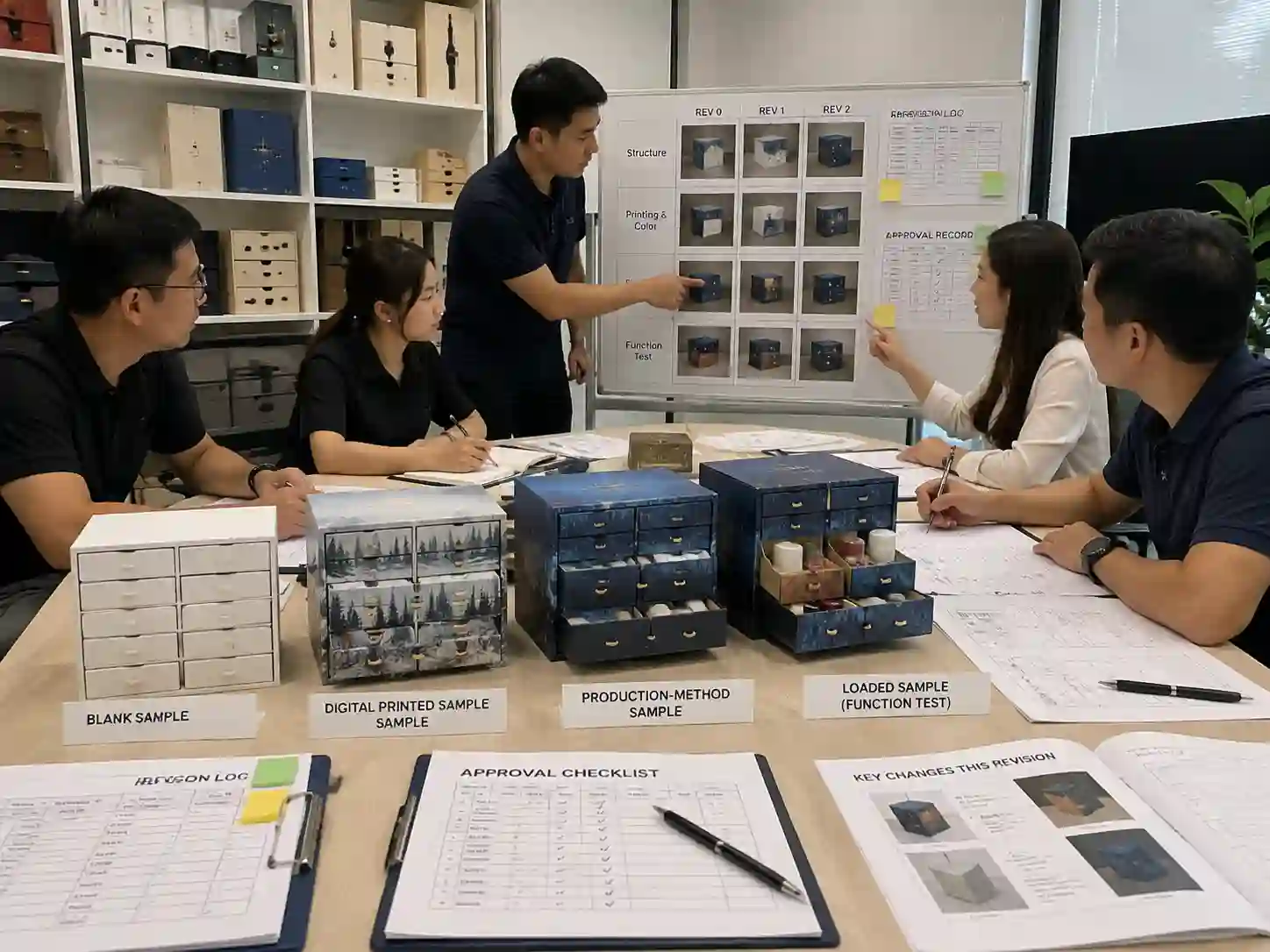
Teams should compare each new sample against the previous approved reference, not only against the latest physical sample available. This prevents accidental approval of a version that has lost an earlier correction.
A practical comparison process includes:
- Reviewing the revision log before opening the new sample.
- Checking drawings, measurements, and structural notes against the physical sample.
- Confirming that requested corrections are visible in the new version.
- Recording any remaining issues before the next revision begins.
For example, if a drawer front was strengthened after a previous review, the next sample record should confirm that the reinforcement remains in place. The team should not rely only on appearance because structural changes may not always be obvious.
What Should a Sample Revision Approval Record Include?
An approval record should show who reviewed the sample, what evidence was checked, and what decision was made. It converts a sample from a physical object into a controlled development reference.
| Approval Check | Evidence to Review |
|---|---|
| Structure confirmation | Sample measurements, drawings, folding performance, and construction details. |
| Product fit confirmation | Loaded sample checks using representative products or weight simulations where required. |
| Appearance confirmation | Approved artwork files, surface finish references, and visual inspection notes. |
| Production readiness | Manufacturing method sample, assembly observations, and remaining risk notes. |
How Do Golden Samples Prevent Old Errors From Returning?
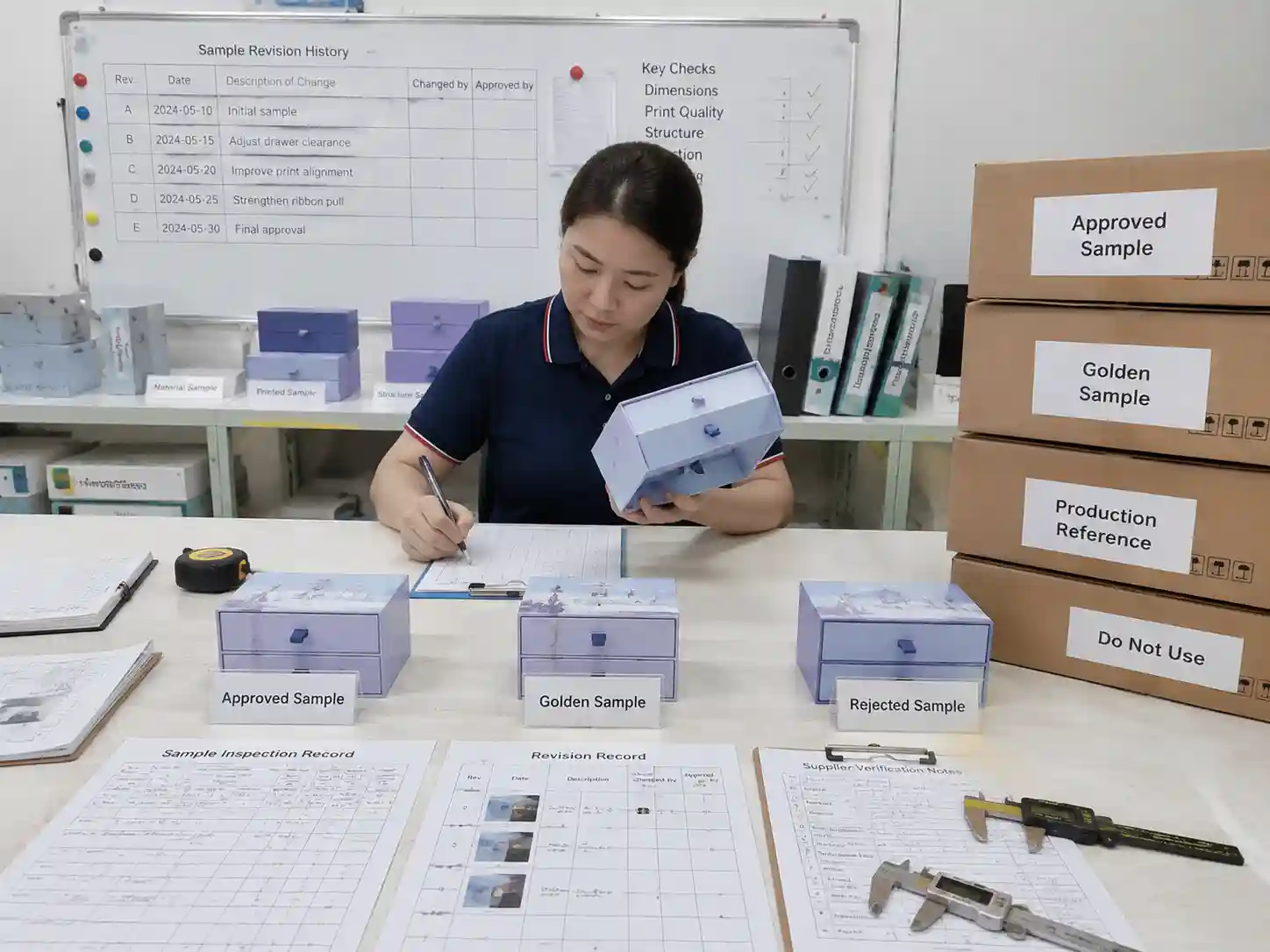
A golden sample is an approved physical reference used to represent the accepted version before production. It should be clearly identified with the approved revision number and linked to the related documents.
Golden samples are useful because production teams can compare output against a known approved standard. However, a golden sample should not replace documentation. The revision history explains why the sample was approved and which details are critical.
Project requirements vary, but a controlled golden sample system commonly includes:
- Approved sample identification label.
- Associated revision record.
- Final drawings or specifications.
- Approval signatures or confirmation records.
When Should a Design Freeze Be Recorded?
A design freeze should be recorded after required sample revisions have been reviewed and approved. It defines the point where further changes require formal review rather than informal updates.
Before design freeze, teams may continue adjusting details based on testing, buyer feedback, or engineering findings. After design freeze, any change should create a new revision record because even small modifications can affect tooling, assembly, appearance, or product protection.
Giftpackpro supports commercial packaging development through structured sample review processes for custom advent calendar box services, including communication between design, sampling, and production stages.
What Are the Common Risks Without Revision Tracking?
The main risk is losing the connection between a problem and its approved solution. Without revision tracking, teams may repeat previous mistakes or approve samples that do not include required corrections.
- Old artwork files may be used after a correction has been made.
- Rejected structural versions may be mistaken for approved samples.
- Production teams may not know which physical sample is the final reference.
- Quality inspections may compare against inconsistent standards.
These risks can be reduced by maintaining one controlled revision history and linking every important decision to evidence such as drawings, measurements, inspection records, and approval documents.
Packaging Sample Revision Control Checklist
Use this checklist before approving a final sample revision:
- ☐ Revision number matches the latest approved documentation.
- ☐ Previous problems and requested corrections are recorded.
- ☐ Physical sample matches updated drawings or specifications.
- ☐ Loaded testing or product-fit checks are completed when required.
- ☐ Approval decision is documented by responsible reviewers.
- ☐ Golden sample identification is confirmed before design freeze.
Frequently Asked Questions
Can a physical sample replace a revision record?
No. A physical sample shows the result, but a revision record explains the history, reason for change, and approval decision behind that result.
Who should approve packaging sample revisions?
Approval responsibility depends on the project structure. Product developers, quality teams, purchasing teams, and other assigned reviewers may participate based on their responsibilities.
What happens if a change is made after design freeze?
Changes after design freeze should normally be reviewed as a new revision because they may affect approved dimensions, production methods, or final quality requirements.
For companies developing custom seasonal packaging, Giftpackpro provides custom advent calendar box products and supports structured sample communication from initial review through approved production references. To discuss your packaging requirements, request a custom quote.