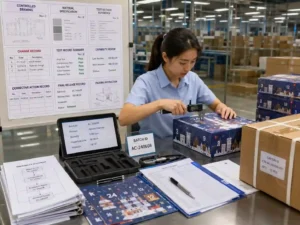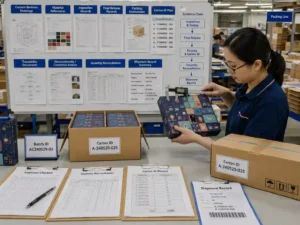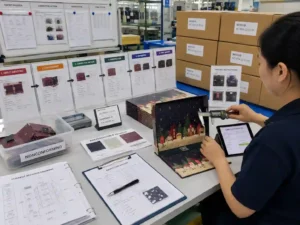
Large printed panels can show small color shifts more clearly than smaller areas, especially when neutral gray backgrounds cover wide surfaces. To achieve neutral gray print consistency, teams need controlled artwork files, correct color separation, approved references, production checks, and documented approvals. The process is not only about matching a digital screen image; it requires alignment between artwork preparation, printing conditions, finishing effects, and inspection methods.
Why is neutral gray print consistency difficult across large packaging panels?
Neutral gray is sensitive because it contains balanced color values, so small changes in cyan, magenta, yellow, or black can create visible warm or cool shifts. Large areas make these differences easier to notice across the finished package.
Common causes of gray variation include:
- Different CMYK conversion settings during artwork preparation.
- Incorrect use of rich black or mixed gray builds.
- Ink density changes during printing.
- Paper surface, coating, or lamination effects.
- Finishing processes that slightly change visual appearance.
For advent calendar boxes and seasonal paper packaging, these issues often appear on large front panels, drawer faces, covers, or continuous graphic areas where consistent appearance is important.
How should artwork files be prepared to maintain neutral gray control?
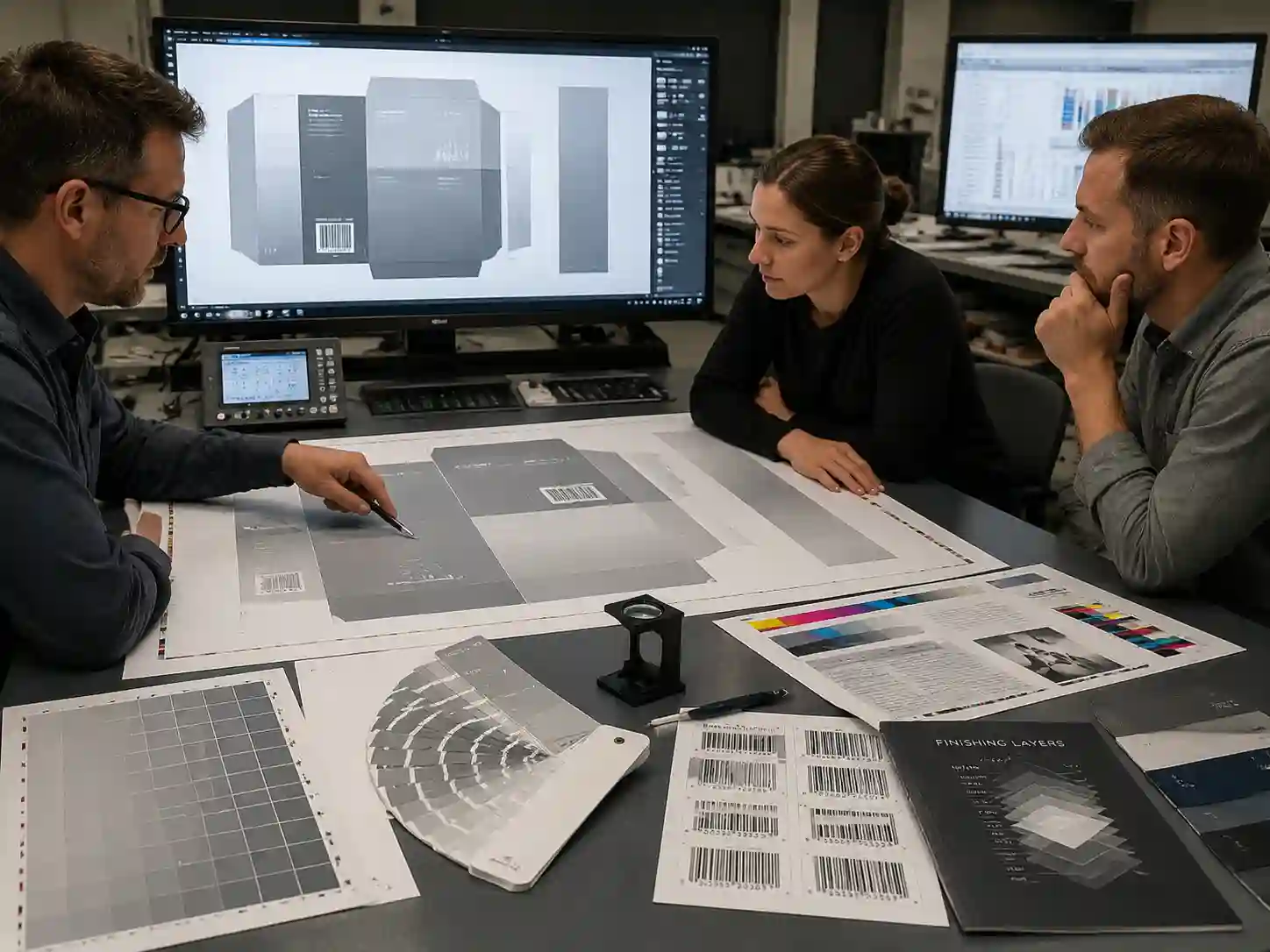
Neutral gray control starts before printing by defining how the gray is created and where it appears in the artwork. The prepress team should confirm color settings, layer structure, and production requirements before releasing files.
Should neutral gray areas use CMYK builds or spot colors?
The correct choice depends on the project requirements. Large neutral gray panels may use controlled CMYK builds, while some projects may require a dedicated spot color reference when tighter color matching is needed.
| Artwork element | Recommended check | Reason |
|---|---|---|
| Large gray background panels | Confirm color values and separation method | Reduces visible tone variation across wide areas |
| Small text on gray areas | Check contrast and registration | Maintains readability after printing |
| Finishing layers | Review coating, foil, or laminate impact | Surface effects can change gray appearance |
Artwork files should also separate structural lines, safe areas, barcodes, multilingual copy, and finishing layers so that color decisions are not affected by later file adjustments.
How do you verify neutral gray before mass production?
Verification should compare approved references with physical printed samples or proofs. A digital screen preview alone cannot confirm final printed appearance because monitor settings and printing conditions differ.
Useful verification steps include:
- Review artwork files and confirm gray color values before production.
- Check proof or sample output under consistent viewing conditions.
- Compare large gray areas against approved references.
- Confirm that finishing processes do not create unexpected visual changes.
- Record approval decisions before production release.
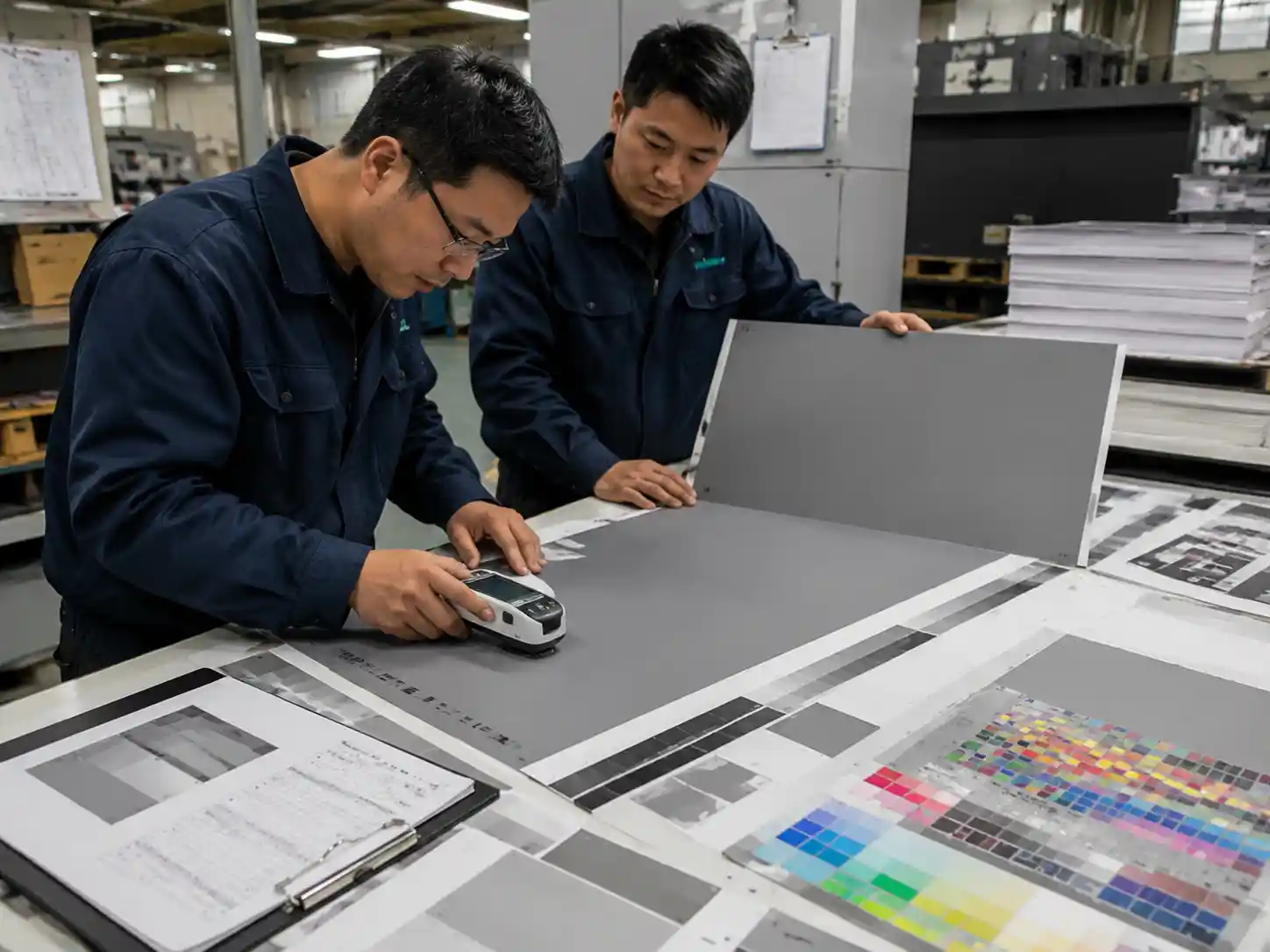
What production checks help maintain gray consistency during printing?
Production control focuses on keeping the approved appearance consistent throughout the run. The exact checks vary by printing method, material, panel size, and finishing requirements.
Typical production evidence may include:
- Approved artwork revision records.
- Color reference sheets or approved samples.
- Print inspection records.
- Operator or QC inspection notes.
- Comparison photos or measurement records when applicable.
Which factors should buyers confirm with packaging suppliers?
Buyers should confirm how gray areas will be reviewed, what references will be used, and how approval records will be maintained. The exact process depends on the packaging structure, print method, substrate, and finishing combination.
| Control point | Buyer approval question |
|---|---|
| Artwork preparation | Are gray values, layers, and color settings confirmed? |
| Proof review | Is there an approved visual reference before production? |
| Production inspection | Are gray panels checked against the approved standard? |
| Final records | Are revisions and approvals documented? |
What risks occur when large gray panels are not controlled?
Uncontrolled gray areas can create inconsistent packaging appearance between production batches, different components, or different viewing angles. This may affect brand presentation and create additional review work during quality inspection.
Typical risks include:
- Front panels appearing warmer or cooler than approved references.
- Visible differences between connected packaging parts.
- Rework caused by unclear approval standards.
- Difficulty identifying whether variation comes from artwork or production.
Clear artwork files, documented approvals, and production inspection records help separate normal project variation from preventable color control issues.
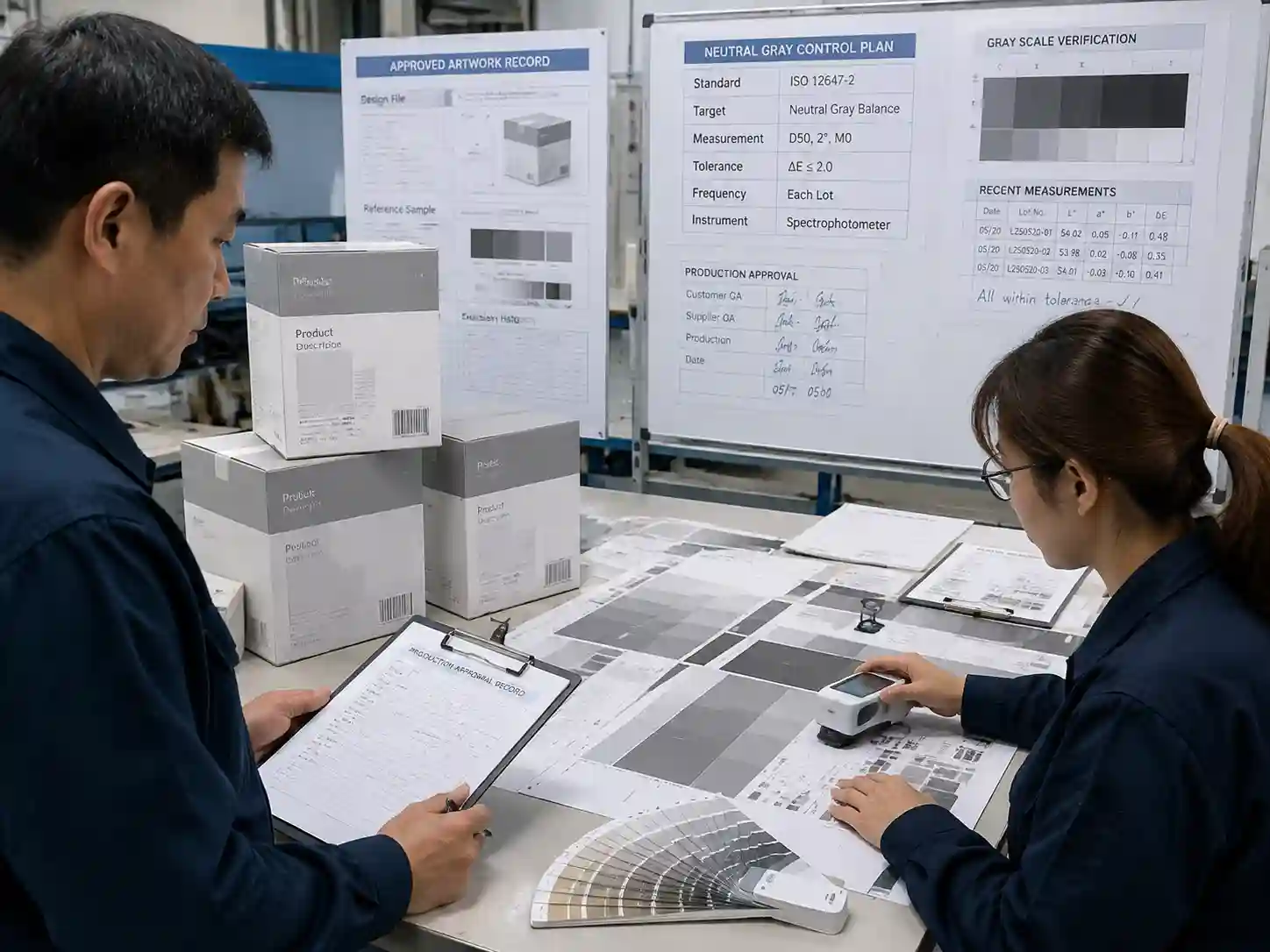
What should a neutral gray preflight checklist include?
- Confirm gray color values and separation method.
- Check artwork layers for print, finishing, and structural elements.
- Verify dielines and safe areas do not interfere with gray panels.
- Review barcode and multilingual copy placement separately.
- Approve physical references before production release.
- Record final artwork version and approval status.
FAQs About Neutral Gray Control in Packaging Printing
Can a screen preview confirm final neutral gray appearance?
No. Screens provide a digital reference only. Physical proofing or approved printed references are needed because printing materials and processes affect final appearance.
Does lamination change neutral gray appearance?
Yes, surface finishes can influence how gray appears. The effect depends on the material and finishing combination used for the packaging project.
Should every gray area use a spot color?
No. The best method depends on the required appearance, print process, artwork complexity, and project approval requirements.
For custom advent calendar packaging projects, Giftpackpro supports artwork preparation, print coordination, and production communication through custom advent calendar box services. If you need help reviewing a packaging artwork requirement, request a custom quote with your specifications and reference files.