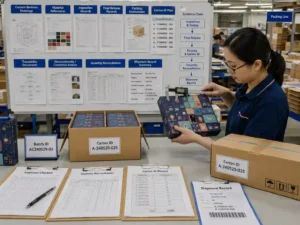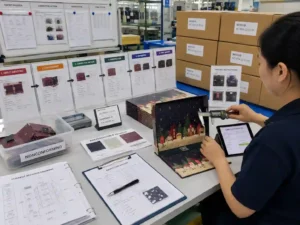
Natural variation is a normal characteristic of kraft and recycled papers, but buyers need a clear approval method before production. Kraft paper color variation approval should be based on agreed reference samples, acceptable visual limits, material records, and application requirements. The goal is not to eliminate every shade difference, but to confirm that the paper appearance, structure, printing performance, and sustainability evidence remain suitable for the finished packaging.
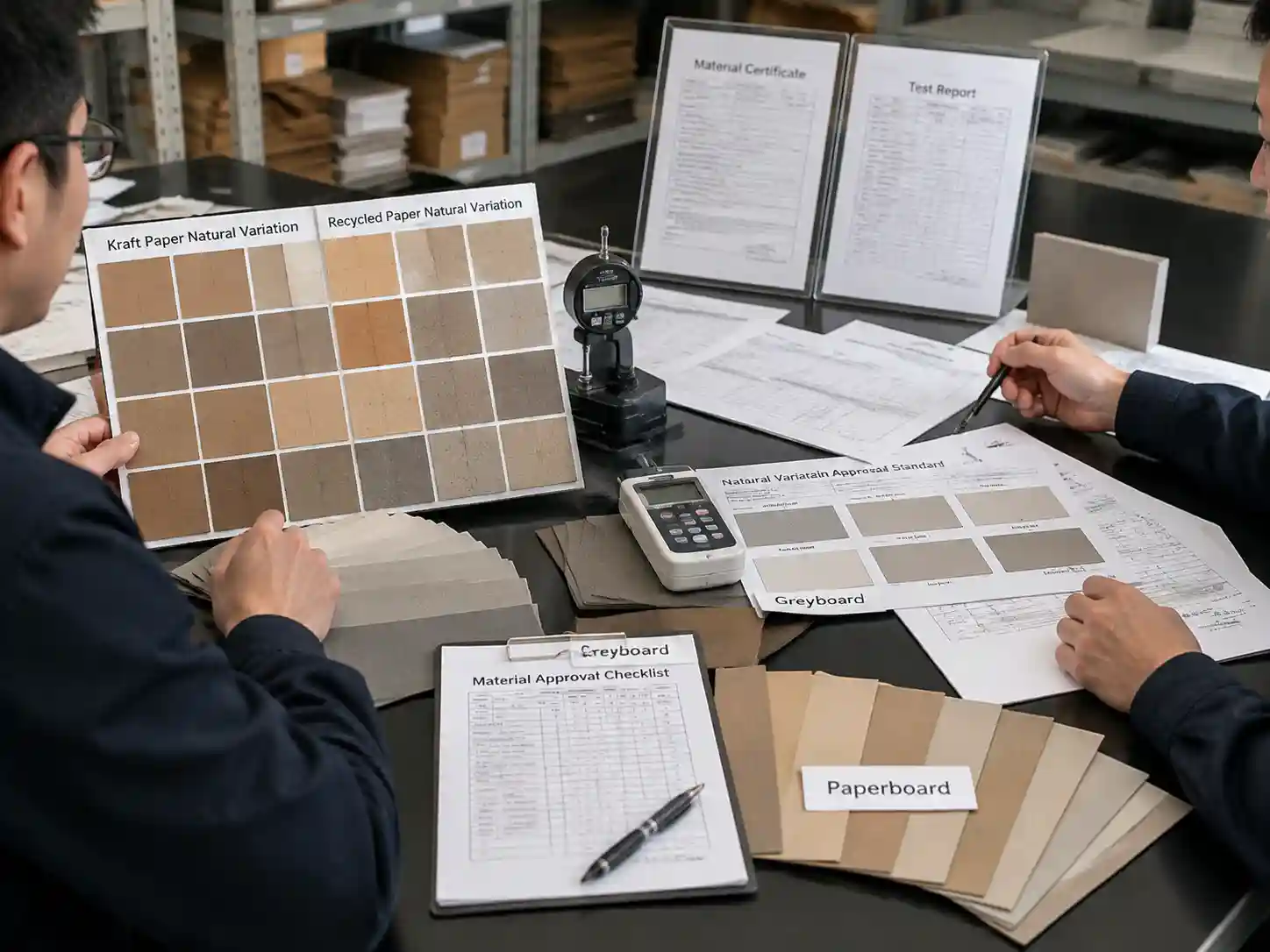
Why do kraft and recycled papers show natural color variation?
Kraft and recycled papers vary because their raw fibers, pulp composition, surface treatment, and production conditions can influence appearance. Natural fibers may create differences in tone, texture, and surface character between batches.
For packaging projects, these differences are usually evaluated together with other material properties. A slight shade change may be acceptable when the paper still meets requirements for print appearance, folding behavior, strength, and overall product presentation.
How should buyers define kraft paper color variation approval?
Kraft paper color variation approval should start with a physical reference sample and written acceptance criteria. Buyers should avoid approving materials only through digital images because screen displays and lighting conditions can change perceived color.
A practical approval process normally includes:
- Confirming the selected kraft or recycled paper grade and intended packaging use.
- Reviewing production samples under agreed lighting conditions.
- Recording acceptable differences in shade, texture, and surface appearance.
- Checking whether the variation affects printing, coating, foil, or other finishing processes.
- Approving the final reference sample before bulk production.
What evidence should buyers review before approving paper variation?
Buyers should review physical and documented evidence rather than relying on appearance alone. The approval record should connect the paper choice with the finished packaging requirements.
| Evidence item | Purpose | Buyer review point |
|---|---|---|
| Approved paper sample | Defines the visual reference | Confirm acceptable tone, texture, and surface appearance |
| Material specification record | Links the sample to the selected paper type | Verify grade, construction, and supplier information |
| Printed sample evaluation | Checks appearance after printing | Review ink coverage, contrast, and artwork consistency |
| Inspection notes | Documents approval decisions | Maintain traceability for production review |
How do recycled papers differ from kraft papers during approval?
Recycled papers often have more visible natural variation because recycled fibers can contain different fiber histories and material compositions. Kraft papers may show more consistent brown tones, but they can still vary due to fiber sources and manufacturing conditions.
The approval approach depends on the packaging objective. A premium gift box with large unprinted areas may require tighter visual review, while a heavily printed structure may place more importance on print performance and surface stability.
What measurements and checks help verify paper consistency?
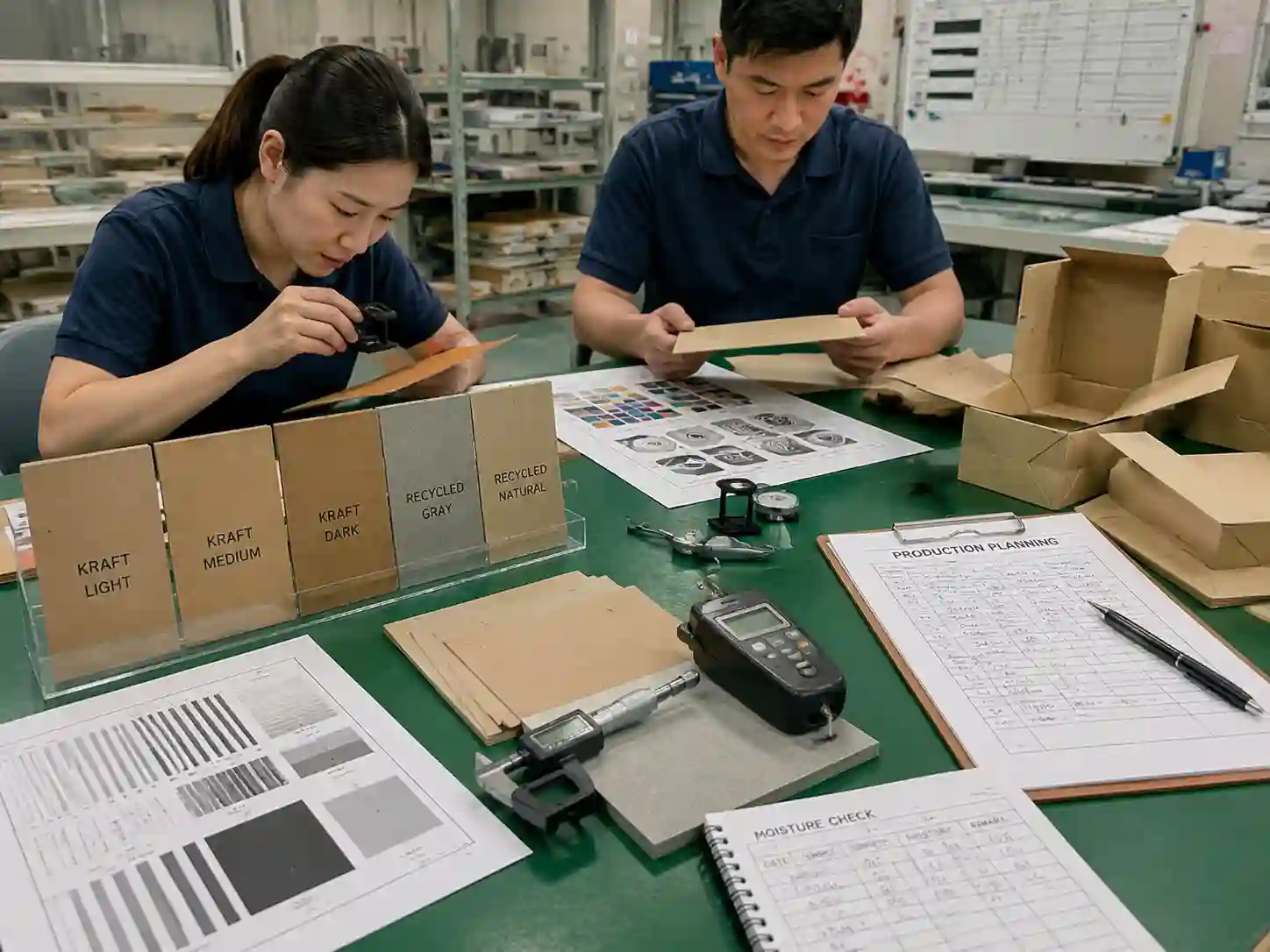
Visual inspection is important, but supporting checks help buyers make decisions based on evidence. Useful verification methods may include:
- Comparing approved samples with production samples under controlled lighting.
- Checking paper thickness and board construction consistency.
- Reviewing moisture-related observations because humidity can affect paper appearance and handling.
- Inspecting surface behavior for scuffing, uneven texture, or finishing problems.
- Recording supplier documentation related to the approved material batch.
The exact inspection method varies depending on the paper structure, printing method, finishing requirements, and final packaging application.
How should buyers separate acceptable variation from a material risk?
Acceptable natural variation should not be confused with uncontrolled material changes. A paper shade difference may be acceptable when the approved material type, performance expectations, and appearance limits remain unchanged.
A new review may be needed when:
- The paper grade or board construction changes.
- The recycled content or fiber composition changes significantly.
- The surface finish affects printing or decoration performance.
- The material change creates concerns about folding, strength, moisture response, or scuffing.
These decisions should be based on project requirements and buyer approval records rather than assumptions about what is visually acceptable.
What should be included in a buyer approval checklist?
A clear checklist helps packaging teams, designers, sourcing teams, and quality teams make consistent decisions.
- Approved kraft or recycled paper reference sample.
- Defined visual acceptance range.
- Paper construction and material information.
- Print and finishing compatibility review.
- Inspection comments and approval status.
- Supplier documentation supporting the selected material.
Material decision example: approving recycled paper for an advent calendar box
A buyer selecting recycled paper for a seasonal paper gift package may receive samples with slightly different natural brown tones. The approval decision should consider whether the variation supports the intended appearance while maintaining acceptable print results and structural performance.
If the packaging uses visible natural paper areas, the buyer may focus more on shade range and texture consistency. If the surface is fully printed, the review may focus more on ink reproduction, coating behavior, and production consistency.

Frequently asked questions about kraft and recycled paper approval
Can buyers approve kraft paper color from photos?
Photos can support early discussion, but final approval should normally use physical samples because lighting, cameras, and screens can change perceived color.
Does natural paper variation mean the material is lower quality?
No. Natural variation can be a normal characteristic of kraft and recycled papers. Quality approval should focus on whether the material meets the agreed appearance and performance requirements.
When should a buyer request a new material sample?
A new sample review is recommended when the paper grade, construction, finish, or other material characteristics change enough to affect packaging performance or appearance.
How can buyers manage kraft and recycled paper approval for custom packaging?
Successful approval depends on connecting material selection with documented checks, physical samples, and production expectations. For custom advent calendar boxes and seasonal paper gift packaging, buyers can use structured approval records to reduce uncertainty while keeping the natural character of kraft and recycled materials.
Giftpackpro supports commercial packaging projects with material review, structural evaluation, and production coordination through its custom advent calendar box services. Explore custom advent calendar box products or request a custom quote for your packaging requirements.