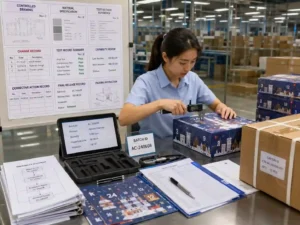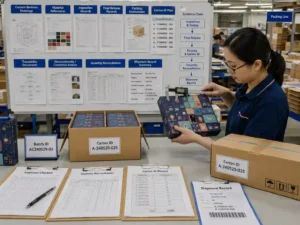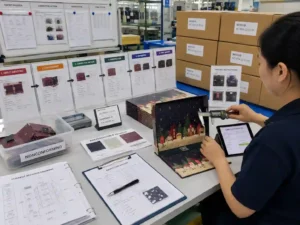
Quick answer: Recycled content should be specified together with paper shade expectations, board construction requirements, and acceptable appearance limits. Recycled fibers naturally vary because of fiber sources, pulping history, and processing conditions. To reduce recycled paper color variation, packaging teams should define material specifications, review physical samples, measure key properties, and approve production references before manufacturing.
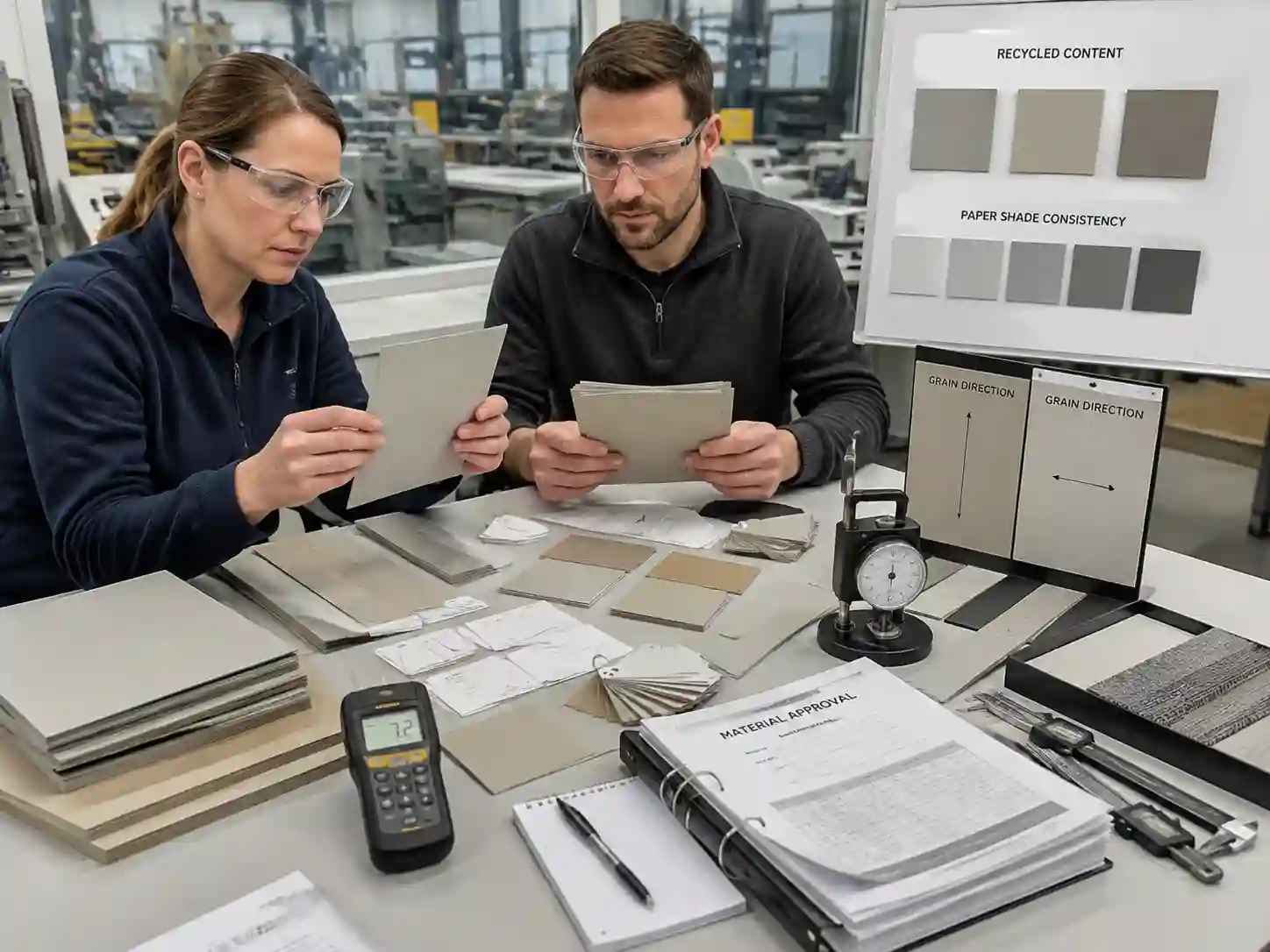
Why does recycled content create color variation in packaging paper?
Recycled content can influence paper appearance because recycled fibers are not always identical in color, length, or composition. Unlike virgin fibers, recycled fibers may contain different recovered paper sources, printing residues, coatings, and previous processing effects.
For advent calendar boxes and seasonal paper gift packaging, this matters because large printed surfaces, exposed paper edges, and uncoated areas can make small shade differences more visible. The recycled content percentage alone does not fully define the final appearance.
What factors affect recycled paper color variation?
- Fiber source: Different recovered paper streams can produce different base shades.
- Pulp processing: Cleaning and deinking methods influence brightness and tone.
- Board construction: The combination of greyboard, liner paper, and surface paper affects visible color.
- Humidity exposure: Moisture changes can influence paper behavior and surface appearance.
- Surface finishing: Coatings and laminations can change how the paper shade is perceived.
How should buyers specify recycled content to control color variation?
Buyers should specify recycled content together with visual and technical requirements rather than treating recycled percentage as the only material requirement. A complete specification creates a clearer production target.
A practical recycled paper specification may include:
- Required recycled content level or material composition range.
- Paper or board grade requirements.
- Acceptable natural shade range or appearance reference.
- Surface treatment requirements.
- Approved physical reference samples.
- Inspection method for production consistency.
For custom advent calendar boxes, the outer paper surface, wrapped panels, and exposed edges should be reviewed together because different structures can reveal color differences in different ways.
Which material checks help prevent unexpected recycled paper color changes?
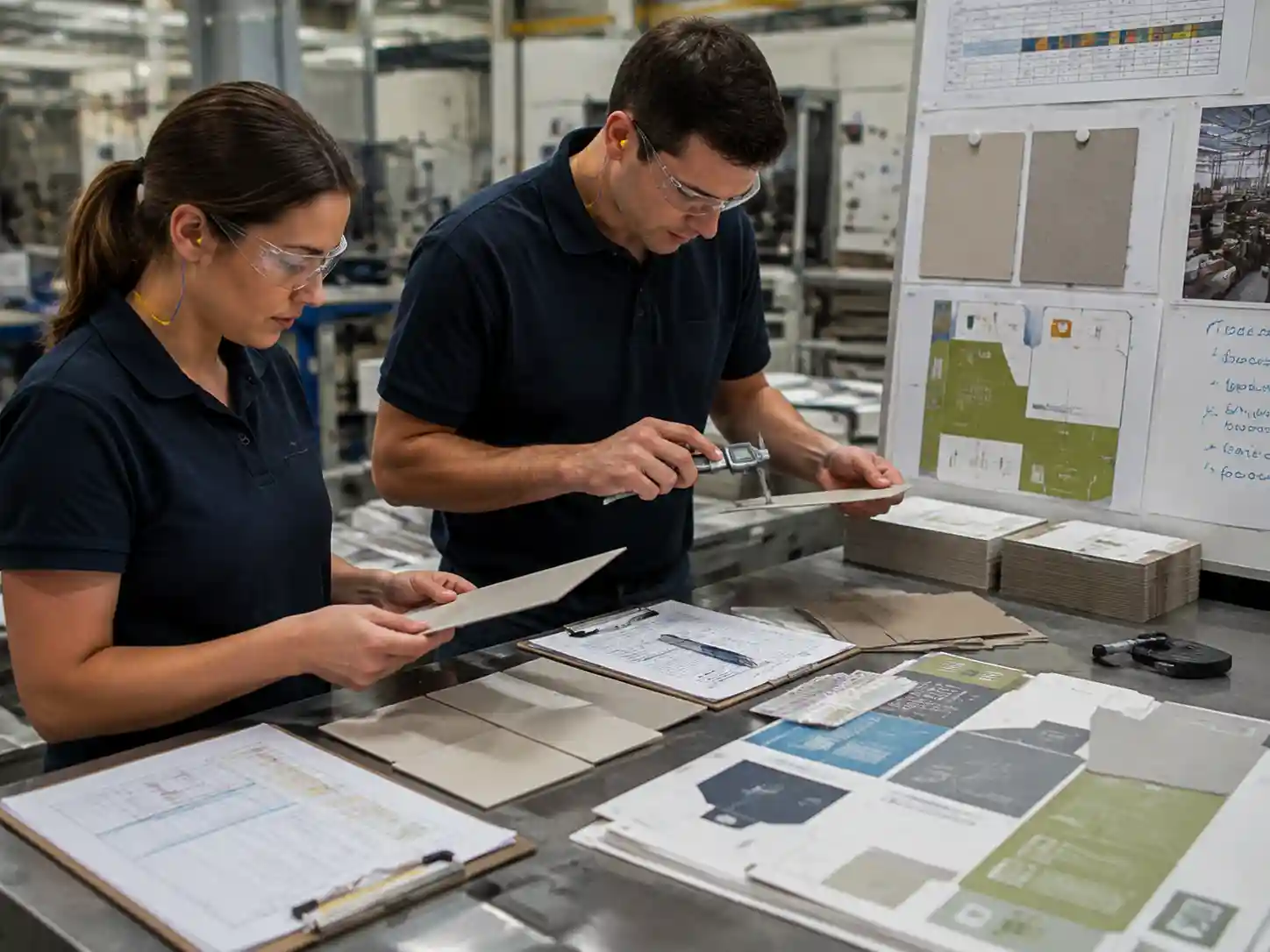
Material checks should happen before production approval, not only after finished packaging is produced. The goal is to identify appearance risks when adjustments are still possible.
| Material check | What it verifies | Why it matters |
|---|---|---|
| Paper shade comparison | Base color consistency between samples | Helps define acceptable visual variation |
| Board construction review | Greyboard, liner, and surface paper combination | Prevents unexpected interaction between layers |
| Moisture measurement | Paper condition and environmental influence | Supports stable appearance and performance |
| Surface inspection | Texture, coating, and visible defects | Confirms final appearance suitability |
These checks should be supported by physical samples, measurement records, and approval documents. The exact acceptance criteria depend on the packaging structure, print coverage, and visual expectations of each project.
How do recycled materials affect printing and finishing decisions?
Recycled paper does not automatically prevent high-quality printing, but its surface characteristics may influence how colors appear. Designers and packaging engineers should consider the interaction between paper shade and printed artwork.
Important considerations include:
- Dark or saturated artwork may hide small paper shade differences.
- Light colors and large unprinted areas may reveal natural paper variation.
- Matt finishes may show paper texture differently from glossy finishes.
- Surface coatings can change perceived brightness and color depth.
When appearance consistency is critical, teams should review printed samples on the selected recycled material rather than approving artwork only on digital screens.
What evidence should buyers request before approving recycled packaging materials?
Buyers should rely on traceable material evidence instead of general sustainability statements. The exact documents required depend on the project and supplier process.
- Material specification sheets showing board construction.
- Physical paper and board samples.
- Sample approval records.
- Inspection records for appearance checks.
- Supplier documentation describing recycled content information.
Verifiable evidence helps separate confirmed material characteristics from project assumptions. Sustainability claims, appearance expectations, and production requirements should be reviewed together before approval.
What risks occur when recycled content is specified without appearance controls?
Without clear appearance requirements, recycled content changes can create unexpected differences between approved samples and production output.
Common risks include:
- Visible shade differences between production batches.
- Mismatch between packaging components using different paper materials.
- Unexpected contrast between printed and unprinted areas.
- Additional approval cycles caused by unclear material expectations.
The level of risk depends on the packaging design, recycled fiber source, surface treatment, and required visual consistency.
How can packaging teams create a practical recycled material approval process?
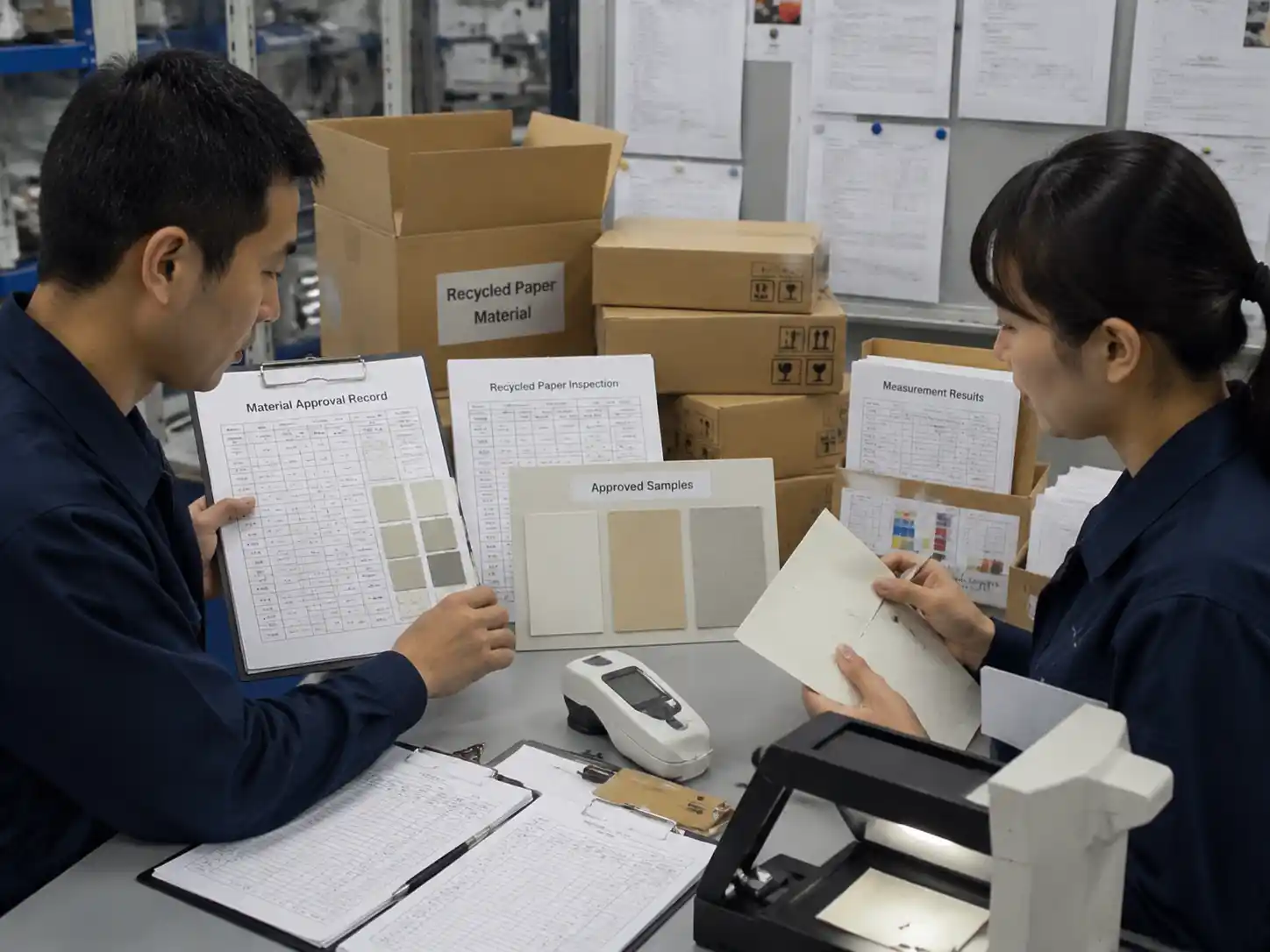
A reliable approval process connects material selection, engineering review, and quality inspection.
- Define the material requirement: Record recycled content expectations, board type, and appearance requirements.
- Review physical samples: Compare paper shade, texture, and construction before production decisions.
- Confirm manufacturing suitability: Check folding, wrapping, printing, and surface performance.
- Approve reference standards: Keep approved samples and inspection records as production references.
- Verify during production: Use agreed inspection points to confirm consistency.
Giftpackpro supports commercial buyers with custom custom advent calendar box products and related packaging development processes where material selection and appearance requirements need to be aligned before production.
Frequently asked questions about recycled paper color variation
Does higher recycled content always mean more color variation?
Not always. Color variation depends on fiber sources, processing methods, board construction, and surface treatment. Recycled content level is only one factor.
Can recycled paper be matched to a previous packaging project?
It may be possible, but matching depends on the original material specification, available paper grades, and approved reference samples.
Should recycled material approval include printed samples?
For projects where appearance is important, printed samples are usually more reliable because paper shade and surface properties affect final color perception.
To discuss recycled material selection and packaging requirements for your project, request a custom quote with your product and material specifications.