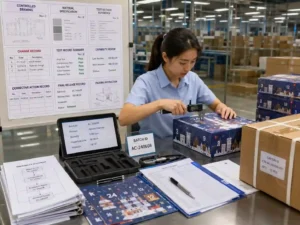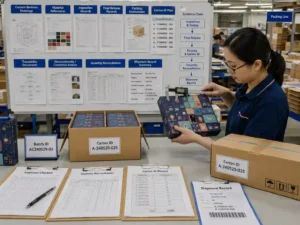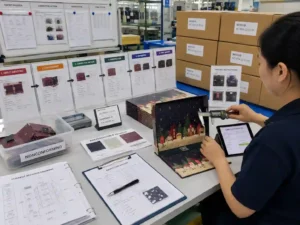
Products packed in sachets require different compartment engineering because flexible packs can compress, shift, fold, and become difficult to remove if the cavity is oversized or poorly supported. Designing effective sachet advent calendar compartments requires controlling pocket dimensions, retention points, access space, product orientation, and loaded transit performance. The process should be verified through drawings, physical samples, loading trials, and inspection records before production approval.
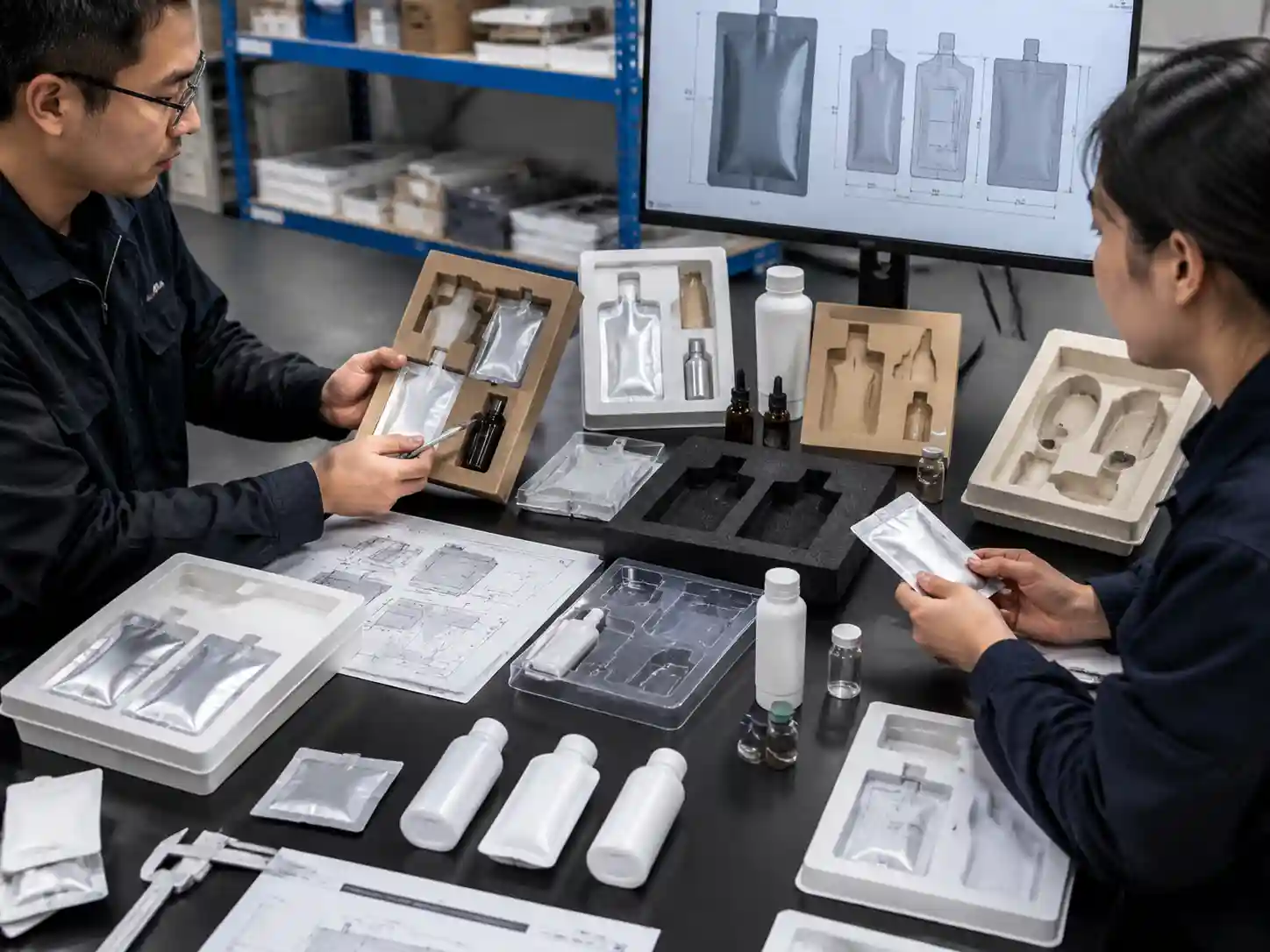
How Do You Design Sachet Advent Calendar Compartments?
The first step is to design the cavity around the actual sachet dimensions after filling and sealing, not only the flat empty pouch size. Flexible packaging can change shape depending on fill volume, seal width, material stiffness, and product weight.
Engineers normally review:
- Overall sachet length, width, and thickness variation.
- Seal edges and corner areas that may create pressure points.
- Product orientation requirements for presentation and removal.
- Clearance needed for users to grip the sachet without damaging it.
- Support areas required to prevent folding or sliding during transport.
For custom advent calendar boxes, the compartment design should balance two requirements: enough retention to keep the sachet positioned and enough clearance for easy removal.
What Cavity Geometry Works Best for Flexible Sachets?
A sachet compartment usually performs better with guided support areas rather than a simple oversized pocket. The cavity should control movement while allowing the flexible pack to remain accessible.
| Design Area | Engineering Consideration | Verification Method |
|---|---|---|
| Cavity width | Prevent excessive side movement while allowing material variation. | Measure loaded samples inside the insert cavity. |
| Cavity depth | Avoid burying the sachet below the insert surface. | Check finger access and removal trials. |
| Corner shape | Reduce sharp pressure points against seals or film edges. | Inspect loaded samples for deformation. |
| Support contact areas | Maintain product position without crushing flexible packaging. | Perform fit checks using production-like samples. |
The suitable geometry varies by sachet construction. A thin cosmetic sample pouch, a heavy liquid sachet, and a dry powder packet may require different support methods even if their external dimensions appear similar.
How Do You Prevent Sachets From Moving Inside Compartments?
Sachets need controlled retention because flexible packs can slide, rotate, or collapse into unused space. The retention method should secure the product without creating extraction difficulty.
| Retention Method | Suitable Application | Main Check |
|---|---|---|
| Paperboard friction fit | Lightweight sachets with stable dimensions. | Confirm the sachet stays positioned after handling. |
| Folded locking tabs | Applications needing additional holding force. | Check that tabs do not damage or block removal. |
| PET formed pockets | Multiple sachet sizes or higher presentation requirements. | Verify cavity shape and product release. |
| Foam or EVA support | Products requiring softer contact surfaces. | Inspect compression and recovery performance. |
Retention decisions should be confirmed through loaded insert samples rather than only CAD drawings. Flexible products often behave differently once filled and sealed.
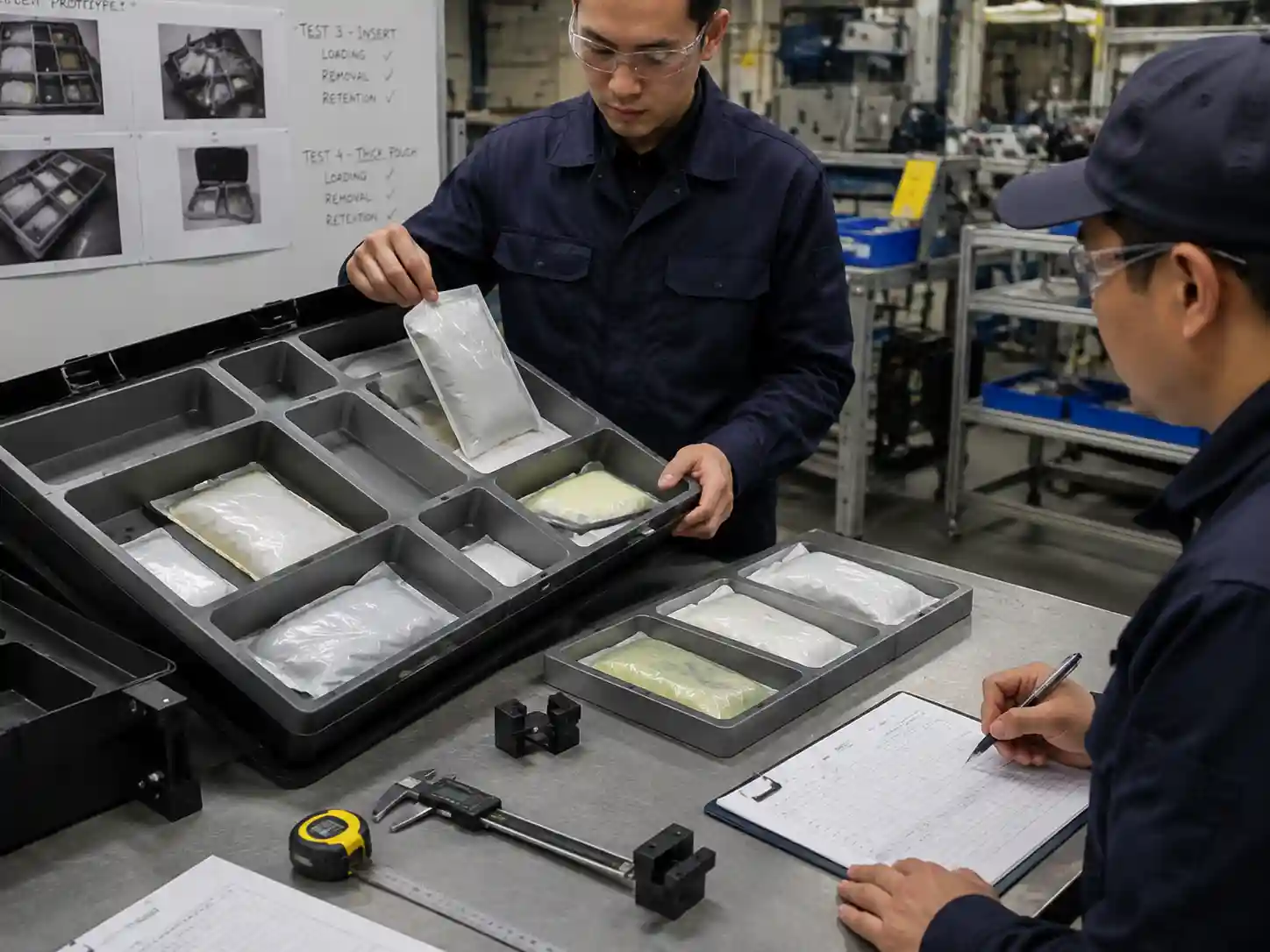
How Do You Test Sachet Removal Access Before Production?
Removal testing checks whether the compartment protects the sachet while still allowing practical access. A cavity that holds the product securely but prevents removal can create usability problems.
A typical fit-test process includes:
- Load representative sachets into the prototype insert.
- Check whether products remain correctly oriented.
- Measure exposed areas available for finger access.
- Repeat loading and removal cycles to identify weak points.
- Record adjustments needed for cavity size, tabs, or support areas.
Approval records should include cavity drawings, sample photos, measurement notes, and comments from the product team before final insert production.
How Do You Check Sachet Compartments for Transit Performance?
A sachet compartment must perform after packing, handling, and transportation. Testing should focus on whether the product remains positioned and whether the insert protects the sachet from excessive compression.
- Confirm sachets remain seated after movement simulation.
- Check whether flexible packs slide beneath insert edges.
- Inspect seal areas for unwanted pressure marks.
- Review carton loading conditions and product orientation.
- Record any insert changes required after testing.
Project-dependent factors such as sachet material, filling tolerance, shipping conditions, and outer box structure influence the final design. These factors should be reviewed with approved product samples and supplier documentation.
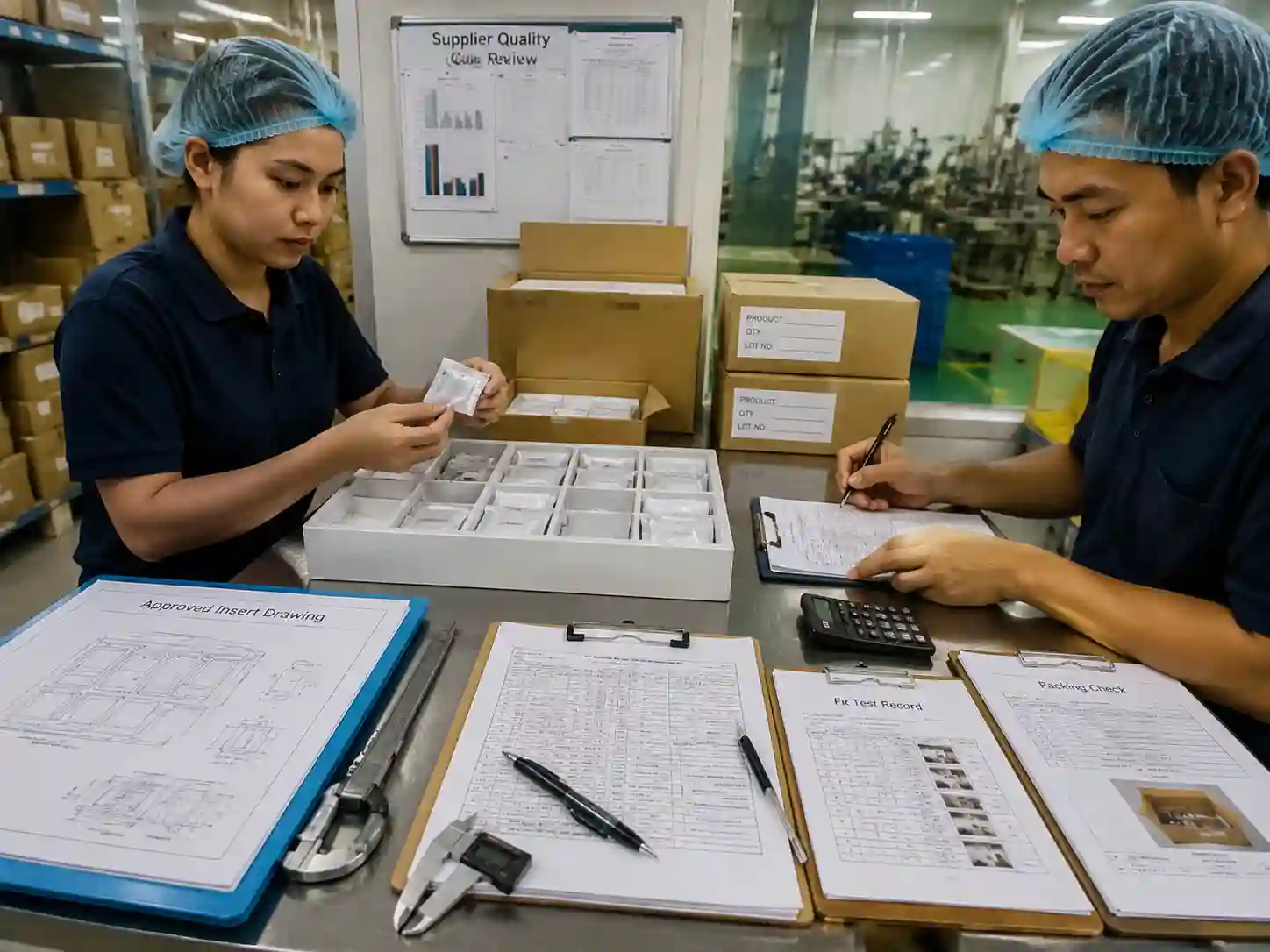
What Information Should Buyers Provide Before Insert Development?
Accurate product information reduces redesign risk. Buyers should provide samples or verified measurements before the insert design is finalized.
- Finished sachet dimensions including filled thickness.
- Product weight and packaging material details.
- Required product orientation inside the calendar.
- Photos or drawings showing seal locations.
- Approval comments from product and packaging teams.
Giftpackpro supports custom packaging development through structured product reviews and packaging engineering coordination. Buyers can explore related custom advent calendar box services or review available custom advent calendar box products before starting a project.
Frequently Asked Questions
Can one insert design hold different sachet sizes?
Yes, but the design depends on the size variation range and required retention level. Large differences may require flexible retention features or separate cavity zones.
Should sachets be compressed inside the compartment?
Generally, sachets should not be excessively compressed because pressure can affect appearance, seals, or product presentation. The required tolerance depends on the sachet material and filling condition.
How are sachet compartment approvals documented?
Approvals are typically supported by cavity drawings, physical samples, measurement records, fit-test results, and final review comments from responsible teams.
For packaging projects requiring engineered sachet retention and compartment validation, contact request a custom quote to discuss product requirements and insert solutions.