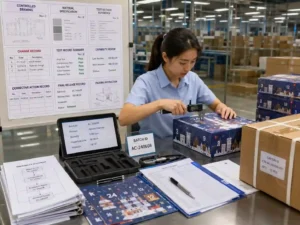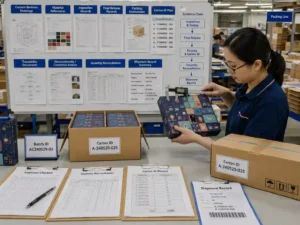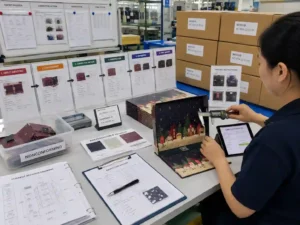
Quick answer: The typical advent calendar box sample lead time is about 7-15 working days after the structure, artwork, materials, and specifications are confirmed. Simple folding carton samples may be completed faster, while complex rigid boxes, drawer boxes, door-opening designs, or multi-layer insert systems usually require more time because they involve dieline development, material preparation, printing, finishing tests, and assembly checks. Buyers can reduce delays by preparing product dimensions, compartment layout, insert requirements, artwork files, and packaging expectations before requesting a sample from a supplier.
For brands, wholesalers, and retail buyers sourcing custom advent calendar boxes manufacturer solutions, the sample stage is not only about seeing the appearance. It is the engineering checkpoint where structure, product fit, materials, printing quality, and production feasibility are confirmed before mass production.
How long is the advent calendar box sample lead time?
The advent calendar box sample lead time depends mainly on the box structure, customization level, and how quickly the buyer approves specifications. A realistic factory timeline usually includes design confirmation, dieline preparation, material selection, prototype production, finishing, and sample inspection.
| Sample Type | Typical Lead Time | Main Factors Affecting Timing |
|---|---|---|
| Folding carton advent calendar sample | 5-10 working days | Simple structure, paperboard cutting, printing proof, folding test |
| Rigid box advent calendar sample | 10-15 working days | Greyboard preparation, wrapping process, hand assembly, finishing |
| Drawer box advent calendar sample | 10-18 working days | Sliding tolerance, drawer structure, insert fitting |
| Door-opening or fold-out calendar sample | 12-20 working days | Multiple panels, hinges, magnets, complex dielines |
| Fully customized sample with special inserts | 15-25 working days | PET tray, EVA, foam, molded pulp, product testing |
Factory tip: The fastest samples are usually based on confirmed structures and existing engineering knowledge. Most delays happen when buyers change dimensions, compartment numbers, artwork, or insert requirements after sampling begins.
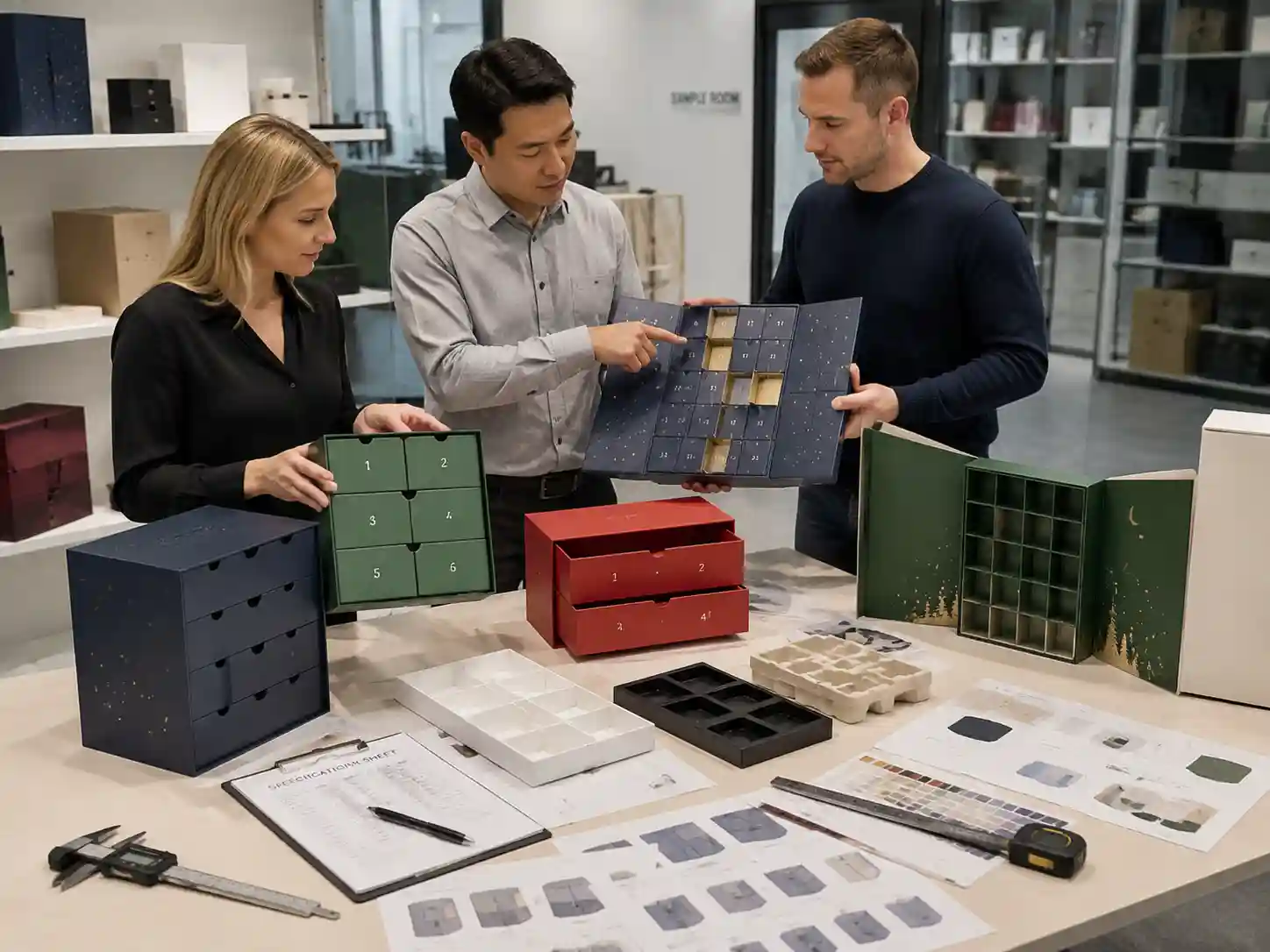
What should buyers decide before requesting an advent calendar box sample?
Before requesting a prototype, buyers should define the packaging application, product size, opening experience, and internal layout. These decisions directly affect the sample timeline because the supplier must create the correct dieline and production method.
Should you choose a rigid box, drawer box, door-opening box, or folding carton?
The box structure is one of the biggest factors affecting sample lead time. Each structure requires different engineering and assembly methods.
| Structure | Best For | Sample Considerations |
|---|---|---|
| Rigid box | Luxury gifts, cosmetics, premium seasonal sets | Requires greyboard thickness confirmation, wrapping material selection, and hand assembly checks |
| Drawer box | Products needing premium opening experience and repeated use | Requires accurate sliding tolerance and drawer strength testing |
| Door-opening box | Retail displays and storytelling layouts | Requires panel alignment, hinge testing, and opening performance checks |
| Folding carton | Cost-efficient retail packaging | Requires paperboard selection, folding accuracy, and print verification |
| Fold-out calendar | Large layouts with many compartments | Requires structural balance, folding lines, and shipping considerations |
For example, a cosmetic brand requesting a 24-compartment rigid advent calendar box with magnetic closure and EVA inserts will require more engineering work than a simple printed paperboard calendar with paper dividers.
How do inserts affect sample production time?
Insert design is one of the most important sampling factors because it determines whether products arrive safely and whether the calendar feels professional when opened.
Common insert options include:
- Paper inserts: suitable for lightweight products and cost-controlled packaging.
- PET trays: useful for transparent product visibility and precise positioning.
- EVA inserts: suitable for cosmetics, electronics, and delicate items requiring cushioning.
- Foam inserts: used for stronger protection and premium presentation.
- Molded pulp inserts: considered for sustainable packaging applications and protective structures.
A supplier normally needs the actual product dimensions or detailed measurements before creating insert samples. Small differences in product height, diameter, or weight can affect compartment depth and material selection.
Buyer tip: Send product samples, CAD drawings, or accurate measurements together with the RFQ. Waiting until after the box sample is completed to confirm insert fit can create additional sampling rounds.
What customization details influence advent calendar box sample lead time?
Customization decisions directly influence how many engineering steps are required before approval. Buyers should confirm materials, artwork, printing, and finishing before sample production starts.
- Material selection: Greyboard thickness, paperboard grade, wrapping paper, and specialty materials affect structure and appearance.
- Artwork preparation: Final dieline artwork must match folding lines, glue areas, windows, and opening directions.
- Printing method: CMYK printing is commonly used for full-color designs, while Pantone colors are often selected when exact brand color matching is important.
- Surface finishing: Options such as matte lamination, gloss lamination, foil stamping, embossing, and spot UV require additional production preparation.
The supplier may create a digital dieline proof first, followed by a physical prototype. This prevents costly mistakes before bulk manufacturing begins.
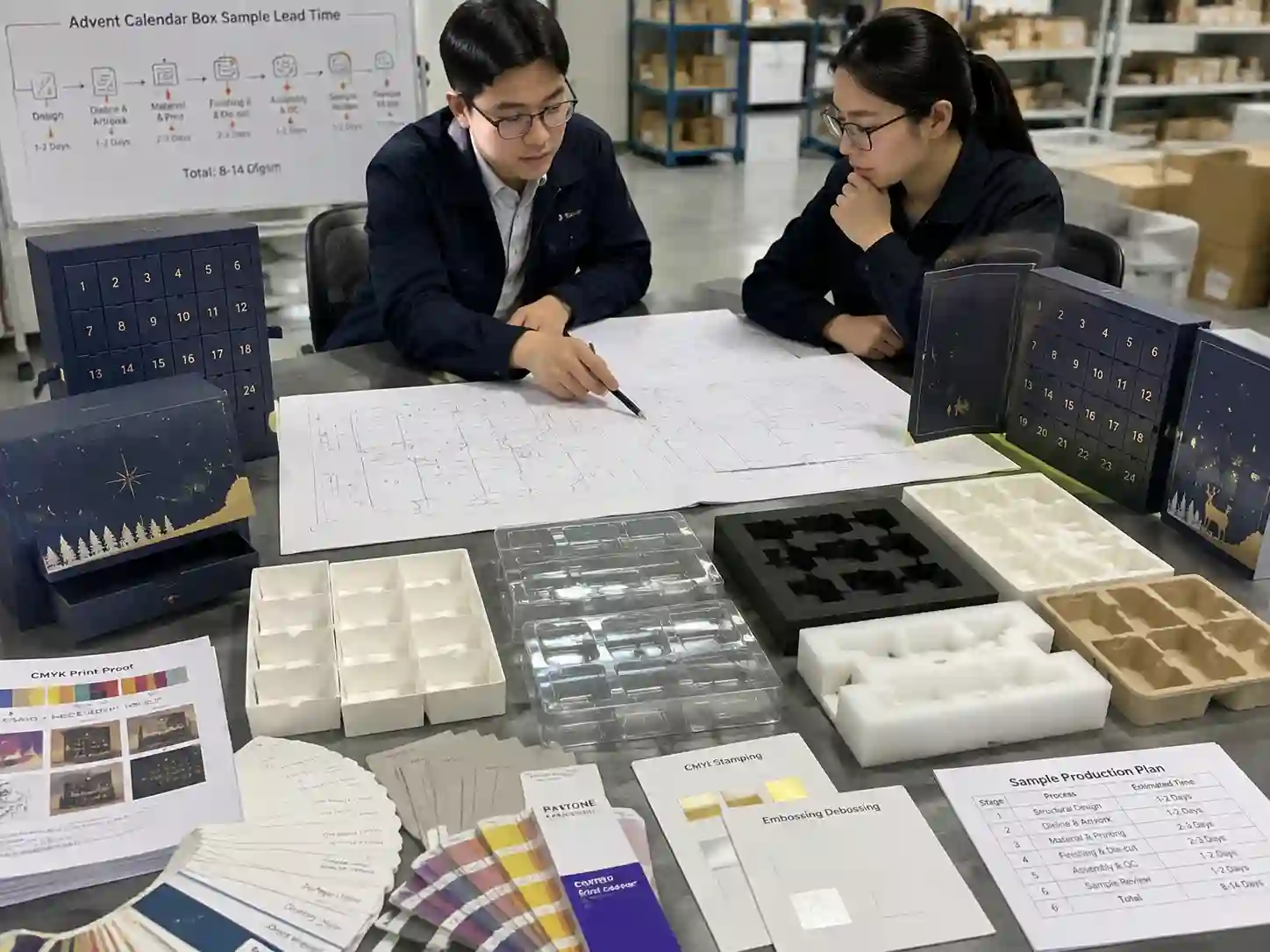
What is the sample process for custom advent calendar boxes?
A professional sampling process normally follows several controlled steps. Understanding these steps helps buyers evaluate suppliers and avoid unexpected delays.
- Requirement review: Supplier reviews dimensions, structure, quantity, materials, inserts, artwork, and target market requirements.
- Dieline development: Engineers create or adjust cutting templates based on the selected structure.
- Material confirmation: Paperboard, greyboard, inserts, and finishing materials are prepared.
- Prototype production: The sample is printed, cut, wrapped, assembled, and finished.
- Fit testing: Products, inserts, doors, drawers, and compartments are checked.
- Buyer approval: Feedback is collected before mass production.
- Pre-production confirmation: Approved samples become the reference standard for bulk production.
How should buyers compare suppliers for sample quality?
Buyers should not judge a packaging supplier only by sample appearance. A reliable supplier should demonstrate control over engineering, production communication, and quality inspection.
When comparing suppliers, check:
- Can the supplier recommend suitable structures based on product requirements?
- Can they provide accurate dieline and prototype support?
- Do they test inserts with actual product dimensions?
- Can they confirm printing and finishing before bulk production?
- Do they have a clear QC process after sampling?
- Can they explain MOQ, quotation details, and production timelines?
Giftpackpro provides custom advent calendar box services covering structure development, sampling support, material selection, and production coordination for overseas buyers.
What information should be prepared before requesting a quotation and sample?
A complete RFQ helps suppliers provide a more accurate quotation and realistic sample timeline. Buyers should prepare:
- Box style preference: rigid box, drawer box, door-opening box, folding carton, or fold-out structure.
- Finished box size and product dimensions.
- Number of compartments required.
- Insert type and protection requirements.
- Artwork files or design references.
- Printing requirements including CMYK or Pantone preferences.
- Finishing requirements such as foil stamping, embossing, or spot UV.
- Estimated order quantity and expected MOQ range.
- Target delivery date and export destination.
Factory tip: A detailed quotation request reduces repeated communication and allows the supplier to calculate material usage, sampling costs, production time, and export packing requirements more accurately.
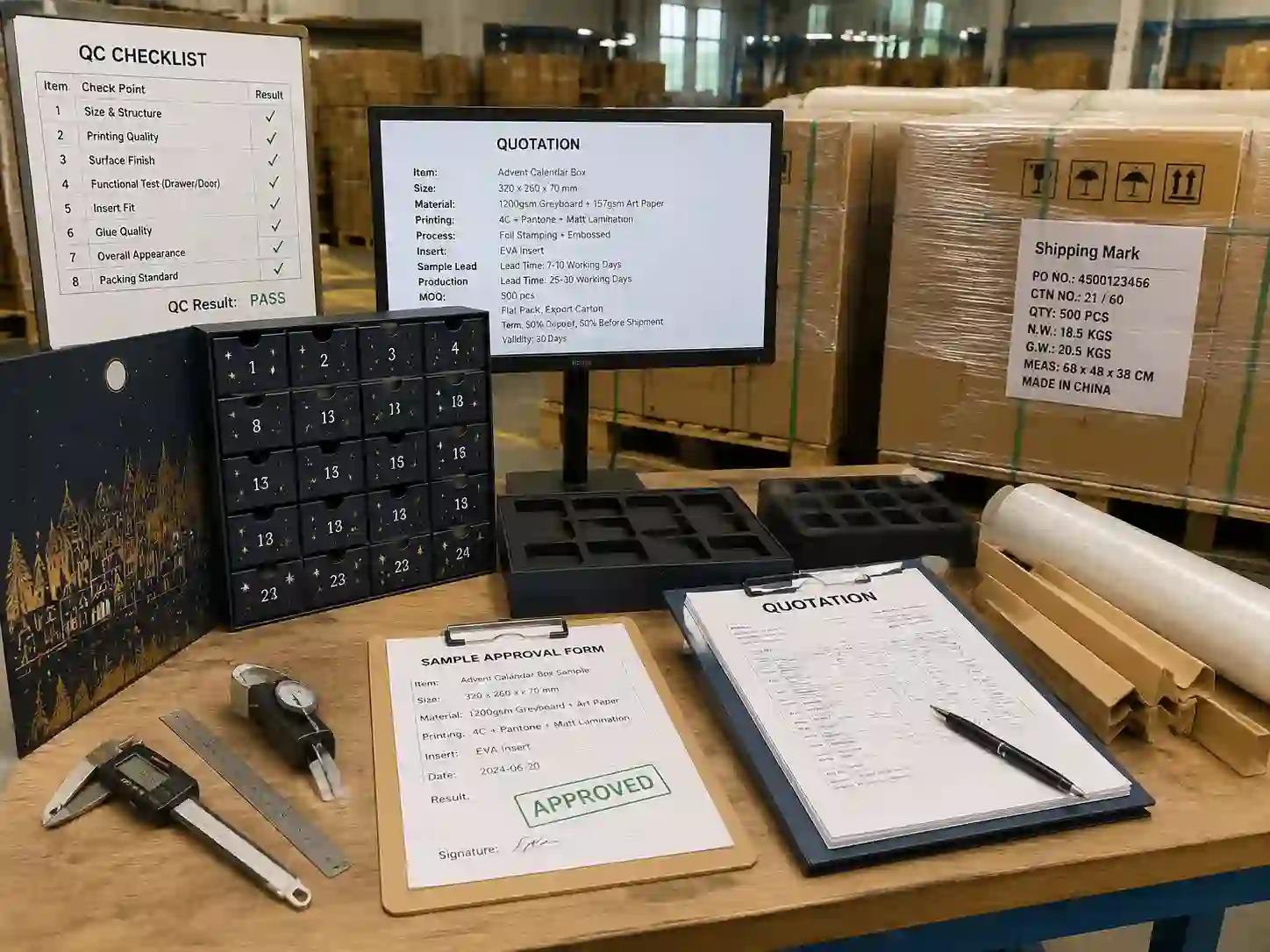
What QC checks should buyers complete before approving a sample?
Sample approval should verify both appearance and production feasibility. A good sample represents the standard expected during mass production.
- Check overall dimensions against approved specifications.
- Confirm drawer movement and door-opening performance.
- Check compartment size and insert fitting.
- Review print color consistency and finishing quality.
- Inspect glue strength, corners, edges, and alignment.
- Test whether the structure can survive normal handling and export packing.
For international shipments, buyers should also review how the final product will be protected using export cartons, corner protectors, pallet wrapping, and shipping marks.
External packaging and logistics requirements may vary by destination. Buyers can also review general supply chain and identification guidance from official sources such as GS1 standards when preparing shipment information.
What common mistakes delay advent calendar box sampling?
Most sample delays are caused by incomplete information rather than factory production speed.
- Changing the box structure after the dieline is completed.
- Approving artwork before confirming product dimensions.
- Requesting inserts without providing product measurements.
- Ignoring shipping volume and export packing requirements.
- Comparing suppliers only by sample price instead of engineering capability.
- Starting sampling too close to the retail launch deadline.
How can buyers reduce advent calendar box sample lead time?
Buyers can shorten the sampling process by preparing technical information early and making decisions in the correct order.
Practical checklist before sampling:
- ☐ Confirm box structure and opening style
- ☐ Confirm product size and compartment layout
- ☐ Prepare artwork and logo files
- ☐ Select materials and insert requirements
- ☐ Confirm printing and finishing expectations
- ☐ Define order quantity and target delivery date
- ☐ Review quotation and sample approval process
FAQ: Advent calendar box sample lead time questions
Can a supplier make an advent calendar box sample faster?
Yes, simple structures with confirmed specifications can often be sampled faster. Complex rigid structures, customized inserts, and special finishing require additional engineering time.
Is the sample the same as the mass production box?
The approved sample is the production reference, but mass production uses industrial processes and quality controls. Buyers should confirm tolerances, materials, and finishing standards before production starts.
Does a lower sample cost mean a better supplier?
Not necessarily. A professional supplier should provide clear information about sampling methods, materials, structure feasibility, and future production capability.
When should buyers request samples before a seasonal launch?
Buyers should request samples early enough to allow time for approval, revisions, bulk production, QC inspection, and export shipping preparation. Starting early reduces production risk during seasonal demand periods.
Request a custom advent calendar box sample from Giftpackpro
Before asking for a sample or quotation, prepare your box structure preference, product dimensions, insert requirements, artwork status, estimated quantity, and target delivery schedule. This allows the supplier to recommend the right packaging solution and provide a more accurate timeline.
Explore more custom advent calendar box products and learn from additional advent calendar box buying guides before making your sourcing decision. You can also contact the Giftpackpro packaging factory or request a custom quote with your project details for sample development support.