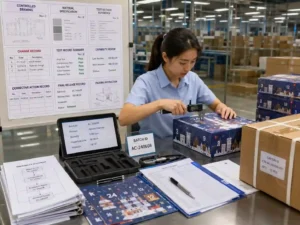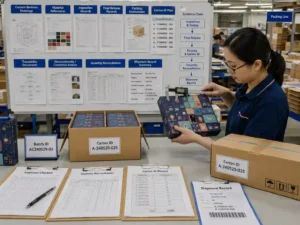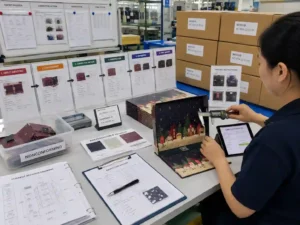
Quick answer: Craft kit advent calendar boxes are custom paper packaging systems designed to hold many small creative items, such as beads, yarn, stickers, clay packs, charms, washi tape, brushes, buttons, and thread cards, in numbered compartments for seasonal retail or e-commerce campaigns. Buyers should choose the box structure, insert material, compartment layout, paperboard strength, artwork, sample process, MOQ, QC method, and export packing based on the size, weight, fragility, and sequence of each craft item. The best project starts with a complete product list, target quantity, retail channel, artwork requirements, packing method, and quotation checklist.
For overseas brands, wholesalers, retail buyers, Amazon sellers, and gift companies, craft kit advent calendar boxes are not only decorative seasonal packaging. They are multi-SKU packaging projects that require engineering control. A single calendar may contain lightweight stickers, loose beads, thread cards, mini tools, clay packs, paper shapes, and fragile accessories. Each item must stay in the right compartment during assembly, shipping, warehousing, and final customer handling.
Giftpackpro works as a custom advent calendar boxes manufacturer for buyers who need practical custom packaging, not generic holiday decoration. This guide explains how to compare structures, inserts, printing, sampling, MOQ, QC, export packing, and quotation details before placing a bulk order.
What should buyers understand before choosing craft kit advent calendar boxes?
Buyers should understand that craft kit calendars combine product packaging, display packaging, and fulfillment control in one project. The packaging must protect many small items while also supporting numbered access, retail presentation, and efficient factory assembly.
Craft kits create more packaging complexity than single-product gift boxes because the contents are mixed. A paper sticker sheet needs flat protection. Beads need anti-mixing control. Yarn and thread need clean storage without snagging. Clay packs need pressure protection. Mini brushes or craft tools may require longer compartments. If the insert layout is wrong, the box may look fine in a photo but fail during packing or transit.
Buyer tip: Before discussing artwork, confirm the product list first. Structure decisions should follow product size, weight, order sequence, and assembly method, not only the visual style of the box.
Which box structure is best for craft kit advent calendar boxes?
The best structure depends on product weight, retail price level, display method, and packing budget. Door-opening boxes are common for lightweight craft items, while drawer boxes and rigid boxes are stronger for premium kits with heavier or mixed contents.
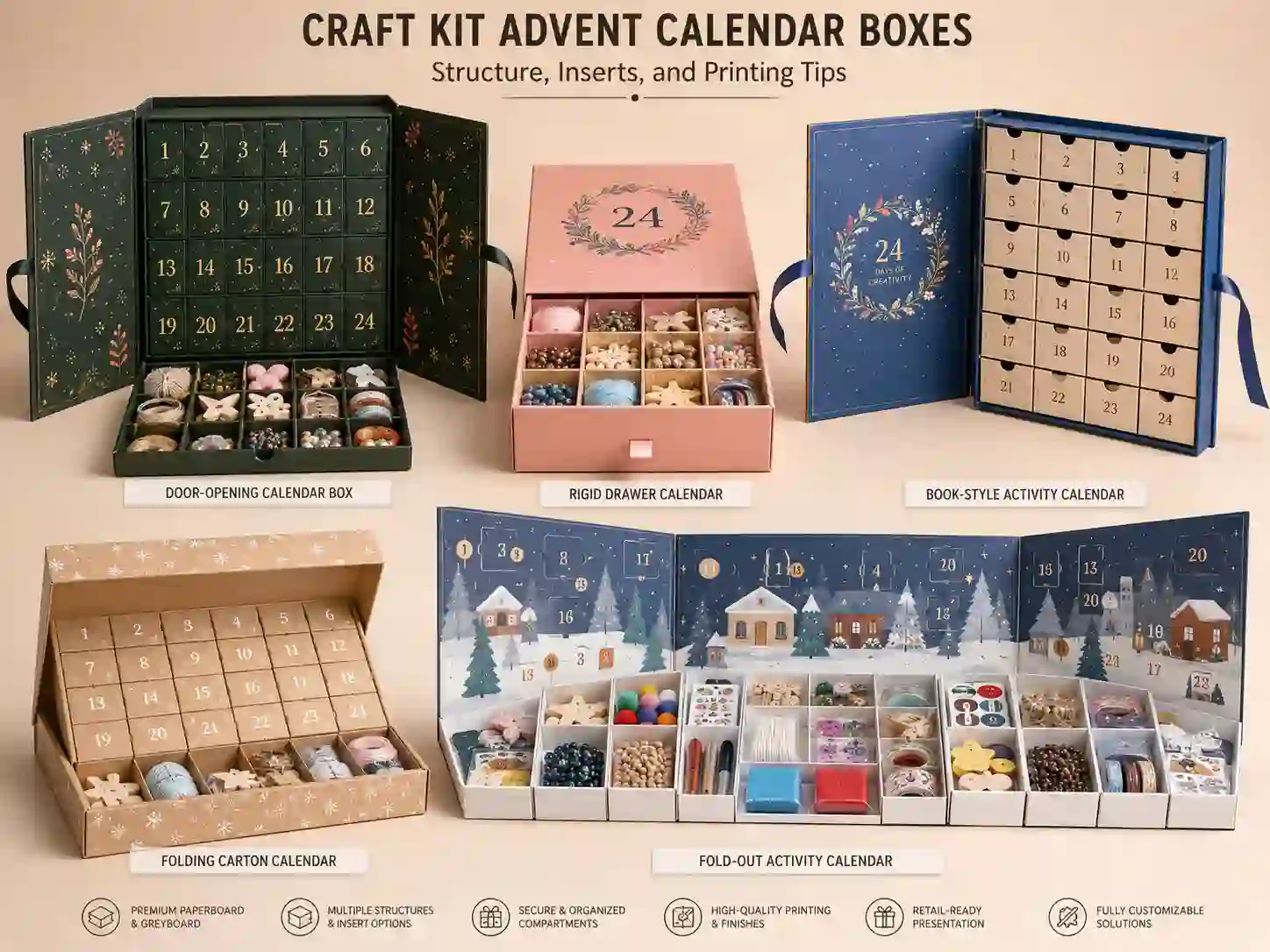
| Structure option | Best for | Key buyer advantage | Common risk to check |
|---|---|---|---|
| Door-opening box | Small beads, stickers, charms, paper shapes, washi tape, mini accessories | Classic numbered calendar experience with strong retail shelf appeal | Doors may tear if paperboard, cutting depth, or perforation strength is not tested |
| Rigid drawer box | Premium craft kits, heavier items, reusable storage concepts | Better hand feel, stronger structure, and smoother unboxing | Drawer tolerance must be tested so drawers do not jam or slide out during shipping |
| Book-style rigid box | Gift sets, brand campaigns, craft activity bundles | Premium display with a wide cover area for artwork and instructions | Magnetic closure, hinge strength, and insert alignment need sample approval |
| Folding carton calendar | Budget campaigns, lightweight kits, promotional quantities | Lower material cost and efficient flat packing | Limited strength for heavy contents and less premium appearance |
| Fold-out activity calendar | Creative kits with instructions, project steps, or activity cards | Useful for storytelling, tutorials, and sequential craft projects | Requires accurate dieline planning so folds, panels, and compartments align |
When should buyers choose a rigid box?
Choose a rigid box when the craft kit has a higher retail price, heavier contents, or a stronger gift positioning. Greyboard thickness, wrapped paper quality, hinge durability, and insert support should be reviewed during sampling.
Rigid craft kit calendars are suitable for premium bead kits, embroidery kits, DIY jewelry sets, and mixed craft collections. They offer better structural stability than a simple folding carton, but they also increase unit cost, production time, carton volume, and export freight. Buyers should compare the full landed cost, not only the box price.
When is a folding carton enough?
A folding carton can be enough when the kit contains lightweight items and the campaign needs cost control. It is often suitable for stickers, paper shapes, small thread cards, flat craft accessories, and simple promotional calendars.
The main limitation is strength. If the product includes clay packs, mini tools, bottles of glue, heavy buttons, or larger craft items, a folding carton may need stronger paperboard, reinforced inserts, or a different box format. Buyers should ask for a blank sample or white sample before approving the final structure.
How should inserts be designed for mixed craft kit contents?
Inserts should be designed around product fit, assembly speed, and anti-mixing control. The insert must prevent small items from moving into the wrong compartment while keeping the calendar easy to pack at scale.
For craft kits, the insert is often more important than the outer box. A beautiful cover cannot fix loose beads, bent stickers, crushed clay packs, or tangled thread. The supplier should request actual product samples or accurate size and weight data before confirming the insert layout.
Which insert materials work for craft kit advent calendars?
Paper inserts are common for lightweight products, PET trays help with shaped compartments, EVA and foam provide stronger cushioning, and molded pulp can support eco-oriented projects. The right choice depends on product weight, appearance, budget, and sustainability requirements.
- Paper insert: Good for stickers, cards, flat accessories, paper shapes, and lightweight items. It is cost-effective and easy to print or fold, but it may need reinforcement for heavy pieces.
- PET tray: Useful for beads, charms, small tools, washi tape, mini brushes, and products that need shaped cavities. Buyers should check tray thickness, clarity, and fit tolerance.
- EVA insert: Suitable for premium kits, sharper tools, small jars, or delicate items. It gives clean product placement but increases cost and may not fit every sustainability requirement.
- Foam insert: Good for cushioning fragile craft accessories. Buyers should confirm color, density, odor control, and compatibility with the product.
- Molded pulp insert: Useful for brands looking for a paper-based insert option. It needs careful tooling and may have looser visual tolerance than PET or EVA.
Factory tip: For beads, buttons, charms, and loose mini parts, do not rely only on compartment walls. Inner bags, small paper envelopes, or sealed sachets may be needed before the items are placed into the calendar.
What product-fit details are specific to craft kits?
Craft kit packaging must control small-part movement, product sequence, and material interaction. The insert should match each item’s shape and packing method, not just its largest outside dimension.
For example, yarn balls may compress slightly but can snag on rough die-cut edges. Mini brushes need length clearance and bristle protection. Clay packs should not be crushed by a tight drawer or heavy stacked cartons. Sticker sheets need flat compartments to avoid curling. Beads and charms may require inner polybags, paper sachets, or small boxes to prevent mixing. Thread cards should have enough clearance so the thread does not fray during insertion.
Assembly tolerance also matters. If a compartment is too tight, factory workers may slow down or damage the product during packing. If it is too loose, items may shift, rattle, or block the door-opening function.
How do artwork, dieline, and printing choices affect the final result?
Artwork should be built on the approved dieline, with numbering, cutting, folding, glue areas, and door positions checked before printing. For craft kit advent calendar boxes, artwork mistakes often happen around small doors, drawer fronts, and compartment numbering.
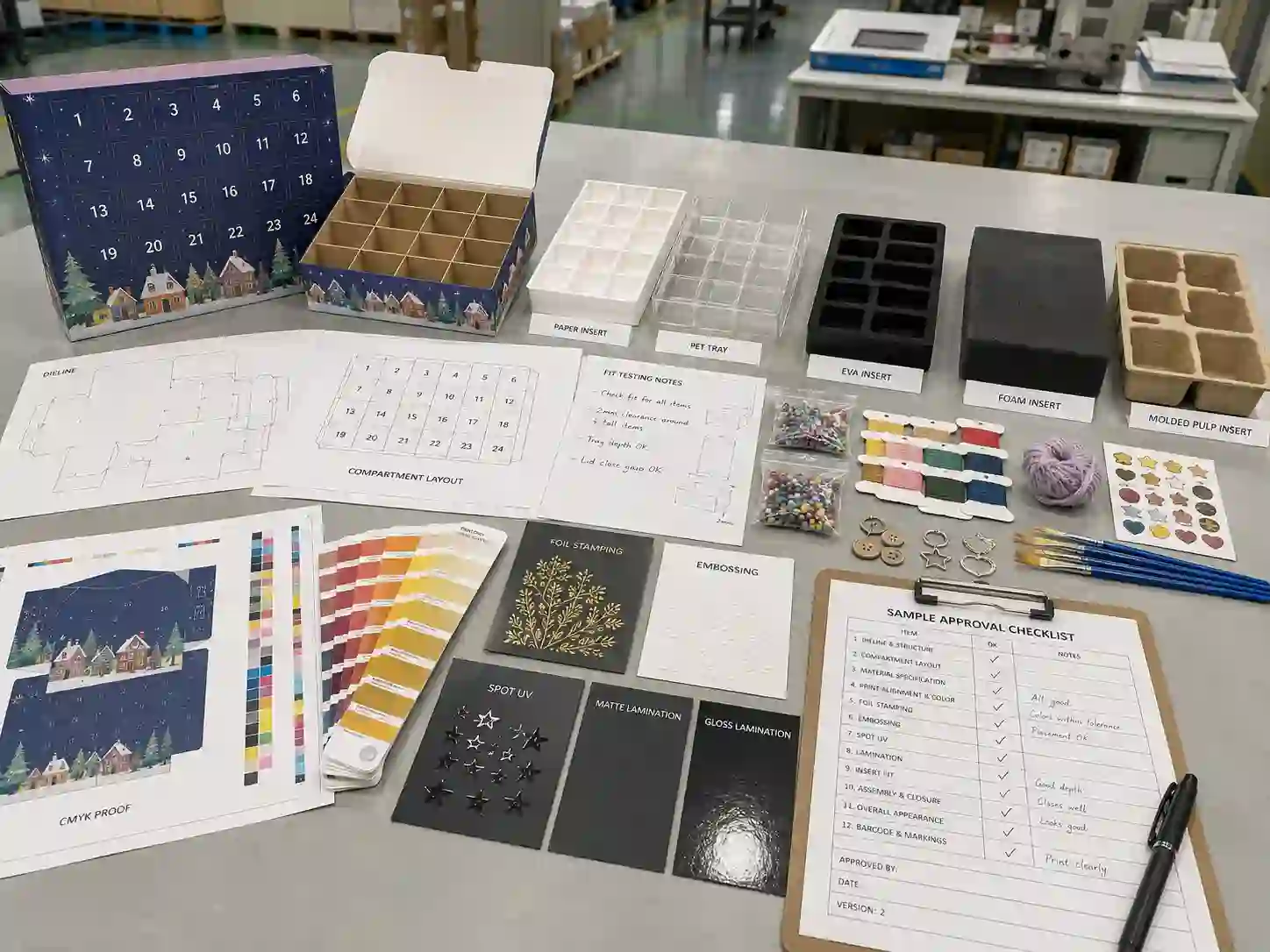
Buyers should prepare print-ready files only after the structure is confirmed. If the structure changes, the dieline changes. This can affect the position of numbers, illustrations, foil stamping, spot UV, barcodes, warning text, and product instructions.
What should be checked on the dieline?
The dieline must show cut lines, crease lines, glue areas, door openings, drawer positions, insert placement, and safe artwork zones. Buyers should review both the visual layout and the engineering details.
- Are all 12, 24, or custom-numbered compartments in the correct sequence?
- Do door cuts avoid important artwork, legal text, and barcode areas?
- Is there enough bleed around outer edges and door openings?
- Do drawer fronts align with the outer sleeve after assembly?
- Does the insert position match the compartment map?
- Are glue areas free from important graphics?
- Is there enough space for shipping marks or carton labels if needed?
Which printing and finishing options should buyers compare?
Buyers should compare CMYK, Pantone color matching, lamination, foil stamping, embossing, debossing, and spot UV based on brand positioning and production risk. Premium finishing can improve shelf impact, but each process adds cost, lead time, and sampling requirements.
CMYK printing is suitable for full-color graphics. Pantone color matching is useful when brand colors must be controlled more tightly. Matte lamination gives a soft retail appearance and can reduce glare. Gloss lamination creates stronger shine but may show fingerprints or scratches. Foil stamping can highlight numbers or logos, while embossing and spot UV add texture and contrast.
Buyer tip: If numbered doors are foil stamped, check registration tolerance carefully. Small misalignment is more visible on numbers, thin borders, and compartment labels than on large background artwork.
For paper sourcing and sustainability claims, buyers can review official information from the Forest Stewardship Council and verify what documentation a supplier can provide for the selected material. Do not assume a paperboard is certified unless the supplier can support the claim with project-specific documents.
What MOQ and cost drivers should buyers expect?
MOQ and cost depend on structure, size, material, insert type, printing, finishing, assembly labor, and export packing. A simple folding carton with paper inserts usually has a lower MOQ and unit cost than a rigid drawer box with PET trays, foil stamping, and hand assembly.
Craft kit calendars often require more labor than standard gift boxes because each compartment may contain a different item. Even when the buyer packs products at their own facility, the box supplier still needs to control structure production, insert accuracy, carton packing, and bulk consistency.
What usually increases the quotation?
The quotation increases when the packaging uses heavier greyboard, complex drawer structures, multiple insert layers, special finishing, strict color matching, individual inner packing, or assembled export packing. Buyers should separate “must-have” requirements from “nice-to-have” features before requesting pricing.
- Large box size or deep compartments
- Rigid box construction instead of folding carton
- Custom PET tray, EVA, foam, or molded pulp insert tooling
- Foil stamping, embossing, spot UV, matte lamination, or gloss lamination
- Multiple artwork versions or language versions
- Pre-production sample and repeated revisions
- Labor-intensive product loading or kitting
- Assembled shipping instead of flat packing
- Stronger export carton, corner protectors, pallet, or special packing method
Buyers can review custom advent calendar box products to compare structure types before deciding which features should be included in the RFQ.
How should buyers approve samples before mass production?
Buyers should approve samples in stages: blank structure sample, printed sample, insert-fit sample, and pre-production sample when needed. Sample approval should confirm not only appearance, but also function, strength, assembly, and product fit.
A blank sample helps confirm size, door opening, drawer movement, insert layout, and packing logic before paying for full printing or finishing. A printed sample checks color, artwork position, numbering, lamination, foil stamping, embossing, and overall brand appearance. A pre-production sample is useful when the order is large, the structure is complex, or multiple factories are involved in the product supply chain.
What should be included in a sample approval checklist?
A good sample approval checklist should cover structure, insert, artwork, printing, finishing, function, packing, and carton requirements. Buyers should approve the checklist in writing before mass production starts.
- Confirm finished box size, compartment count, and overall structure.
- Check each craft item against its assigned compartment.
- Test door opening, drawer sliding, book-style hinge, or fold-out function.
- Check paperboard or greyboard thickness and stiffness.
- Review CMYK or Pantone color proof under practical lighting.
- Check foil stamping, embossing, spot UV, matte lamination, or gloss lamination position.
- Confirm numbering sequence and artwork alignment with the dieline.
- Check barcode label area and required warning or product information space.
- Review inner packing method for beads, yarn, stickers, clay packs, and tools.
- Confirm export carton size, quantity per carton, shipping marks, and pallet requirements.
Factory tip: For complex craft kit advent calendar boxes, sample approval should include photos or videos of the door-opening test, drawer function test, insert-fit test, and carton packing method. This reduces misunderstanding between purchasing, design, and production teams.
What QC points matter most during production?
QC should focus on structural accuracy, insert fit, printing consistency, assembly tolerance, product placement, and export packing strength. For craft kit calendars, one wrong compartment or loose insert can create a customer complaint even if the outer box looks acceptable.
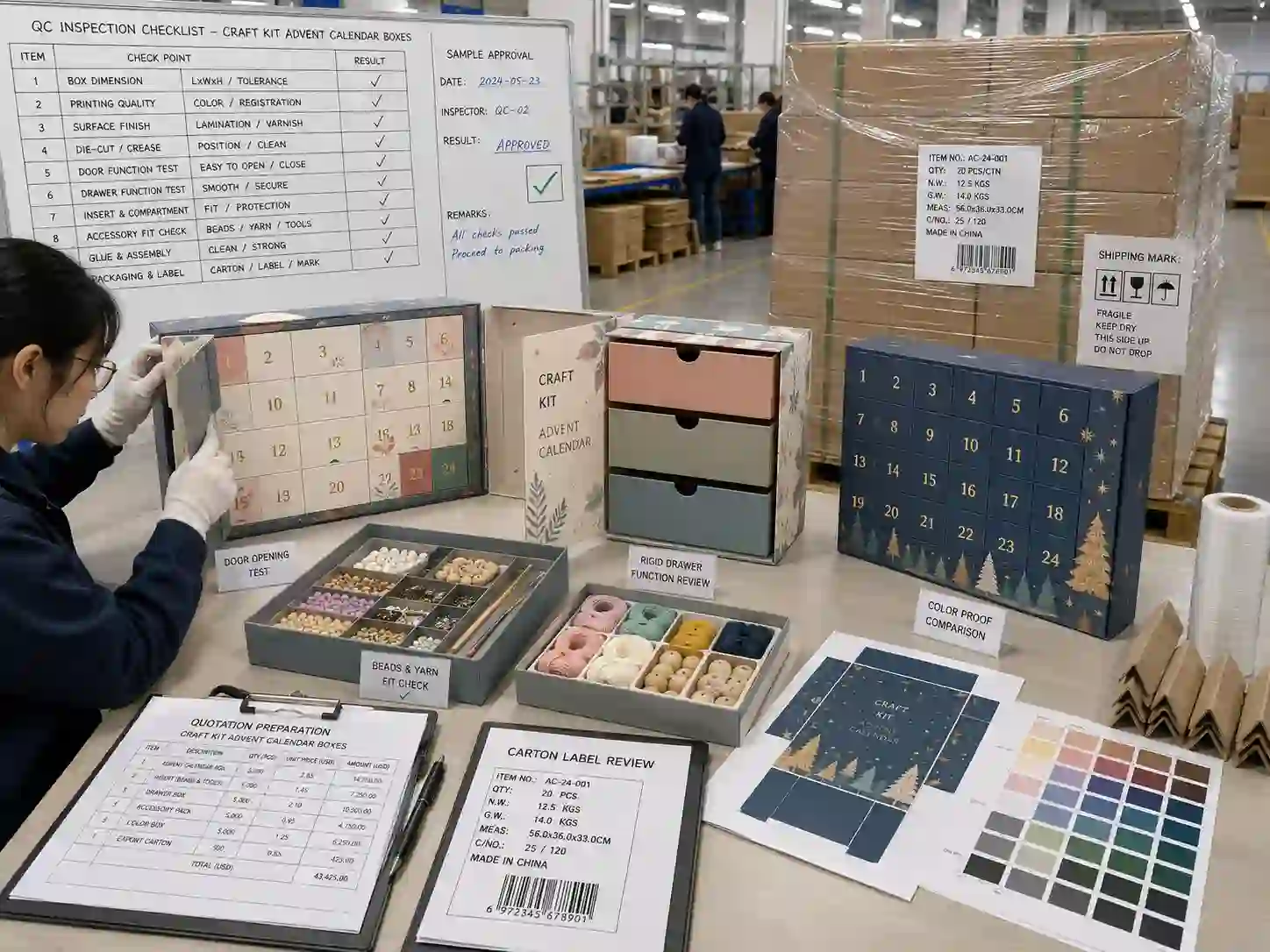
During mass production, inspection should happen at several points. Incoming material inspection checks paperboard, greyboard, printed sheets, PET trays, EVA, foam, or molded pulp inserts. In-process inspection checks die-cutting, folding, gluing, lamination, foil stamping, embossing, and assembly. Final inspection checks finished appearance, function, carton packing, shipping marks, and quantity.
Which defects are common in craft kit calendar production?
Common defects include misaligned door cuts, loose drawer fit, mixed compartment contents, weak glue, color variation, scratched lamination, crushed corners, and incorrect carton labeling. These defects can usually be reduced with correct dieline checking, sample approval, and clear QC standards.
- Doors are too hard to open or tear too easily.
- Drawers slide unevenly or fall out during handling.
- Beads, buttons, or charms move between compartments.
- Yarn, thread, or stickers are bent, caught, or damaged.
- Foil stamping or spot UV does not align with printed artwork.
- Outer cartons are too weak for stacked export packing.
- Shipping marks do not match the buyer’s warehouse requirements.
QC tip: Inspect the calendar both flat and upright. Some small craft items stay in place when the box lies flat but shift when the box is displayed vertically on a retail shelf or packed on a pallet.
How should export packing be planned for overseas shipment?
Export packing should be planned according to box structure, assembly status, carton strength, pallet method, and shipping route. A rigid assembled calendar needs different protection than a flat-packed folding carton calendar.
Buyers should decide whether the supplier ships flat boxes, assembled empty boxes, or fully packed gift sets. Flat packing can save freight volume, but it may move assembly labor to the buyer’s facility. Assembled packing protects the final shape but increases carton volume. Fully packed calendars require stricter compartment control and final inspection.
What should be included on shipping marks and carton labels?
Shipping marks should match the buyer’s logistics and warehouse requirements. Carton labels may need item number, PO number, carton quantity, gross weight, net weight, carton size, country of origin statement where applicable, barcode area, and handling marks.
For retail and e-commerce logistics, barcode standards and label placement may be important. Buyers can refer to GS1 barcode standards when planning barcode requirements, while confirming final label rules with their retailer, marketplace, or logistics provider.
Export cartons should be tested for stacking, corner protection, and moisture exposure risk. For premium rigid boxes, buyers may request corner protectors, inner dividers, outer master cartons, pallet wrap, and clear shipping marks. If the goods will be stored for months before a seasonal launch, carton strength and warehouse conditions should be considered early.
How should buyers compare suppliers for craft kit advent calendar boxes?
Buyers should compare suppliers by engineering ability, sample accuracy, communication speed, QC process, export experience, and quotation transparency. The lowest unit price is not always the best choice if the supplier cannot control inserts, dielines, assembly, and export packing.
A reliable supplier should ask detailed questions about product sizes, weights, compartment count, insert material, artwork files, target MOQ, sample expectations, packing method, and shipping requirements. If a supplier quotes quickly without asking about the product list or insert layout, the price may not reflect the real production requirement.
Supplier comparison decision guide
Use this decision guide to shortlist suppliers before paying sample fees or confirming bulk production.
| Decision point | Strong supplier response | Warning sign |
|---|---|---|
| Structure advice | Explains door-opening, drawer, rigid, folding carton, and insert options based on product weight and retail channel | Recommends one structure without asking about contents |
| Dieline support | Provides clear dieline with cut, crease, glue, door, and insert areas | Sends only a visual mockup with no production details |
| Sample process | Offers blank sample, printed sample, or pre-production sample depending on risk | Pushes mass production before fit testing |
| Insert engineering | Requests product dimensions, weights, and samples for fit testing | Uses one generic insert layout for all craft items |
| QC control | Checks printing, structure, function, insert fit, assembly, carton packing, and labels | Only checks outer appearance |
| Quotation clarity | Separates material, size, structure, insert, finishing, sample, packing, and shipping assumptions | Gives a vague price without specifications |
Buyers who need engineering support can review custom advent calendar box services or learn more about the Giftpackpro packaging factory before preparing a project brief.
What information should buyers prepare before requesting a quotation?
Buyers should prepare a complete RFQ package with product list, sizes, weights, quantity, structure preference, insert requirements, artwork needs, sample expectations, packing method, and delivery schedule. A clear RFQ helps the supplier quote faster and reduces later cost changes.
Practical RFQ checklist for craft kit advent calendar boxes
Use this checklist before asking Giftpackpro or any supplier for a quotation.
- Target box type: door-opening box, drawer box, rigid box, folding carton, book-style box, or fold-out calendar.
- Number of compartments: 12-day, 24-day, 25-day, or custom sequence.
- Complete craft product list: beads, yarn, stickers, washi tape, brushes, clay packs, charms, buttons, thread cards, paper shapes, tools, or other items.
- Product size and weight for every item.
- Whether products are packed loose, in sachets, in envelopes, in small boxes, or on cards.
- Preferred insert material: paper insert, PET tray, EVA insert, foam, molded pulp, or mixed insert.
- Artwork status: final artwork, design draft, brand guideline, or dieline request.
- Printing requirements: CMYK, Pantone, matte lamination, gloss lamination, foil stamping, embossing, debossing, or spot UV.
- Sample requirement: blank prototype, printed sample, insert-fit sample, or pre-production sample.
- Order quantity, target MOQ, and expected reorder plan.
- Packing method: flat packed, assembled empty, or fully packed gift set.
- Export carton requirements, pallet requirements, shipping marks, and barcode label area.
- Target delivery date, shipping destination, and required lead time.
For more purchasing topics, buyers can read the advent calendar box buying guides. When the project details are ready, send files and product data through request a custom quote.
What common mistakes should buyers avoid?
Buyers should avoid choosing packaging based only on appearance, requesting a quotation without product details, skipping insert testing, and approving mass production before checking a physical sample. These mistakes often create delays, cost changes, or quality complaints.
- Mistake 1: Starting with artwork before structure. If the dieline changes later, artwork may need to be rebuilt.
- Mistake 2: Using one compartment size for all items. Mixed craft kits need different cavity sizes and sometimes different inner packing.
- Mistake 3: Ignoring assembly labor. A beautiful design may be too slow or difficult to pack in mass production.
- Mistake 4: Choosing premium finishing without registration checks. Foil, embossing, and spot UV need tolerance review, especially around numbers and small doors.
- Mistake 5: Forgetting export carton strength. Seasonal packaging may sit in warehouses and containers for long periods before retail launch.
- Mistake 6: Comparing quotations without matching specifications. Two suppliers may quote different paperboard thickness, insert materials, packing methods, and sample assumptions.
Buyer tip: A fair supplier comparison requires the same dieline, same material target, same insert plan, same printing process, same packing method, and same quantity. Otherwise, the lowest price may simply reflect missing details.
FAQ: Common buyer questions about craft kit advent calendar boxes
Are craft kit advent calendar boxes suitable for heavy items?
Yes, but the structure and insert must be upgraded. Heavy craft items may need a rigid box, stronger greyboard, reinforced drawers, PET tray, EVA insert, foam insert, or reduced compartment depth to prevent deformation.
Can one calendar hold beads, yarn, stickers, and clay packs together?
Yes, but each item needs its own fit plan. Beads may need small bags, yarn needs snag-free space, stickers need flat protection, and clay packs need pressure control. Mixed contents should be tested with a physical sample.
Should buyers choose paper inserts or PET trays?
Paper inserts are good for lightweight and flat craft items. PET trays are better when shaped cavities and stronger item separation are needed. Some craft kit advent calendar boxes use both, depending on the product mix.
How early should buyers start a seasonal craft calendar project?
Buyers should start early enough to allow structure design, dieline approval, sample making, artwork proofing, revisions, mass production, QC, export packing, and international shipping. Complex rigid boxes or custom inserts need more planning time than simple folding cartons.
What is the difference between a sample and a pre-production sample?
A sample may confirm structure, artwork, or insert fit. A pre-production sample is made closer to final mass production conditions and is used as the approval standard before bulk manufacturing begins.
Can Giftpackpro help with structure and insert recommendations?
Yes. Giftpackpro can review product information, structure preferences, artwork needs, sample requirements, and packing goals to recommend practical custom advent calendar box solutions for B2B projects.
How should buyers move from idea to quotation?
To develop reliable craft kit advent calendar boxes, prepare the product list first, choose the structure based on product weight and retail channel, confirm the insert strategy, approve a dieline, test a sample, and then finalize printing, QC, export packing, and quotation details. This workflow gives purchasing teams a clearer price, fewer revisions, and better production control.
If you are planning a craft kit calendar for retail, e-commerce, wholesale, or a seasonal promotional campaign, prepare your product sizes, target quantity, artwork status, desired structure, insert preference, sample request, and delivery schedule. Then contact Giftpackpro to review structure options, sample planning, MOQ, lead time, export packing, and a custom quotation.