Paperboard Advent Calendar Boxes: Structure, Uses, and Buyer Tips
Paperboard advent calendar boxes are widely used for seasonal retail campaigns, gift launches, promotional kits, and multi-product sampling projects. For B2B buyers, the key is not only the outside artwork, but also the structure, insert fit, material choice, production tolerance, export packing, and quotation details.
This guide explains how brands, wholesalers, gift companies, and retail purchasing teams can plan paperboard advent calendar boxes for cosmetics, chocolate, candles, jewelry, toys, tea, coffee, beverages, and mixed gift sets.
Why Paperboard Advent Calendar Boxes Work for B2B Projects
Paperboard is popular because it supports printed branding, foldable structures, drawer systems, windows, dividers, and custom inserts. Compared with a simple gift carton, an advent calendar box usually needs better planning because every compartment must match a specific product size.
For buyers comparing suppliers, it helps to work with a custom advent calendar boxes manufacturer that can discuss structure, sample development, printing, bulk production, and export packaging in one process.
Common Structures for Paperboard Advent Calendar Boxes
The best structure depends on the product weight, display method, packing quantity, and retail price point. Some projects need a rigid outer shell with paperboard drawers, while others use folding paperboard for a lighter seasonal promotion.
Drawer-Style Advent Calendar Boxes
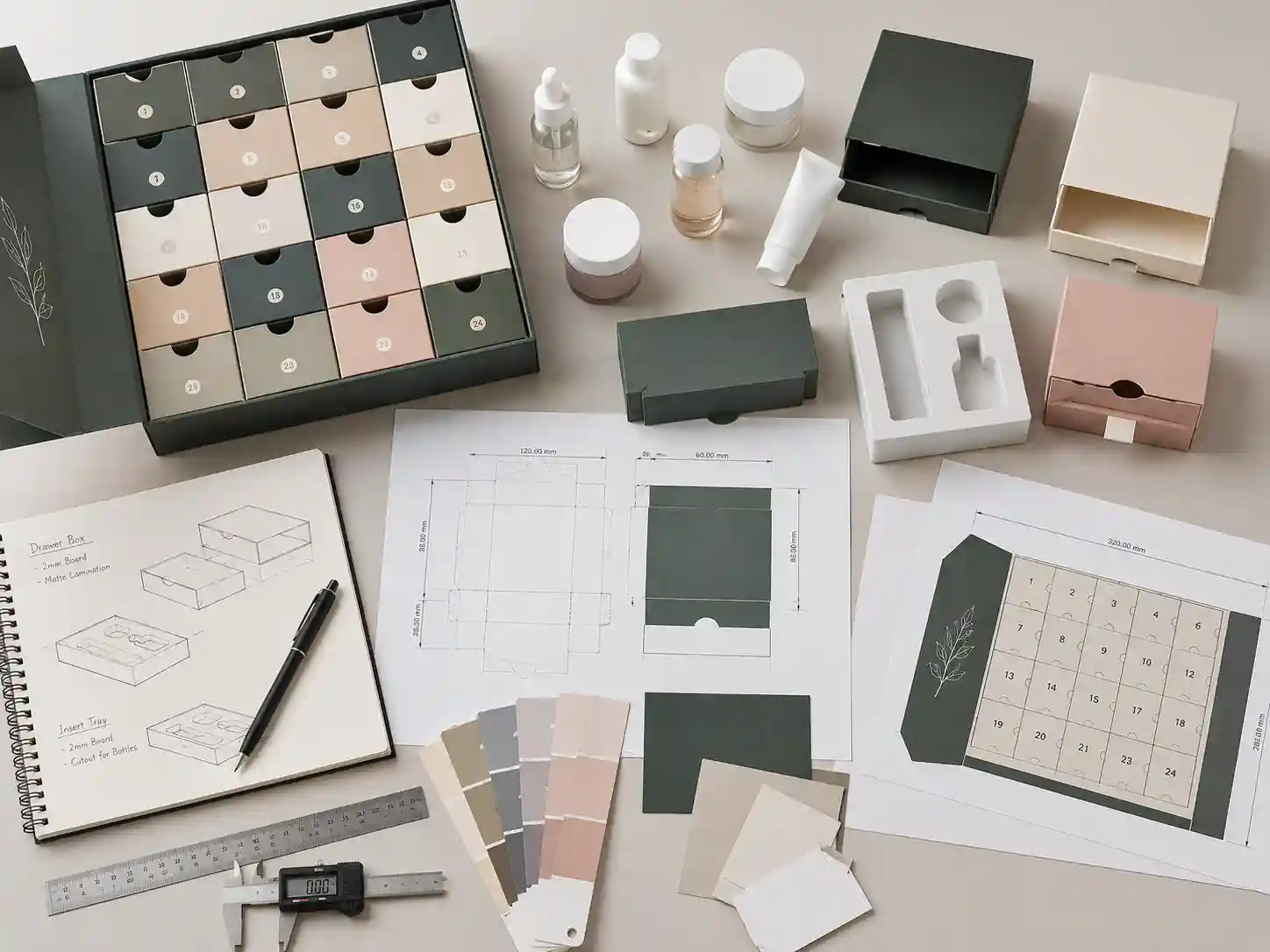
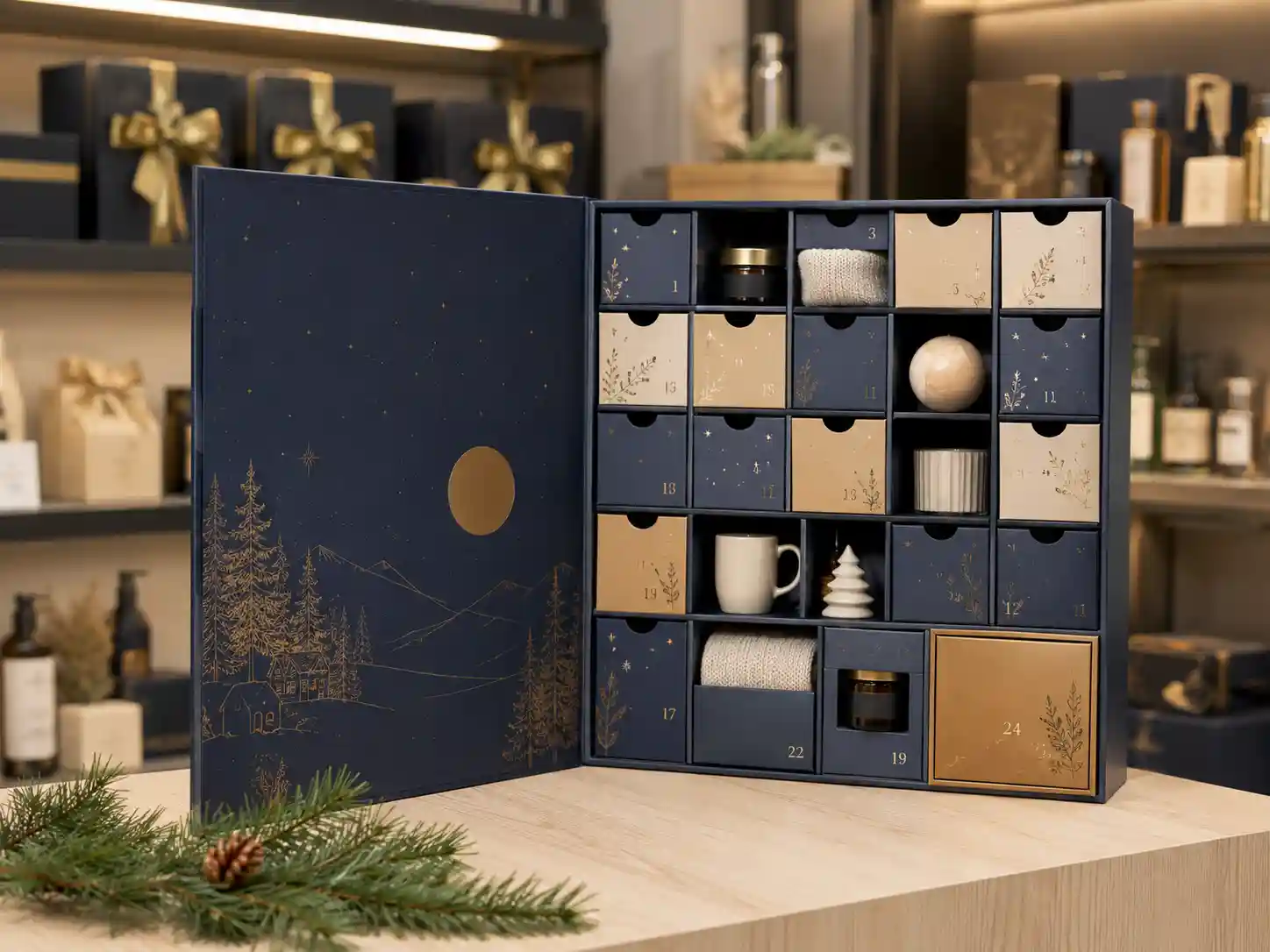
Drawer-style boxes are often used for cosmetics, skincare, jewelry, tea, coffee capsules, small candles, and premium gift items. Each drawer can hold one product, sample, or accessory. Buyers should confirm drawer clearance, pull-tab strength, and whether the box needs a sleeve, magnetic flap, or standing display angle.
Door-Opening Paperboard Calendars
Door-opening designs are common for chocolate, confectionery, toys, and lightweight promotional gifts. The front panel usually includes numbered doors, perforation lines, or die-cut windows. This structure requires careful artwork alignment because the door position must match the inner tray or compartment layout.
Book-Style and Double-Door Designs
Book-style calendars work well for premium beauty kits, candle sets, jewelry gifts, and corporate gift campaigns. The outer cover gives more space for brand presentation, while the inside layout can use drawers, trays, or molded inserts.
Industry Applications and Product Fit
Different product categories have different packaging risks. A good design should protect the product, support retail presentation, and keep the packing process practical for bulk production.
| Product Category | Recommended Structure | Buyer Tip |
|---|---|---|
| Cosmetics and skincare | Drawer box, book-style box, or rigid shell with paperboard inserts | Confirm bottle height, cap diameter, leakage risk, and product orientation before sampling. |
| Chocolate and confectionery | Door-opening paperboard calendar with food-safe inner tray or compartment system | Discuss food-contact material requirements and barrier needs early. |
| Candles | Rigid outer box with dividers or custom inserts | Check product weight, glass protection, and drop-test expectations for export cartons. |
| Jewelry and accessories | Small drawers, paperboard compartments, or velvet-style insert options | Use tighter compartments to reduce product movement during shipping. |
| Toys and novelty gifts | Door-opening calendar or mixed compartment layout | Plan compartment sizes according to the largest product, not the average product. |
| Tea, coffee, and beverages | Drawer box, sleeve box, or tray-based structure | Confirm sachet, capsule, can, or bottle dimensions and retail display direction. |
Customization Points Buyers Should Confirm
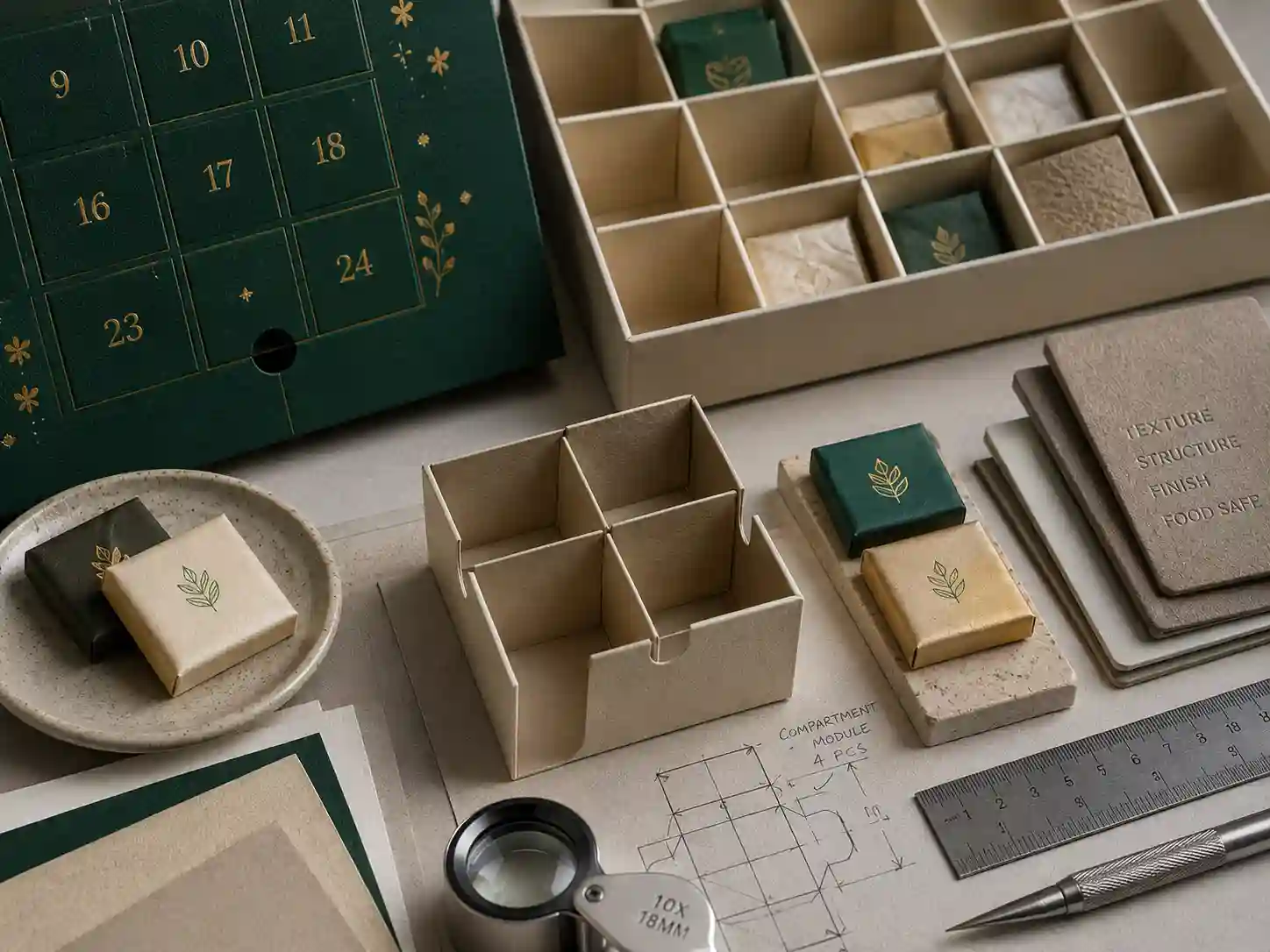
Customization should begin with product size, not artwork. The structure controls the number of compartments, insert material, carton size, assembly method, and unit cost. Giftpackpro can support buyers through custom advent calendar box services when the project requires structure development, artwork review, sample proofing, and bulk production planning.
Compartments and Inserts
Paperboard advent calendar boxes can use paperboard dividers, corrugated inserts, molded pulp trays, EVA, foam, or custom inner cards. For chocolate or food-related products, buyers should discuss food-contact requirements with their compliance team. Official guidance such as the European Commission’s food contact materials information can help buyers understand the type of compliance questions to prepare.
Printing and Finishing
Common options include CMYK printing, Pantone color matching, matte or gloss lamination, foil stamping, embossing, debossing, spot UV, and soft-touch coating. If the project is for retail shelves, buyers should request a printed sample or color proof before confirming mass production.
Artwork and Numbering Checks
Advent calendars often include 12, 24, or 25 numbered sections. The artwork team should check dieline position, door numbering, drawer direction, bleed area, text readability, and barcode placement. A small artwork error can affect the whole calendar structure.
Buyers can review more planning topics through advent calendar box buying guides, especially when comparing material choices, inserts, and seasonal launch schedules.
Sample Development and Bulk Production Planning
A sample is not only for appearance. It should test structure strength, product fit, opening experience, printing effect, and packing efficiency. For high-value product categories such as beauty, jewelry, candles, and premium food gifts, sample review is one of the most important steps before bulk orders.
What to Check in a Sample
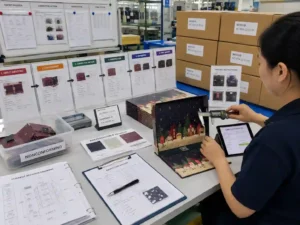
Check whether every item fits smoothly, whether drawers can open without friction, whether doors tear cleanly, whether inserts hold the product firmly, and whether the box can stand or display as intended. If the packaging will be shipped internationally, the outer carton and pallet method should also be discussed during the sample stage.
Buyers can browse custom advent calendar box products to compare common structures before confirming a new dieline.
MOQ and Lead Time
MOQ depends on structure, size, material, printing, finishing, and assembly complexity. Many custom paperboard advent calendar projects require a practical MOQ because printing plates, dielines, hand assembly, and packing setup all affect production cost.
Lead time should be planned backward from the retail launch date. Buyers should leave time for structure confirmation, artwork adjustment, sampling, sample approval, bulk production, quality inspection, export packing, and sea or air shipment.
Quality Control, Export Packing, and Quote Preparation
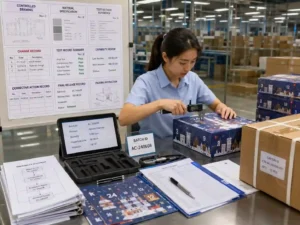
For B2B buyers, a successful advent calendar box project should arrive in good condition, match the approved sample, and be easy for the packing team or retail partner to handle. Quality control and export packing should not be treated as final details.
QC Points for Paperboard Advent Calendar Boxes
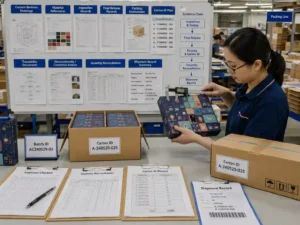
Common QC checks include paper thickness, printing color, lamination surface, foil position, glue strength, drawer movement, door perforation, insert fit, carton labeling, and random carton inspection. Buyers who need certified material can also review official sources such as FSC for responsible paper sourcing information.
Export Packing Details
Export packing should match product weight, destination, carton size, stacking method, and shipping route. For fragile products such as candles, glass bottles, or premium gift sets, buyers should ask for stronger inner protection and carton testing suggestions.
Information to Prepare Before Requesting a Quote
To get a faster and more accurate quotation, prepare the box size, product dimensions, product weight, number of compartments, material preference, printing requirements, finishing options, insert type, quantity, delivery country, packing method, and target launch date.
If the structure is not finalized, send product photos, rough dimensions, and a reference layout to the Giftpackpro packaging factory team. The factory can suggest a practical structure before sampling.
For new projects, buyers can request a custom quote with product dimensions and expected order quantity. For more complex seasonal programs, it is better to contact Giftpackpro early through request a custom quote so the structure, artwork, sample, and export packing plan can be reviewed before the peak season.
Final Buyer Tips
Paperboard advent calendar boxes are suitable for many industries, but each product category needs a different structure and insert plan. Cosmetics need stable bottle positioning. Chocolate may need food-safe planning. Candles need stronger protection. Jewelry needs tighter compartments. Tea, coffee, beverages, toys, and gift sets all require accurate sizing before sample development.
The safest approach is to confirm the product list first, then build the structure around the actual items. After that, buyers can review artwork, finishing, sample quality, packing method, MOQ, and lead time with a packaging partner that understands B2B seasonal projects.