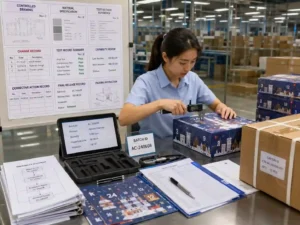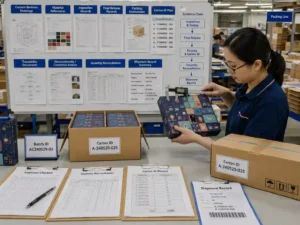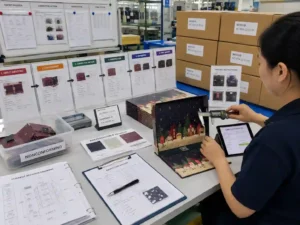
Building a strong seasonal packaging plan is not only about choosing a festive box style. For B2B buyers, seasonal packaging advent calendar boxes need to match retail shelf space, e-commerce gift set requirements, launch timing, promotional artwork, product inserts, bulk packing, and export schedules.
This guide is written for brands, wholesalers, gift companies, retail buyers, and purchasing teams that need to turn an advent calendar packaging idea into a practical production plan. If you are comparing suppliers, structures, samples, MOQ, lead time, or quotation details, a clear planning process helps reduce delays before the seasonal sales window begins.
Giftpackpro works with custom paper gift packaging projects where buyers often need structure planning, insert matching, artwork support, sample confirmation, mass production, quality control, and export packing. You can also review our advent calendar box buying guides for more sourcing topics before preparing a purchase brief.
Start with the Sales Channel Before Choosing the Box Structure
The first decision should not be color, artwork, or surface finish. The first decision should be where the advent calendar box will be sold or distributed. Retail shelf, e-commerce gift set, corporate promotion, subscription box, and seasonal launch campaigns each need different packaging priorities.
For retail, the box needs strong shelf presentation, clear front-facing artwork, barcode space, stable structure, and enough durability for handling in stores. For e-commerce, the box may need stronger outer protection, better insert holding, and export carton planning to reduce movement during shipping. For campaign gifting, the unboxing effect and product arrangement may matter more than shelf footprint.
Retail Shelf Planning
Retail buyers usually care about display impact, carton size, shelf efficiency, and whether the final packaging can survive repeated handling. A rigid advent calendar box may look premium, but it also affects carton quantity, freight volume, and warehouse storage.
If your project is for supermarket, department store, pharmacy, club store, or specialty retail, prepare the target shelf size early. This helps the factory suggest a realistic box format, such as book-style opening, drawer structure, two-door opening, magnetic closure, or paperboard door-opening design.
E-Commerce Gift Set Planning
For online sales, the advent calendar box often becomes both product packaging and gift packaging. Buyers should check whether the product will ship alone, inside a mailer, or inside a master carton with multiple units. If fragile items are included, the insert design becomes more important than decorative finish.
For example, a skincare advent calendar may need paperboard dividers or EVA insert depending on bottle weight and breakage risk. A candle advent calendar may need thicker board, tighter cavities, and stronger export packing. A stationery advent calendar may use lighter inner trays if the items are small and less fragile.
Seasonal Launch and Promotional Campaign Planning
Promotional campaigns often require fast decision-making because launch dates are fixed. Packaging teams should confirm campaign quantity, artwork language versions, sample deadline, mass production deadline, and shipping destination before requesting a quotation.
If you are still comparing formats, browse custom advent calendar box products to understand common structure directions before contacting a supplier. If your campaign already has a rough brief, you can request a custom quote with product size, quantity, artwork needs, and delivery schedule.
Match Box Structure with Product Type and Campaign Goal
A good structure should protect the product, support the marketing message, and remain realistic for bulk production. Overly complex structures may look attractive in a concept drawing but create problems in sample approval, assembly time, MOQ, and export packing.
For seasonal packaging advent calendar boxes, the most common structure decisions include opening style, number of compartments, insert material, board thickness, closure method, and final carton packing method.
Common Structure Options
Door-opening paperboard calendars are often used for lightweight products, candy-style items, samples, small gifts, or promotional goods. They can be cost-effective for larger seasonal campaigns when the product weight is controlled.
Drawer advent calendar boxes are useful for premium gift sets because each compartment feels more structured. They are suitable for cosmetics, candles, tea, jewelry, fragrance samples, and mixed gift items, but the quotation should include drawer quantity, drawer size, paper thickness, and assembly method.
Book-style or double-door rigid boxes work well for premium launches and brand campaigns. They offer strong presentation value but usually require more material, longer sample development, and more careful export packing.
Flat-pack or semi-assembled structures may help reduce freight volume, but they need clear assembly instructions and store-side handling consideration. Buyers should check whether the final user, retailer, or warehouse team will assemble the boxes.
Plan Inserts Around Real Products, Not Only a Dieline
The insert is one of the most important parts of an advent calendar box project. It controls product position, opening experience, damage risk, and the overall premium feeling of the packaging.
Before sample development, prepare product dimensions, weight, material, and quantity for each compartment. If the product set includes different item sizes, the factory may need a custom insert layout instead of repeating the same cavity size.
Insert Materials to Compare
Paperboard inserts are common for lightweight products and projects that need a paper-based solution. Corrugated inserts can add strength for heavier items. EVA or foam inserts may be selected for fragile or premium products, but buyers should check market requirements and sustainability expectations.
If your brand needs responsible paper sourcing, you can review general information from the Forest Stewardship Council. For EU-market packaging projects, buyers may also need to follow updated packaging and recycling requirements from official sources such as the European Commission packaging waste page.
Build the Artwork and Customization Process Early
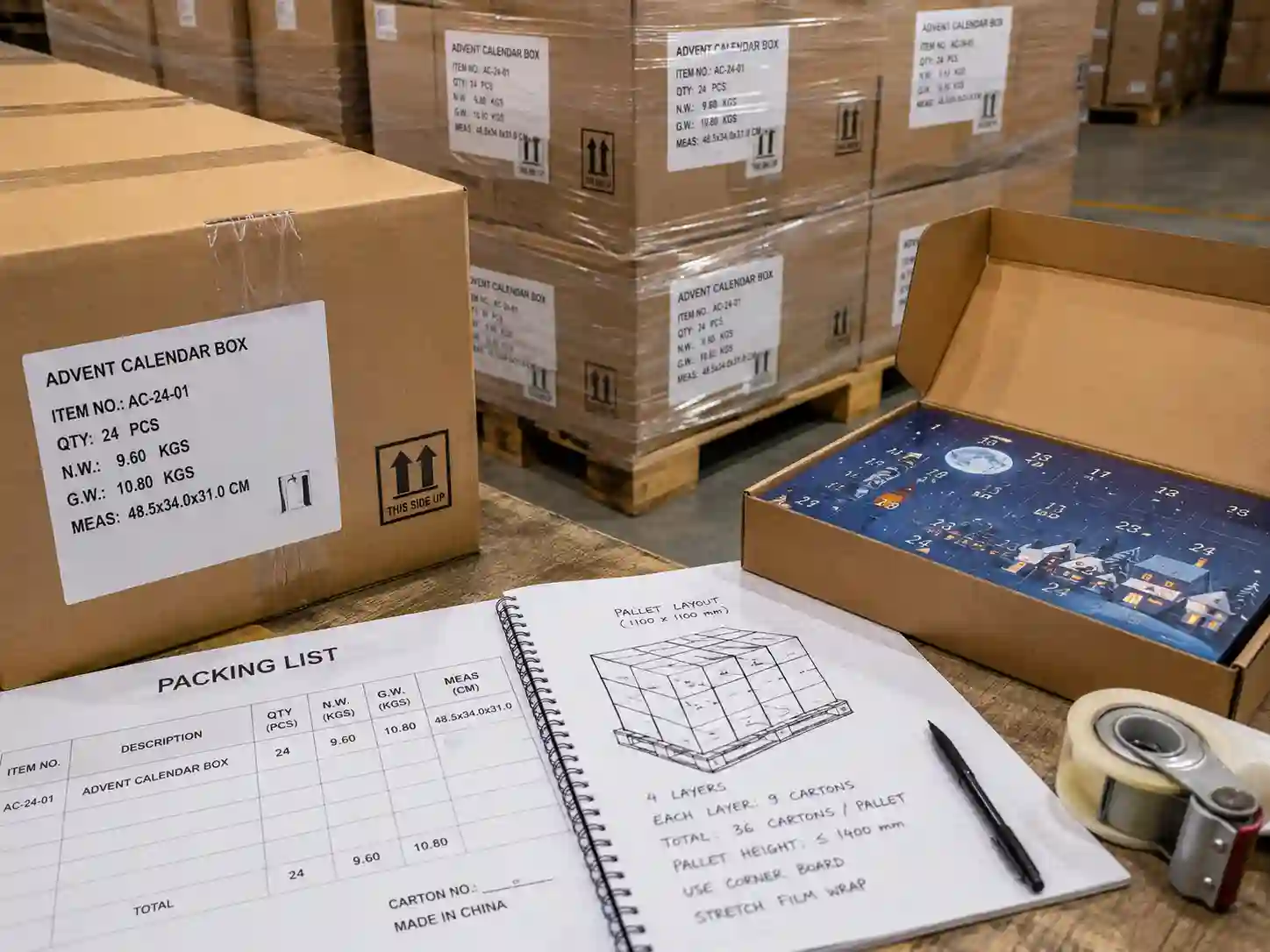
Seasonal packaging has a short selling window, so artwork delay is one of the most common project risks. Buyers should avoid waiting until the structure sample is finished before starting artwork planning. The structure, dieline, printing method, surface finish, and barcode area should be discussed together.
Artwork Details Buyers Should Prepare
Prepare logo files, brand color references, product names, warning text, barcode position, language versions, retail marks, and any required compliance text. If the packaging will be sold in different markets, confirm whether the same artwork can be used or whether separate versions are needed.
For custom projects, Giftpackpro can support structure planning and artwork coordination through custom advent calendar box services. This is useful when buyers need to connect product size, insert layout, printing area, sample proofing, and final production details.
Surface Finish and Cost Control
Common finish options include matte lamination, gloss lamination, spot UV, foil stamping, embossing, debossing, and textured paper. These finishes can improve presentation, but they also affect cost, lead time, sample approval, and production stability.
For a retail promotion, a clean printed design with selective foil may be enough. For a luxury gift launch, rigid structure with premium paper and special finish may be suitable. For large-volume wholesale seasonal packaging, buyers may prefer a simpler finish to control unit cost and production speed.
Use a Planning Table Before Requesting Quotes
A clear quote request helps suppliers respond faster and more accurately. If the brief is too general, suppliers may quote based on assumptions, which makes comparison difficult. Buyers should provide structure, size, material direction, printing requirement, insert details, quantity, packing method, and target delivery date.
| Planning Item | What to Confirm | Why It Matters |
|---|---|---|
| Sales Channel | Retail shelf, e-commerce, gift campaign, wholesale, or subscription box | Controls structure, strength, display face, and packing method |
| Product Set | Number of items, size, weight, fragility, and layout sequence | Determines insert design, cavity size, and material choice |
| Box Structure | Drawer, door-opening, book-style, double-door, rigid, or paperboard | Affects cost, sample time, production method, and carton volume |
| Artwork | Dieline, logo, colors, barcode, text, language version, and finish | Prevents proofing delays and repeated artwork revisions |
| Quantity and MOQ | Trial order, campaign order, or repeat seasonal order | Helps calculate unit cost, tooling, material purchase, and production schedule |
| Export Packing | Inner packing, master carton, carton label, pallet plan, and shipping mark | Reduces warehouse confusion and improves international shipping preparation |
Plan MOQ, Sampling, and Lead Time Around the Seasonal Calendar
Seasonal campaigns cannot be handled like ordinary packaging orders because the sales window is fixed. If packaging arrives late, the campaign may miss retail setup, warehouse intake, influencer seeding, or online launch dates.
For custom advent calendar boxes, buyers should plan backward from the required in-warehouse date. Include time for structure discussion, quotation, sample production, sample shipping, sample approval, artwork proofing, bulk production, quality inspection, export packing, and international transport.
Practical Timeline Example
For a November retail launch, many buyers should begin structure and quotation discussions several months earlier. A premium rigid advent calendar with custom inserts, special finish, and export packing may need more planning time than a simple paperboard calendar.
A basic planning flow may look like this: product confirmation, structure proposal, quotation, dieline, artwork, sample, revision, bulk production, QC, packing, shipping, and warehouse delivery. If you need help comparing options, the custom advent calendar box services page is a practical starting point.
Connect Bulk Production with QC and Export Packing
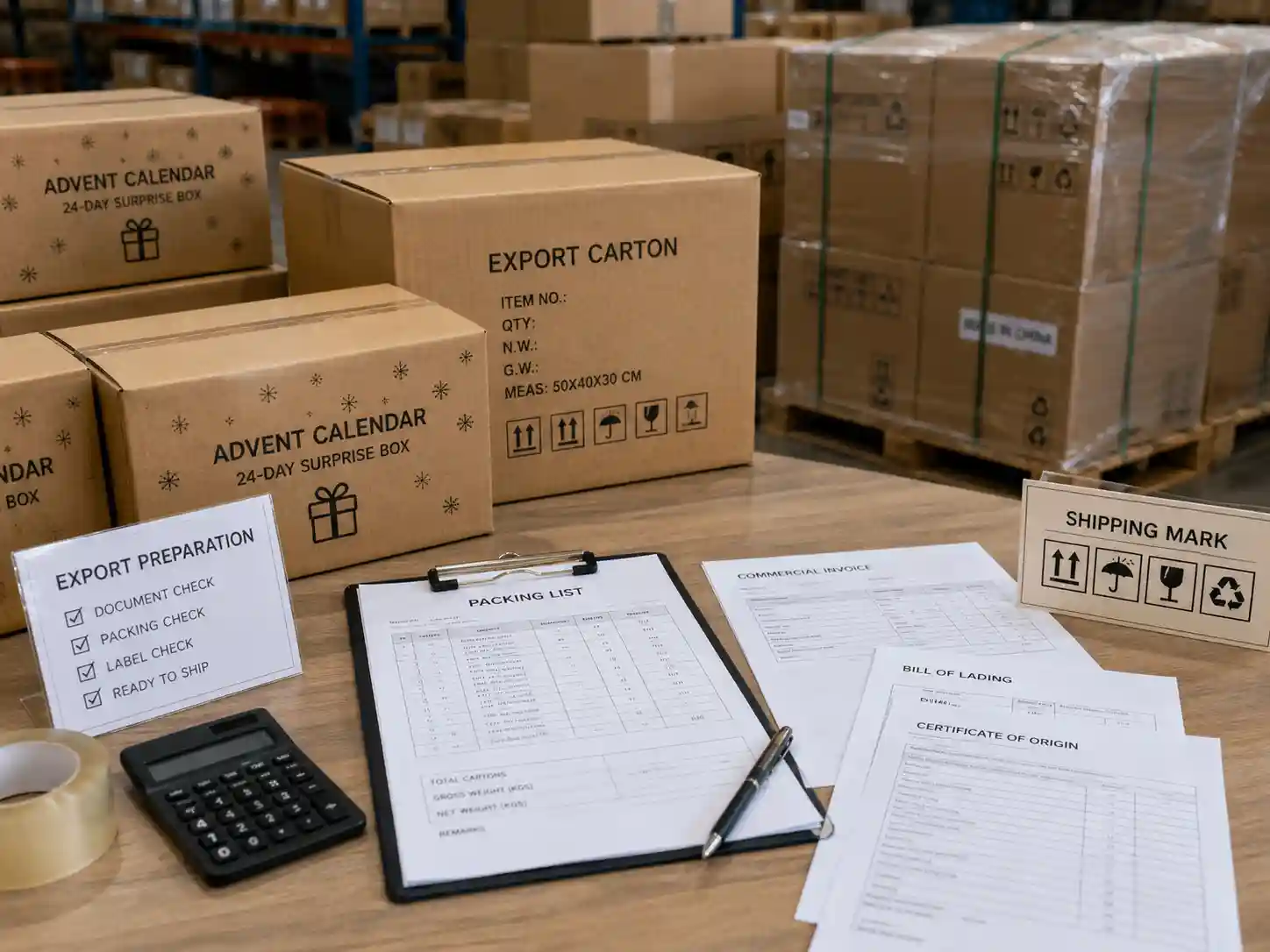
Quality control should not only check printing color. For advent calendar packaging, inspection should include structure strength, insert fit, drawer movement, door opening, glue position, surface finish, carton packing, and shipping label details.
QC Points for Advent Calendar Box Orders
Buyers should confirm approved sample references before bulk production. The factory should check paper material, color tolerance, print alignment, lamination, foil position, die-cutting accuracy, folding lines, drawer fit, compartment size, and final packing condition.
If the project includes small items or fragile products, insert fit should be tested with real product samples. Empty-box approval is not enough for many seasonal gift sets because the product weight may change how the box opens, closes, or ships.
Export Packing Details
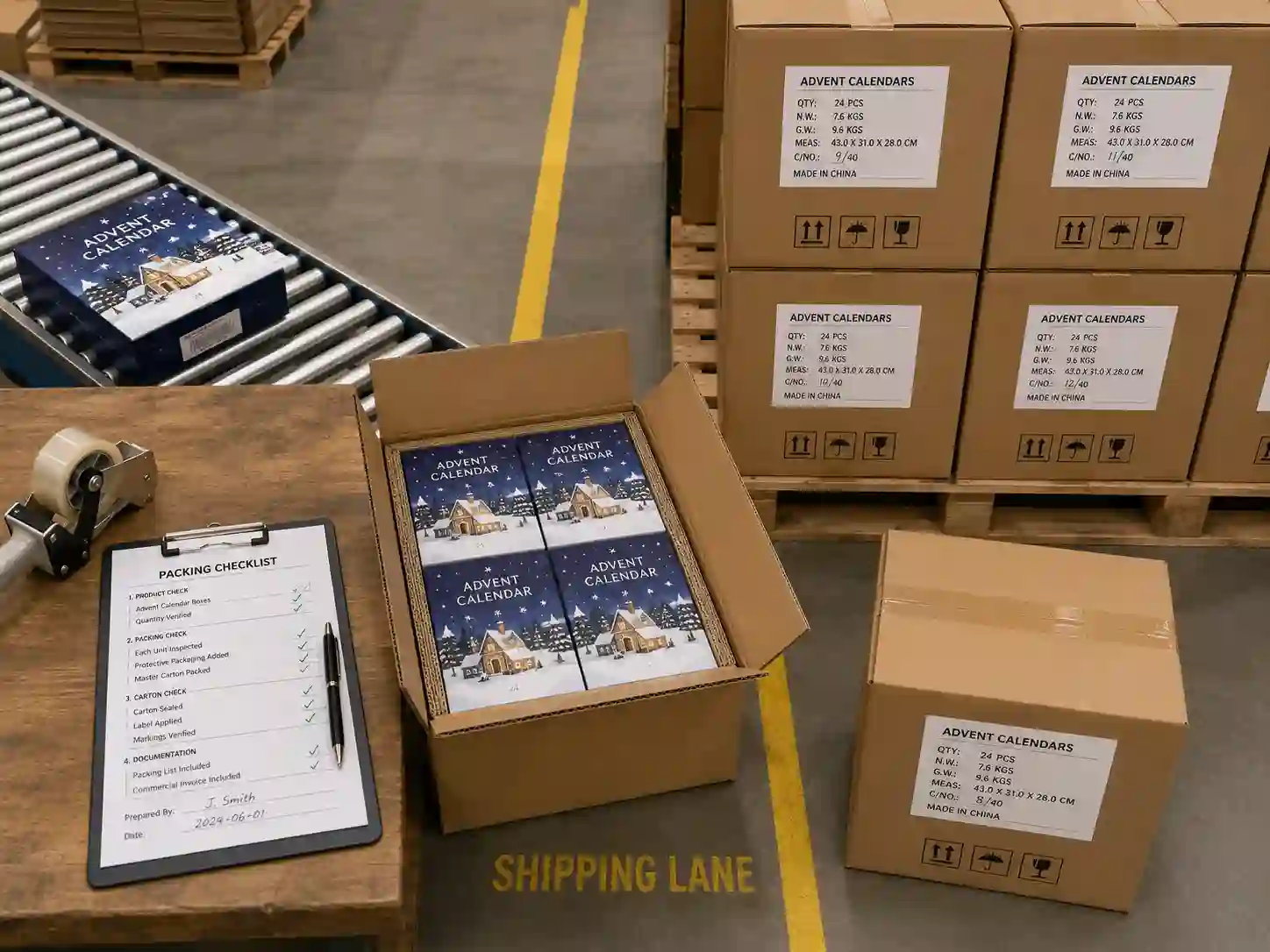
For overseas orders, export packing should include master carton size, unit quantity per carton, gross weight, net weight, carton label, packing list, pallet requirement, and shipping mark. If the buyer has warehouse routing rules, those details should be shared before production starts.
Giftpackpro can support buyers who need communication between product packaging, carton packing, and shipment preparation through the Giftpackpro packaging factory team. For buyers comparing suppliers, this production and packing visibility can be as important as the unit price.
Prepare a Strong Quote Request
A strong quotation request should give the supplier enough information to calculate material, printing, insert, labor, packing, and export carton requirements. The more complete the brief, the easier it is to compare suppliers fairly.
Information to Include in Your RFQ
Include the target box size, product list, product weight, number of compartments, preferred structure, insert material, printing colors, surface finish, order quantity, destination country, packing requirements, and target delivery date.
If you have a reference image, share it as a structure direction, not as a request to copy another brand. Also mention whether you need a prototype sample, pre-production sample, or only mass production after dieline confirmation.
For faster support, buyers can request a custom quote and include product dimensions, target quantity, artwork status, and delivery schedule. If you are still researching, visit the custom advent calendar boxes manufacturer page to understand the general supplier positioning.
Common B2B Planning Examples
Example 1: Skincare Brand Seasonal Gift Set
A skincare brand may need 12 or 24 compartments for bottles, tubes, masks, and sample products. The packaging plan should focus on insert fit, premium appearance, product protection, and e-commerce shipping strength. A rigid drawer structure may work, but the buyer should check carton volume and product loading before confirming.
Example 2: Tea or Coffee Seasonal Promotion
A tea or coffee campaign may need lightweight compartments, clear product sequence, and strong printed storytelling on the outer box. If the product is not fragile, a paperboard calendar may control cost better than a heavy rigid box. The buyer should still confirm moisture protection, carton packing, and labeling.
Example 3: Retail Gift Company Wholesale Program
A gift company supplying multiple retailers may need one base structure with several artwork versions. In this case, the buyer should ask whether the factory can manage version control, carton labels, SKU separation, and packing list accuracy. This is especially important when the same box structure is used for different retail accounts.
Final Checklist Before Confirming Production
Before mass production, confirm the final dieline, approved sample, artwork proof, material, insert layout, surface finish, MOQ, unit price, payment terms, production lead time, carton packing, and delivery requirement. A written checklist helps prevent misunderstandings between purchasing, design, logistics, and the factory.
The best seasonal packaging advent calendar boxes are planned around the full campaign, not only the box appearance. When retail setup, e-commerce shipping, product inserts, artwork, QC, and export packing are considered early, buyers can make better decisions and reduce last-minute changes.
To continue planning, review more advent calendar box buying guides, compare custom advent calendar box products, or contact Giftpackpro to request a custom quote for your next seasonal packaging project.