24-Drawer Calendars
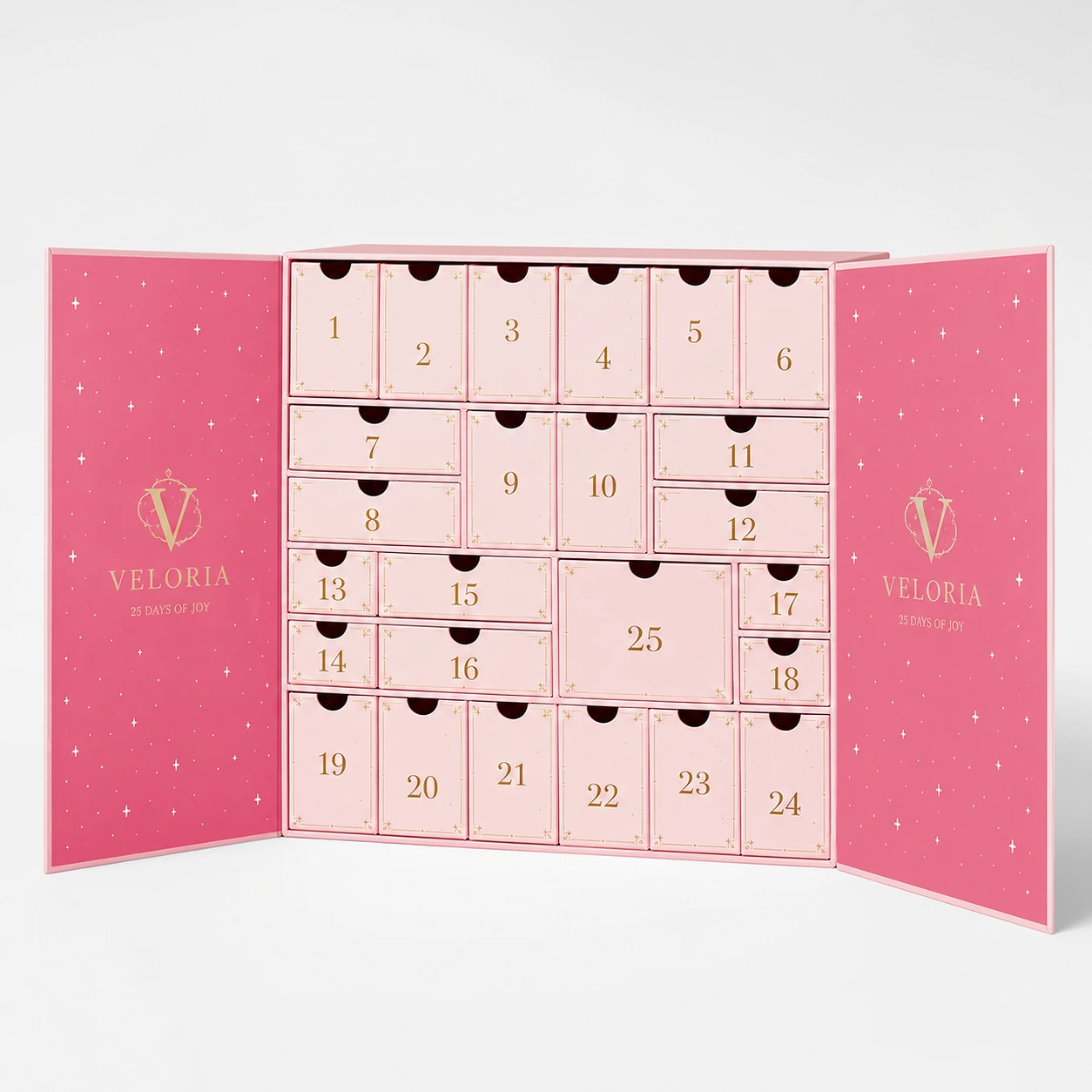
Individual pull-out drawers give each day its own opening. Plan drawer depth, finger notches or ribbon pulls around the item inside, then review the loaded drawers in the complete cabinet.
Discuss This Structure
Choose the opening experience
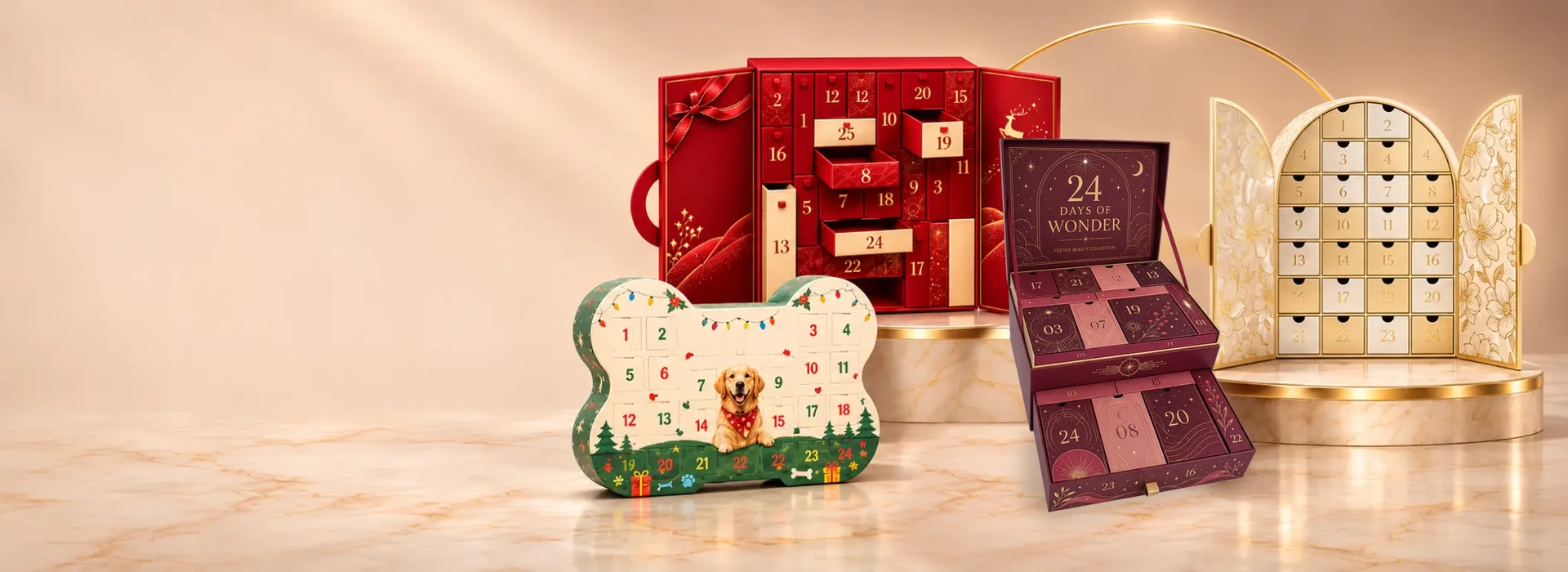
Start with how the calendar opens, then choose how each product is held. A book-style or double-door cover can be combined with drawers or individual inner cartons. Structure references are shown; your 24-position layout and numbering are finalized on a sample.
Individual pull-out drawers give each day its own opening. Plan drawer depth, finger notches or ribbon pulls around the item inside, then review the loaded drawers in the complete cabinet.
Discuss This Structure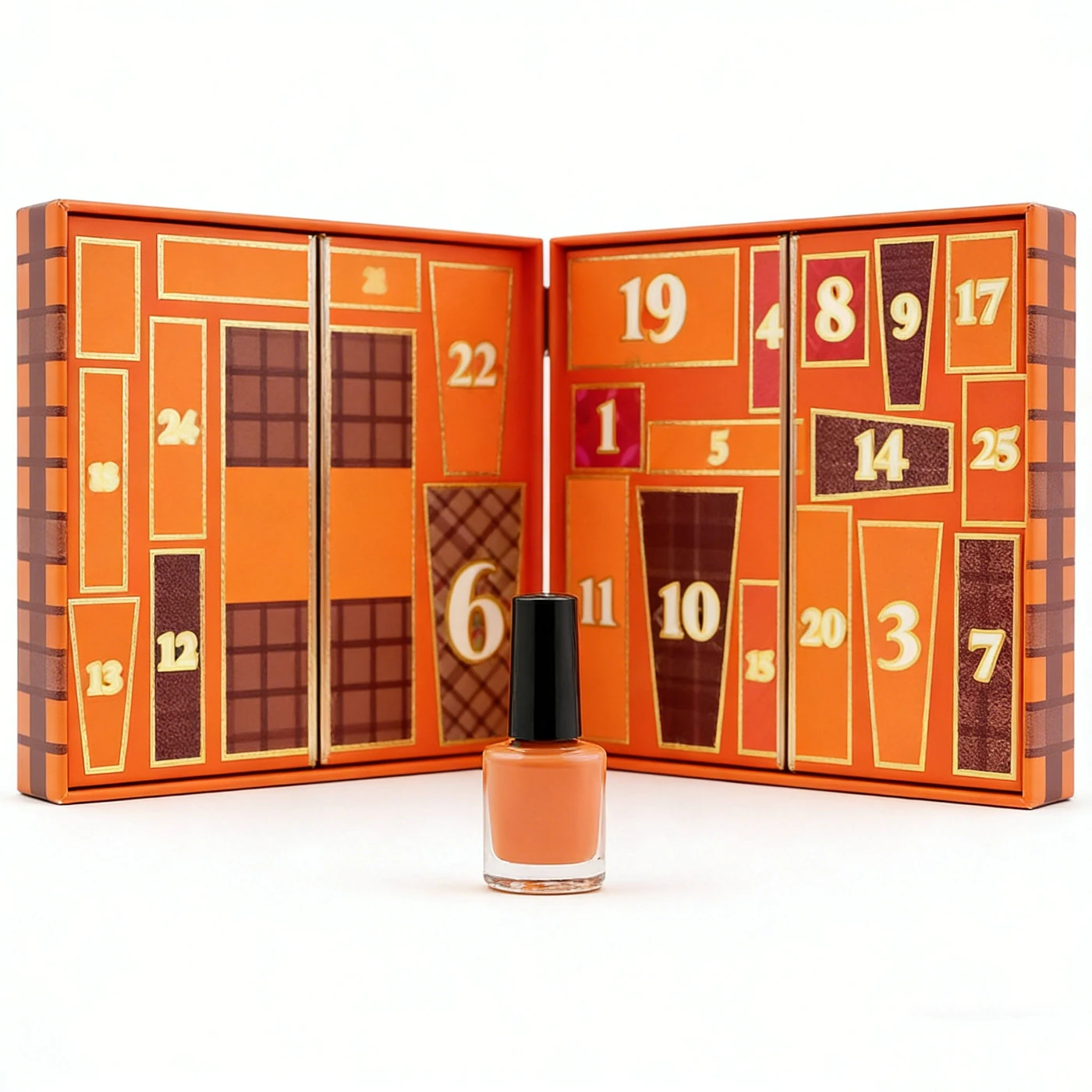
A hinged cover opens to 24 numbered cartons. Use equal cartons for a repeated item size or combine different sizes for miniatures, full-size products and a larger final-day gift.
Discuss This Structure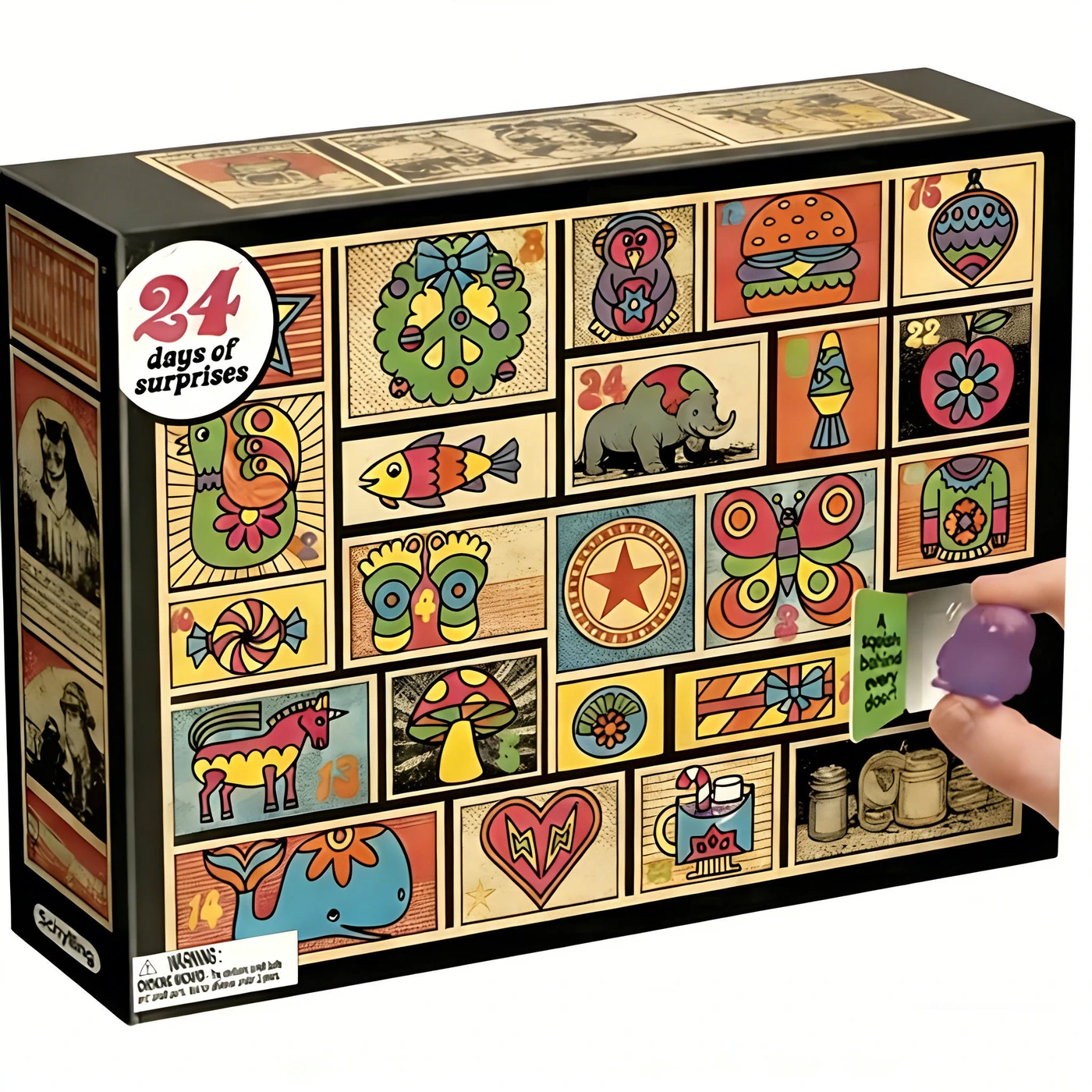
Printed doors reveal products held in a tray or insert. Door outlines, tear lines, the cavity beneath and removal clearance are developed together for all 24 positions.
Discuss This Structure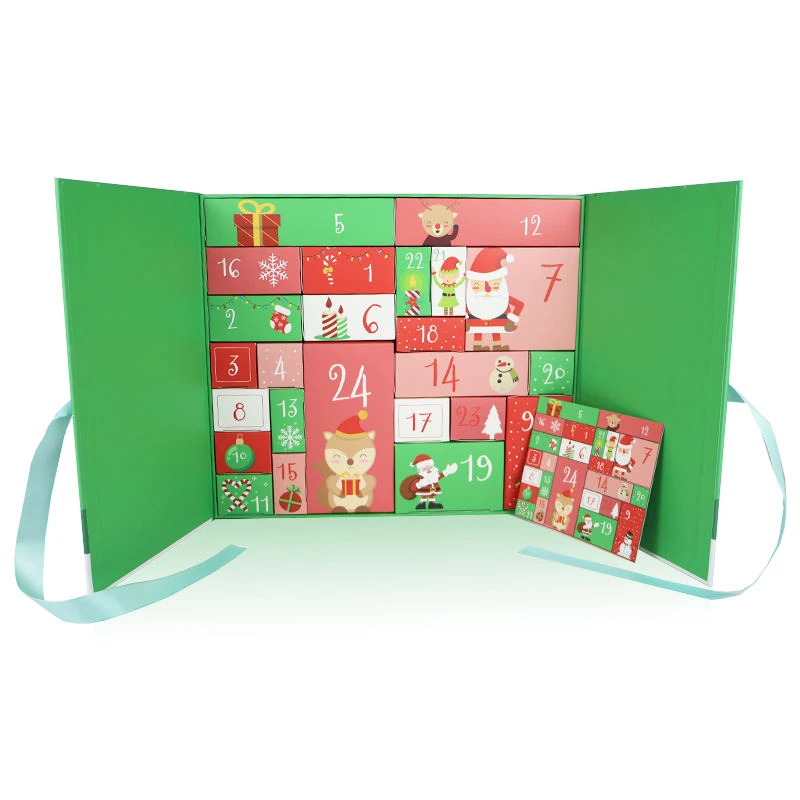
Two front panels open to the full countdown display. Combine this outer opening with drawers or individual cartons, allowing space for the panels, closures and the filled interior.
Discuss This Structure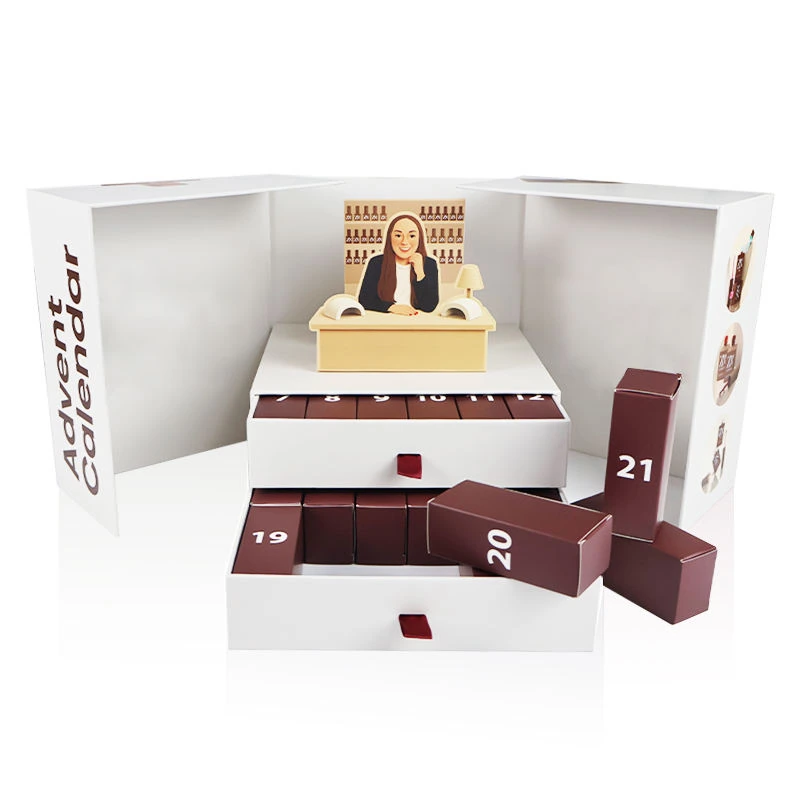
A standing paper scene or pop-up detail adds another dimension to the daily reveal. Develop the scene around 24 product spaces, then check movement, closed-box clearance and product access on a structural sample.
Discuss This Structure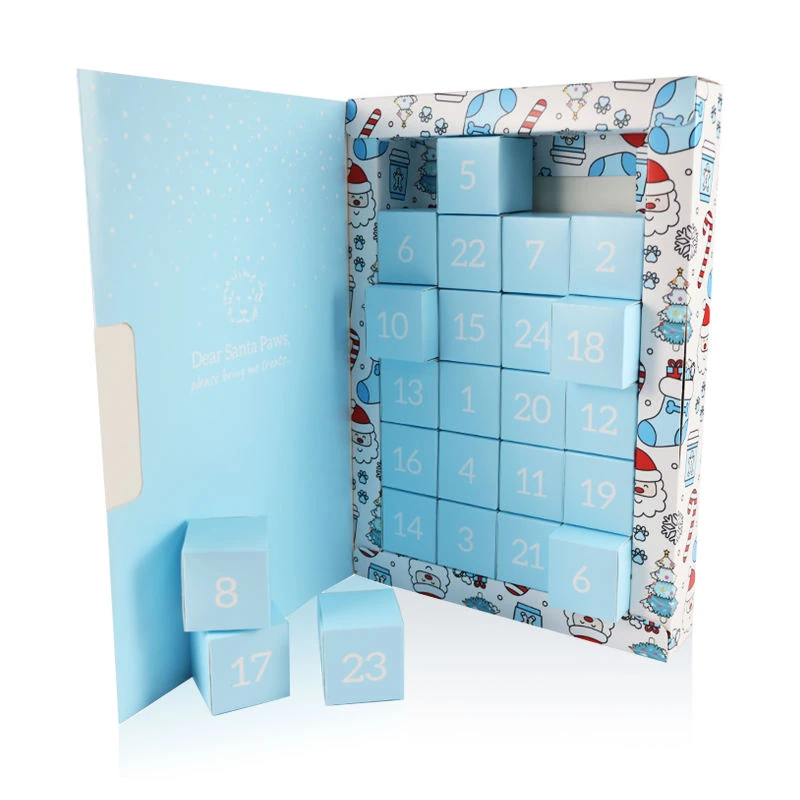
Folding inner cartons create individual numbered spaces inside an outer presentation box. Review each carton’s usable dimensions, closure and assembly sequence; flat packing depends on the approved construction.
Discuss This StructureUnderstand the construction
The outer format, daily compartments, supports and printed details are developed as one packaging system. Choose the structure first, then confirm the components around your product collection.

The cover, hinge, base and closure set the opening experience and the space around the filled interior.

Drawers or inner cartons follow the numbered product map. Their usable size includes the space needed for removal.

Dividers and inserts are developed from the wrapped item size, orientation and weight.
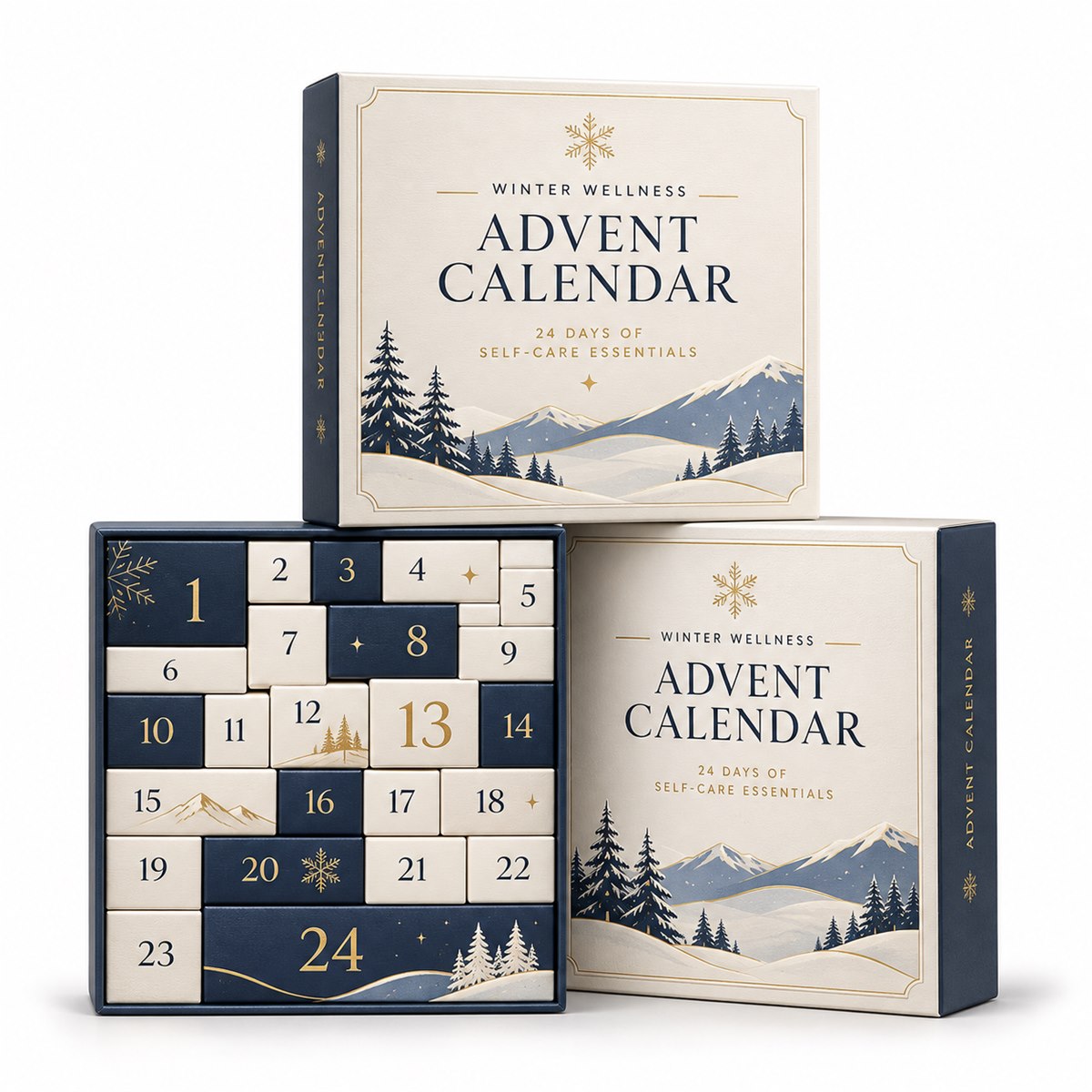
Artwork, day numbers, notches, ribbons and visible surfaces are coordinated on the approved structure.
Product construction references shown. Components, product supports and the final 24-position layout are developed for your approved design.
Every item needs its own space
The outside size follows the products, their supports and the opening clearance. Start with a numbered item map so every door or drawer leads to the intended product.
A regular grid for items with similar packed sizes. Check the usable depth and removal space in each position; the outside box dimensions are not the cavity dimensions.
A wider layout for a landscape presentation. Review panel width, shelf space and access across the complete pack before fixing the overall dimensions.
Different cavity sizes accommodate a mixed collection and a larger finale. Keep all 24 numbered positions while planning support and weight distribution.
Layout schematics only, not finished product designs. Cell proportions and the final numbering map are developed for your actual collection.
Send dimensions, weights and the intended orientation of each packed item. Wrapped products and accessories should be measured in the state you will fill.
Designed for the complete collection
Twenty-four products can bring different heights, weights and surfaces into one box. The insert needs to hold each item while leaving enough space for a comfortable daily reveal.
Match the cavity and support to the actual jar, tube, wrapped portion or accessory. Include caps, hang tabs and any protective wrapping in the dimensions.
Review heavier items, cabinet support and the complete filled sample. Board and insert choices follow the whole pack, not the number of compartments alone.
Agree whether products load through inner cartons, removable trays or another access point. Confirm assembly order with your filling team before bulk production.
Check drawer movement, door opening, finger clearance and product removal without disturbing neighboring items or damaging the visible artwork.
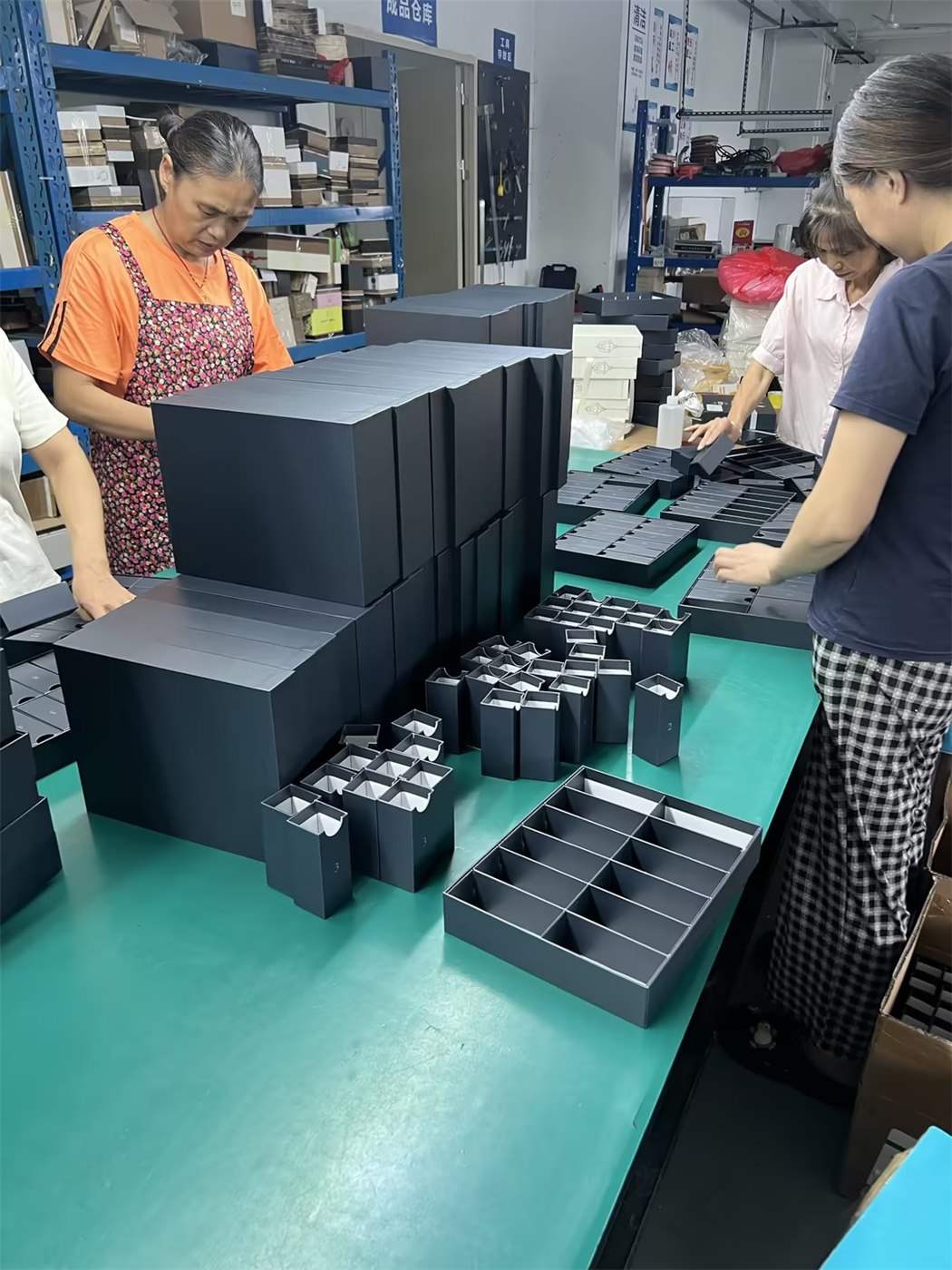
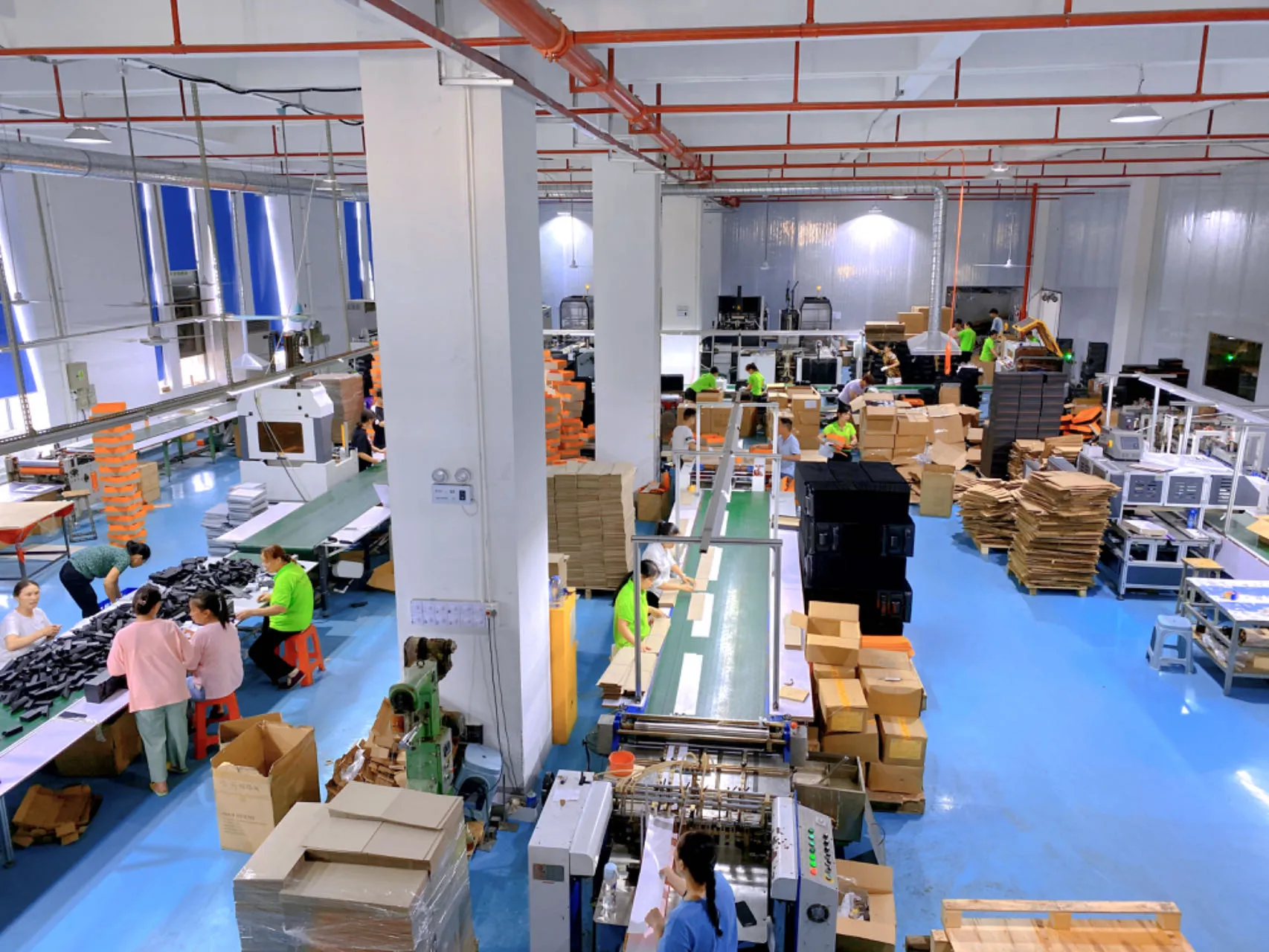
One coordinated packaging specification
Carry your brand from the closed box to every daily opening. Coordinate the outer board, paper wrap, internal supports and printed numbers as one approved specification.
Discuss Printing & FinishesShare material documentation, product-contact or testing requirements before quotation so they can be matched to the specified components.
The team behind your packaging
Giftpackpro supports structure development, sampling, printing, box assembly and export packing for brand packaging projects. Your product list, approved layout and artwork guide the work from the first sample to the bulk specification.
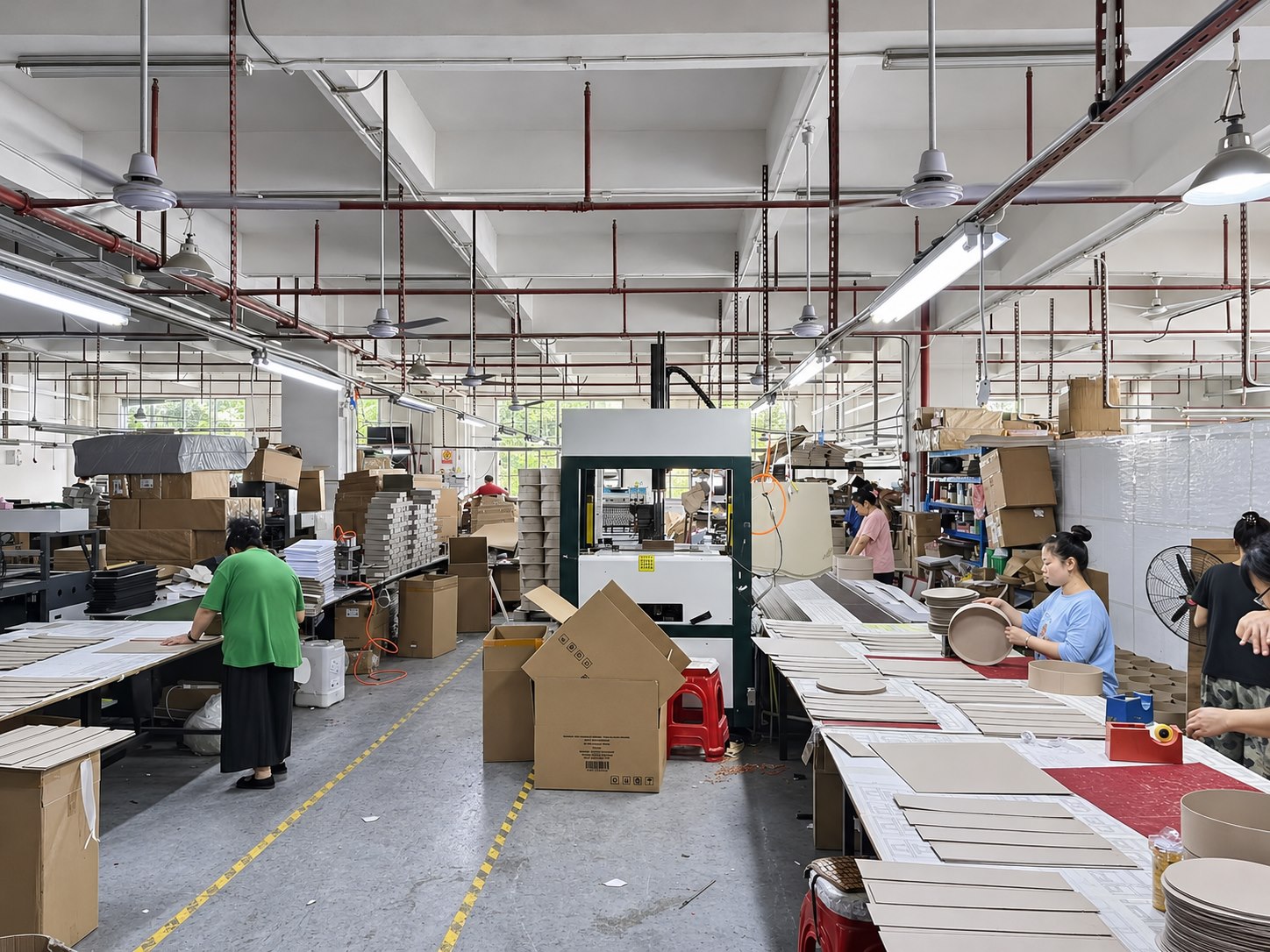
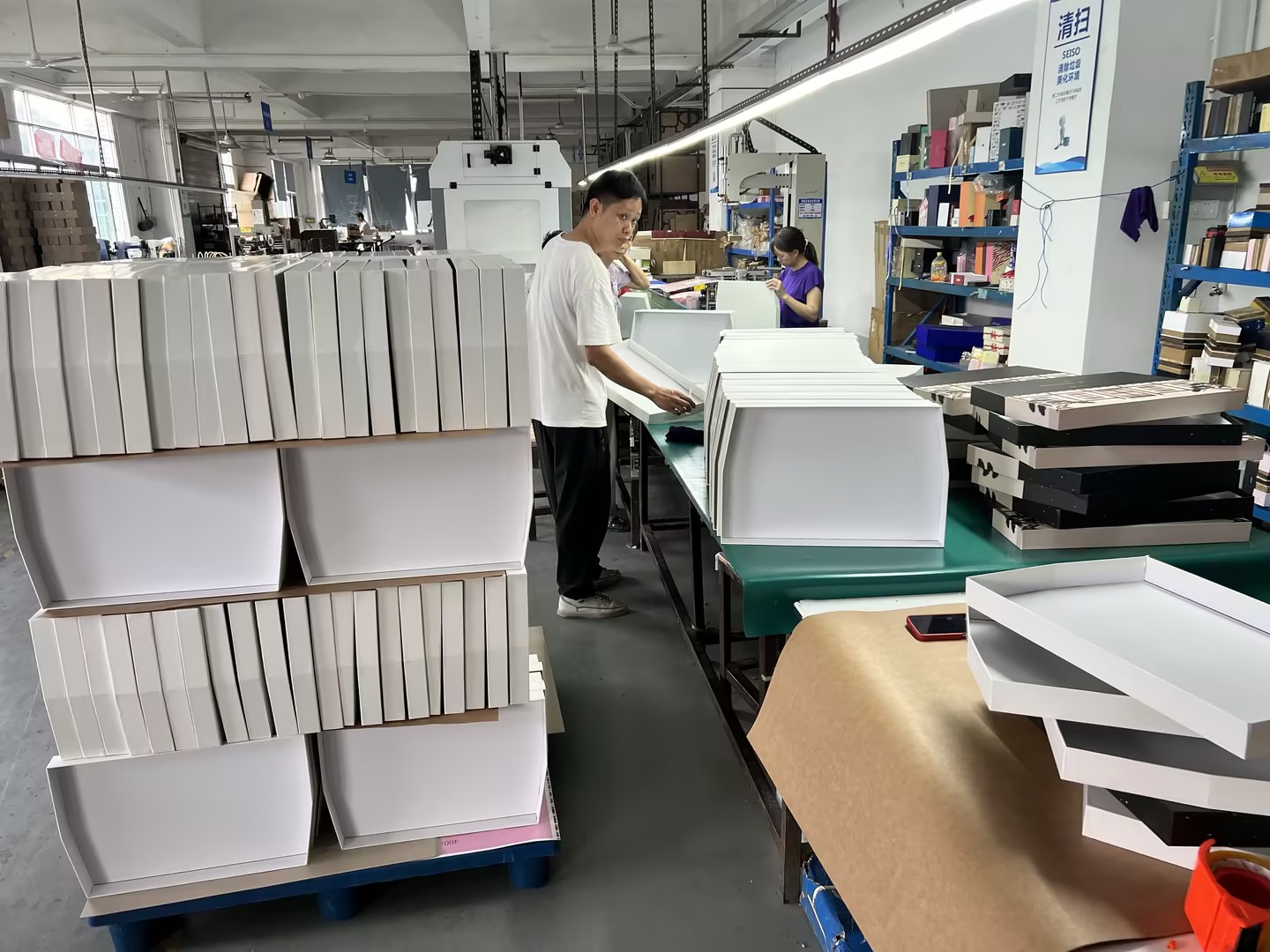
Bring the structural design, visual presentation and filling plan into the same conversation. We work from your actual products and the date your team needs the empty packaging.
Discuss Manufacturing SupportDesign support normally includes structure, 3D references, dielines and artwork. Complex or repeated dieline work is quoted separately.
Review the filled layout, opening and finish before the final production specification is agreed.
Develop the box, 24 spaces and supports around item dimensions, weight and removal clearance.
Agree flat or assembled delivery, cartons, freight and destination alongside your own filling schedule.
Built to your product brief
Unit cost depends on dimensions, construction, internal components, printing, finishing and quantity. A 24-day calendar with small wrapped items can require a different build from one containing jars, bottles and accessories.
From sample approval to production handover
The sample review sets the reference. Before bulk production, confirm which dimensions, functions, materials and packing details need to match the approved specification.
Match every planned product to one numbered position. Review the complete sequence for missing or repeated day numbers.
Check net internal dimensions with the actual wrapped item, including caps, accessories and removal clearance.
Review door tear lines, drawer movement, pulls, cover clearance and the closed pack with its intended contents.
Review total weight, internal support, overall stability and the filling or assembly sequence together.
Agree the board, papers, insert components and any product-contact requirements before the bulk specification is approved.
Keep the approved artwork version, print direction, visible number map and finish reference together.
Agree the inspection points and any project-specific testing or reporting needs before production begins.
Confirm delivery state, protective packing, carton information and the receiving requirements of your filling or distribution team.
Items 01-04 focus on the complete sample. Items 05-08 connect the approved design with production and packing. Specific acceptance criteria and tests are agreed for your project.
Build the calendar around what you sell
Choose a structure and internal layout around the way your products are presented, filled and discovered. These are application directions, not customer case studies.
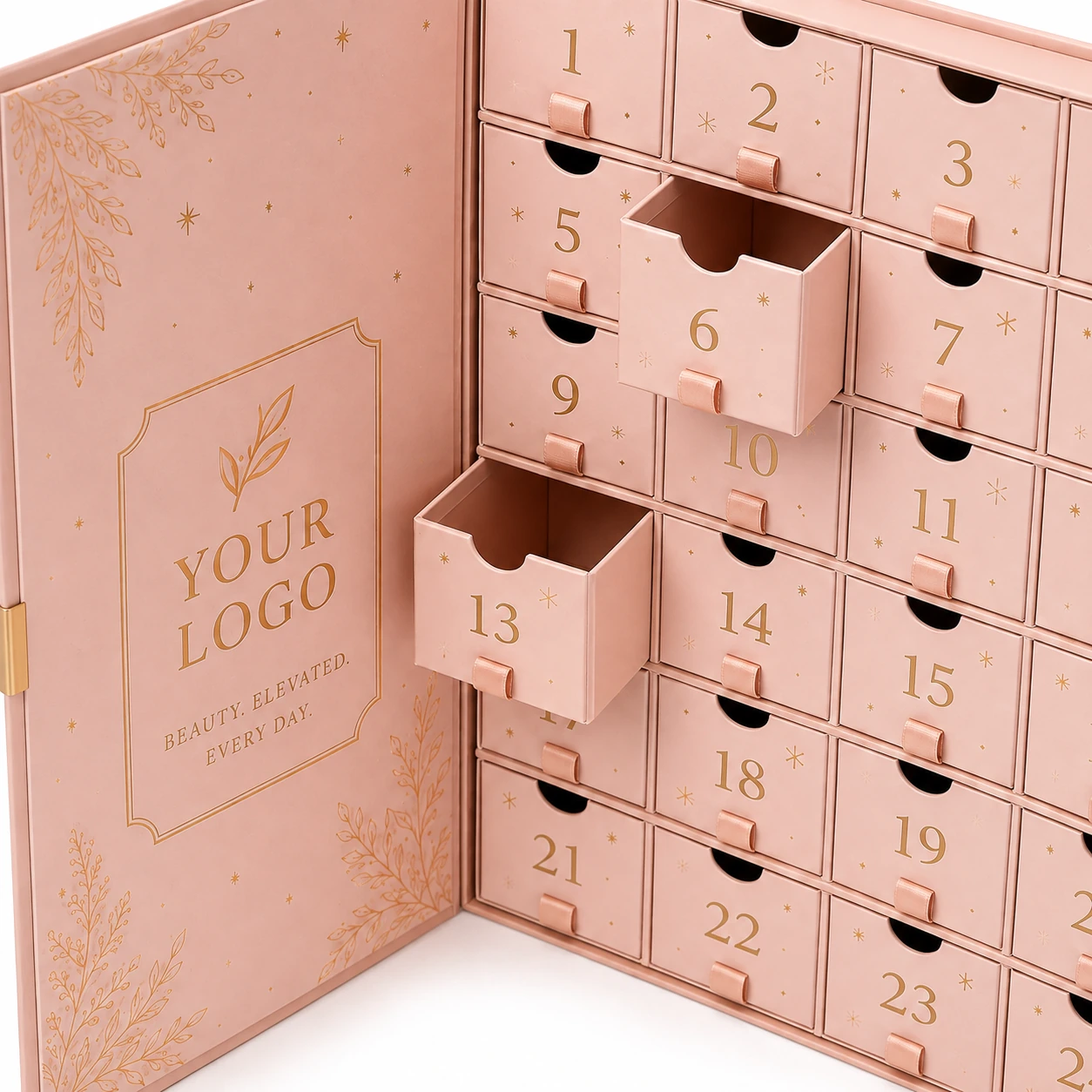
Mix miniatures, tubes, jars and accessories across 24 days. Reserve the right cavity sizes for hero products and review caps, pump height, leakage protection and overall weight.
Packaging focus: mixed compartments, fitted support and clear daily access.
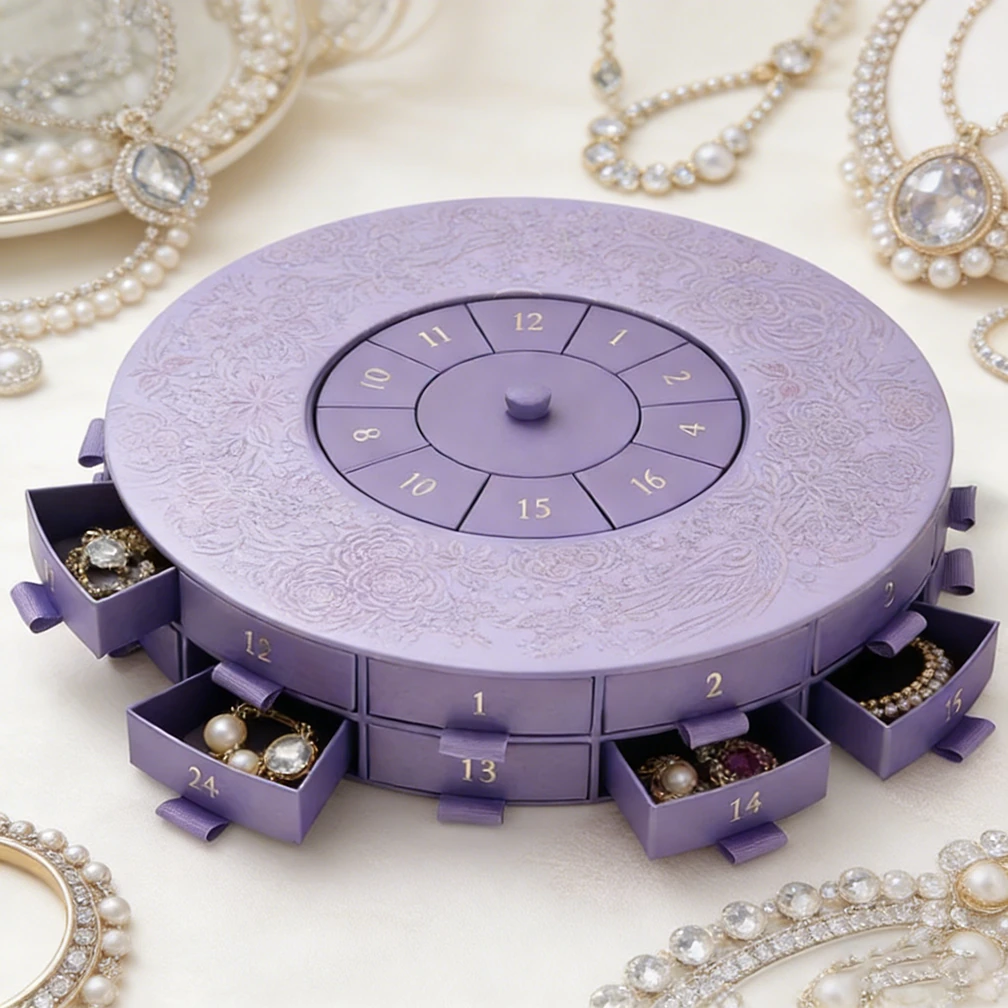
Present rings, earrings, necklaces and small accessories in dedicated spaces. Cards or supports can help organize delicate pieces and keep the daily opening easy to handle.
Packaging focus: small-item retention, surface protection and removal clearance.
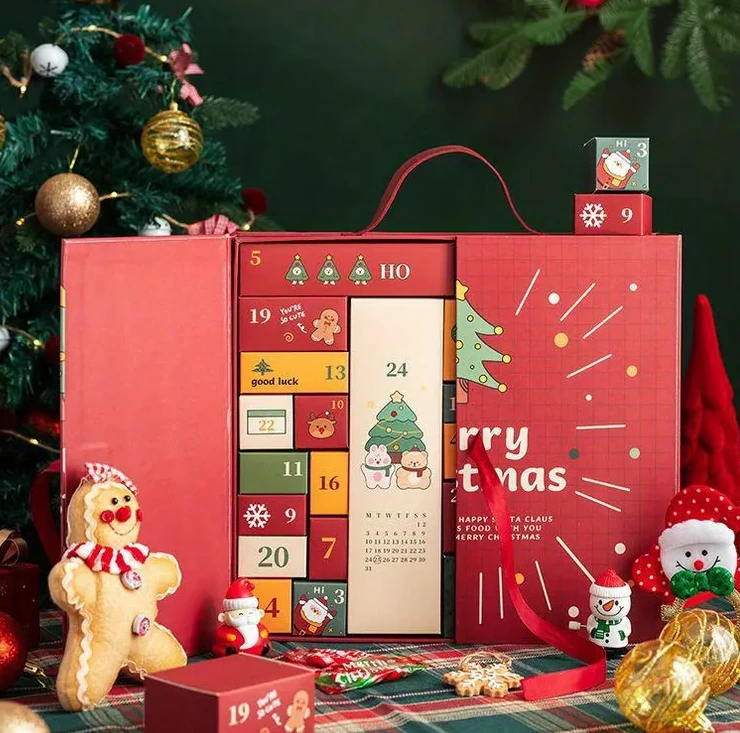
Arrange 24 wrapped portions, sachets or capsules as a tasting selection. Measure the wrapped item and discuss direct-food-contact requirements before selecting internal materials.
Packaging focus: portion dimensions, orderly filling and a readable 1–24 tasting sequence.
Need candles or a mixed gift collection? We can review the same 24-day format against your item list, weight and packing requirements.
Work backwards from your launch
Confirm the date your team needs the empty boxes, then allow time for structure development, sample approval, production, freight and filling.
Send item sizes and weights, day assignments, quantity and a design reference. Identify larger or fragile pieces early.
Review the dieline, inserts, number map and artwork, then approve a sample with the intended products.
Confirm the materials, finish, assembly method and inspection points against the approved specification.
Agree export cartons, destination and freight, leaving time for your receiving, filling and launch arrangements.
Samples usually take 2–3 calendar days and bulk production usually takes 16–18 calendar days after required details, approvals and deposit are confirmed. Complexity and revisions can change timing; transport is additional. Physical samples are quoted separately.
Prepare a clear packaging brief
Use the product planner to organize your collection, then bring any material, artwork or sample requirements into the same packaging brief.
Record the product or SKU for each day, packed dimensions, weight, orientation and support notes before fixing the box layout.
Download the Planning SheetTell us which material declarations, certificates or test reports your project requires. Confirm the relevant components and document scope before quotation.
Discuss DocumentationDiscuss the structure, filled layout, artwork and finish views your team needs to review. Physical samples and any project-specific reporting are agreed separately.
Plan My Sample ReviewQuestions before you order
Yes. This page covers custom empty calendar packaging for brands and bulk projects. Products shown in design references illustrate the intended use and are not included. Any filling or packing service is agreed separately.
Yes. The layout can use equal or mixed-size compartments. Send the packed dimensions and weight of every item, including wrapping and accessories, so the box and supports can be developed around the full collection.
Yes. These are different ways to create the daily reveal. Book-style and double-door covers can be combined with a suitable internal layout. The best combination depends on the items, opening experience and filling plan.
Yes. Custom artwork can include the outer box, inner surfaces and day numbers. The number map is checked alongside the dieline so every planned product position has the correct number and print direction.
The usual starting quantity is 200 boxes. Final MOQ and unit price depend on dimensions, construction, materials, finishes and the quantity quoted for your project.
Some folding or collapsible structures can ship flat; other constructions need to ship assembled. We review the outer box, internal components and your assembly method before confirming the packing state and freight plan.
Samples usually take 2–3 calendar days and bulk production usually takes 16–18 calendar days once required details, approvals and deposit are confirmed. Complex structures, quantities and revisions affect timing. Shipping is additional and depends on the destination and freight method.
Share the 24-item list, packed product dimensions and weights, planned quantity, preferred opening style, artwork or finish reference, destination and the date you need the empty boxes. Include any material, product-contact or documentation requirements.
Explore related packaging
Tell us about your 24-day collection
Share your products, company, estimated quantity and target arrival date. We will help you work through the 24-compartment layout, materials and sample requirements.
Custom empty packaging · Usually from 200 boxes, subject to specification
We use your details to respond to your inquiry. Privacy Policy