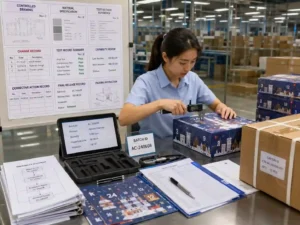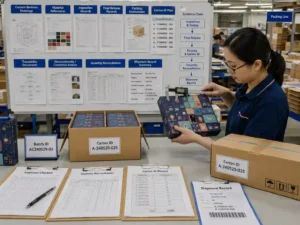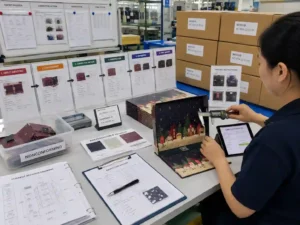
Flat pack advent calendar boxes are useful when a brand wants seasonal packaging with lower shipping volume, flexible storage, and easier bulk distribution. For importers, the main challenge is not only the printed design. It is choosing a factory that can control structure, assembly tolerance, inserts, artwork, samples, lead time, export packing, and communication across the whole project.
This guide explains how overseas brands, wholesalers, retail buyers, gift companies, and purchasing teams can customize flat pack advent calendar boxes with a China packaging supplier. It also gives practical points for comparing quotations and preparing a clear RFQ before sampling.
If you are still comparing box styles, you can review more options from a custom advent calendar boxes manufacturer or browse custom advent calendar box products before confirming the final structure.
What Are Flat Pack Advent Calendar Boxes?
Flat pack advent calendar boxes are seasonal gift packaging structures supplied in a knocked-down or semi-flat format. Instead of shipping every box fully assembled, the supplier designs the structure so the box can be folded, locked, inserted, or assembled closer to the packing stage.
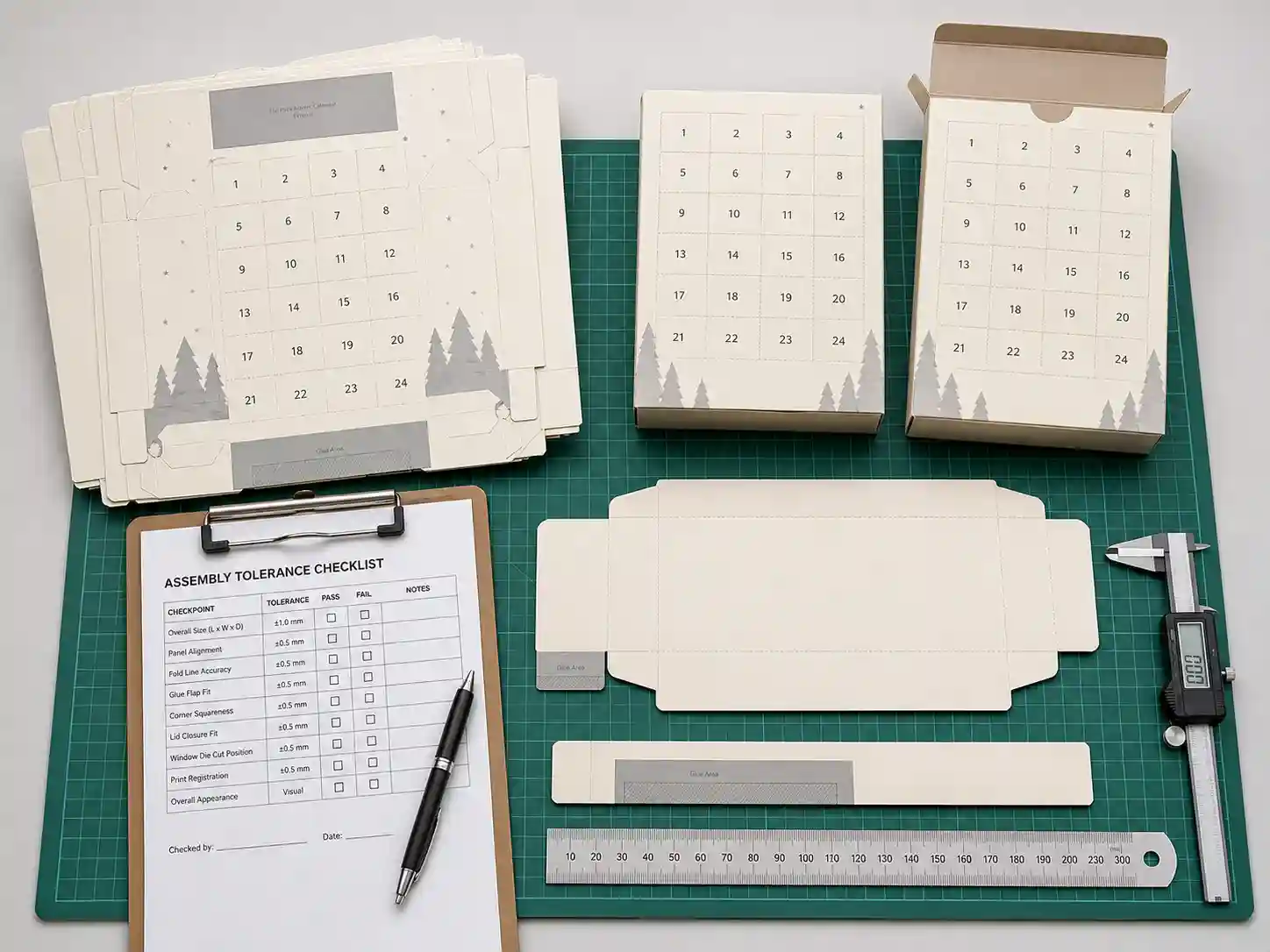
Common flat-pack designs include foldable drawer units, door-opening paperboard calendars, sleeve-and-tray formats, collapsible rigid structures, and paperboard compartment systems. The best choice depends on the product weight, compartment count, retail display method, labor cost, and destination market.
For B2B projects, flat pack is often chosen for cosmetics, chocolate, tea, coffee, candles, jewelry, small toys, stationery, and promotional gift sets. The packaging must protect the product, look presentable in retail, and remain efficient for export shipping.
When Should Importers Choose Flat Pack Structures?
Flat pack advent calendar boxes are usually a good fit when the buyer wants to reduce shipping volume, store packaging before filling, or assemble the boxes together with product packing. They are also helpful when one packaging structure needs to serve multiple SKUs with different inserts or printed sleeves.
Suitable B2B Application Examples
A cosmetics brand may use a flat-pack drawer calendar with paperboard inserts for sample-size bottles, jars, or sachets. A tea brand may choose a door-opening calendar with paper compartments for sachets. A gift company may need a collapsible rigid calendar box that can be shipped flat to a local co-packer.
In each case, the buyer should confirm whether assembly is done by the China factory, the buyer’s warehouse, or a third-party filling partner. This decision affects structure design, quotation, packing method, carton quantity, and lead time.
Key Customization Points for Flat Pack Advent Calendar Boxes
Customization is not only about artwork. For flat pack advent calendar boxes, small structural changes can affect assembly speed, carton loading, door opening, drawer sliding, and product fit. A reliable supplier should review both the appearance and the practical packing process.
1. Structure and Assembly Method
The first decision is the structure type. Buyers should confirm whether the box needs drawers, tear-open doors, folded trays, sleeves, magnetic closure, ribbon pull tabs, or removable inserts. For flat-pack projects, the supplier should explain how the structure locks after folding and whether glue, tape, or manual fitting is required.
A sample should be tested by people who have not seen the design before. If the box is difficult to fold or the assembly sequence is confusing, the structure may create delays during bulk packing.
2. Product Fit and Insert Design
Insert design is important for seasonal boxes because each compartment may hold a different item. Paperboard, corrugated board, EVA, molded pulp, and foam inserts can be used depending on product weight, fragility, and positioning.
For a quote, provide product dimensions, weight, quantity per box, and whether the product is filled before export. If the exact products are not ready, share dummy sizes. This helps the supplier create a more accurate compartment layout and avoid oversizing the outer box.
3. Printing and Finishing
Flat pack boxes may need CMYK printing, Pantone color matching, matte or gloss lamination, foil stamping, embossing, debossing, spot UV, or soft-touch finishing. These details affect cost, sample time, and production risk.
For premium retail packaging, ask the factory to confirm color proofing standards and finishing limits on folding lines. Heavy finishing near creases may crack or look uneven after repeated folding.
Giftpackpro can support custom advent calendar box services for structure, printing, finishing, inserts, samples, and bulk production planning. Buyers can also read more advent calendar box buying guides before sending a final RFQ.
How to Compare China Factories for Flat Pack Projects
Supplier comparison should go beyond the lowest unit price. A low quotation may exclude sample revisions, stronger cartons, insert adjustment, export packing, or proper QC. For seasonal projects, delays and unclear communication can cost more than a small unit price difference.
Factory Capability Checklist
When reviewing suppliers, ask whether they have experience with advent calendar structures, drawer systems, door-opening layouts, inserts, and export cartons. A general paper box supplier may produce simple folding cartons well, but flat pack advent calendar boxes require stronger structural planning.
It is also useful to ask for sample photos, past structure references, dieline support, material recommendations, and production workflow. For buyers who need factory background, the Giftpackpro packaging factory page can help explain production and project support capabilities.
| Comparison Point | What to Ask the Supplier | Why It Matters |
|---|---|---|
| Structure Experience | Have you made drawer, door-opening, or collapsible advent calendar boxes before? | Flat-pack structures need better folding, locking, and tolerance control than simple boxes. |
| Quotation Detail | Does the quote include material, printing, finishing, inserts, sample, packing, and export cartons? | Missing items can make the final cost higher than the first quotation. |
| Sample Process | Can you provide a blank sample, printed sample, and revision before mass production? | Samples reduce the risk of poor assembly, incorrect compartments, or artwork issues. |
| Lead Time | What is the sample lead time, bulk production time, and peak-season capacity? | Advent calendar projects are seasonal and need earlier planning. |
| Communication | Who confirms dieline, artwork, sample approval, production updates, and shipment documents? | Clear responsibility helps prevent mistakes during long-distance sourcing. |
| QC and Packing | How do you inspect folding, drawer sliding, door opening, insert fit, carton strength, and labels? | Flat-pack boxes must arrive ready for efficient assembly or filling. |
How to Read and Compare Quotations
For flat pack advent calendar boxes, quotations should be compared line by line. A clear quote should include material specification, box size, insert type, printing method, finishing, sample fee, MOQ, unit price, packing details, carton size, estimated gross weight, lead time, payment terms, and shipment terms.
Buyers should be careful when one supplier quotes much lower than others. The difference may come from thinner board, simpler inserts, fewer finishing steps, weaker cartons, or an incomplete packing plan.
Useful Quote Preparation Advice
Before asking suppliers for prices, prepare the outer box size, product list, product dimensions, compartment count, preferred structure, artwork status, order quantity, destination country, required delivery date, and whether the box will be assembled in China or by the buyer.
If the project is still early, send reference photos and explain the target retail channel. For example, supermarket gift sets, beauty subscription calendars, and corporate promotional calendars may need different levels of structure strength and finishing.
For faster communication, buyers can use request a custom quote and include product dummy sizes, artwork files, target quantity, and export destination. A complete RFQ makes the first quotation more useful and reduces repeated back-and-forth.
Lead Time, Sampling, and Approval Process
Seasonal packaging projects should start early. Flat pack advent calendar boxes need time for structure confirmation, insert testing, artwork adjustment, sample approval, material booking, printing, finishing, die cutting, gluing, packing, and shipment.
Typical Project Stages
The first stage is structure planning. The supplier checks the product size, weight, compartment count, and assembly method. The second stage is a blank sample or digital dieline review. The third stage is printed sample approval. The final stage is bulk production after artwork and structure are confirmed.
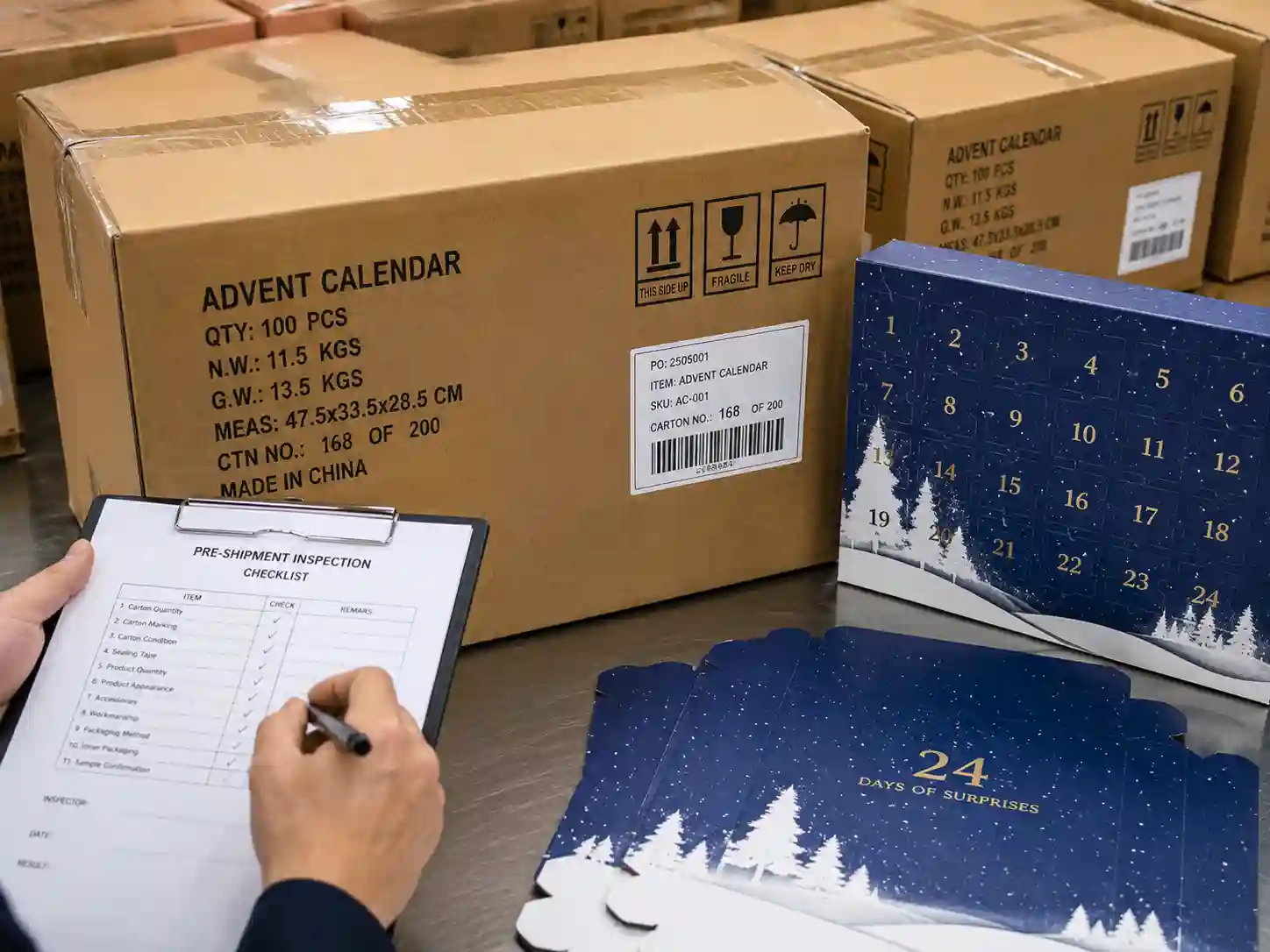
For large orders, ask the supplier for production photos, pre-shipment inspection photos, carton marks, and packing list details. This is especially important if the goods will go directly to a fulfillment center, distributor, or retail warehouse.
Payment Terms and Reliability Checks
Most custom packaging projects require a deposit before production and balance payment before shipment. Buyers should confirm the payment schedule, sample fee policy, revision cost, mold or tooling cost, and what happens if artwork or structure changes after approval.
Reliability can be checked through communication quality, sample accuracy, quotation clarity, document support, and willingness to explain risks. A supplier who asks detailed questions about products, inserts, packing, and shipping is often more useful than one who only gives a quick low price.
If sustainability claims are part of the project, ask for documentation instead of relying on general claims. Buyers can review official information from FSC when discussing certified paper sources. For quality management expectations, buyers may also check ISO 9001 quality management as a general reference.
Quality Control for Flat Pack Advent Calendar Boxes
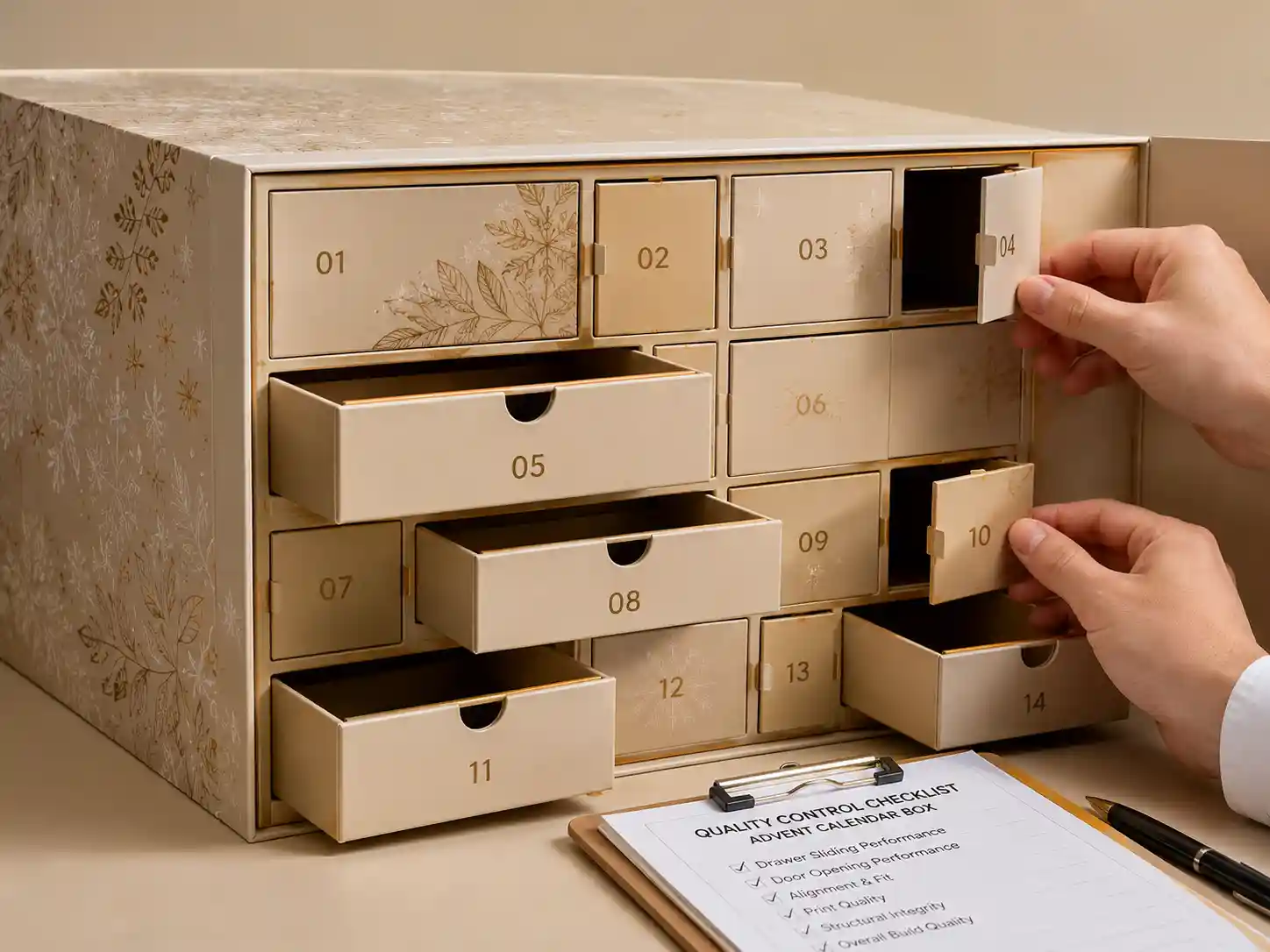
QC should focus on both appearance and function. A printed box may look good in photos but still fail if the drawer sticks, the door tears poorly, the insert does not hold the product, or the folded structure is not stable.
Important QC Points
Check board thickness, color consistency, lamination surface, foil position, folding lines, glue position, drawer sliding, door opening, insert fit, compartment numbering, carton labels, and export carton strength. For flat-pack structures, also test assembly speed and whether the structure remains square after folding.
Buyers should request inspection photos or videos showing the actual function of the sample. This is more useful than only receiving beauty shots of the finished box.
Export Packing and Shipment Planning
Export packing should match the final use. If the boxes ship flat, confirm how many sets fit in one carton and whether inserts are packed separately. If the China factory assembles the boxes before shipment, carton volume will be higher and packing protection must be stronger.
For importers, carton marks, pallet requirements, barcode labels, packing list format, and warehouse receiving rules should be discussed before mass production. These details affect delivery to Amazon-style warehouses, retail distribution centers, wholesalers, or local co-packers.
Giftpackpro can help buyers review structure, insert fit, packing method, and quote details through custom advent calendar box services. Buyers can compare styles on the custom advent calendar box products page, learn from advent calendar box buying guides, or request a custom quote with project specifications.
Final Checklist Before Confirming a Supplier
Before approving a supplier for flat pack advent calendar boxes, make sure the structure has been tested, the insert fits real products or accurate dummies, the artwork is approved on the correct dieline, and the quotation includes all cost items.
Also confirm sample approval, production lead time, QC method, carton packing, payment terms, and shipment documents. A clear project file helps both sides avoid mistakes and keeps the sourcing process easier to manage.
For buyers comparing China suppliers, the best partner is not always the cheapest one. The better choice is usually the factory that understands flat-pack structure, asks practical questions, provides clear quotations, and supports the project from sample to export packing.