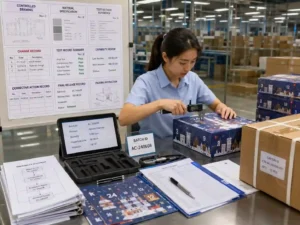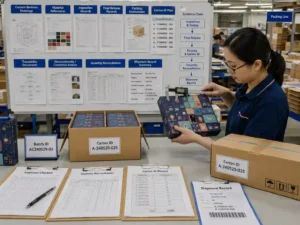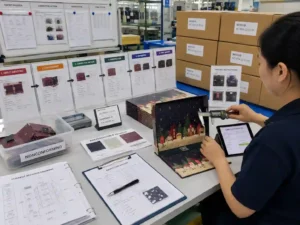
Quick answer: Water-based coatings can improve surface protection, print appearance, and handling resistance on paper packaging, but their impact on recyclability depends on the coating formulation, coating amount, paper structure, and local recycling requirements. For advent calendar boxes and seasonal paper gift packaging, buyers should verify coating specifications, test finished samples, and review supplier evidence before approving materials.
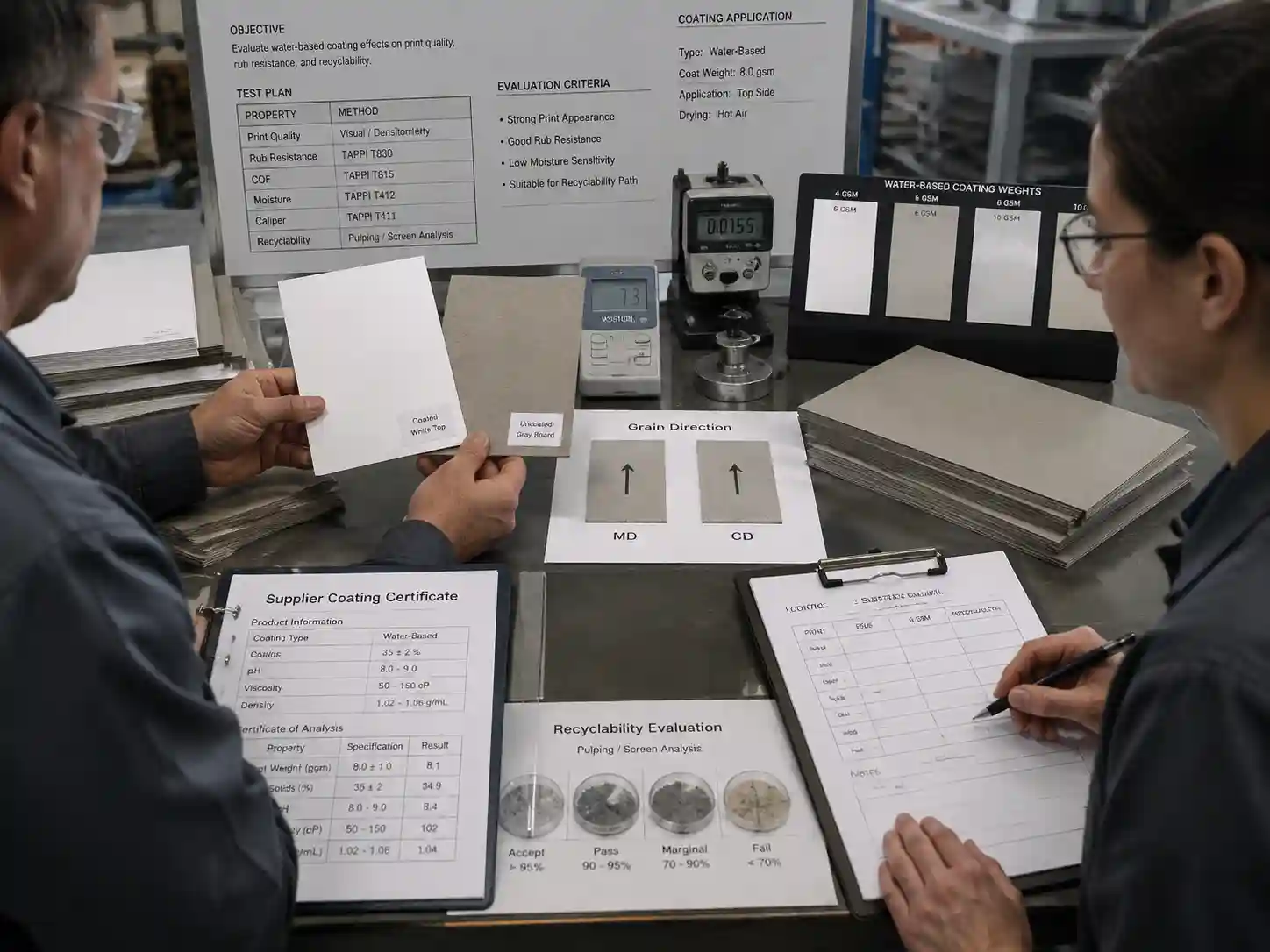
How do water-based coatings affect print performance on paper packaging?
Water-based coatings affect print performance by changing how ink surfaces behave after printing. They can improve appearance consistency, reduce surface marking, and protect printed areas, but the final result depends on paper type, ink system, coating weight, and drying conditions.
On rigid paperboard and folding carton structures, a water-based coating is typically evaluated together with the board construction. A coated surface may help maintain color appearance during handling, while unsuitable combinations can create issues such as uneven gloss, reduced ink adhesion, or surface texture differences.
Which print factors should be checked before approval?
- Color appearance before and after coating application.
- Ink adhesion between printed layers and the coated surface.
- Surface uniformity across large panels and folded areas.
- Effect of coating on fine graphics, small details, and solid color areas.
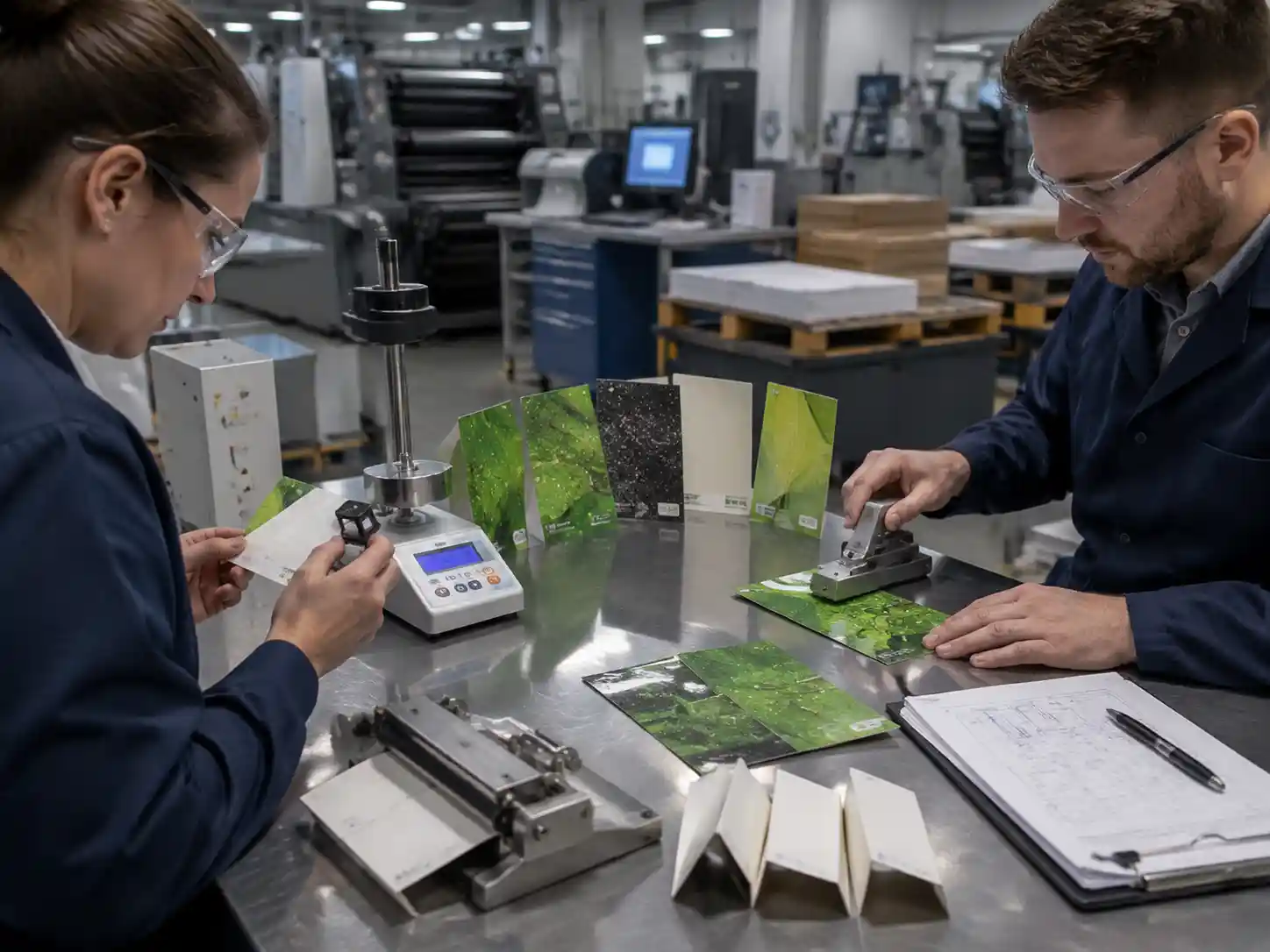
Verification should be based on physical samples rather than artwork files alone. Packaging teams should compare printed and coated samples under consistent lighting and confirm whether the surface finish meets the intended visual requirement.
How does water-based coating influence rub resistance and scuff protection?
Water-based coatings can improve rub resistance by creating a protective surface layer that reduces direct contact between printed ink and external handling surfaces. However, the level of protection varies by coating formulation, board surface, printing method, and production conditions.
For advent calendar packaging, this is especially important because large printed panels, drawer fronts, doors, and wrapped surfaces may experience repeated contact during assembly, inspection, packing, and retail handling.
What practical tests help evaluate surface durability?
| Check | Purpose | Evidence to review |
|---|---|---|
| Rub or abrasion testing | Evaluate resistance to surface marking during handling | Test method, sample results, inspection records |
| Surface inspection | Identify scratches, scuffing, or coating inconsistency | Approved samples and QC inspection notes |
| Fold and assembly review | Confirm coating performance after converting processes | Prototype checks and production trial observations |
| Humidity exposure review | Understand coating and board behavior in changing environments | Material observations and storage condition records |
Project-dependent recommendations should consider the final packaging structure. A small carton panel and a large rigid calendar cover may require different surface evaluations because stress, handling contact, and visual expectations are different.
How does water based coating recyclability depend on material choices?
Water based coating recyclability depends on the complete packaging structure rather than the coating name alone. The paperboard type, coating formulation, amount applied, printing system, adhesives, and recycling conditions all influence the final assessment.
Recyclability claims should not be based only on the presence of a water-based coating. Buyers should confirm the full material construction and collect supporting documentation from material and packaging suppliers.
What evidence supports recyclability evaluation?
- Paperboard specification showing the base material structure.
- Coating technical information from the material supplier.
- Information about inks, finishes, and other applied materials.
- Internal approval records connecting the claim to the actual production specification.
Verifiable facts include material specifications and supplier documentation. Project-dependent decisions include whether a specific coating system is suitable for a target recycling pathway or market requirement. Final claims should follow buyer approval requirements and applicable recycling guidance.
What material risks should buyers review before changing coatings?
Changing a coating system can affect more than surface appearance. Even a small material change may influence print consistency, folding behavior, surface friction, production handling, and recyclability evaluation.
Before approving a coating change, packaging teams should review:
- The original approved material construction and the proposed replacement.
- Printed sample comparisons using the intended board and ink system.
- Surface durability observations after assembly handling.
- Supplier documents confirming coating characteristics.
- QC records showing the approved material version.
A common material decision example is replacing a standard surface finish with a water-based coating to improve handling resistance. The correct approach is not simply selecting the coating, but confirming that the coated board still meets print requirements, structural expectations, and sustainability evidence needs.
How should packaging teams verify water-based coating decisions?
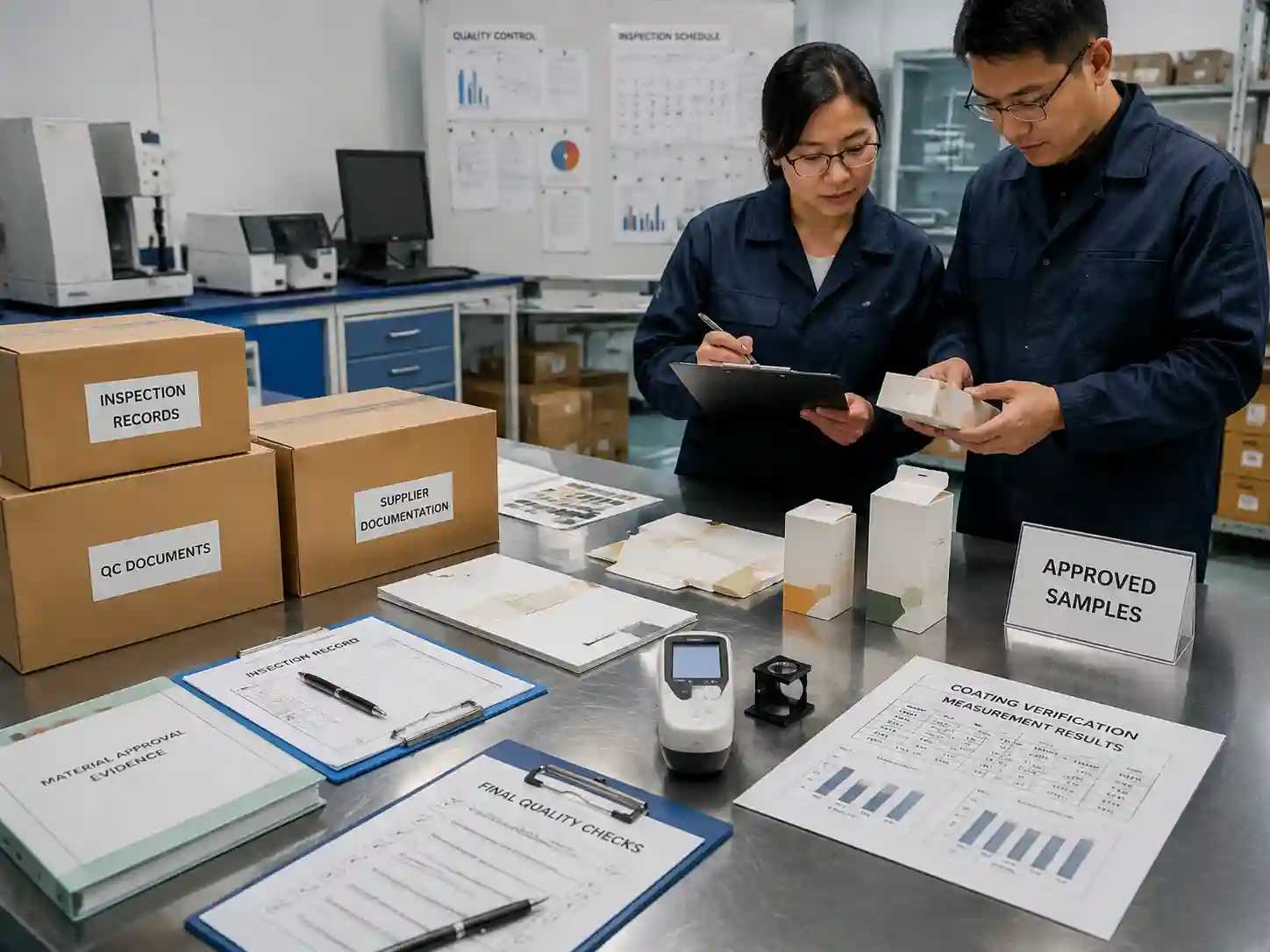
The most reliable approach is to connect material documentation with physical validation. Drawings, samples, measurements, inspection records, and supplier information should all reference the same approved material construction.
For custom advent calendar packaging projects, Giftpackpro supports commercial buyers through custom advent calendar box services and material-focused production discussions. Reviewing the complete packaging specification helps reduce risks caused by unapproved material substitutions or coating changes.
What approval checklist should buyers keep?
- Approved paperboard and coating specifications.
- Supplier documentation for coating characteristics.
- Printed and coated sample references.
- Surface inspection and rub-resistance evaluation records.
- Final production material approval confirmation.
Frequently asked questions about water-based coatings
Are water-based coatings always recyclable?
No. Recyclability depends on the complete packaging construction, including paperboard, coatings, inks, and applicable recycling requirements. A water-based coating alone does not automatically prove recyclability.
Do water-based coatings improve packaging durability?
They can improve surface protection and reduce handling marks, but performance depends on the coating formulation, substrate, printing process, and production conditions.
Should coating changes be approved with new samples?
Yes. Because coatings can affect appearance and surface behavior, physical sample review is recommended before production approval.
For packaging teams evaluating material options, custom advent calendar box products and request a custom quote can be discussed with the required material evidence and approval requirements.