Quick answer: Sample differences from mass production should be disclosed through a clear comparison record before approval. Packaging samples may differ from final production because of manufacturing conditions, tooling adjustments, material batches, finishing processes, or approved revisions. The supplier and buyer should document what changed, why it changed, and whether the difference affects structure, appearance, function, or packing performance before design freeze.

Why should sample vs mass production differences be documented?
The purpose of documenting sample vs mass production differences is to prevent unexpected changes after approval. A sample represents a controlled reference, but some elements may require adjustment before full production.
Common differences that require disclosure include:
- Structural adjustments after testing or assembly review.
- Material changes caused by approved substitutions or availability requirements.
- Color variation between sample production and final production conditions.
- Finishing differences related to coating, foil, embossing, or surface treatment.
- Packaging method changes required for safer transportation.
Without written disclosure, buyers may approve a sample expecting every detail to remain identical, creating quality disputes during production inspection.
What information should a supplier disclose before mass production?
The supplier should provide a clear difference record that separates approved changes from unexpected deviations. The record should identify the original sample condition, the production condition, and the impact of the change.
| Area | Sample Condition | Mass Production Difference | Approval Needed |
|---|---|---|---|
| Structure | Prototype structure reviewed during sampling | Minor adjustment to improve assembly or strength | Yes, if function or appearance changes |
| Material | Specified board, paper, insert, or accessory material | Approved alternative material or batch variation | Yes, when visible or functional impact exists |
| Printing | Sample color reference | Production color adjusted through approved process control | Yes, based on agreed color standard |
| Packing | Sample packing method | Production export packing configuration | Yes, when protection or dimensions change |
For custom advent calendar boxes, the most important question is not whether a difference exists, but whether the difference affects the approved customer requirement.
How should suppliers classify sample differences?
Differences should be classified by their impact rather than only by their physical appearance. This helps purchasing and quality teams decide whether additional approval is required.
Which differences are usually acceptable without a new sample?
Minor process variations may be acceptable when they do not affect approved requirements. Examples include small production adjustments that maintain the approved structure, function, dimensions, and visual standard.
These decisions should still be supported by inspection records, measurements, or supplier documentation.
Which differences require buyer approval?
Any difference affecting product performance, customer perception, or retail requirements should receive approval before production continues.
- Drawer movement, door opening, or locking performance changes.
- Changes to visible artwork positioning or finishing effects.
- Changes affecting product fit or protection.
- Changes affecting carton quantity, packing method, or shipping protection.
What evidence should support a sample difference disclosure?
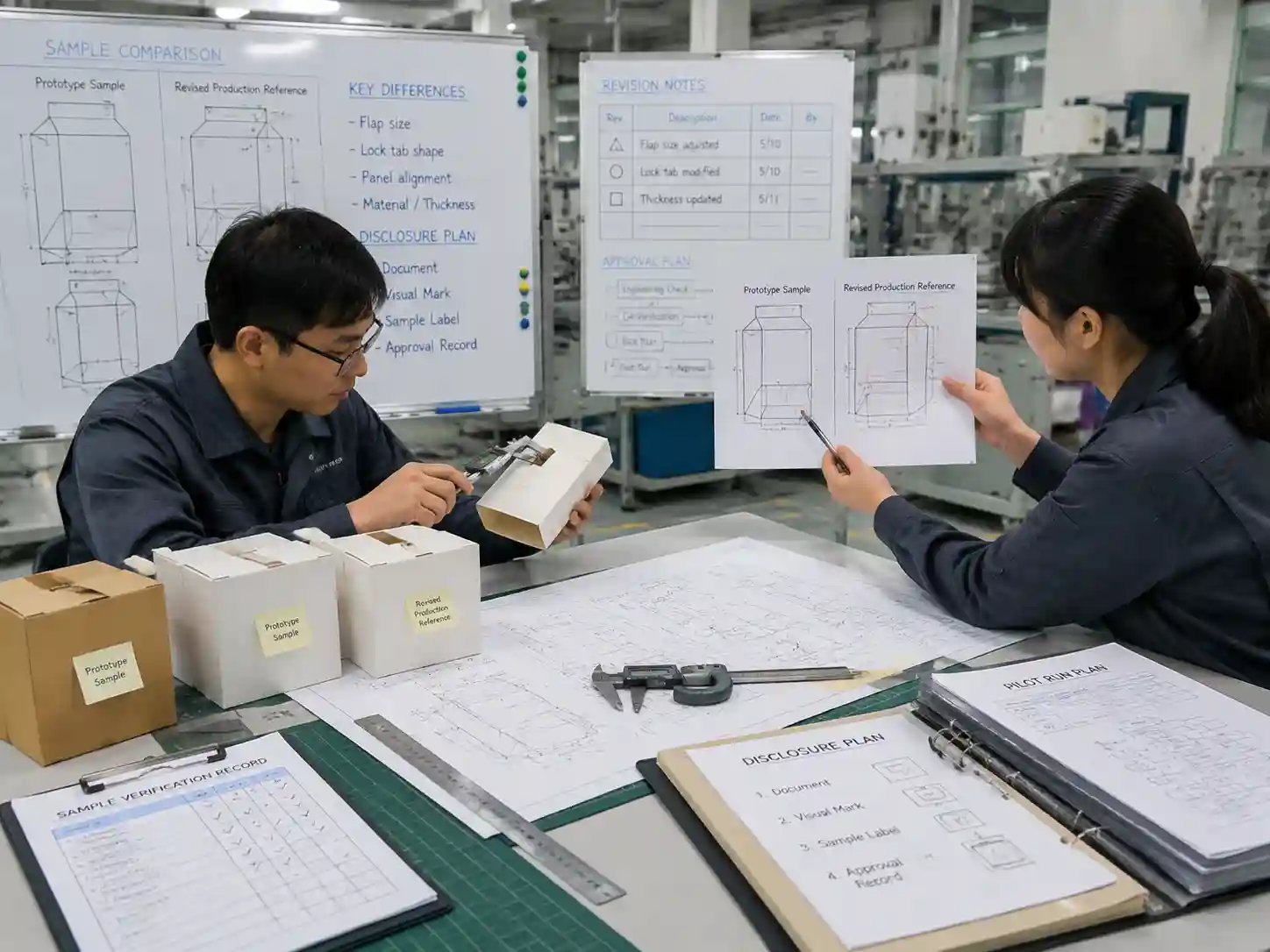
A professional disclosure process should include evidence that allows both sides to verify the change. Useful records include:
- Updated structural drawings or revision notes.
- Sample comparison photos from the original and revised versions.
- Dimension measurements and tolerance checks.
- Material or finishing descriptions.
- Inspection records showing the revised version meets requirements.
For example, if a drawer structure is modified after a loaded prototype test, the supplier should show the revised drawing, explain the reason for adjustment, and confirm that the product fit and user operation remain acceptable.
How should revision records prevent sample confusion?
A revision record creates a single reference point between sampling and production. It should connect the approved sample, final production version, and responsible approval decision.
| Revision Record Item | Purpose |
|---|---|
| Sample version number | Identifies which physical sample was reviewed |
| Change description | Explains what was modified |
| Reason for change | Shows whether the change improves function, quality, or production stability |
| Approval status | Confirms whether production can proceed |
| Final reference sample | Defines the accepted production target |
This process supports the creation of a golden sample or approved production reference when required by the project.
What should buyers check before approving production?
Buyers should confirm that all important differences have been disclosed and reviewed before design freeze.
- Compare the approved sample with the final production reference.
- Review all open revision items and their approval status.
- Confirm that structural and functional requirements remain unchanged.
- Verify that quality inspection criteria match the approved version.
- Keep approval records with project documentation.
Final approval should be based on documented evidence rather than verbal confirmation alone.
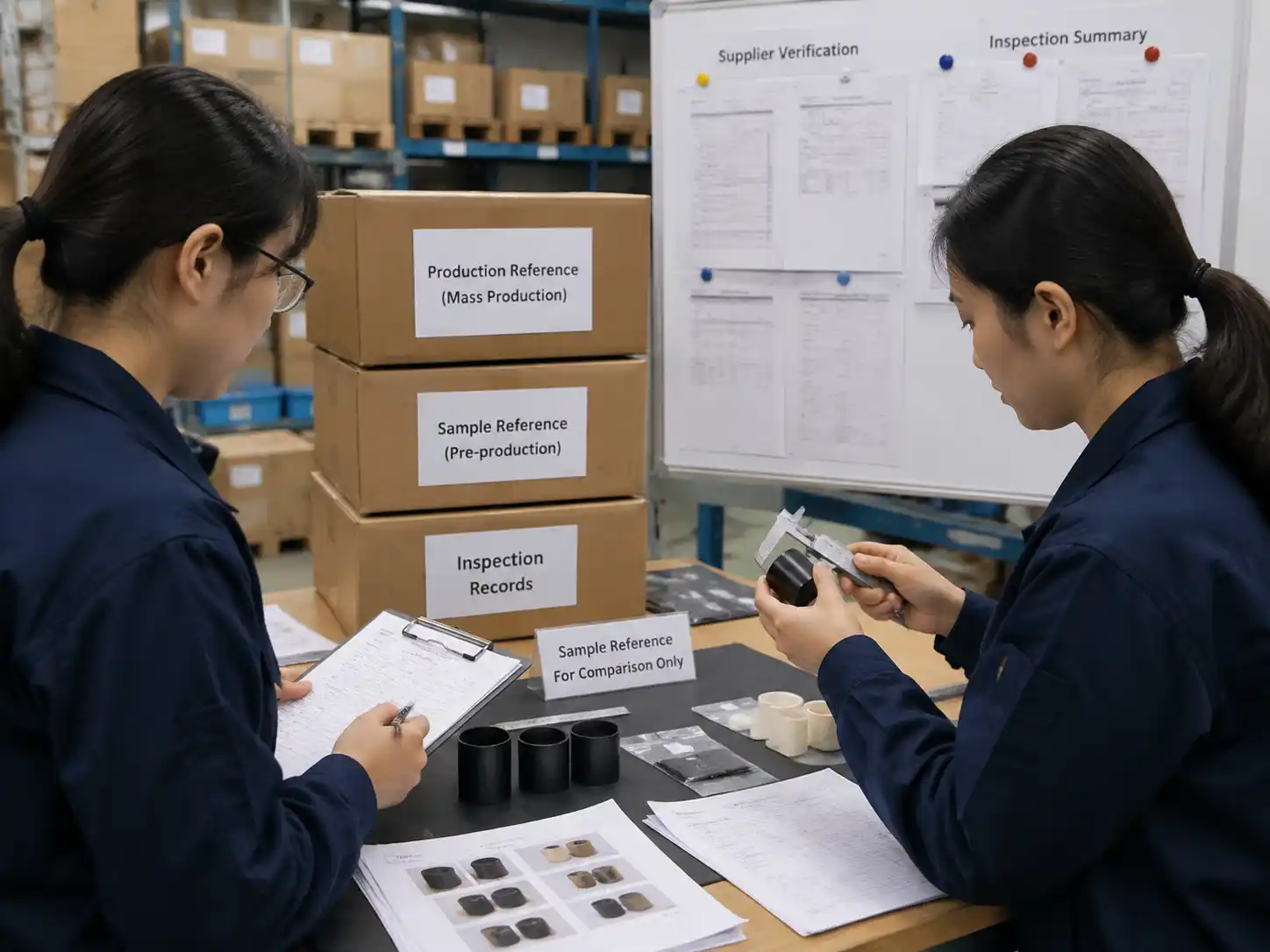
How does Giftpackpro approach sample difference communication?
Giftpackpro supports commercial packaging projects by focusing on clear sample references, revision communication, and approval records. For custom packaging development, buyers can review custom advent calendar box services and understand how sampling connects with engineering and production preparation.
Frequently asked questions about sample differences
Can a production sample be different from the first prototype?
Yes. Early prototypes are often used for structural verification, while later samples may include production methods, approved materials, or manufacturing improvements. Important changes should always be recorded and approved.
Does every small production variation require a new sample?
No. The requirement depends on whether the variation affects agreed specifications, appearance, function, or customer acceptance criteria. Project-specific approval rules should define which changes require review.
What is the best reference for mass production?
The best reference is usually the final approved sample supported by drawings, revision records, inspection criteria, and documented approval.
For custom seasonal packaging projects, maintaining a clear sample-to-production record helps reduce misunderstandings and supports reliable manufacturing decisions. To discuss a packaging project or request a review, request a custom quote from Giftpackpro.