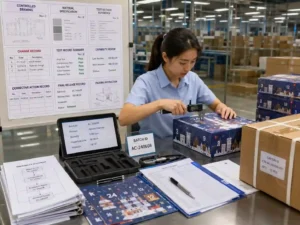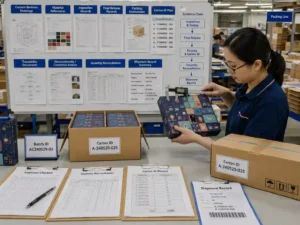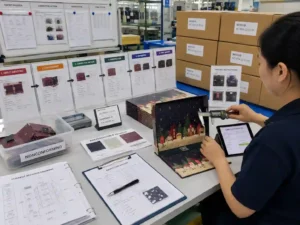
Case pack planning for multiple store sizes starts by matching carton quantities, product dimensions, and store-level demand requirements. The goal is to create pack configurations that support efficient replenishment without creating excess inventory, difficult handling, or unnecessary fulfillment adjustments. A practical plan uses retailer requirements, shelf conditions, shipping limitations, and approved packaging measurements before production quantities are finalized.
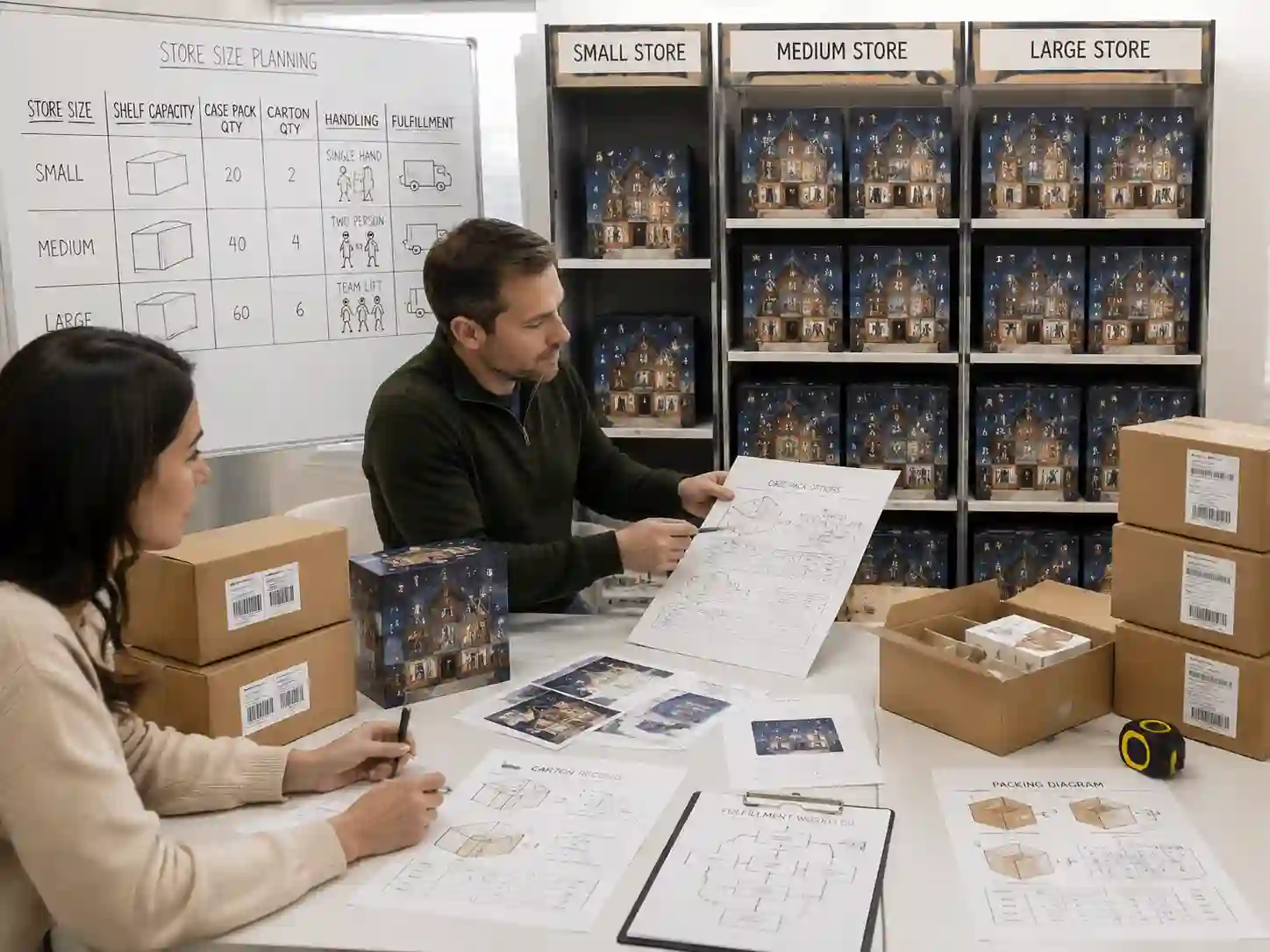
Why is case pack planning important for different store sizes?
Case pack planning is important because different stores may require different quantities, shelf capacities, and replenishment patterns. A small-format store may need fewer units per carton for easier handling, while a larger retail location or distribution center may accept higher quantities to improve efficiency.
For advent calendar boxes and seasonal paper packaging, the case pack decision should consider the relationship between the finished package size, shelf presentation, and movement through the fulfillment network. A carton that works well for one store format may create problems for another if the quantity, weight, or dimensions are not suitable.
How do you evaluate store requirements before selecting a case pack?
The first step is collecting retailer and fulfillment requirements before choosing a carton quantity. The approved case pack should be based on documented requirements rather than only production convenience.
| Requirement | What to review | Evidence to confirm |
|---|---|---|
| Store format | Small stores, standard stores, large locations, or distribution centers | Retailer packing instructions or buyer requirements |
| Shelf capacity | Available shelf width, height, depth, and display quantity | Shelf drawings, planograms, or store measurements |
| Carton handling | Weight, lifting convenience, and carton size | Carton dimension and weight records |
| Fulfillment flow | Warehouse picking, transport, and replenishment needs | Distribution instructions and packing records |
Giftpackpro packaging projects typically require reviewing the finished calendar dimensions and outer carton arrangement together. More details about packaging formats can be reviewed through custom advent calendar box products when selecting suitable structures for retail applications.
How should you compare different case pack scenarios?
A useful approach is to compare several carton quantity options before approving the final configuration. The best choice balances store practicality, transport efficiency, and inventory control.
- Lower quantity cases: Easier for smaller stores, but may increase carton handling frequency and transport requirements.
- Higher quantity cases: Can improve warehouse efficiency, but may exceed shelf replenishment needs or create heavier cartons.
- Mixed approaches: Some retailers may use different case packs depending on store type, region, or fulfillment channel.
What should be checked in a shelf and parcel scenario?
Case pack decisions should be tested against both retail shelf conditions and parcel or transport limitations.
- A shelf scenario checks whether the delivered quantity fits expected store replenishment patterns.
- A parcel scenario checks whether carton dimensions and weight remain practical for warehouse and delivery operations.
- A handling scenario checks whether staff can move and open cartons efficiently without damaging the packaging.
How do packaging engineers validate a case pack plan?
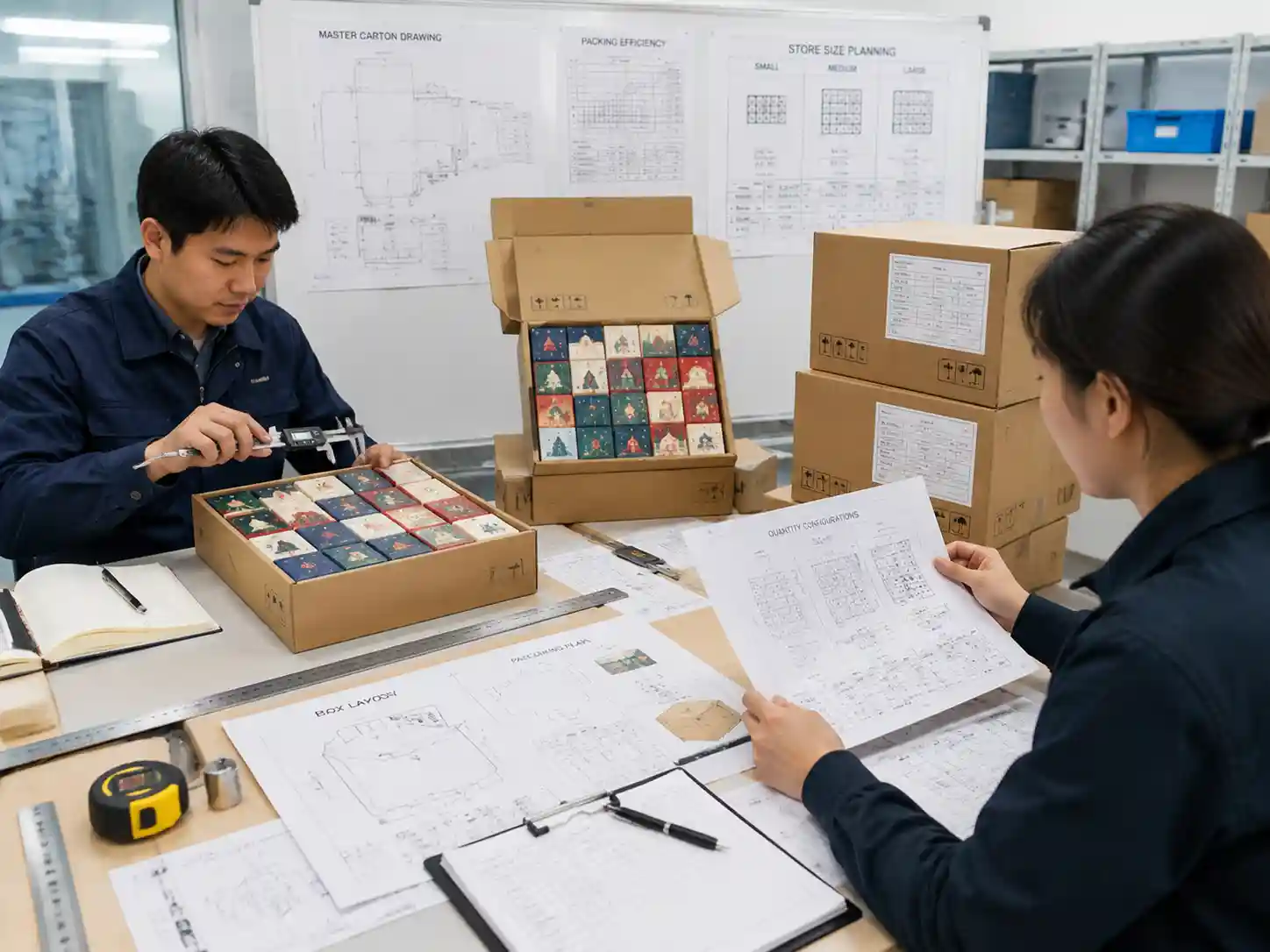
Packaging engineers validate case pack plans by using drawings, samples, measurements, and physical packing trials. The purpose is to confirm that the selected quantity fits correctly inside the master carton without excessive empty space or compression risk.
Common validation steps include:
- Confirm finished product dimensions from approved samples.
- Create carton layout drawings showing product orientation and quantity.
- Measure internal clearance and external carton dimensions.
- Review carton weight and handling requirements.
- Compare the planned arrangement with retailer and fulfillment requirements.
Important project records may include carton drawings, packing diagrams, dimension sheets, approval samples, and revised specifications. These records help different teams confirm that the approved case pack is the same configuration used during production.
What risks happen when case packs do not match store requirements?
A poorly planned case pack can create operational issues across retail and fulfillment channels. The risks are usually related to handling, inventory movement, and packaging protection.
- Too many units per carton may create difficult handling for smaller stores.
- Too few units per carton may increase warehouse activity and carton waste.
- Incorrect carton dimensions may reduce pallet efficiency or increase transport challenges.
- Unclear quantity records may cause receiving errors or inventory discrepancies.
These risks can be reduced by approving the case quantity, carton layout, and related documents before mass production begins.
How do buyers approve the final case pack configuration?
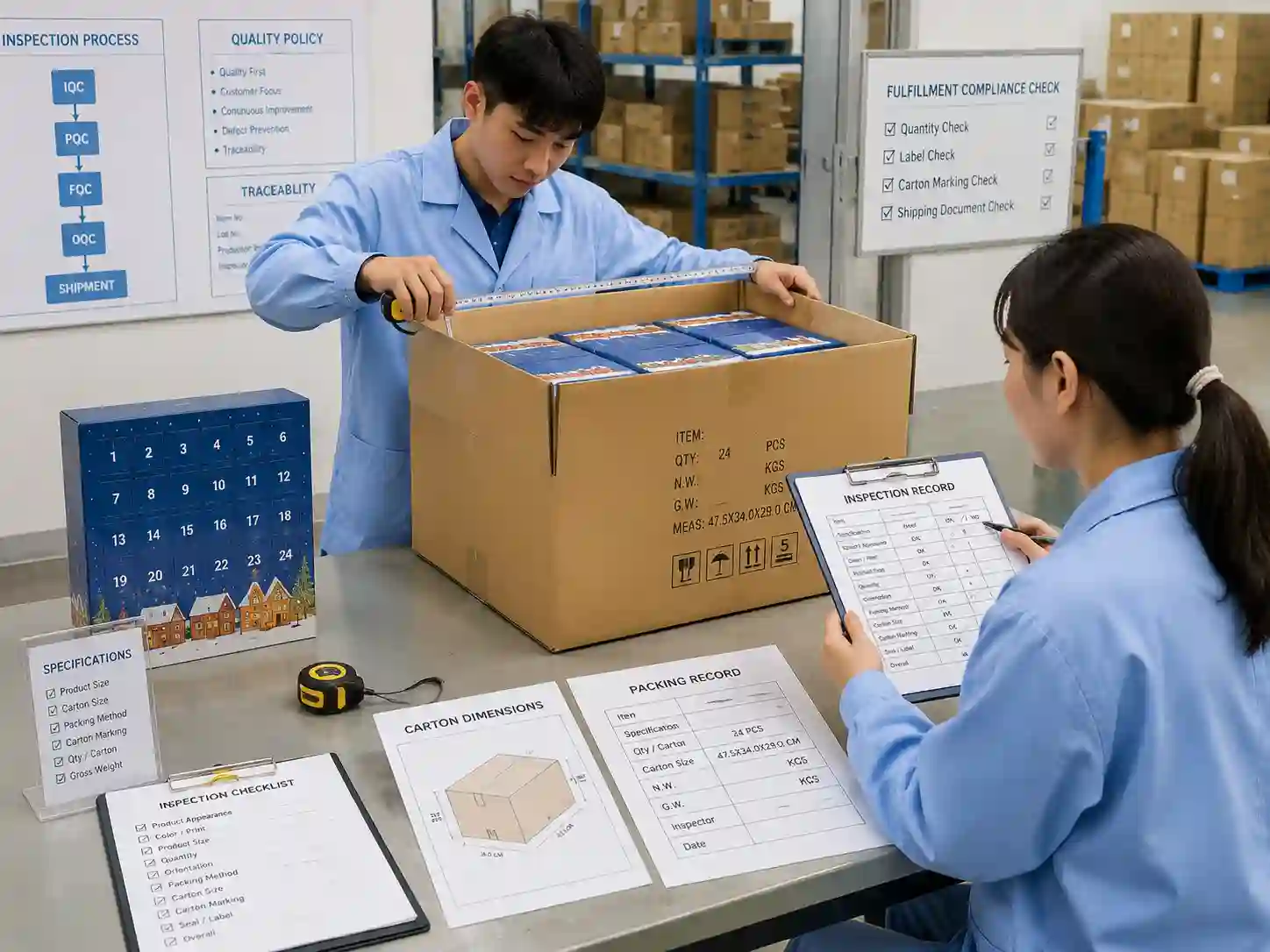
Buyer approval should confirm the actual quantity, carton arrangement, and handling requirements that will be used for delivery. Approval is normally based on documented specifications rather than verbal confirmation.
Useful approval records may include:
- Approved case pack quantity.
- Master carton dimensions and weight information.
- Packing layout drawings.
- Retailer-specific handling instructions.
- Sample carton review records.
The final approval should also clarify what can vary by project. Store networks, distribution models, seasonal demand, and retailer requirements may change the preferred case pack structure.
How can suppliers support case pack planning for multiple store sizes?
Suppliers can support the process by providing accurate packaging measurements, production samples, carton layouts, and packing verification records. This allows retail buyers, engineers, and fulfillment teams to make decisions using the same information.
For custom seasonal packaging projects, Giftpackpro can support packaging discussions from structural review through approved production specifications. Buyers can explore custom advent calendar box services or contact the team through request a custom quote when they need packaging solutions matched to specific retail requirements.
FAQs
Can one case pack work for all store sizes?
Not always. A single case pack may work for some retail networks, but different store formats often require adjustments based on shelf capacity, handling methods, and replenishment needs.
Should case pack planning happen before final packaging production?
Yes. Case pack decisions should be reviewed before production because carton dimensions, packing layouts, and handling requirements can affect the final packaging configuration.
What documents help verify an approved case pack?
Common verification documents include carton drawings, packing records, dimension sheets, sample approvals, and retailer requirement documents.
For more practical packaging decisions, explore additional advent calendar box buying guides or discuss your project requirements with Giftpackpro before final packaging approval.