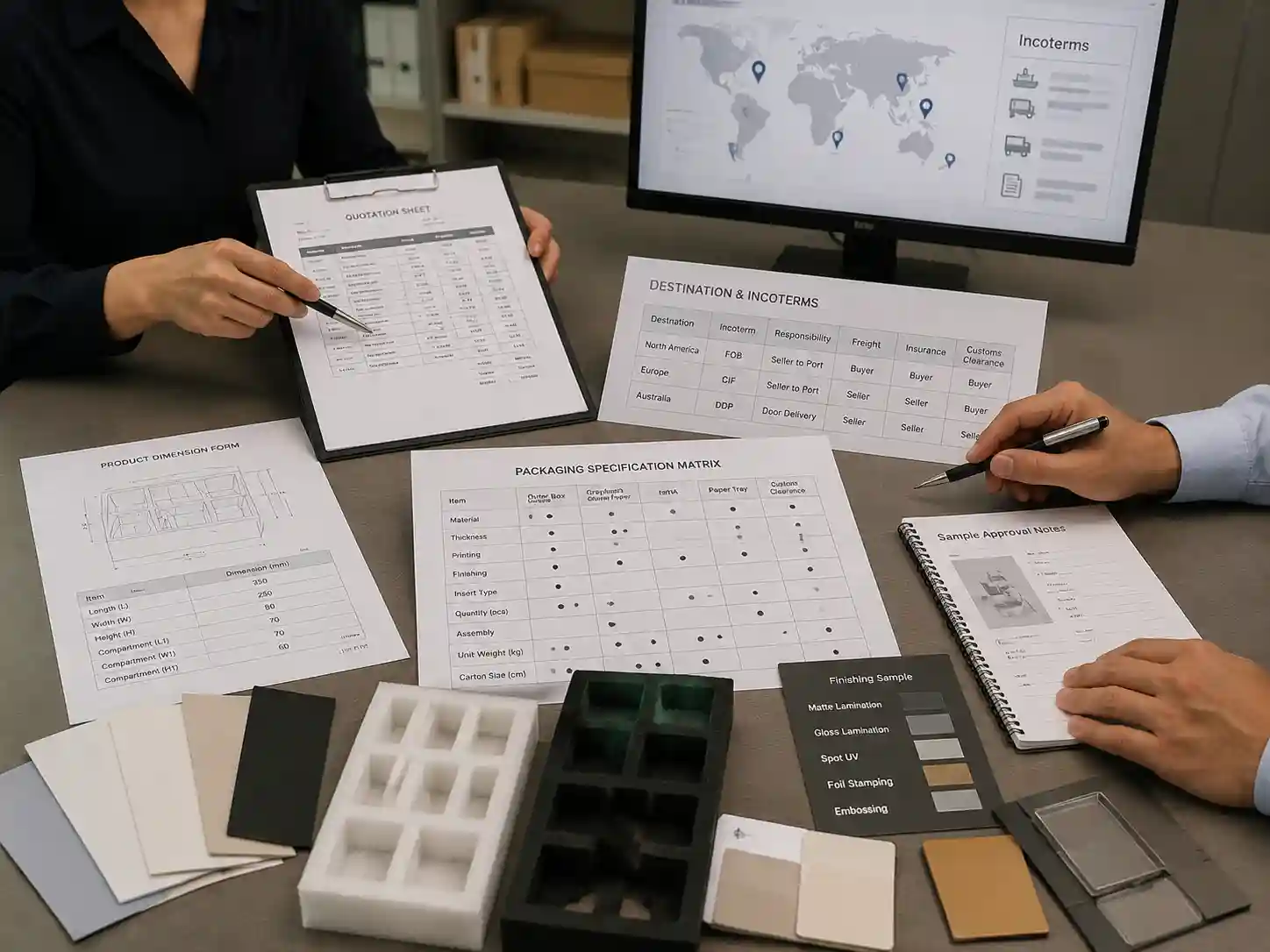
Delivery destination and Incoterms directly affect packaging quotations because they define which logistics responsibilities, export arrangements, and delivery costs are included in the supplier’s offer. The packaging specification may remain unchanged, but the quotation can vary depending on shipping location, transport method, and the agreed trade term. Buyers should confirm these details in the RFQ to compare supplier quotations accurately.
Why Do Delivery Destination and Incoterms Change Packaging Quotations?
Delivery destination and Incoterms change packaging quotations because suppliers need to understand where their responsibility starts and ends. A quotation for the same custom advent calendar box may include different cost elements depending on whether the supplier is quoting only factory delivery or a destination-based shipping arrangement.
For example, a quotation prepared under an export-focused term may require different logistics assumptions than one prepared for delivery to a buyer’s warehouse. The packaging production cost may be similar, but freight coordination, export handling, insurance responsibilities, and delivery arrangements can change the final quotation structure.
Which quotation elements are affected by destination and Incoterms?
The main affected areas usually include:
- Delivery location and distance from the production facility
- Export documentation responsibilities
- Transportation arrangement and freight calculation method
- Insurance responsibility where applicable
- Final delivery point used for cost comparison
- Supplier and buyer responsibilities during shipment
These factors should be separated from packaging specifications. A clear RFQ allows suppliers to quote the same box structure, materials, printing requirements, and packing method while using the same delivery assumptions.
How Should Buyers Specify Delivery Destination in an RFQ?
Buyers should provide a clear delivery destination instead of only naming a country or region. The more specific the destination information, the easier it is for suppliers to prepare comparable quotations.
A useful RFQ should include:
| Information Required | Why It Matters |
|---|---|
| Destination city and country | Helps suppliers estimate logistics requirements and delivery conditions |
| Warehouse, port, or final delivery point | Defines where responsibility and cost calculations may apply |
| Preferred transport method if known | Allows suppliers to avoid different freight assumptions |
| Required delivery term | Creates a consistent basis for quotation comparison |
For custom packaging projects, buyers should also confirm whether the quotation should cover only manufactured packaging or include transportation-related arrangements. This prevents suppliers from making different assumptions during pricing.

How Do Different Incoterms Affect Packaging Quote Comparisons?
Incoterms affect packaging quote comparisons because they define the allocation of shipping responsibilities between buyer and supplier. A lower factory-level price does not always represent a lower total procurement cost if delivery responsibilities are transferred differently.
When comparing quotations, buyers should check whether each supplier is quoting under the same Incoterm and delivery point. Comparing one supplier’s production-only quotation with another supplier’s destination-based quotation can create an inaccurate price comparison.
What should buyers compare when reviewing quotations?
| Quotation Check | Buyer Verification |
|---|---|
| Quoted Incoterm | Confirm that all suppliers use the same trade term for comparison |
| Delivery destination | Verify that the same location assumption is used |
| Included logistics scope | Check whether transport-related costs are included or excluded |
| Packaging production scope | Confirm that box specifications remain identical |
The quotation comparison should separate packaging manufacturing cost from logistics cost. This makes it easier to identify whether a price difference comes from production, delivery responsibility, or different assumptions.
What Documents Help Verify Delivery and Incoterm Assumptions?
Buyers can verify quotation assumptions through supplier documents and approval records rather than relying only on verbal explanations.
Useful verification evidence includes:
- RFQ documents showing agreed delivery destination
- Quotation sheets listing Incoterm information
- Commercial invoices or shipping documents when applicable
- Approved packaging specifications linked to the quotation
- Supplier confirmation records for shipment arrangements
For packaging projects, the quotation should remain connected to technical evidence such as product dimensions, packaging drawings, material specifications, and approved samples. This ensures that logistics assumptions do not hide differences in the actual packaging scope.
What Risks Occur When Delivery Terms Are Missing From Packaging RFQs?
Missing delivery and Incoterm information can create quotation differences that are difficult to identify after supplier responses are received.
- Suppliers may calculate different logistics assumptions
- Buyers may compare prices that include different cost responsibilities
- Production and shipment planning may require later adjustments
- Final procurement costs may differ from the original comparison
These risks can be reduced by adding delivery requirements as a fixed RFQ section alongside packaging drawings, materials, quantities, and approval requirements.
Which Parts Depend on Project Requirements and Buyer Approval?
The impact of delivery destination and Incoterms depends on the project’s shipping route, destination requirements, and procurement process. Buyers should approve the final delivery assumptions before selecting a supplier.
Project-dependent decisions may include:
- Whether the supplier or buyer arranges transportation
- Which delivery location is used for quotation comparison
- Whether logistics costs are evaluated separately from packaging cost
- Which shipping documents are required for internal approval
These decisions should be recorded in the quotation approval process so purchasing teams, product managers, and suppliers work from the same commercial assumptions.
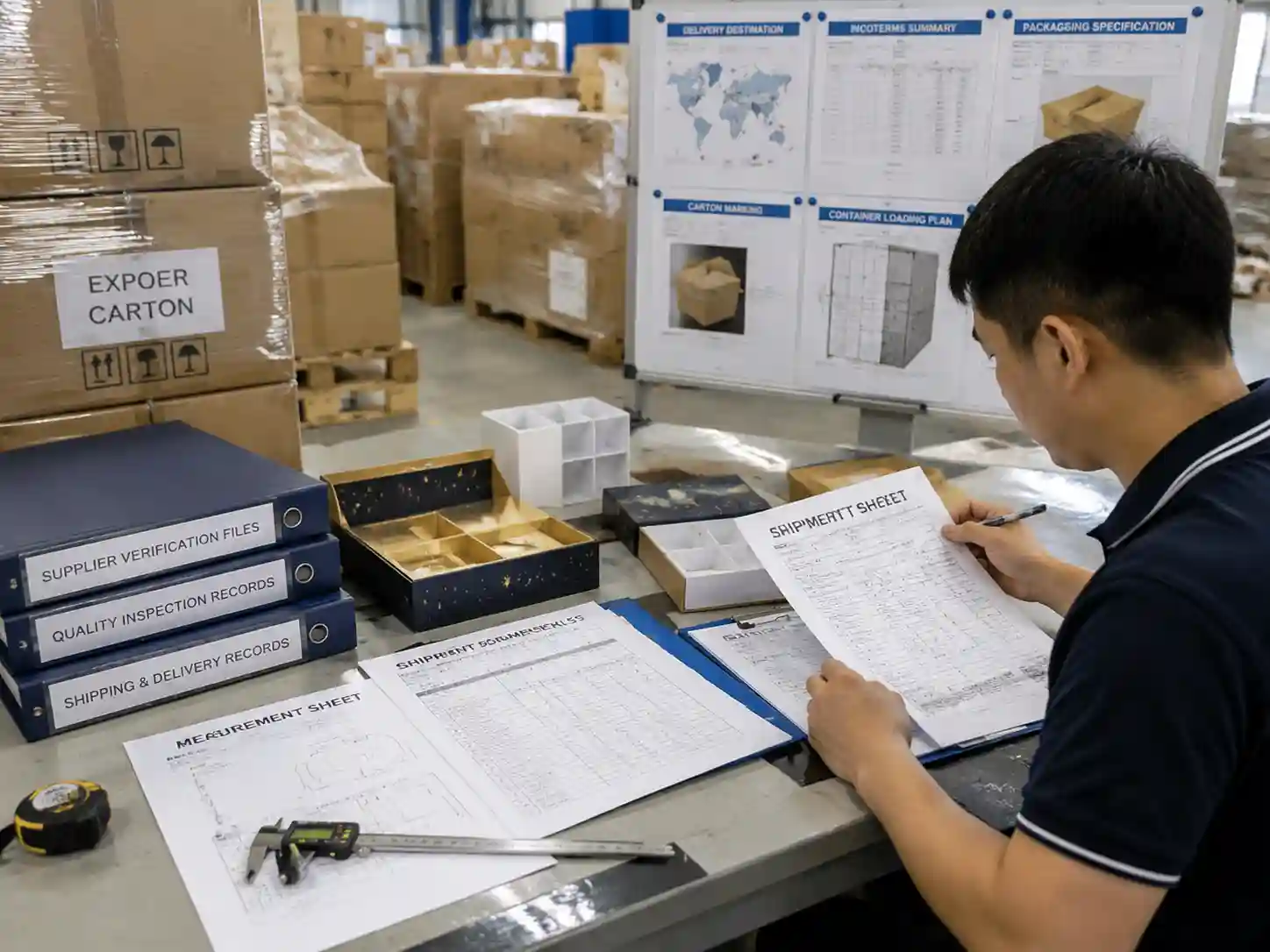
Packaging Quotation Incoterms Impact: RFQ Checklist for Buyers
Before requesting quotations, buyers can use this checklist to improve quotation accuracy:
- Define the exact delivery destination
- State the required Incoterm or confirm supplier proposal format
- Specify whether logistics costs should be separated
- Ensure all suppliers quote the same packaging specifications
- Request quotation documents showing included and excluded costs
- Keep delivery assumptions together with packaging approval records
For buyers sourcing custom advent calendar boxes, Giftpackpro supports quotation preparation through structured packaging specifications, product details, and project communication. Buyers can review custom advent calendar box services, explore custom advent calendar box products, or request a custom quote with clear project requirements.
FAQs
Does the packaging design change when Incoterms change?
Usually, the packaging design does not change. Incoterms mainly affect commercial and logistics responsibilities, while packaging specifications are controlled through drawings, samples, and technical requirements.
Should buyers include Incoterms in every packaging RFQ?
Yes. Including Incoterms helps suppliers prepare quotations with consistent assumptions and allows buyers to compare offers more accurately.
Why can two suppliers quote different prices for the same packaging?
Price differences may come from production assumptions, delivery destination, included logistics scope, or different quotation terms. Buyers should review the full quotation structure before comparing prices.