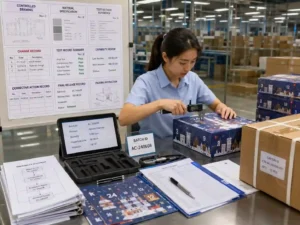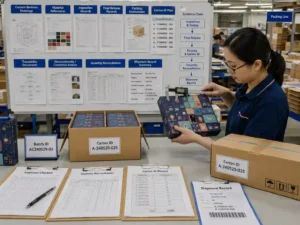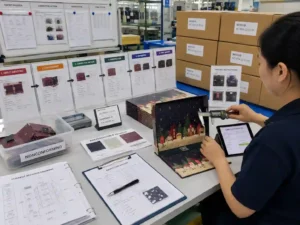
Designing compartments for collectible figures with different shapes requires matching each cavity to the figure’s dimensions, weight distribution, fragile points, and movement risks. A collectible figure mixed shape insert should prevent parts from touching, shifting, crushing nearby items, or creating uneven pressure on the calendar structure. The process usually combines product measurements, prototype testing, cavity adjustments, and inspection records before final packaging approval.
How Do You Design a Collectible Figure Mixed Shape Insert?
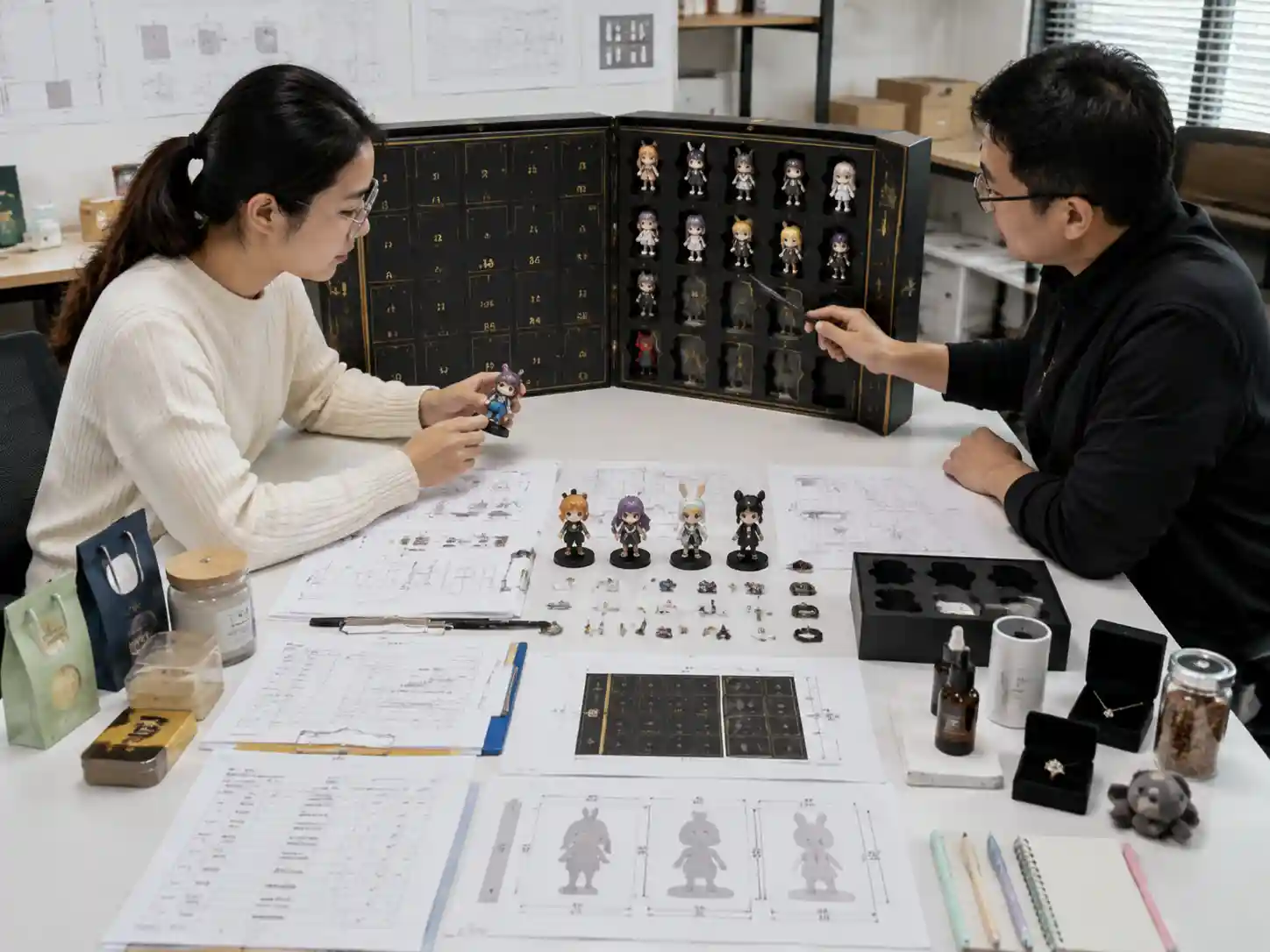
A mixed-shape insert is designed by separating figures according to their physical characteristics rather than forcing all products into identical cavities. Packaging engineers first review figure height, width, base shape, protruding parts, accessories, and center of gravity.
The compartment design normally considers:
- Body shape and irregular outlines that affect cavity clearance.
- Thin or fragile parts that may require additional protection zones.
- Different weights that can cause movement during handling.
- Removal access so figures can be taken out without damaging surfaces.
- Spacing between figures to prevent rubbing, tangling, or impact.
What Measurements Are Needed Before Creating Figure Compartments?
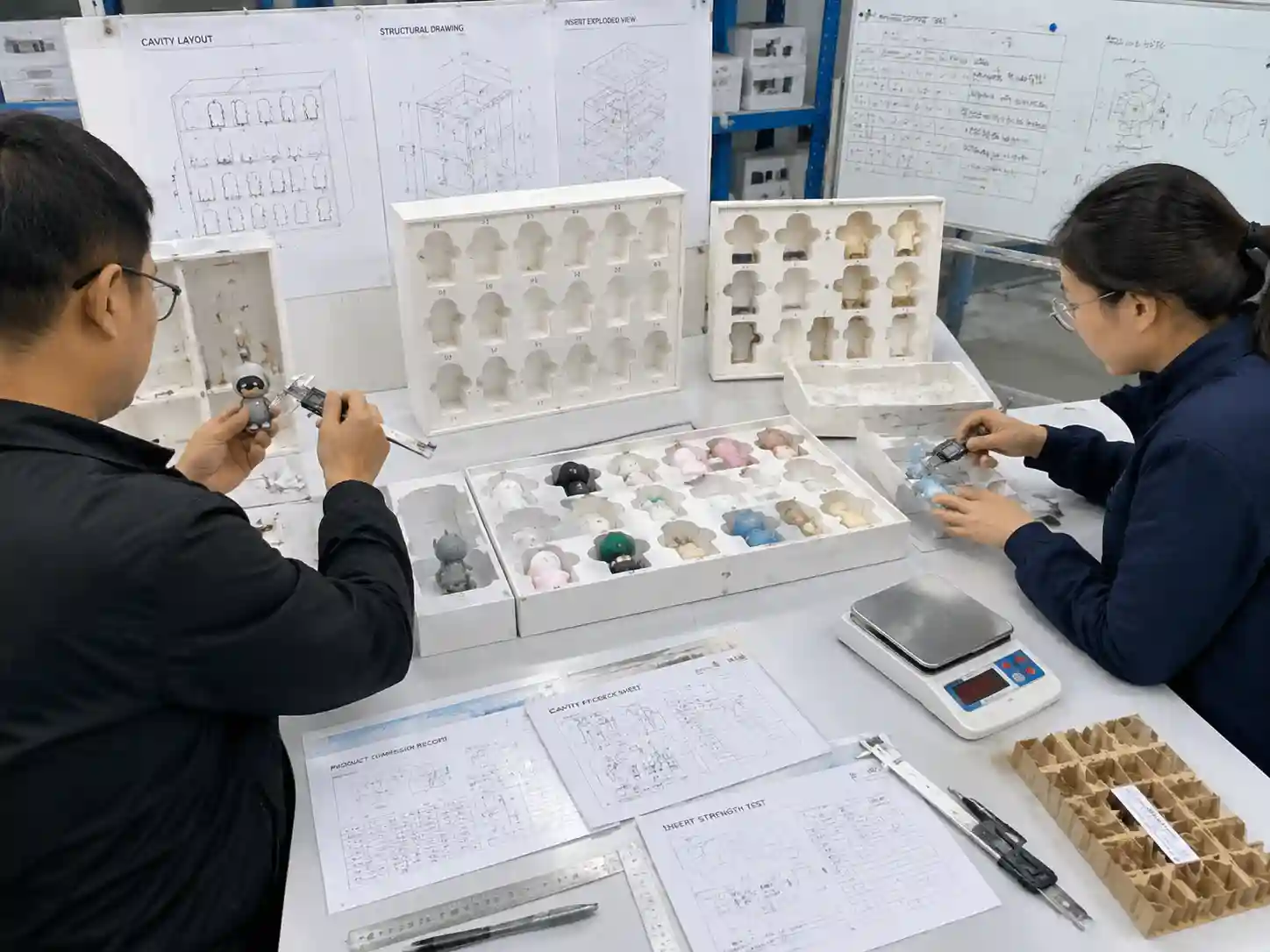
Accurate measurements help determine whether a cavity supports the figure without excessive looseness or pressure. Suppliers and buyers typically review product drawings, physical samples, or measurement records before approving insert dimensions.
| Figure characteristic | Packaging risk | Design response |
|---|---|---|
| Different heights and silhouettes | Uneven support or wasted space | Create individual cavity depths and shaped supports |
| Small protruding parts | Breakage or pressure marks | Add clearance areas around sensitive sections |
| Heavy bases or weighted figures | Insert deformation | Strengthen lower support points |
| Mixed accessory pieces | Parts mixing between days | Use separated compartments and controlled openings |
How Do Packaging Engineers Test Different Figure Shapes?
Prototype testing verifies whether the insert works with actual figures instead of only relying on drawings. Engineers usually load sample figures into trial cavities and check fit, movement, removal, and structural support.
Useful verification methods include:
- Comparing cavity dimensions against product measurements.
- Checking whether figures move when the package is tilted or handled.
- Reviewing whether doors, drawers, or panels close without pressure.
- Recording changes between prototype versions.
Project requirements vary depending on figure materials, surface finishes, accessory quantity, and the final calendar structure. A rigid figure with a stable base may need different support compared with a lightweight figure containing delicate extensions.
How Can Mixed Figure Compartments Prevent Packaging Problems?
The main goal is to create clear packaging boundaries around every figure. Poor compartment design can lead to surface scratches, broken details, movement noise, uneven weight distribution, or bulging when the calendar closes.
| Potential issue | Cause | Check method |
|---|---|---|
| Figures touch each other | Insufficient cavity separation | Visual inspection and fit comparison |
| Closed panels do not align | Product height exceeds available space | Loaded sample review |
| Insert bends during packing | Weight exceeds support design | Prototype loading assessment |
| Small parts become mixed | Poor compartment boundaries | Assembly and packing checks |
What Records Help Approve a Figure Calendar Packaging Design?
Approval decisions are easier when suppliers provide clear evidence instead of only finished photos. Useful records may include cavity drawings, product dimension sheets, prototype images, fit notes, inspection checklists, and approved sample references.
Buyers should separate verified information from project decisions. Measurements and sample observations can be recorded, while final cavity layouts, materials, and protection levels depend on the actual collectible figure set.
How Does Quality Control Check Collectible Figure Compartments?
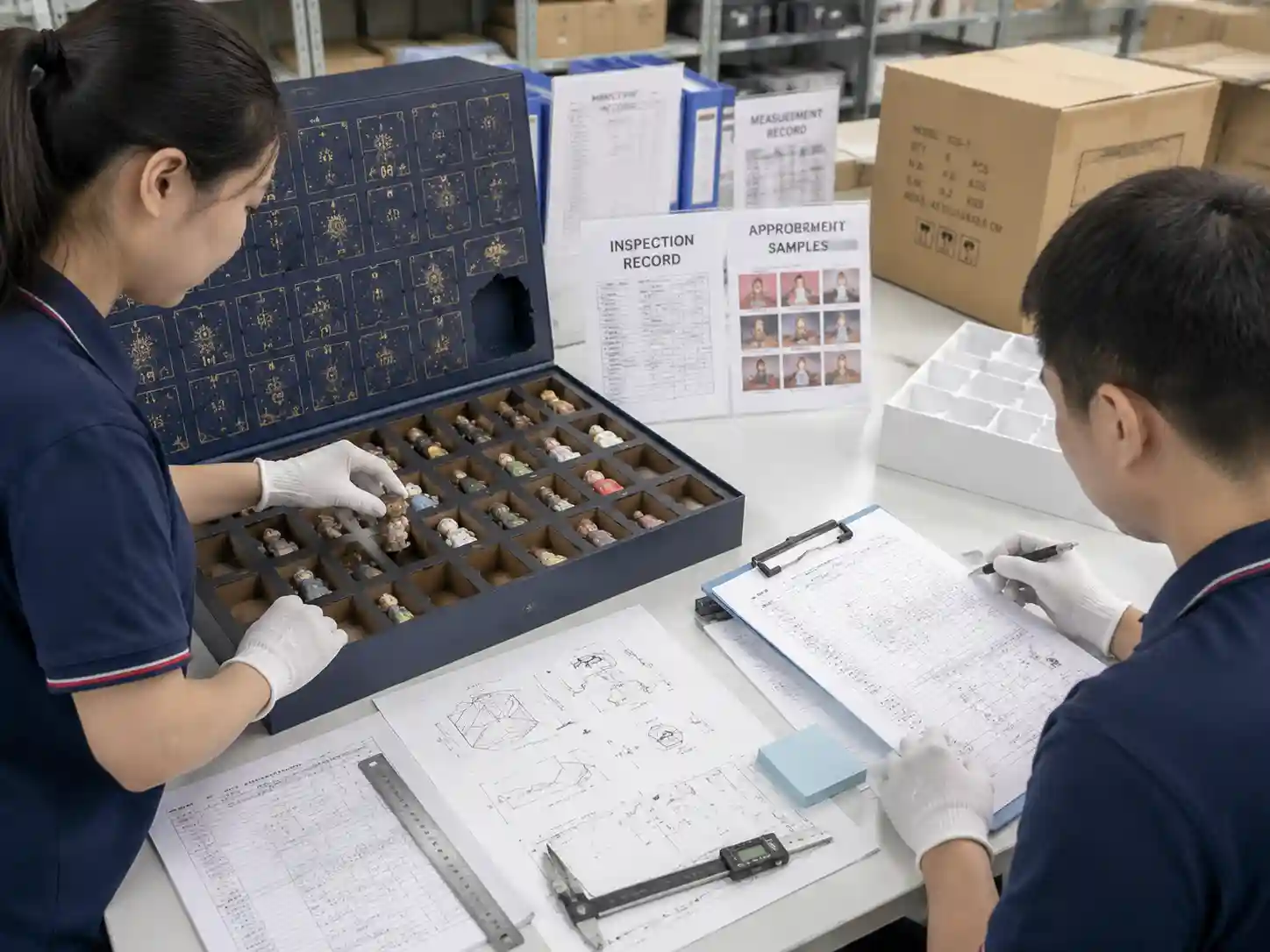
Quality checks confirm that production follows the approved compartment design. Inspectors may review cavity placement, figure orientation, insert condition, separation between items, and packing accuracy.
- Check that each figure position matches the approved layout.
- Confirm that inserts are not damaged or deformed.
- Verify that figures remain separated during packing.
- Compare production samples with approved references.
Inspection records, measurement notes, and packing documentation help identify whether a problem comes from product variation, insert accuracy, or assembly handling.
FAQs About Collectible Figure Mixed Shape Inserts
Can one insert hold figures with very different shapes?
Yes, but the insert usually needs customized cavities, support points, and clearance areas rather than identical compartments.
Why are physical samples important for figure compartment design?
Physical samples reveal real issues such as unexpected protrusions, weight imbalance, movement, and closing pressure that drawings may not show.
Should every collectible figure have its own cavity?
Not always. The decision depends on figure size, accessory quantity, surface sensitivity, and the required separation level.
For projects requiring custom seasonal packaging structures, Giftpackpro provides custom advent calendar box services and supports packaging development from concept review to production preparation. Contact the team through request a custom quote to discuss a collectible figure compartment solution.