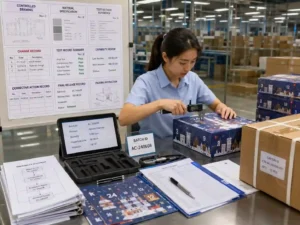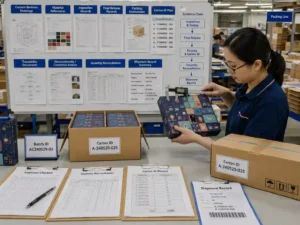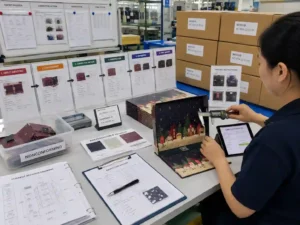
Quick answer: Sachet sample compartment presentation depends on controlling the visible fill level, orientation, support, and surrounding structure rather than simply adding more products. Packaging engineers typically use fitted inserts, backing layers, positioning features, and loaded sample checks to make small sachets and trial-size items appear intentional. The final approach varies by sachet size, product format, brand presentation requirements, and the protection needed during handling.
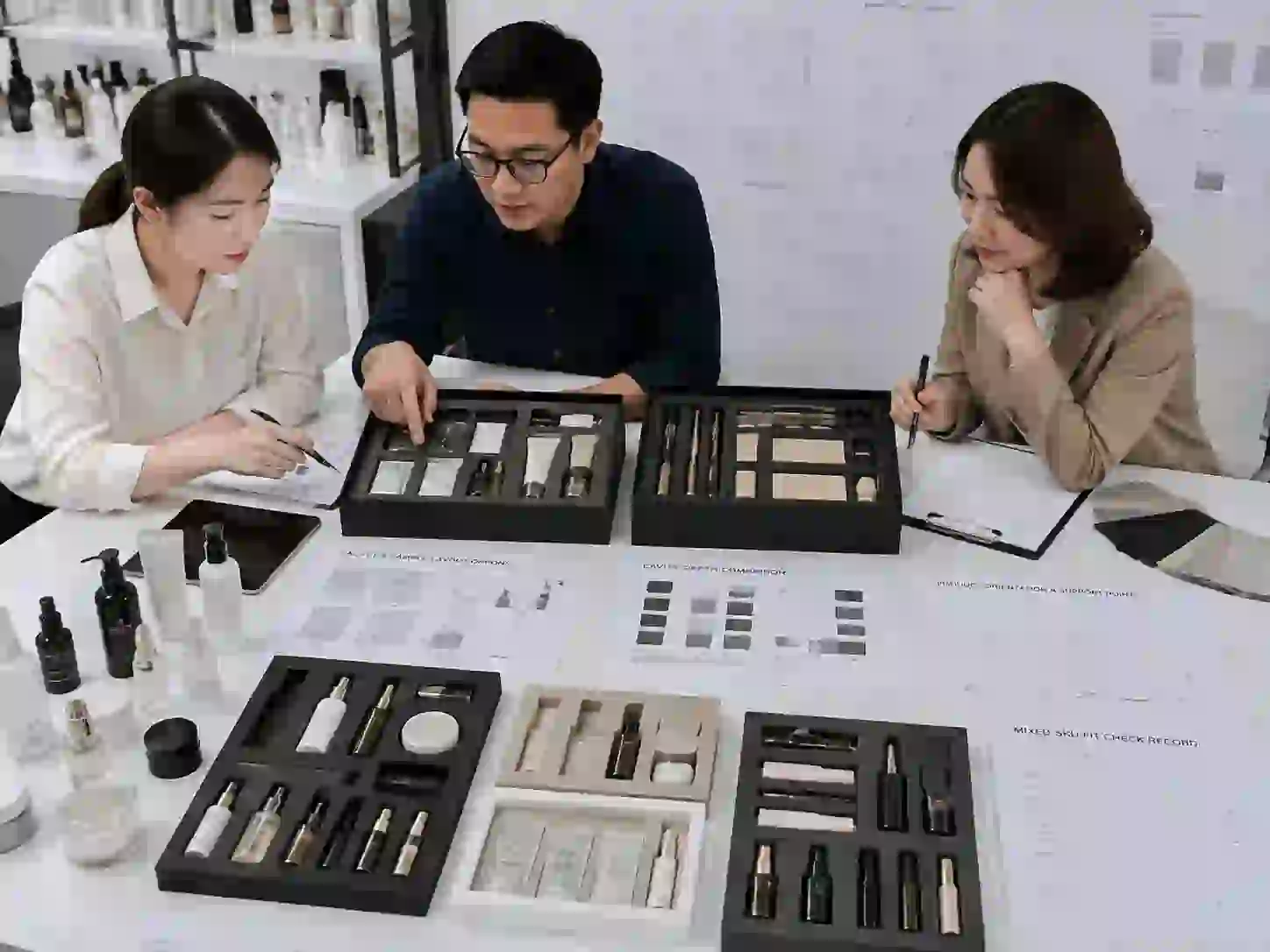
How Do You Improve Sachet Sample Compartment Presentation?
The best way to improve sachet presentation is to design the compartment around the actual sample dimensions, including thickness, flexibility, label visibility, and how the item will sit when the calendar is opened. Empty-looking compartments often result from excessive cavity depth, poor orientation, or insufficient visual support behind thin products.
For beauty advent calendar packaging, sachets and small samples should be treated as presentation items rather than loose fillers. A packaging review should confirm:
- The sachet face or printed area is visible from the opening direction.
- The compartment depth does not create unnecessary empty space.
- The product remains aligned after assembly and transport.
- The surrounding insert supports the item without damaging seals or edges.
Why Do Sachet Compartments Look Empty Even When They Are Correctly Filled?
Sachet compartments can appear incomplete when the product occupies only a small percentage of the cavity volume. This is usually a visual proportion issue rather than a quantity issue.
| Risk area | Common cause | Packaging check |
|---|---|---|
| Large visible gaps | Compartment designed from outer dimensions instead of actual product size | Measure loaded cavity clearance with production samples |
| Flat sachets appear weak | Thin flexible products collapse against the compartment base | Review backing support or insert structure |
| Small bottles appear misplaced | Mixed sample sizes share unsuitable cavities | Verify orientation and SKU grouping |
| Labels are difficult to see | Product faces downward or shifts after packing | Complete opening-view inspection |
How Should Compartments Be Designed for Small Sachets and Trial Samples?
Compartments should be sized from approved product samples, not only from packaging drawings. Engineers normally evaluate the loaded condition to balance visual fullness with safe removal and protection.
Should Sachets Use Backing Layers or Raised Supports?
Backing layers or shallow support features can improve the visual appearance of thin sachets by preventing them from disappearing into deep cavities. These features should support the product without creating pressure points on seals.
Depending on the project, solutions may include:
- Raised insert platforms for flat sachets.
- Paperboard or molded supports behind flexible samples.
- Reduced cavity depth for small trial items.
- Orientation guides for consistent product facing.
The correct choice depends on the sachet material, sealing area, opening experience, and the required protection level.
What Fit Tests Should Be Completed Before Production?
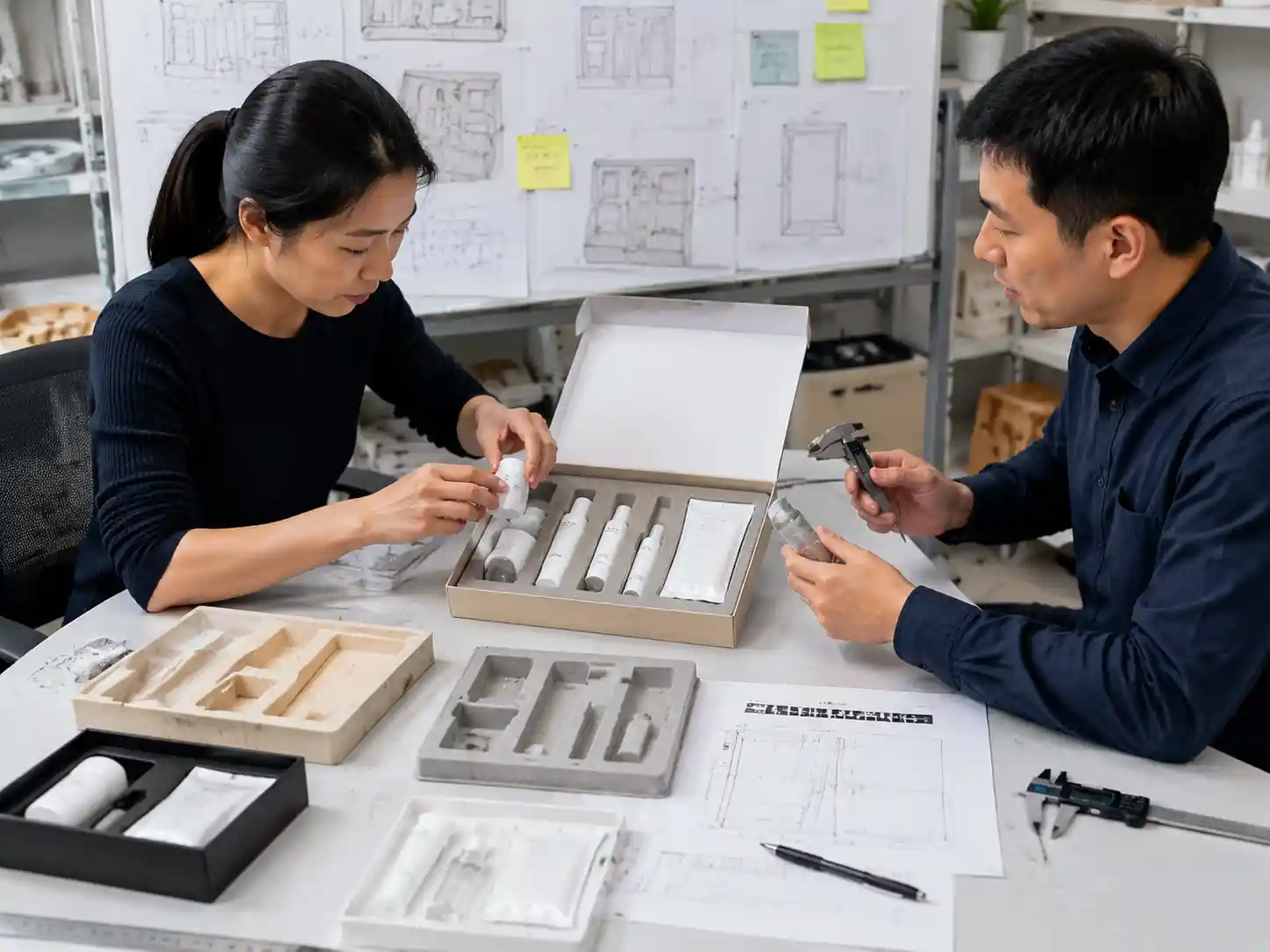
A loaded-SKU fit test confirms whether the compartment looks intentional and performs correctly with real samples. Packaging teams should review physical samples rather than relying only on CAD dimensions.
- Place approved sachets and sample products into final compartment prototypes.
- Check visible product position from the consumer opening angle.
- Measure side clearance, depth clearance, and movement space.
- Test removal without tearing, bending, or damaging the sample.
- Record approved orientation and support requirements.
What Should Be Included in a Loaded-SKU Review?
- Actual sachet thickness after filling.
- Sample bottle diameter, cap height, or closure shape where applicable.
- Label visibility and product-facing direction.
- Contact points between products and inserts.
- Final compartment appearance after the calendar is closed and opened.
How Do You Balance Visual Fullness With Product Protection?
A compartment should look complete without creating excessive pressure on the sample. Overfilling or reducing clearance too much can increase risks such as sachet puncture, seal damage, scuffing, or difficulty during packing.
For mixed beauty samples, engineers may compare:
- Flat sachets versus small tubes.
- Mini bottles with caps versus flexible pouches.
- Different product orientations inside adjacent compartments.
- Visibility requirements for labels and product identification.
The approved configuration should be supported by physical samples, measurement records, and packaging approval documents.
How Are Sachet Compartments Verified During Quality Inspection?
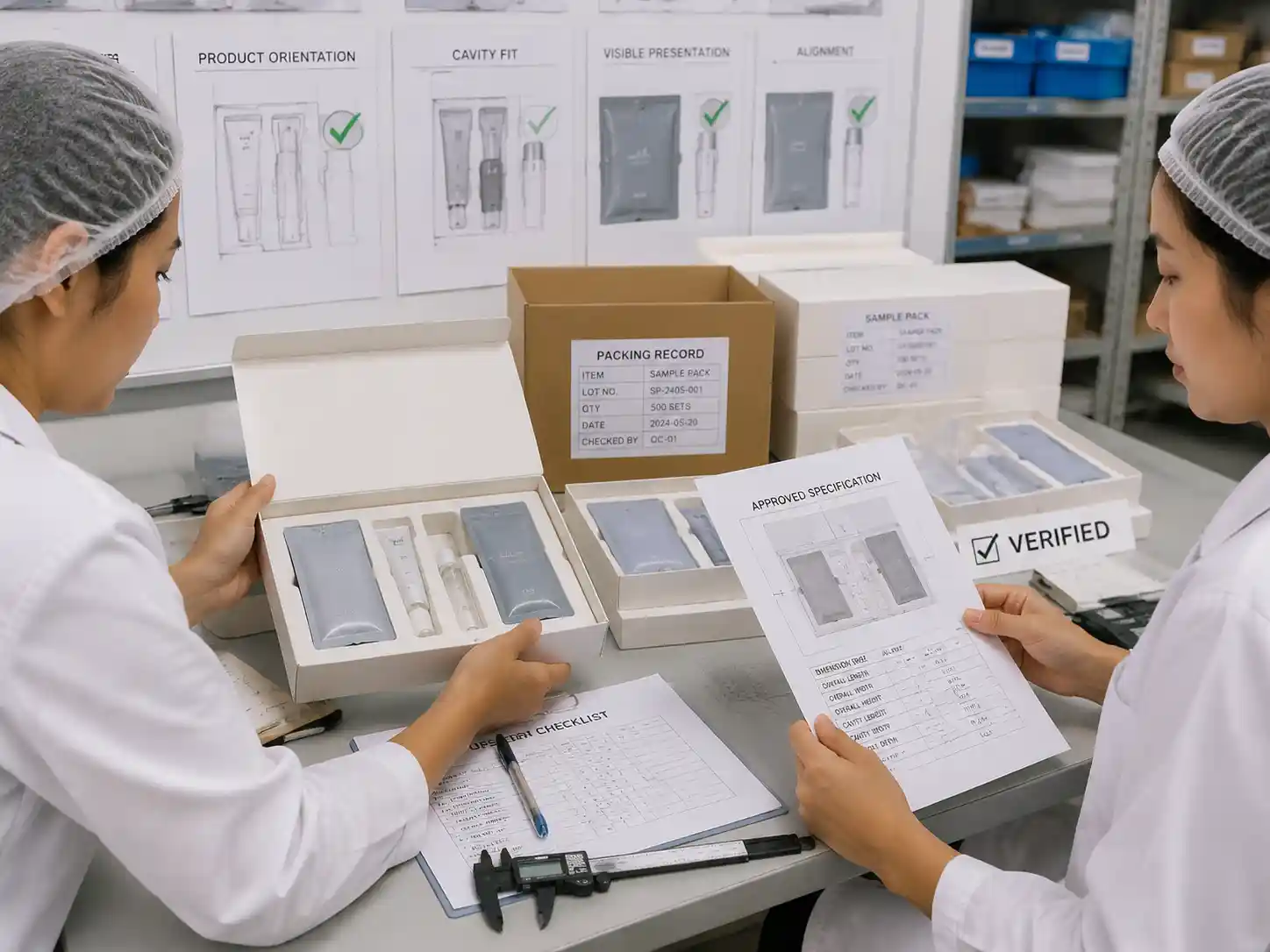
Quality checks should confirm that production units match the approved compartment design. Inspectors usually verify product placement, cavity dimensions, appearance, and packing consistency.
Typical verification evidence includes:
- Approved loaded sample reference.
- Compartment dimension records.
- Packing instructions showing product orientation.
- Inspection photos of assembled units.
- Records of any approved design changes.
What Information Should Buyers Approve Before Mass Packing?
Buyers should approve the final loaded appearance, not only the empty box structure. Important approval points include the product arrangement, visible presentation, insert support method, and acceptable clearance.
These decisions vary by product format. A thin serum sachet, a mini glass vial, and a small mascara tube may require different compartment solutions even when they occupy similar spaces.
FAQ: Can a Deeper Compartment Always Be Reduced to Make Samples Look Fuller?
No. Reducing depth without checking product removal and protection can create compression or handling problems. The final depth should be confirmed through loaded sample evaluation.
FAQ: Should All Sachets Face the Same Direction?
Not always. Consistent orientation usually improves presentation, but the best direction depends on label visibility, opening sequence, and how products interact with neighboring compartments.
FAQ: How Can Buyers Confirm the Design Works Before Production?
Buyers can request physical loaded samples, measurement records, and approval photos showing the final compartment arrangement before production release.
Giftpackpro develops custom advent calendar packaging solutions with structured compartment planning for beauty samples, mini products, and seasonal packaging formats. Learn more about custom advent calendar box services or request a custom quote for a packaging review.