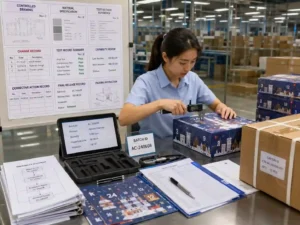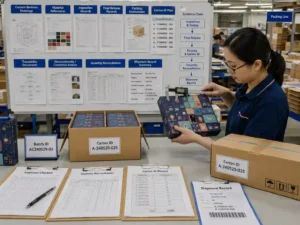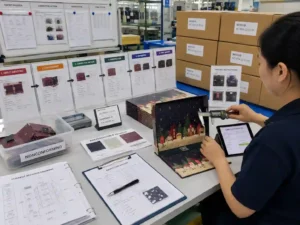
A golden sample is the approved physical reference that defines the final packaging standard before production. It should include the confirmed structure, approved appearance, verified product fit, recorded revisions, and formal approval evidence. For custom advent calendar boxes and seasonal paper packaging, a complete golden sample helps teams align design, engineering, purchasing, and quality decisions before manufacturing begins.

What should be included in a golden sample?
A golden sample should include every feature that will be used as the final production reference, including approved structure, materials, finishing details, product loading conditions, and documented approval records.
The exact contents vary by project complexity, but a reliable golden sample package normally contains physical evidence and written records rather than only digital files or drawings.
- Approved structural sample: The final box construction, folding method, drawer movement, doors, hinges, sleeves, magnets, or closure systems should match the approved design.
- Production-method appearance: Where appearance is critical, the sample should reflect the intended printing and finishing process rather than only a digital mockup.
- Product-fit validation: The sample should demonstrate that the actual product or representative loading condition works correctly inside the packaging.
- Revision history: Previous changes, corrections, and approved modifications should be traceable.
- Approval confirmation: The responsible teams or stakeholders should confirm that the sample represents the accepted standard.
For projects requiring customized structures, Giftpackpro supports customers through custom advent calendar box services that connect structural development, sampling, and approval steps.
Why is a golden sample important before production?
A golden sample reduces uncertainty by creating one physical reference that different teams can evaluate consistently. It prevents production decisions from relying on separate interpretations of drawings, artwork files, or previous sample versions.
In packaging projects, common production risks come from small differences in structure, tolerance, assembly, or finishing expectations. A golden sample provides a controlled reference for checking whether future production matches the approved condition.
| Sample element | Purpose | Evidence to keep |
|---|---|---|
| Final structure | Confirm dimensions, assembly, and function | Approved sample, structural drawing, measurement notes |
| Loaded condition | Verify product fit and handling performance | Product-fit photos, inspection notes, loading results |
| Surface appearance | Confirm approved visual standard | Approved finish sample, artwork reference, comments |
| Changes and corrections | Prevent old errors returning | Revision record and approval history |
What checks should be completed before approving a golden sample?
The approval process should verify both physical performance and documented requirements. A golden sample should not only look correct; it should demonstrate that important functions have been checked.
Should product fit be tested in a golden sample?
Yes. Product fit should be confirmed when the packaging is designed around specific items. The check should verify placement, removal, protection, and interaction with internal features.
Depending on the project, teams may review:
- Product positioning inside compartments.
- Clearance around products and accessories.
- Ease of opening and removing items.
- Stability during handling.
- Compatibility with inserts or retention features.
Should measurements be recorded for the approved sample?
Yes. Important dimensions should be recorded so production teams have measurable references instead of relying only on visual comparison.
Typical records may include finished dimensions, component alignment, drawer movement allowance, panel positions, and other project-specific measurements.
How should golden sample revisions be recorded?
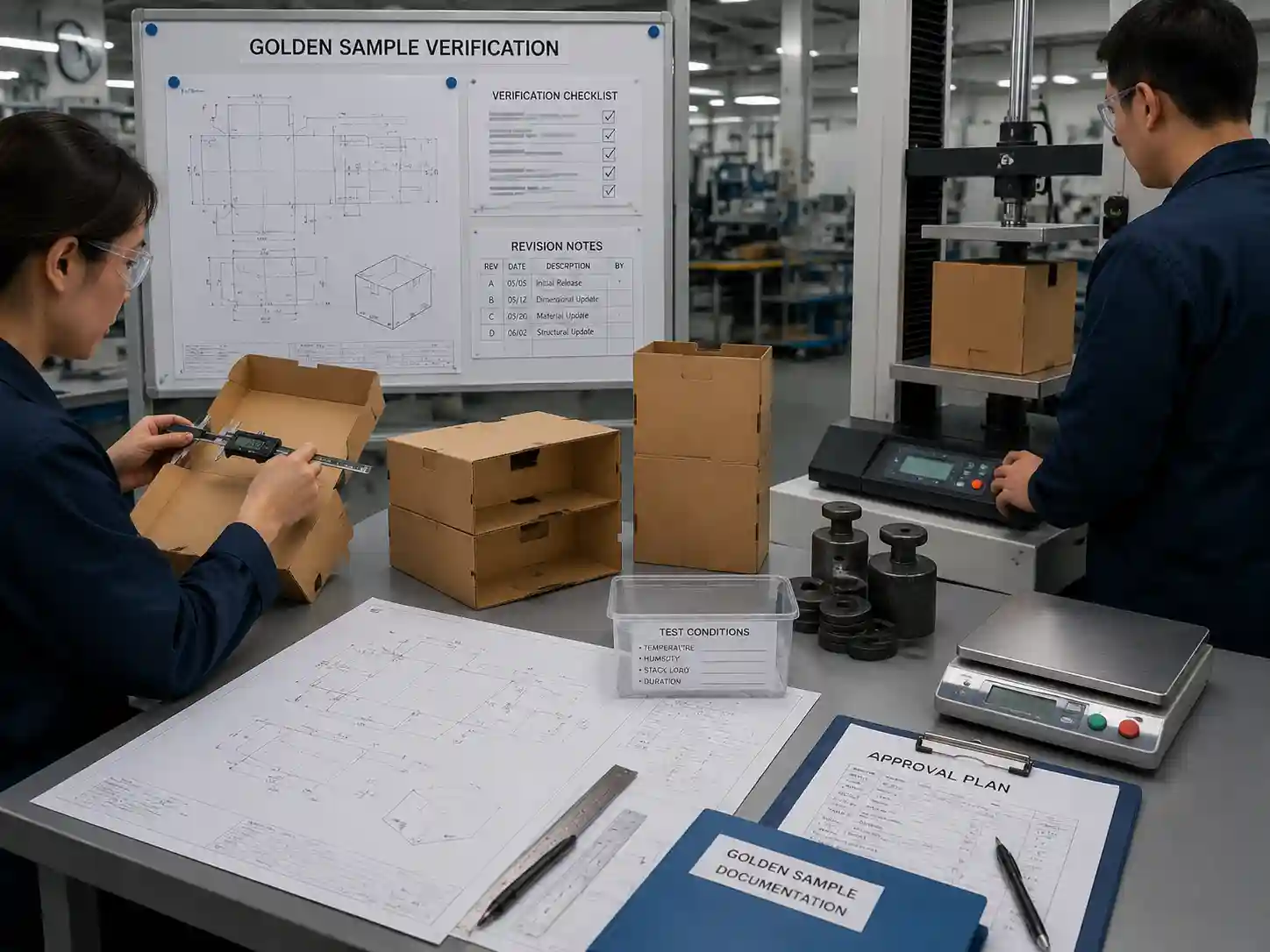
Golden sample revisions should create a clear history showing what changed, why it changed, and which version became the approved reference.
A simple revision record example:
| Revision | Change | Reason | Approval status |
|---|---|---|---|
| Rev A | Initial approved structure | Baseline sample review | Under review |
| Rev B | Adjusted drawer clearance | Improved product fit | Approved |
| Rev C | Updated finishing reference | Confirmed final appearance | Production reference |
This record helps purchasing teams, quality teams, and suppliers understand which sample should be followed if questions appear during production.
What approval checklist should a golden sample include?
A practical approval checklist should confirm that the sample meets the agreed requirements before it becomes the production reference.
- ☐ Structure matches approved drawings.
- ☐ Product loading has been reviewed.
- ☐ Functional parts operate correctly.
- ☐ Materials and finishing match the approved standard.
- ☐ Required measurements have been recorded.
- ☐ Revision history is complete.
- ☐ Responsible parties have approved the final reference.
The checklist content depends on the packaging type, product requirements, and project risks. Complex advent calendar structures may require more functional checks than simple folding cartons.
How is a golden sample different from other packaging samples?
A golden sample is different because it represents the final approved reference, while earlier samples are usually created for testing, improvement, or decision-making.
| Sample type | Main purpose |
|---|---|
| Prototype sample | Evaluate initial structure and concept |
| Engineering sample | Check functionality and construction details |
| Production-method sample | Confirm manufacturing process and appearance |
| Golden sample | Provide the approved final reference |
Using the correct sample stage helps avoid approving packaging before important production details have been verified.
What documents should accompany a golden sample?
A golden sample should be supported by documents that explain what was approved and how future checks should be performed.
- Approved artwork or visual reference.
- Final structural information.
- Revision records.
- Measurement records.
- Approval comments.
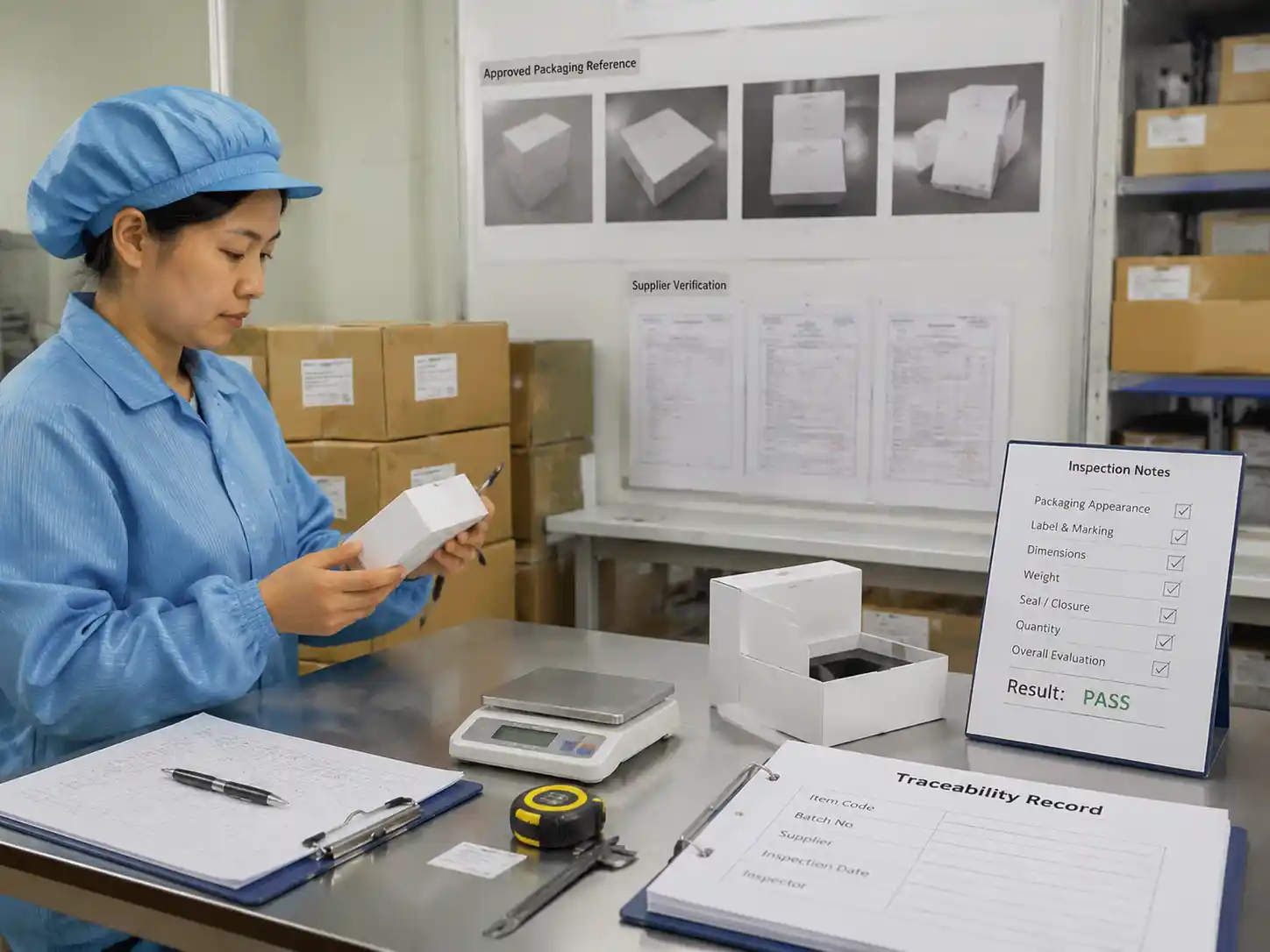
- Inspection or verification notes where applicable.
These records create traceability between development decisions and manufacturing execution.
Frequently asked questions about golden samples
Can a digital file replace a golden sample?
No. Digital files are important references, but they cannot fully replace physical verification of structure, fit, assembly, and finishing performance.
Who should approve a golden sample?
Approval responsibility depends on the project. Product teams, purchasing teams, designers, and quality representatives may each review different aspects before final acceptance.
Does every packaging project need the same golden sample process?
No. The required checks depend on packaging complexity, product sensitivity, functional features, and production risks.
How can buyers prepare for golden sample approval?
Buyers can improve approval efficiency by defining acceptance criteria early, keeping revision records organized, and ensuring the approved sample represents the final production expectation.
For teams developing custom seasonal packaging, reviewing the sample process alongside the final packaging requirements helps create a clearer transition from design approval to manufacturing. Explore custom advent calendar box products or request a custom quote to discuss your packaging project requirements.