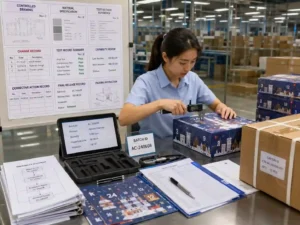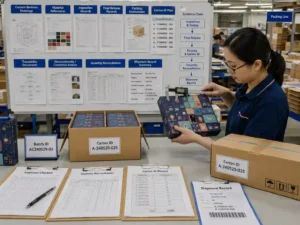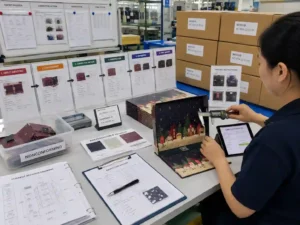
Quick answer: Adhesive selection affects both recyclability evidence and shipping reliability because the bonding system must work with the paper structure, recycling expectations, humidity exposure, and temperature changes during transport. For custom advent calendar boxes and seasonal paper packaging, buyers should evaluate adhesive type, application method, bond performance, and supplier documentation together rather than treating glue selection as a minor production detail.
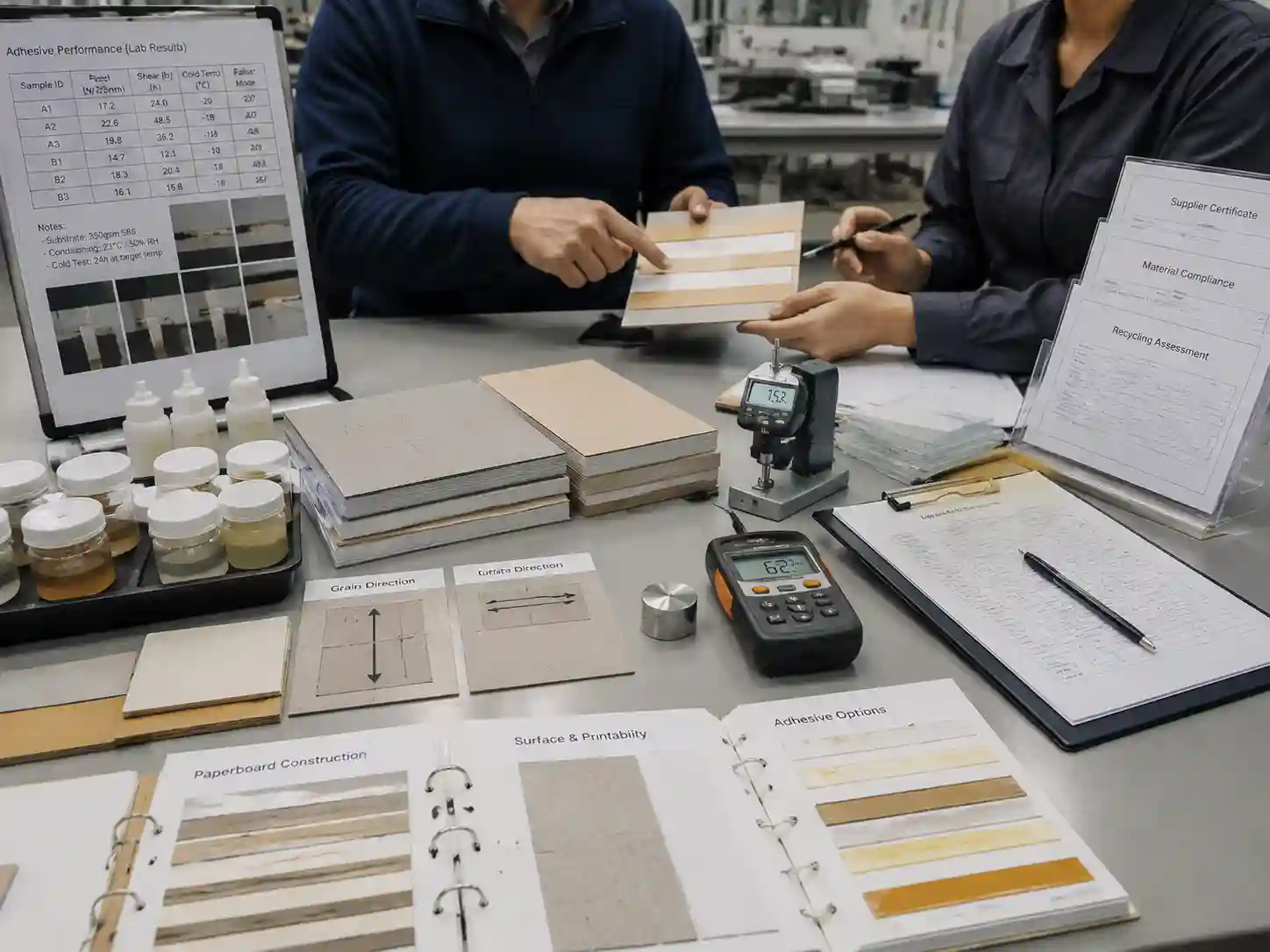
Why does recyclable packaging adhesive selection matter for paper packaging?
Recyclable packaging adhesive selection matters because adhesives become part of the overall packaging material system. The board, coating, printing layers, and adhesive choices must be considered together when evaluating recyclability and end-of-life expectations.
In paper-based packaging, the adhesive should support the intended recycling pathway without creating unnecessary separation challenges. The exact impact depends on the adhesive chemistry, quantity used, application location, and the requirements of the recycling system being considered.
What should buyers verify before approving an adhesive?
Buyers should verify the adhesive specification, application process, and supporting supplier information before approving production materials.
- Adhesive type and intended application area.
- Compatibility with the selected paperboard construction.
- Performance under expected temperature and humidity conditions.
- Supplier documentation describing material characteristics.
- Production samples showing bonding quality after finishing processes.
How do adhesives affect cold-weather shipping performance?
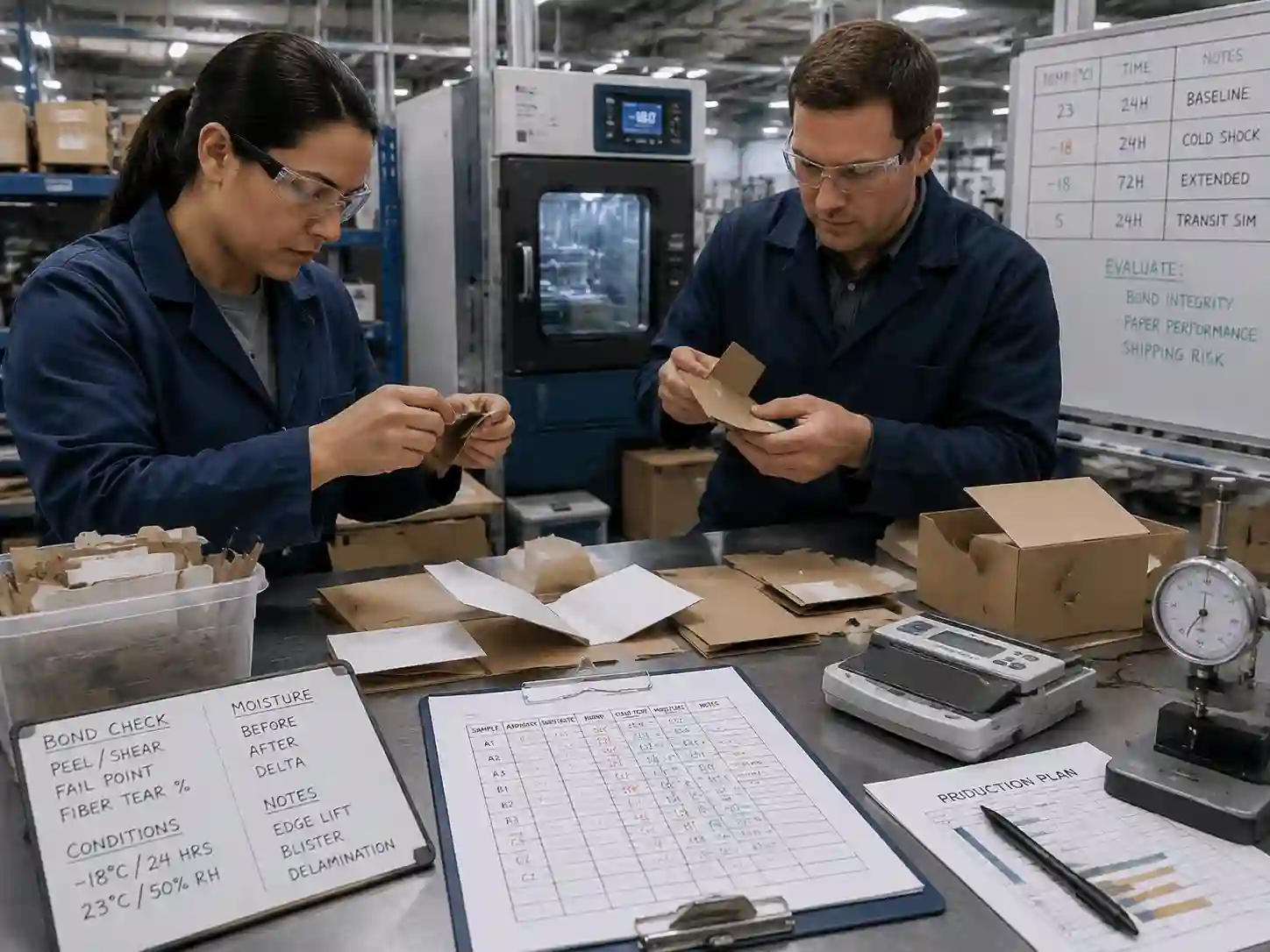
Cold-weather shipping can expose packaging structures to lower temperatures, condensation, and repeated environmental changes. Adhesives that perform well under normal factory conditions may require additional validation when products travel through colder regions or seasonal logistics environments.
The main concern is not simply whether the adhesive sticks, but whether the bonded areas maintain their strength after temperature changes, handling, and storage conditions.
| Adhesive consideration | Why it matters | Buyer verification method |
|---|---|---|
| Bond strength | Helps prevent panels, seams, or glued areas from opening during handling. | Review sample bonding results and inspect finished structures. |
| Temperature response | Cold conditions may influence flexibility and adhesion performance. | Evaluate samples under project-relevant storage or shipping conditions. |
| Paper compatibility | Different boards and surface treatments can affect bonding. | Check adhesive performance with the final board specification. |
| Recycling considerations | Adhesive choice can influence material recovery discussions. | Review available supplier information and project requirements. |
Which adhesive factors should packaging engineers review?
Packaging engineers should review adhesive factors together with board construction, folding structure, and finishing requirements. A suitable adhesive is not selected only by bonding strength; it must match the complete packaging design.
How does paperboard surface affect adhesive performance?
Paperboard surface characteristics can influence how adhesive spreads and bonds. Coated surfaces, textured papers, recycled fibers, and different board grades may respond differently during production.
Useful checks include:
- Comparing adhesive performance on actual production board samples.
- Checking whether coated or printed surfaces change bonding behavior.
- Inspecting glued areas after folding, compression, and handling.
- Recording any material changes that could affect adhesion.
How do humidity and moisture conditions influence adhesive decisions?
Humidity can affect both paper behavior and adhesive performance. Paperboard may expand, contract, or soften depending on moisture exposure, which can place additional stress on glued joints.
For projects involving international shipping, buyers should consider the expected storage and transport environment. The recommended adhesive system may vary depending on climate exposure, packaging structure, and logistics conditions.
What evidence should support adhesive approval?
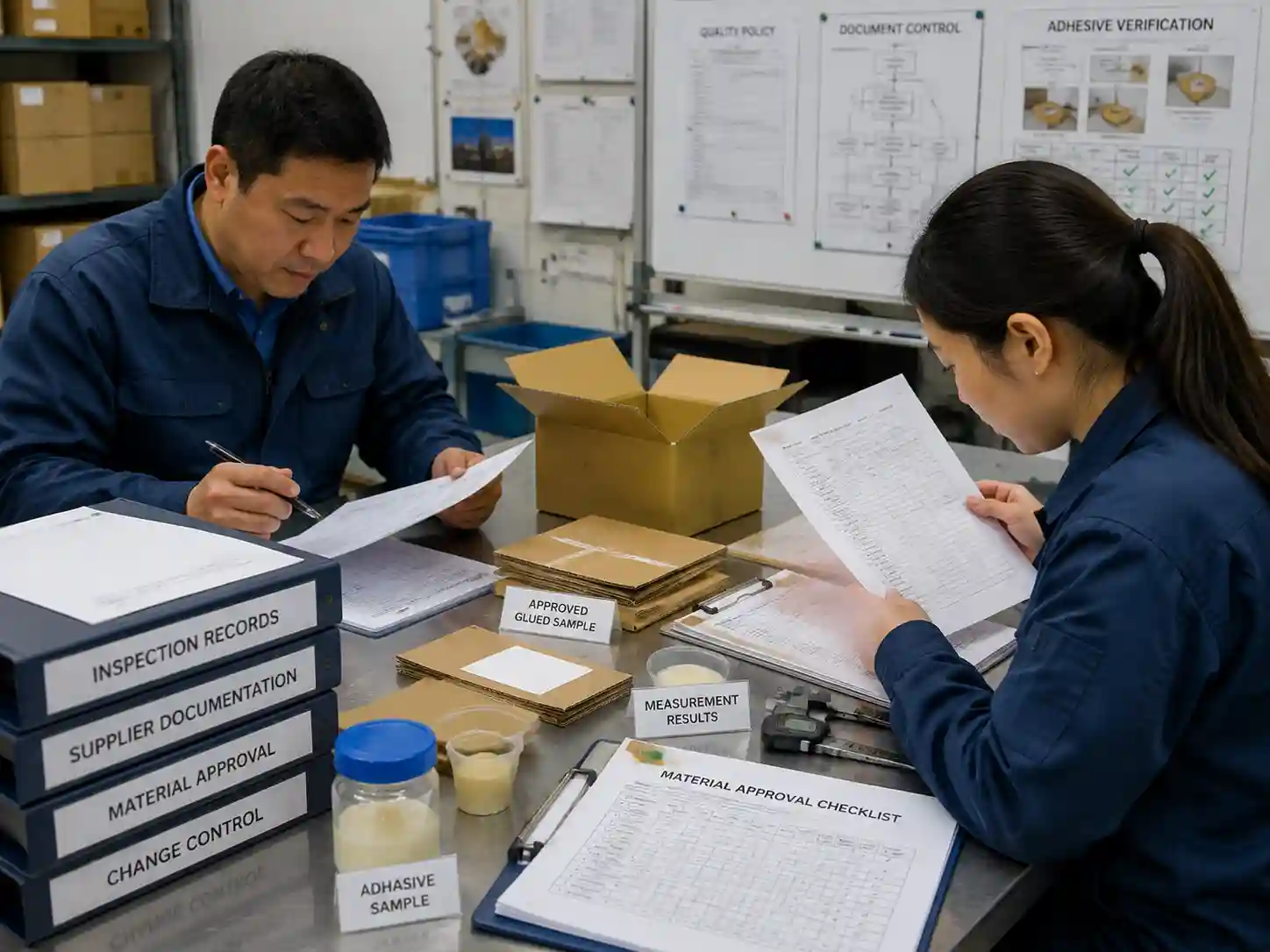
Adhesive approval should be supported by practical evidence rather than only a material description. Buyers can use a combination of samples, measurements, inspection records, and supplier documents.
Adhesive verification checklist
| Evidence item | Purpose |
|---|---|
| Supplier adhesive information | Confirms the specified adhesive material and intended use. |
| Production sample review | Shows actual bonding performance with the selected packaging structure. |
| Bond inspection records | Documents quality checks during production. |
| Material approval records | Provides traceability when adhesive or board specifications change. |
Verifiable facts include adhesive specifications, supplier-provided technical information, and recorded inspection results. Project-dependent recommendations include adhesive selection based on climate exposure, packaging design, and recycling requirements. Final approval should come from the buyer’s technical, sustainability, or quality review process.
How should buyers compare adhesive options for advent calendar packaging?
Buyers should compare adhesive options by balancing recyclability goals, structural reliability, and production requirements. The best option depends on where adhesive is used and how the finished package will be handled.
- Define the packaging structure and glued areas requiring support.
- Review board type, surface treatment, and finishing layers.
- Check adhesive compatibility using physical samples.
- Evaluate performance risks related to temperature, humidity, and transport.
- Approve the final material combination with documented evidence.
For example, a paperboard advent calendar shipped through cold climates may require stronger attention to glued seams and folding stress points. A different structure stored in stable conditions may prioritize other considerations. The correct choice depends on the complete packaging system rather than adhesive strength alone.
How can material changes create adhesive risks?
Material changes can create adhesive risks when a previously approved combination of board, coating, or finishing materials is replaced. Even small changes in surface properties may affect bonding behavior.
When materials change, buyers should request updated samples and confirm whether existing adhesive performance remains acceptable. Maintaining approval records helps prevent unexpected production issues.
FAQs about packaging adhesives and recyclability
Does a stronger adhesive always improve packaging performance?
No. Higher bonding strength does not automatically create a better packaging solution. The adhesive must match the paper structure, production process, and intended handling conditions.
Can adhesive choice affect recyclable packaging claims?
Yes, adhesive choice can be one factor considered when evaluating recyclable packaging performance. Buyers should review the complete material system and available evidence rather than judging recyclability from adhesive type alone.
Should adhesive testing be completed before mass production?
Yes. Sample evaluation and production-stage inspection help confirm that the adhesive performs correctly with the selected board and finishing materials.
Giftpackpro supports commercial buyers with custom paper packaging development, including material review and production coordination. Explore custom advent calendar box services or request a custom quote when you need to evaluate packaging materials for a specific project.