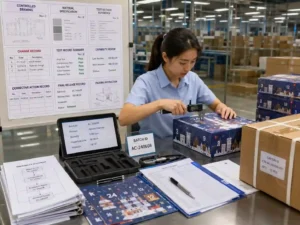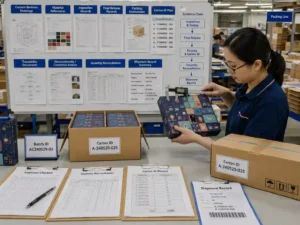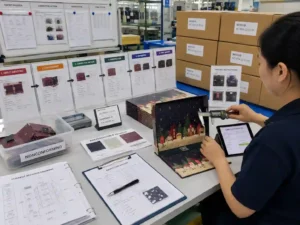
Quick answer: The most scuff resistant packaging paper surfaces are usually those with controlled surface coatings, strong fiber bonding, and appropriate finishing layers that protect against friction during cutting, folding, wrapping, and assembly. However, the best choice depends on the packaging structure, handling process, print requirements, and sustainability goals. Buyers should evaluate surface performance through material samples, abrasion checks, supplier records, and production validation rather than selecting paper only by appearance.
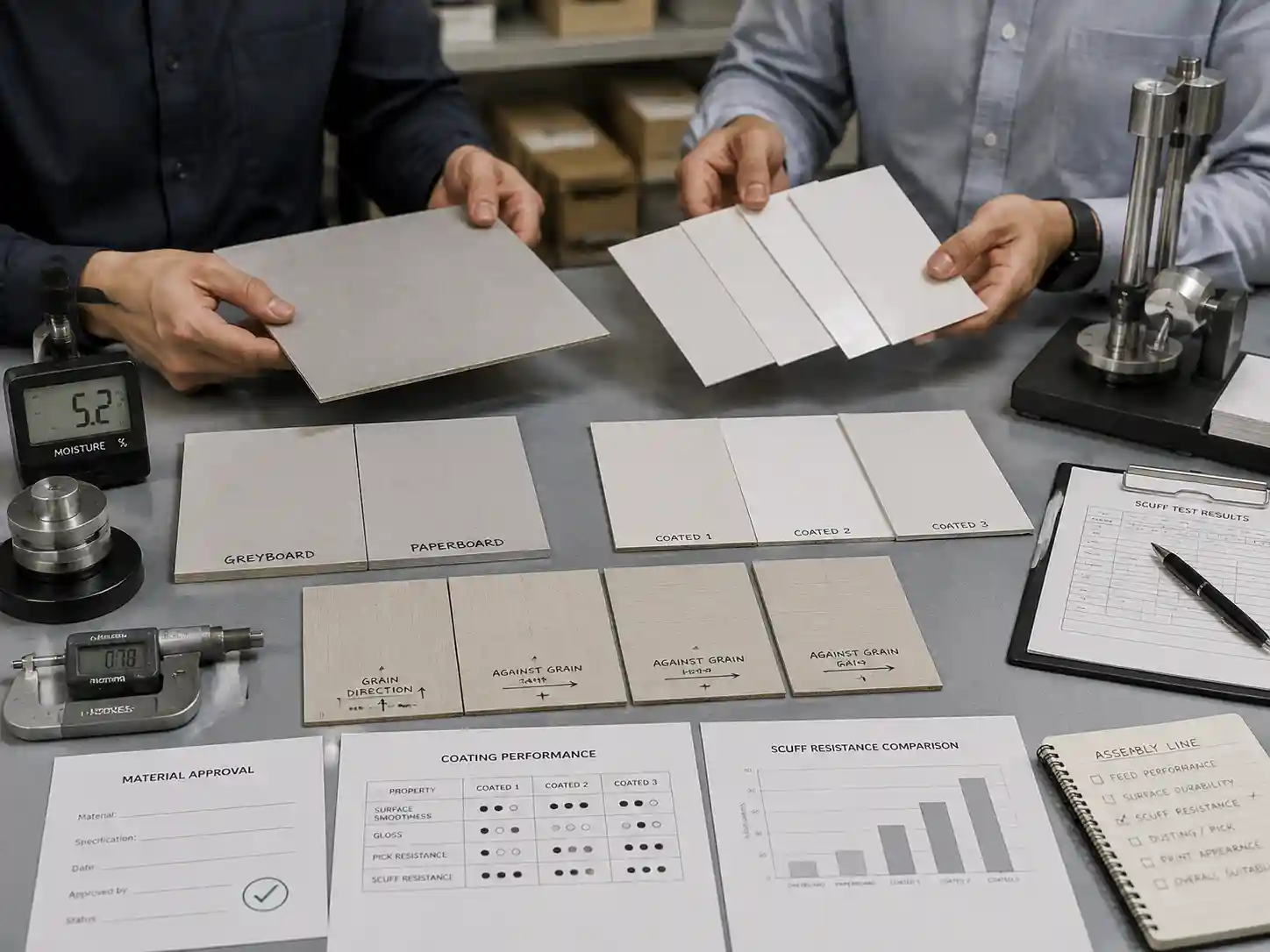
What makes a paper surface resistant to scuffing during assembly?
A scuff-resistant paper surface combines surface strength, coating performance, and resistance to friction damage. During rigid box assembly, paper can be exposed to rubbing from folding equipment, wrapping operations, tooling contact, stacking pressure, and manual handling.
Important factors include fiber quality, coating type, surface smoothness, ink adhesion, and whether the finished surface can maintain appearance after repeated contact. A paper surface that looks premium before production may still show marks if the coating or finishing system is not suitable for assembly conditions.
Which material properties should buyers evaluate?
The main properties to review are surface hardness, coating durability, resistance to abrasion, and compatibility with the final box structure. These characteristics should be evaluated together because improving one property may affect another, such as recyclability, texture, or print appearance.
- Surface coating: Coated surfaces can reduce direct friction damage and improve resistance to handling marks.
- Fiber strength: Stronger paper structures are less likely to show surface disruption when folded or compressed.
- Finish consistency: Even surfaces reduce the risk of visible scuff patterns after assembly.
- Moisture stability: Paper that changes shape under humidity may create additional rubbing and stress during fitting.
Which paper surfaces are commonly used for scuff resistant packaging paper?
The most suitable surface depends on the packaging application. Premium rigid boxes often use coated papers, laminated papers, or carefully selected specialty papers when appearance retention is important during manufacturing.
| Paper surface option | Scuff resistance characteristics | Typical considerations |
|---|---|---|
| Coated paper | Provides a smoother surface with improved resistance to friction marks compared with many uncoated options. | Check coating compatibility with printing, folding, and finishing processes. |
| Laminated paper | A protective film layer can improve resistance against scratches and handling damage. | Consider recycling requirements, appearance goals, and material separation needs. |
| Textured specialty paper | Surface texture may hide minor marks better than smooth finishes. | Texture performance varies by supplier and application. |
| Uncoated paper | May provide a natural appearance but can show handling marks more easily. | Requires careful evaluation for high-contact assembly processes. |
How should packaging engineers test surface scuff resistance before production?
Packaging engineers should test the actual paper construction used in the finished box rather than relying only on paper samples. Assembly conditions can change performance because folding, wrapping tension, adhesives, and contact points all influence surface damage.
Useful evaluation methods include:
- Reviewing paper and finishing specifications from the supplier.
- Checking printed and finished samples under different lighting conditions.
- Simulating rubbing points caused by folding, wrapping, and assembly equipment.
- Recording visible marks, coating damage, color transfer, or surface deformation.
- Comparing approved samples with production inspection results.
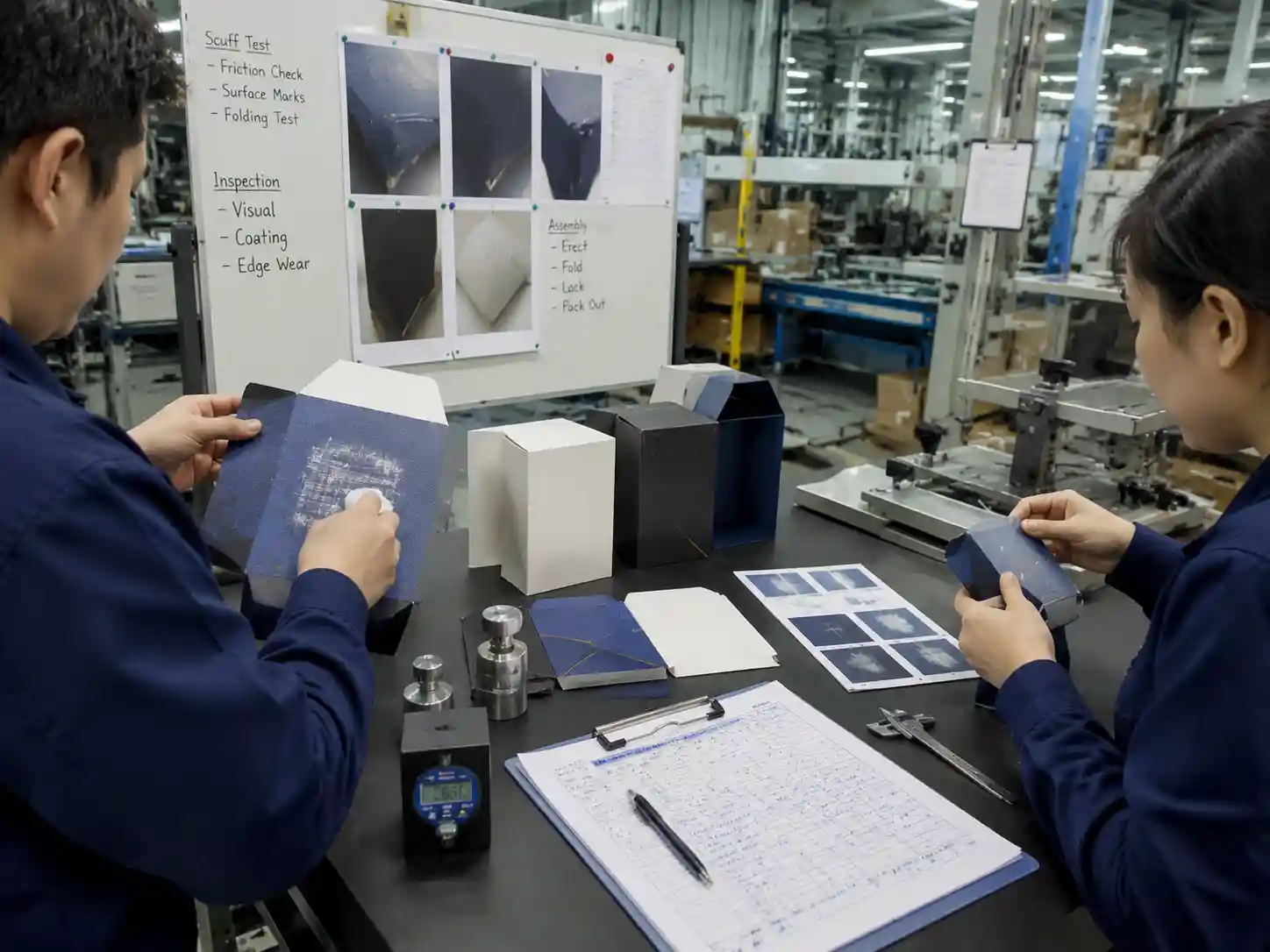
How do coatings and laminations affect scuff performance?
Coatings and laminations can improve resistance to surface damage, but their effect depends on the complete packaging system. A protective layer may reduce visible marks while introducing different considerations such as recyclability, texture changes, or finishing limitations.
For example, a smooth coated surface may perform well for printed rigid boxes that require clean visual presentation, while a textured paper may be preferred when minor handling marks need to be less noticeable.
What evidence should buyers request from suppliers?
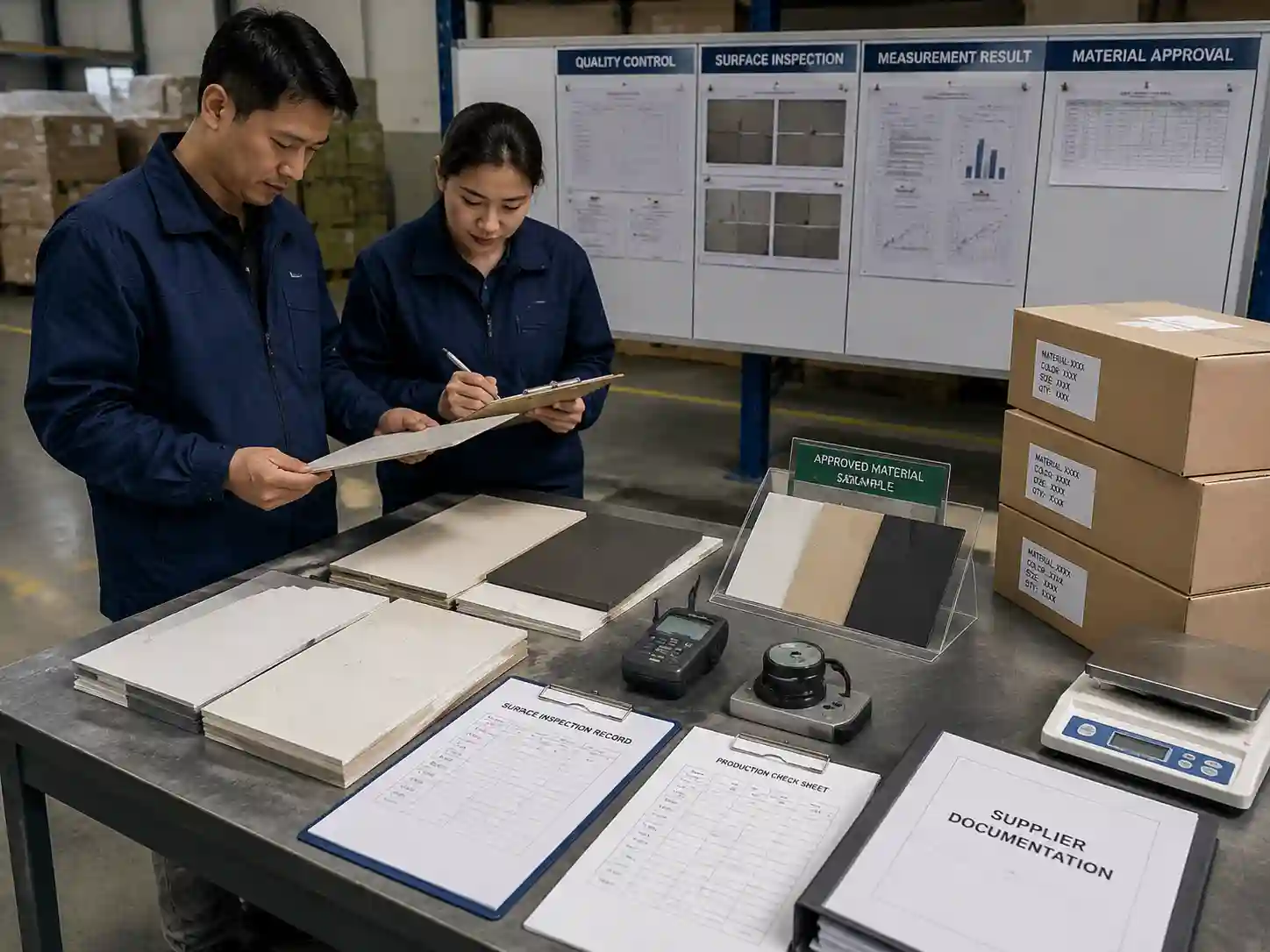
Buyers should focus on traceable evidence that connects material selection with production performance. Useful documentation includes:
- Paper specification sheets showing material construction and finishing details.
- Approved material samples matching the intended production version.
- Inspection records showing surface checks during production.
- Assembly evaluation notes identifying high-friction areas.
- Change-control records if paper, coating, or finishing materials are modified.
How does humidity affect scuffing risk on paper packaging?
Humidity can influence scuffing indirectly by changing paper stiffness, dimensional stability, and surface behavior. When paper expands or contracts, wrapped panels and folded areas may experience increased friction during assembly.
Humidity-related risks should be reviewed together with board construction, adhesive selection, and storage conditions. A surface that performs well in one environment may require additional validation when production or distribution conditions change.
What should buyers check before approving a scuff resistant paper surface?
Final approval should combine material review, physical samples, and production evidence. Selecting a surface only from a catalog image does not confirm how it will perform after printing, wrapping, folding, and handling.
| Approval area | Buyer verification point |
|---|---|
| Material selection | Confirm paper type, coating, finishing, and supplier documentation. |
| Sample evaluation | Inspect assembled samples for visible scuffing at contact points. |
| Production review | Check whether assembly steps create unexpected friction damage. |
| Material change control | Require review when paper, coating, or finishing specifications change. |
What varies between packaging projects?
Scuff resistance requirements vary depending on box structure, surface area, assembly method, product positioning, and sustainability requirements. A drawer-style advent calendar, a magnetic rigid box, and a wrapped panel structure may experience different friction points.
Verified facts include that paper surfaces, coatings, and finishes influence abrasion behavior. Project-dependent recommendations include selecting the ideal surface combination, because performance depends on the complete packaging design and manufacturing process.
FAQs about scuff resistant packaging paper
Is laminated paper always the most scuff resistant option?
No. Lamination can provide strong protection, but performance depends on the film, adhesive system, paper base, and application requirements. Other coated or specialty papers may be suitable for specific packaging needs.
Can a paper surface pass inspection but still show scuffing later?
Yes. Surface performance can change during production due to handling pressure, assembly equipment, storage conditions, or changes in materials. Production validation is important.
Does higher gloss always mean better scuff resistance?
No. Gloss affects appearance but does not automatically indicate durability. Surface construction and finishing performance should be evaluated through practical checks.
Giftpackpro supports commercial packaging projects with material evaluation, structural considerations, and production review for custom advent calendar boxes. For projects requiring specific surface performance, request a custom quote and discuss the required paper finish, handling conditions, and approval process.