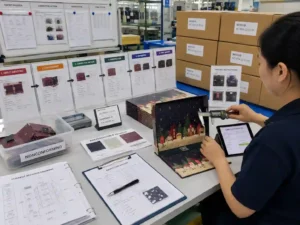
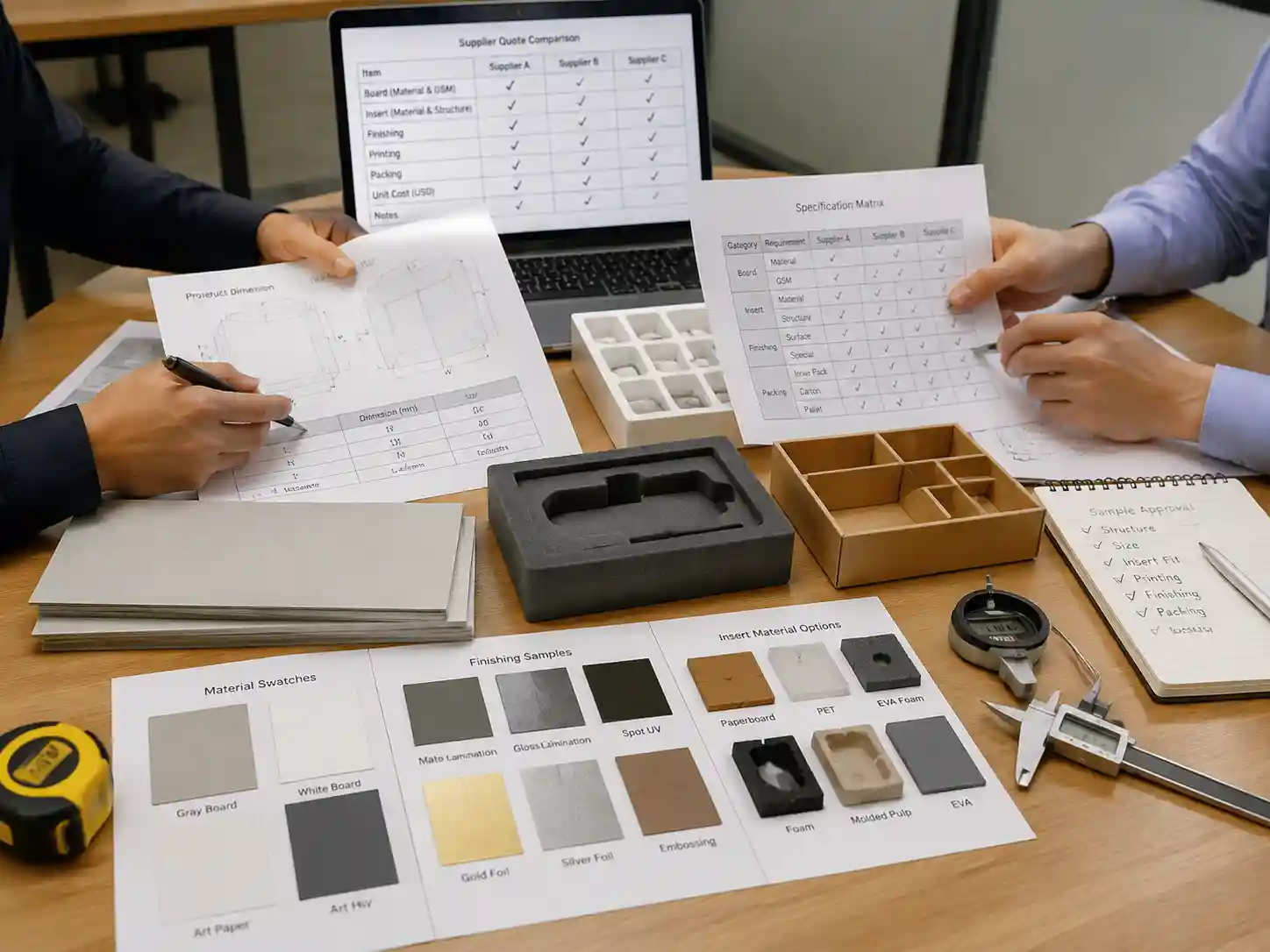
When buyers compare advent calendar supplier quotations, the main challenge is not collecting more prices but ensuring every supplier is quoting the same technical scope. A reliable comparison requires normalizing board materials, insert structures, printing finishes, and packing assumptions into one specification framework. By aligning quotation lines with drawings, samples, measurements, and approval records, buyers can identify real cost differences instead of comparing incomplete or mismatched offers.
Why should buyers normalize supplier quotations before comparing prices?
Buyers should normalize quotations because different suppliers often describe similar packaging components using different terms, assumptions, or production standards. A lower quotation may exclude certain materials, finishing steps, assembly requirements, or packing protections.
Before reviewing unit prices, purchasing teams should convert each supplier quotation into a common comparison format that includes:
- Board type, thickness, and structural specification
- Insert material, construction, and product-fit requirements
- Printing method and finishing details
- Packing method, protection level, and shipment preparation assumptions
- Included and excluded production processes
The purpose is not to force identical manufacturing methods, but to confirm whether suppliers are quoting an equivalent packaging solution.
How do you normalize board specifications across advent calendar box quotations?
Board specifications should be normalized by comparing the actual material structure, thickness, strength requirements, and application instead of only comparing material names.
Common quotation differences include:
| Specification Item | What Buyers Should Compare | Verification Method |
|---|---|---|
| Greyboard or paperboard | Material type, thickness, and structure | Material specification sheets and samples |
| Board thickness | Measured thickness and tolerance | Supplier measurement records or sample inspection |
| Box structure | Rigid box, folding carton, drawer, or other construction | Technical drawings and approved prototypes |
| Surface paper | Paper weight, texture, and application | Paper samples and production references |
A quotation using a different board thickness or structure may not be directly comparable even if the external dimensions are similar. Buyers should confirm the board specification through drawings and physical samples before accepting price comparisons.
How should buyers compare insert lines between supplier quotations?
Insert quotations should be compared based on function, material, and production complexity rather than only the insert price.
Important comparison points include:
- Insert material type, such as paperboard, molded pulp, EVA, foam, or other approved materials
- Number of compartments and internal layout
- Product dimensions and fit requirements
- Assembly method and tolerance requirements
- Protection level required during handling and shipping
For example, two suppliers may quote an “insert” but one may include a simple divider while another includes a custom-fitted structure requiring more cutting, assembly, or testing. These are different technical solutions and should not be compared as equal items.
How do you normalize printing and finishing lines in supplier quotes?
Printing and finishing lines should be separated into individual processes so buyers can identify what is included in each quotation.
| Quotation Area | Items to Confirm |
|---|---|
| Printing | Color method, artwork coverage, proofing requirements, and print standard |
| Lamination | Finish type, surface protection, and application area |
| Special effects | Foil stamping, embossing, debossing, spot UV, or other effects |
| Quality approval | Color approval method and sample confirmation process |
Some supplier quotations combine multiple finishing operations into one line, while others separate each process. Buyers should request enough detail to understand whether a price difference comes from a missing process or a different manufacturing approach.
How should packing lines be normalized when comparing suppliers?
Packing lines should be normalized by confirming how finished boxes are protected, counted, packed, and prepared for shipment.
Buyers should check:
- Whether boxes are shipped flat-packed or assembled
- Whether individual protection materials are included
- Carton packing quantity and carton specifications
- Whether internal separators or protective materials are included
- Whether shipping marks and carton identification requirements are considered
Packing differences can affect total landed cost even when the product quotation appears similar. The quotation comparison should clearly separate product manufacturing cost from packing requirements.

What quotation comparison checklist should buyers use?
A standardized RFQ checklist helps purchasing teams review supplier quotations consistently.
- Confirm the same product drawings are used for all suppliers
- Confirm board material and thickness match the requested specification
- Confirm insert structure and product fit requirements
- Confirm printing and finishing processes are listed separately
- Confirm packing assumptions and shipment preparation details
- Record included items, exclusions, and supplier comments
- Keep sample approval records connected with the final quotation
The final comparison should combine quotation documents with technical evidence. A price sheet alone cannot confirm whether suppliers are offering equivalent packaging.
Which quotation differences require buyer approval before selection?
Buyers should approve any quotation difference that changes packaging performance, appearance, production process, or final usage conditions.
Approval is usually required when suppliers propose changes involving:
- Different board materials or thickness
- Alternative insert materials or structures
- Different finishing methods
- Different assembly or packing methods
- Changes identified during sample review
These changes should be documented through revised drawings, sample notes, quotation updates, or supplier confirmation records.
What evidence should buyers keep when comparing supplier quotations?
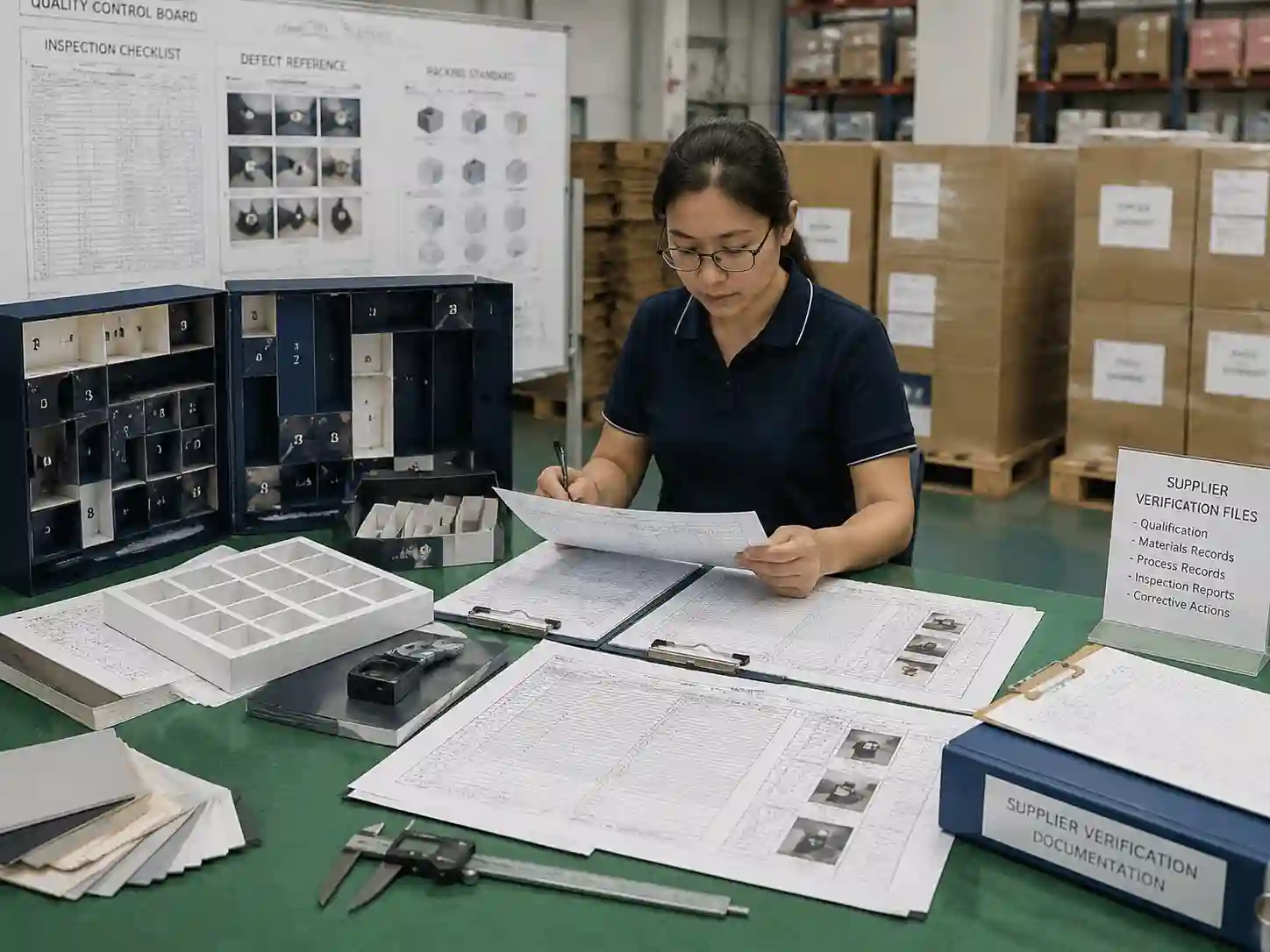
Reliable quotation normalization depends on maintaining a clear evidence trail between the RFQ, supplier response, sample approval, and production requirements.
Useful records include:
- Product specification sheets
- Structural drawings and dielines
- Material sample approvals
- Insert fit checks
- Finishing samples
- Supplier quotation revisions
- Inspection and approval records
These records help purchasing teams explain why one quotation was selected and reduce misunderstandings during production.
FAQs about normalizing advent calendar box supplier quotations
Can buyers compare supplier prices without standardizing specifications?
No. A direct price comparison can be misleading if suppliers quote different materials, finishing scopes, or packing assumptions. Standardized specifications create a fair comparison.
Should the lowest quotation always be selected?
No. Buyers should evaluate whether the quoted specification, quality requirements, production process, and documentation match the project needs.
How can buyers reduce quotation misunderstandings?
Using one RFQ format, shared drawings, clear approval records, and structured quotation comparison tables helps suppliers respond with comparable information.
Giftpackpro helps commercial buyers organize custom advent calendar box requirements through structured specifications, product development support, and quotation communication. For projects requiring a clear comparison process, request a custom quote with your packaging requirements and reference documents.